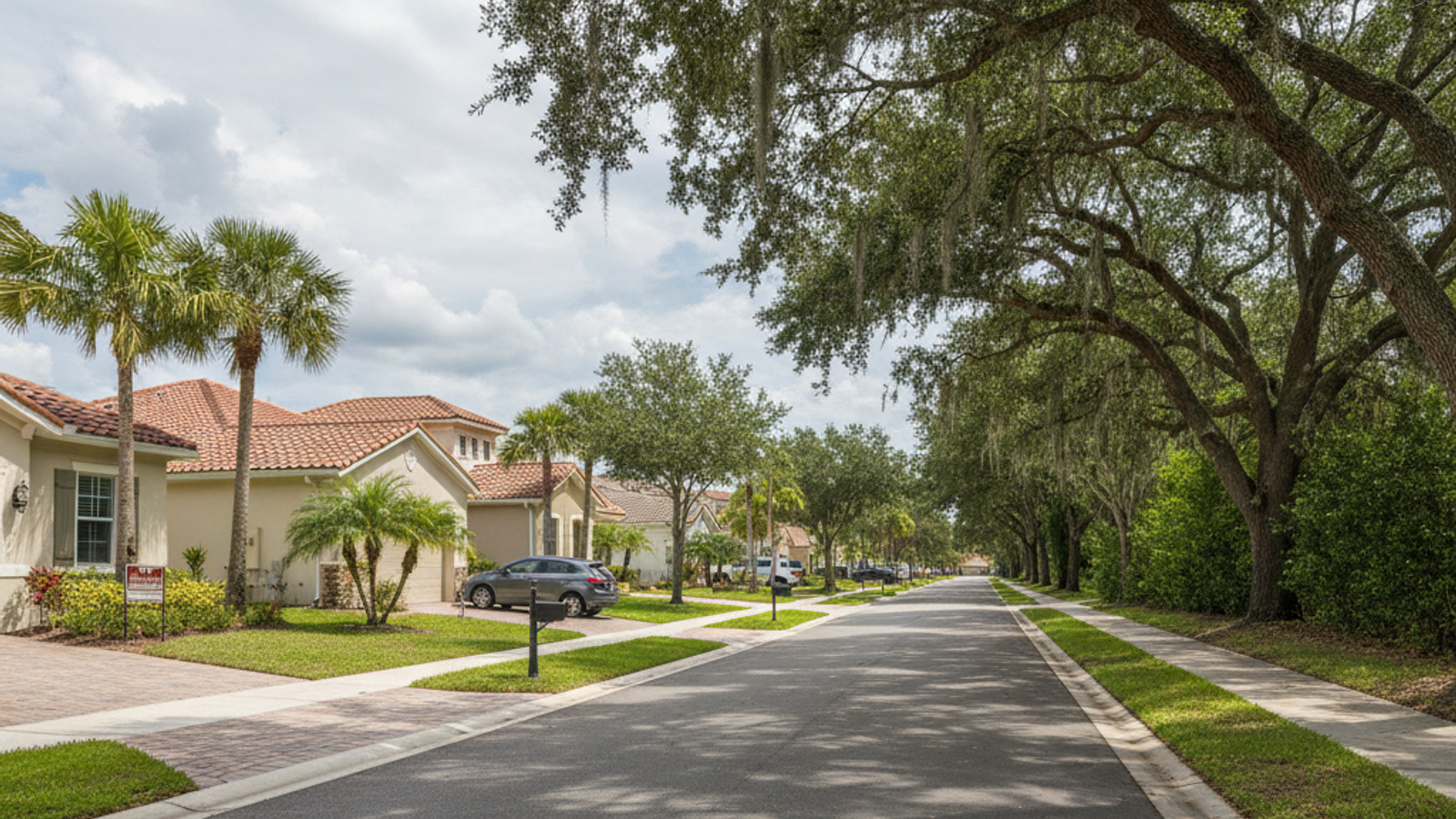
Real Estate News & Market Trends on Florida's Treasure Coast

You’ll find our blog to be a wealth of information, covering everything from local market statistics and home values to community happenings. We feature topics relevant to the Treasure Coast of Florida which includes, Stuart, Port St Lucie, Vero Beach, Palm City & Jensen Beach. That’s because we care about the community and want to help you find your place in it. Please reach out if you have any questions at all. We’d love to talk with you!

May 21, 2026

Moving to the Treasure Coast: A Port St. Lucie, FL FAQ for 2026 Buyers

St. Lucie County, FL continues to draw buyers looking for space along the Atlantic coast. The median home price in Port St. Lucie, FL hovers around $425,000 this spring, keeping it well below the pricing benchmarks seen further south in Palm Beach or Broward Counties. Buyers often target this area to find larger lots and newer construction without the premium price tags of major metropolitan centers.

The broader Treasure Coast region offers a quieter pace of life compared to the densely populated corridors of South Florida. Residents enjoy access to miles of waterways, nature preserves, and established golf communities. This balance of affordability and lifestyle amenities makes the city a top consideration for both working professionals and retirees.

Buyers relocating to the area often have specific questions about property taxes, commute times, and storm preparations. This Port St. Lucie, FL FAQ addresses those details to help you plan a move, evaluate neighborhoods, and budget for homeownership. Understanding these local factors ensures a smoother transition to the Florida coast.


Housing Prices and Local Taxes

The median home price in Port St. Lucie, FL sits between $400,000 and $425,000 as of early 2026. This pricing tier allows buyers to purchase larger properties than they typically would in neighboring South Florida markets. A budget that buys an older, attached unit in Miami, FL often secures a detached, modern home in this region.

The overall cost of living index here is about 105, putting it 5% above the national average. Housing costs remain the largest factor in that index, though everyday expenses are lower than what residents pay in Miami, FL or Fort Lauderdale, FL. Buyers should factor in local insurance and tax rates when calculating their total monthly housing expenses.

Neighborhood location plays a major role in pricing dynamics across the city. The western corridor, particularly around the Tradition master-planned community, commands higher prices due to new infrastructure and retail centers. The eastern sections of the city feature older, established homes with no homeowner associations, offering more affordable entry points.

Property Types on the Market

New construction single-family homes make up a large portion of the available inventory. Many of these properties sit inside master-planned communities that include homeowner associations and shared amenities. These developments often feature community pools, fitness centers, and gated entrances.

Buyers looking for lower maintenance options will find condominiums spread across the city. Condos often group near retail centers or golf courses, providing alternatives to the traditional detached home. Townhouses also offer a middle ground for those wanting private entrances with exterior maintenance handled by an association.

Calculating Your Property Tax Bill

The city millage rate is currently set at 4.9750 per $1,000 of taxable value. When combined with county and school board taxes, the total average property tax bill runs about $4,608 for a home with an assessed value of $250,026. Buyers should verify the exact tax history of any property they plan to purchase.

Florida's Save Our Homes amendment caps how much the assessed value of a primary residence can increase each year. Buyers should remember that property taxes reset upon the sale of a home, meaning your new tax bill will be based on the current purchase price. This reassessment often results in a higher tax bill for the new owner compared to the previous resident.


Highways and Daily Commutes

Interstate 95 and Florida's Turnpike serve as the two primary north-south arteries for St. Lucie County, FL. Most residential neighborhoods in the city sit within a 15-minute drive of an entrance ramp to one of these highways. This setup allows residents to bypass local surface streets when heading out of town.

Commuters driving south to West Palm Beach, FL typically spend 50 to 60 minutes on the road each way. Morning traffic patterns center primarily around the highway interchanges before smoothing out on the open road. Buyers planning a daily commute should test the drive during rush hour before committing to a specific neighborhood.

Local travel between neighboring Treasure Coast towns relies mostly on US Highway 1. Driving to Stuart, FL or Fort Pierce, FL takes about 20 to 30 minutes depending on the time of day. This coastal highway connects the major retail corridors and waterfront dining spots across the three cities.

Driving Times to Major Cities

Traveling to Orlando, FL takes about one hour and 45 minutes, covering a distance of 115 miles via the Turnpike. This route provides a direct path to the theme parks and the international airport. Many residents make this trip for weekend getaways or to host visiting family members.

Miami, FL is also located roughly 115 miles away, but the drive south usually takes closer to two hours depending on congestion. Buyers looking to access broader job markets often weigh these drive times when choosing where to buy. The Brightline high-speed rail expansion in neighboring counties has also introduced new transit options for regional travel.


Education and Medical Centers

St. Lucie Public Schools operates under an open-enrollment choice system rather than rigid neighborhood boundaries. Parents can apply to send their children to different schools within their designated zone, offering flexibility in educational options. This system requires parents to actively research and rank their preferred campuses.

The district recently received an 'A' rating from the state of Florida. Buyers should review the zone maps and application deadlines early in the home-buying process to secure their preferred placement. Missing the choice application window can result in an assignment to a school with remaining capacity rather than a top pick.

For higher education, Indian River State College maintains a large campus in the area. The college offers two-year degrees, technical certificates, and select bachelor's programs. This local institution provides ongoing education opportunities for professionals and recent high school graduates.

Hospital and Emergency Services

Cleveland Clinic Tradition Hospital provides the primary medical infrastructure for the western side of the city. The facility features 177 private rooms and a 24-hour emergency department. This hospital anchors a larger medical park that continues to expand with new specialty wings.

Additional specialized care clinics and outpatient centers surround the main hospital campus. This concentration of medical facilities supports local residents and provides a major source of employment for the region. Buyers prioritizing healthcare access often focus their property search near the Tradition neighborhood.


Outdoor Recreation and Local Amenities

Savannas Preserve State Park stretches for 10 miles along the eastern edge of the city. This protected area contains the largest freshwater marsh in southeast Florida and features miles of hiking trails. Visitors use the park for kayaking, wildlife photography, and fishing.

The Port St. Lucie Botanical Gardens sit near the North Fork of the St. Lucie River, providing another outdoor space for residents. The gardens host local events and showcase native plant species throughout the year. Paved walking paths make the gardens accessible for daily walks and weekend outings.

Golf remains a major draw for the region, with numerous public and private courses available. The PGA Village features multiple championship courses designed by renowned architects. Golfers of all skill levels utilize these facilities year-round.

Sports and Coastal Access

Clover Park operates as the spring training home for the New York Mets. The stadium also hosts the minor league St. Lucie Mets, drawing baseball fans from across the Treasure Coast throughout the summer. Game days bring increased traffic to the area, but also support local restaurants and businesses.

While the city itself does not sit directly on the ocean, public beaches are a short drive away. Residents typically head to Fort Pierce, FL or Jensen Beach, FL to access the Atlantic shoreline. These neighboring coastal towns offer free parking and public pavilions right on the water.


Climate and Storm Preparation

The region features a tropical climate with hot, humid summers and mild, dry winters. High temperatures from June through September consistently reach the low 90s, while winter days usually hover in the 70s. This weather pattern allows for year-round outdoor recreation and golf.

The area experiences a distinct wet season during the summer months. Afternoon thunderstorms roll through frequently, bringing heavy but brief downpours. The winter months remain largely dry, which appeals to seasonal residents escaping snow in northern states.

The Atlantic hurricane season runs from June 1 through November 30 every year. FEMA risk data assigns the area a high vulnerability score due to its coastal proximity and historical storm tracks. Buyers moving from inland states need to budget for specific home maintenance and insurance requirements.

Protecting Your Home

Buyers must verify that a property meets modern wind mitigation standards to secure favorable insurance rates. Local building codes mandate specific protective measures for all residential structures. Older homes may require retrofitting to meet the current safety benchmarks.

Standard preparations for homes in this area include:

  • Impact-resistant windows or fitted hurricane shutters.

  • Wind-rated garage doors.

  • Reinforced roof attachments.

These upgrades help structures withstand high-velocity gusts and often result in premium discounts from insurance carriers. Buyers should request a wind mitigation inspection during the due diligence period.


Frequently Asked Questions

Is Port St. Lucie cheaper than Miami?

Yes, housing costs are noticeably lower here than in Miami, FL. While a buyer might spend over $600,000 for a modest property in Miami-Dade County, that same budget often buys a new-construction home with a yard in St. Lucie County, FL. Everyday expenses like groceries and dining also trend lower in the Treasure Coast region.

What is the property tax rate in Port St. Lucie?

The 2026 city millage rate stands at 4.9750 per $1,000 of taxable value. For a home assessed at $250,000, the total bill usually lands near $4,600 after adding the school board and county levies. Buyers should remember that property taxes recalculate based on the new purchase price after closing.

Does Port St. Lucie get hit by hurricanes?

The city faces direct storm threats during the June through November hurricane season. Homeowners mitigate this risk by installing impact-resistant windows and maintaining proper windstorm insurance coverage. The local government provides clear evacuation routes and regular updates when a storm approaches the coast.

Posted in Market Updates
May 21, 2026

The 2026 Buyer's Guide to the PGA Village Island Club in Port St. Lucie, FL

The median home price in Port St. Lucie, FL has shifted over the past few years, bringing new attention to established master-planned communities. Buyers looking at the western edge of the city frequently explore neighborhoods surrounding the PGA Village Island Club. This area offers a mix of property styles ranging from attached villas to large custom estates.

The community operates with 24/7 manned security gates to manage vehicle traffic. Inside the gates, roads wind through dozens of distinct subdivisions built around golf courses and nature preserves. The PGA Village Island Club serves as the central recreational hub for residents living in these neighborhoods.


What to Expect Inside PGA Village

Port St. Lucie, FL spans a massive geographic footprint, and PGA Village sits near the western boundary along Interstate 95. The development encompasses over 2,500 homes spread across approximately 30 individual neighborhoods. Buyers will find everything from low-maintenance condominiums to expansive single-family homes with private pools.

Getting around the community requires a car or a golf cart. Wide, paved pathways connect many of the subdivisions directly to the PGA Village Island Club and the nearby golf facilities. The community layout prioritizes green space, with many homes backing up to water features, golf course fairways, or dense wooded preserves.


Amenities and Activities at the Island Club

The PGA Village Island Club functions as the primary social and fitness center for homeowners. The facility features a large, resort-style heated swimming pool equipped with dedicated lap lanes for exercise. Surrounding the pool deck, residents have access to shaded seating areas and lounge chairs.

Inside the building, the fitness center provides cardio machines, free weights, and strength-training equipment. The clubhouse also houses an aerobics studio, a private library, and a billiards room. A full-time activities director coordinates a rotating schedule of social events, group fitness classes, and hobby club meetings.

Court Sports and Outdoor Recreation

Beyond the pool and indoor facilities, the grounds include multiple outdoor sports courts. Residents have access to well-maintained tennis courts and basketball courts located just steps from the main building. These courts see steady use year-round thanks to the mild South Florida winters.

The facility also includes four dedicated pickleball courts. Demand for pickleball has grown steadily across Port St. Lucie, FL, and these courts host both casual pickup games and organized tournaments. Homeowners can reserve court time through the community association portal.


Current Home Prices and Property Types

In 2026, the median home price for properties within PGA Village ranges between $460,000 and $510,000. This figure fluctuates based on the specific subdivision and the ratio of attached to detached homes sold in a given month. Condominiums typically represent the most affordable entry point into the community.

Smaller condo units and townhomes often list in the upper $200,000s to low $300,000s. These attached properties appeal to buyers who want a low-maintenance winter home. Mid-sized single-family homes and detached villas generally trade between $400,000 and $600,000.

At the top end of the market, large estate homes frequently sell for over $1,000,000. These premium properties usually sit on lots exceeding half an acre and feature custom upgrades, multiple garages, and expansive golf course views. Buyers should review the specific architectural guidelines for each subdivision before planning exterior renovations.


Association Fees and Club Access Rules

Homeowners in this community pay two separate association fees. Every property owner pays a master Property Owners Association (POA) fee, which funds the maintenance of shared infrastructure. Residents also pay a neighborhood sub-association fee tied to their specific subdivision.

Combined monthly homeowners association (HOA) fees generally range from $200 to over $400. These dues typically cover basic cable, high-speed internet, common area landscaping, and full access to the PGA Village Island Club. Subdivisions with attached homes often charge higher fees to cover exterior building maintenance and roof replacement.

Access to the local golf facilities operates under a completely different structure. The PGA Golf Club is a separate entity from the PGA Village Island Club. Homeowners are not required to purchase a golf membership, and living in the community does not automatically grant playing privileges on the courses.


Commuting and Nearby Port St. Lucie Infrastructure

The main entrance to PGA Village sits less than a mile from the Interstate 95 interchange at Exit 121. This immediate highway access allows commuters to reach Jupiter or Palm Beach Gardens in about 35 minutes. Heading north, residents can drive to Vero Beach in roughly 40 minutes.

Daily errands require a short drive outside the community gates into the St. Lucie West commercial corridor. This area contains multiple grocery stores, big-box retailers, and a wide selection of restaurants. The drive from most subdivisions to the center of St. Lucie West takes less than ten minutes.

Healthcare access is a major priority for many buyers moving to Port St. Lucie, FL. Cleveland Clinic Tradition Hospital is located about five to six miles south of the community. Residents can typically reach the emergency room or outpatient offices in a 10-to-15-minute drive via Village Parkway.


Frequently Asked Questions

Can you play pickleball at the PGA Village Island Club?

Yes, the facility maintains four dedicated pickleball courts for residents. The courts are located outdoors near the tennis facilities and require advance booking during peak morning hours.

Does living in PGA Village include a golf membership?

No, purchasing a home here does not include access to the PGA Golf Club. The golf courses are operated separately, and residents must purchase an independent membership or pay daily rates to play.

Is the Island Club open to the public?

The recreational facilities are private and restricted to homeowners and their accompanied guests. The security team at the entrance gates requires visitors to show a resident pass or an authorized guest barcode to enter the premises.

Posted in Market Updates
May 21, 2026

Living in Port St. Lucie, FL: PGA Village Golf Rates and Home Prices in 2026

Port St. Lucie, FL offers several golf-centric communities, but PGA Village stands out for its direct connection to the Professional Golfers' Association of America. The community wraps around 54 holes of championship golf designed by Tom Fazio and Pete Dye. Buyers looking at St. Lucie County, FL often start their search here because of the easy access to these top-tier fairways.

The courses operate as public facilities, meaning anyone can book tee times. Residents who plan to play often can purchase memberships to lower their per-round costs. Understanding the local property values alongside the PGA Village Golf Rates will help you decide if this neighborhood fits your budget.


Playing the Courses: Green Fees and Memberships

Daily public green fees at PGA Village fluctuate based on the Florida tourist seasons. Winter rates peak when snowbirds arrive, while summer rounds cost less. Golfers have their choice of three distinct layouts: the Wanamaker course, the Ryder course, and the Dye course.

The property is owned and operated by the PGA, ensuring tournament-level maintenance year-round. PGA professionals run the pro shop and manage the daily flow of play. You do not need to live in the community to play, but residents enjoy the convenience of driving a personal golf cart straight to the clubhouse.

The Premier Golf Membership

Frequent players should consider the Premier Golf Membership to manage their costs. This program requires a $40,000 non-refundable initiation fee upfront. Members then pay $9,300 in annual dues to maintain their active status.

Once you hold a membership, your daily playing cost drops to a flat $27 cart fee per round. The club does not impose food and beverage minimums on its members. You also will not face surprise capital assessments for course renovations.


Housing Options and Monthly Association Dues

Median home prices in PGA Village range from the mid-$400,000s to around $510,000. Buyers can choose from a mix of detached single-family homes, attached townhouses, and smaller condos. The neighborhood is divided into several distinct subdivisions, each with its own architectural style and price point.

Every homeowner pays a monthly homeowners association fee to maintain the grounds. These HOA fees currently run between $200 and $587 per month. The exact amount depends on the specific subdivision and the type of property you buy.

What the HOA Covers

Condominium owners generally pay the higher end of that fee spectrum, as their dues cover exterior building maintenance and roof repairs. Single-family homeowners pay lower fees but must handle their own structural upkeep.

Across the board, the baseline HOA dues cover the community's gated security entrances and common area landscaping. Many subdivisions also include basic cable or internet in their monthly assessments. Buyers should review the specific HOA documents for any house they want to purchase.


Amenities Beyond the Fairways

The 35-acre PGA Center for Golf Learning and Performance sits adjacent to the main courses. This large practice facility includes a driving range equipped with TopTracer technology to track ball flight and distance. Golfers can also practice in specific short-game areas and specialized bunkers.

Residents who want social and fitness amenities outside of golf spend time at The Island Club. This central recreation center serves all PGA Village residents and is included in the base HOA fees.

The Island Club and Private Options

The Island Club features a large resort-style community pool and a lap pool. Inside, residents have access to a full fitness center, billiards room, and library. Outside, the facility maintains multiple tennis and pickleball courts for daily play.

For those seeking a traditional country club experience, the nearby Legacy Golf and Tennis Club operates as a private, separate entity. Joining Legacy requires a separate membership fee and offers access to its own private course and dining room.


Getting Around Port St. Lucie, FL

PGA Village sits just west of Interstate 95, making regional travel straightforward. Commuters can reach West Palm Beach in about 45 minutes, while Orlando is less than a two-hour drive north. This immediate highway access cuts down on daily driving times.

The community borders the St. Lucie West commercial corridor. This area contains major grocery stores, pharmacies, and big-box retailers. Dozens of restaurants, ranging from fast-casual to sit-down dining, line St. Lucie West Boulevard.

Medical care is easily accessible for residents. The Cleveland Clinic Tradition Hospital is located just a few miles away. This major medical center provides emergency services and specialized care to the surrounding St. Lucie County, FL population.


Frequently Asked Questions

How much does it cost to play at PGA Village?

Public green fees shift based on the month, often exceeding $200 during the peak winter season. Florida residents sometimes secure discounted rates during the hot summer months. Members pay a flat $27 cart fee after covering their annual dues and initiation costs.

Are there different membership types available for golf at PGA Village?

The primary option is the Premier Golf Membership, which requires an upfront initiation fee and annual dues. The club occasionally offers seasonal or short-term passes, but these are subject to availability. Buyers should contact the membership director directly for the latest tier options.

What is the median home price in PGA Village?

Most properties trade hands between $450,000 and $510,000. Condos usually sell below that median, offering a more accessible entry point. Larger single-family homes with direct views of the greens will command premium prices well above that average.

Posted in Market Updates
May 21, 2026

Buying a Home at Island Club PGA Village: 2026 Community Guide

Port St. Lucie, FL offers a wide variety of golf-centered communities, but few draw as much consistent buyer interest as this specific neighborhood. Buyers looking at Island Club PGA Village often prioritize having immediate access to both resort-style recreation and championship golf facilities right outside their front door. The location balances a quiet residential atmosphere with quick access to major commercial corridors.

The community centers around a large recreational hub that serves residents across multiple distinct subdivisions. Understanding what is included in the association fees, how the golf memberships work, and what homes cost this year will help you decide if this area fits your budget. Buyers should review the neighborhood guidelines early in their search to ensure the lifestyle aligns with their expectations.


Recreation and Fitness at the Island Club

The main clubhouse for residents spans over 10,000 square feet and functions as the social and physical center of the neighborhood. A large resort-style swimming pool provides ample space for casual swimming, while dedicated lap lanes accommodate serious swimmers looking for a morning workout. The surrounding pool deck includes shaded seating areas and lounge chairs for year-round outdoor relaxation.

Indoor facilities feature a comprehensive fitness center equipped with commercial-grade cardio machines, free weights, and designated stretching areas. Residents also utilize several multipurpose rooms inside the building for scheduled club meetings, card games, and community gatherings. The community employs an activities director to keep the social calendar full of events ranging from holiday parties to educational seminars.

Outdoor racquet sports form a major part of the daily activity schedule here. The grounds feature multiple outdoor hard courts, including dedicated tennis courts and newly surfaced pickleball courts that see frequent daily use. Players of all skill levels can easily find a match, and the courts are lighted to allow for evening games after the Florida sun goes down.

The clubhouse library provides a quiet space for reading or borrowing books donated by neighbors. Free Wi-Fi runs throughout the main building, allowing residents to catch up on emails while enjoying a coffee on the terrace. This combination of active and relaxed spaces ensures the facility appeals to a wide variety of lifestyles.


Current Home Prices and Property Types

Median real estate prices in the community range between $460,000 and $510,000 in 2026. Buyers can find a diverse mix of housing styles, ranging from attached villas and townhouses to larger single-family homes with private swimming pools. The attached villas offer a lower-maintenance lifestyle, while the single-family properties provide larger lot sizes and more privacy.

Many of the properties were constructed in the late 1990s through the early 2000s, featuring sturdy concrete block construction and Mediterranean-inspired stucco exteriors. Roof styles typically include traditional barrel tiles, and most homes offer screened lanais overlooking water features or golf course fairways. Inside, you will frequently find split floor plans, high ceilings, and large primary suites.

Inventory turns over regularly, but homes priced near the $460,000 median tend to attract multiple offers within their first few weeks on the market. Buyers should prepare their financing early and secure a pre-approval letter before touring properties to compete for the best lots. Updated homes with modernized kitchens and bathrooms command premium prices and sell much faster than original-condition properties.

Property taxes in St. Lucie County are assessed based on the purchase price, and buyers should account for this when calculating their monthly carrying costs. Florida's homestead exemption can provide some tax relief for buyers who make the property their primary residence. Investors looking to rent out their homes should review the association's leasing restrictions before closing.


What Homeowners Association Fees Cover

Monthly HOA fees typically range from $500 to over $800, depending on the specific subdivision and the exact type of property you purchase. Attached villas usually carry higher monthly dues because the association covers exterior building maintenance, roof repairs, and exterior insurance. Single-family homeowners pay lower monthly fees but take on the financial responsibility for their own roof and exterior upkeep.

These dues fund the continuous maintenance of the community grounds, the manned security gates, and the entire Island Club facility. Residents do not pay separate membership fees to access the neighborhood pool, fitness center, or sports courts, as these operating costs are baked directly into the monthly assessment. This structure ensures the amenities remain well-funded and properly maintained throughout the year.

Understanding exactly where your money goes helps clarify the overall value of the community. A standard monthly HOA payment generally covers the following services:

  • 24-hour manned gate access and neighborhood security patrols.

  • Full access to the Island Club amenities, including the pool and fitness center.

  • Common area landscaping, road maintenance, and neighborhood street lighting.

  • Basic cable television and high-speed internet service for the home.

  • Lawn care, mowing, and irrigation maintenance for individual residential lots.


Accessing the PGA Golf Club Courses

The neighboring PGA Golf Club operates entirely independently from the residential homeowners association. Living in the neighborhood does not automatically grant you golf privileges, and residents must purchase separate memberships or pay daily public rates to play. This separation is a financial benefit for non-golfers, as they do not subsidize the maintenance of the golf facilities through their HOA dues.

The facility features 54 holes of championship golf spread across three distinct 18-hole layouts. Tom Fazio designed the Wanamaker and Ryder courses, which feature rolling terrain, pine trees, and expansive bunkers. Pete Dye designed the appropriately named Dye Course, which incorporates his signature waste bunkers and complex green complexes.

The club also provides extensive practice facilities, including a multi-directional driving range, expansive putting greens, and dedicated short-game practice areas. Golfers of all skill levels use the on-site learning center to take lessons from certified PGA professionals. After a round, players often gather at the Tapestry Restaurant inside the main golf clubhouse for lunch and drinks.

The PGA of America also houses an extensive gallery of golf history within the main clubhouse. Visitors can view historical artifacts, championship trophies, and memorabilia from past tournaments. This adds a unique layer of prestige to the property that public municipal courses cannot match.


Commute Times and Local Retail Access

The community sits just west of Interstate 95, making regional travel straightforward and efficient for residents. Drivers can reach the highway on-ramps in under five minutes, providing a direct route south toward West Palm Beach or north toward Orlando. Palm Beach International Airport is roughly a 50-minute drive south, making out-of-state travel convenient for seasonal residents.

Daily shopping and healthcare needs are concentrated in the St. Lucie West commercial corridor, located immediately east of the neighborhood gates. This area contains multiple grocery stores, pharmacies, big-box retailers, and a wide selection of chain and independent restaurants. Cleveland Clinic Tradition Hospital is also just a short drive away, providing comprehensive medical care and emergency services.

For coastal access, residents typically drive about 30 to 40 minutes east to reach the public beach accesses at Jensen Beach. The route follows St. Lucie West Boulevard and Prima Vista Boulevard straight across the city to the barrier island. The nearby St. Lucie River also offers numerous boat ramps and marinas for residents interested in fishing and water sports.

Beyond everyday retail, the nearby Tradition neighborhood offers a town square environment with regular food truck nights and outdoor concerts. This gives residents a walkable entertainment district just 10 minutes south of their front gates. The combination of immediate highway access and robust local commercial centers makes the location convenient for daily living.


Frequently Asked Questions

Is it free to play pickleball at Island Club PGA Village?

Yes, access to the pickleball courts is included in your monthly homeowners association dues. Residents do not pay hourly court fees or extra membership charges to play a match. You simply need to reserve your court time in advance through the community scheduling system to guarantee a spot.

How much does it cost to play at PGA Golf Club?

Public daily rates fluctuate by season, often exceeding $200 per round during the peak winter months. Residents can purchase annual memberships, which provide reduced greens fees, preferred tee times, and practice facility access. The exact cost of a membership depends on whether you choose a single player plan or a full family package.

What amenities are available at Island Club PGA Village?

The facility goes beyond basic swimming and fitness by offering a packed calendar of organized neighborhood events. You will find everything from structured water aerobics classes to scheduled round-robin tennis tournaments. Homeowners can also rent the indoor banquet spaces for private parties, club meetings, and family gatherings.

Posted in Market Updates
May 21, 2026

2026 Guide to PGA Village Verano HOA Fees in Port St. Lucie, FL

PGA Village Verano is a master-planned community in Port St. Lucie, FL, developed by Kolter Homes. Buyers looking at this development will find a mix of attached villas and large single-family homes built around extensive water features and golf course views. The neighborhood operates with a bundled fee structure that covers both exterior maintenance and access to large-scale recreational facilities.

Calculating the true cost of living here requires looking beyond the purchase price. Buyers should factor in the monthly PGA Village Verano HOA fees, annual property taxes, and local infrastructure assessments. These carrying costs dictate the overall budget for both year-round residents and seasonal owners.


Property Types and Current Pricing

The community features multiple distinct neighborhoods offering everything from low-maintenance attached villas to expansive estate properties. Floor plans range from 1,434 square feet for the smallest two-bedroom villas up to more than 4,600 square feet for the largest single-family homes. Kolter Homes continues to build new phases in 2026, giving buyers a choice between move-in ready resales and new construction.

Attached villas serve as the entry point into the neighborhood, with 2026 prices starting in the mid-$300,000s. These attached units appeal to buyers who want a smaller footprint without sacrificing access to the community facilities. The exterior maintenance for these homes is handled entirely by the association.

Larger single-family homes occupy the premium lots, often featuring private pools, three-car garages, and direct water views. Prices for these larger estate homes regularly exceed $1,000,000 depending on the lot location and interior upgrades. Buyers should note that property taxes will scale with these higher purchase prices.


Understanding PGA Village Verano HOA Fees

For 2026, monthly PGA Village Verano HOA fees generally range between $502 and $620. The exact amount a homeowner pays depends on the size of the property and the specific neighborhood phase. Attached villas typically carry slightly different fee structures than detached single-family homes due to the shared exterior building maintenance.

These monthly dues are mandatory for all property owners within the gates. The association requires these payments to fund the ongoing operation of the community centers, private roads, and shared landscaping. Buyers must include these monthly figures in their debt-to-income ratios when applying for a mortgage.

Unlike the older sections of the broader PGA Village development, the Verano section carries a Community Development District (CDD) fee. This assessment pays for the initial infrastructure, including the roads, water management lakes, and utility lines. The CDD fee is not paid monthly to the HOA; instead, it appears as a line item on the annual St. Lucie County property tax bill.


What the Monthly Dues Cover

The association uses a bundled fee model to streamline household bills for residents. Instead of paying separate vendors for landscaping, security, and basic utilities, homeowners pay one combined monthly rate. This structure reduces the number of individual accounts a homeowner needs to manage.

A large portion of the budget goes toward keeping the neighborhood grounds uniform. The landscaping crews handle all routine yard work for individual homes, which prevents properties from becoming overgrown while owners are out of town. The technology and security package also eliminates the need for separate cable and internet subscriptions.

Residents receive a broad service package in exchange for their monthly dues. The standard payment provides the following specific coverage:

  • Full exterior lawn care, including mowing, fertilization, pruning, and pest control

  • Basic cable television and high-speed internet service

  • 24/7 manned gated security and home alarm monitoring

  • Unlimited access to all shared recreational facilities and community centers


Club Talavera and Community Amenities

The central hub of the neighborhood is Club Talavera, a 27,000-square-foot social center that hosts community events, card games, and club meetings. Adjacent to the main clubhouse sits a dedicated 13,000-square-foot fitness center. This workout facility features modern cardio equipment, weight training machines, and a specialized SmartFIT training room.

Aquatic facilities are split between indoor and outdoor spaces to accommodate year-round use. The property includes a large outdoor resort-style pool with a sundeck and cabanas. For exercise, residents use the heated indoor junior Olympic lap pool, which allows for daily swimming regardless of the weather.

Racquet sports serve as a major draw for buyers moving to the area. The community features a massive pickleball center with 27 dedicated courts, making it one of the largest private facilities in South Florida. Residents also have access to Har-Tru tennis courts and multiple bocce ball courts.


Location and Local Infrastructure

The community sits in the western corridor of Port St. Lucie, FL, providing immediate access to major transportation routes. Drivers can reach the Interstate 95 on-ramps in less than ten minutes. Florida's Turnpike is also nearby, offering a straight route south toward West Palm Beach and Miami.

Daily shopping and dining require a short drive outside the community gates. The adjacent St. Lucie West commercial district features grocery stores, pharmacies, and large retail centers. The Tradition neighborhood, located just one highway exit south, offers a walkable town square with boutique shops and local restaurants.

Medical access is a primary consideration for many buyers moving to the Treasure Coast. Cleveland Clinic Tradition Hospital is located approximately 4.2 miles from the community entrance. This major medical center provides emergency services, specialized care, and routine outpatient procedures.


Frequently Asked Questions

Are golf memberships required to live in PGA Village Verano?

No, residents are not required to purchase a golf membership. The community provides direct golf cart access to the adjacent PGA Golf Club and its 54 championship holes, but playing privileges are entirely optional. Homeowners can choose to pay daily public rates or purchase a separate membership directly from the golf club.

Does PGA Village Verano have CDD fees?

Yes, buyers purchasing in the Verano sections will assume a CDD bond. While buyers looking at early 2000s builds in the southern PGA Village neighborhoods bypass this cost, Kolter Homes utilized a CDD to develop this newer northern phase. Homeowners should expect this assessment to increase their annual tax burden rather than their monthly association dues.

Posted in Market Updates
May 21, 2026

Buying a Home Near the PGA Village Dye Course: 2026 Port St. Lucie, FL Guide

The PGA Village Dye Course in Port St. Lucie, FL offers a distinctive golf experience surrounded by diverse real estate options. Buyers looking at properties here find a mix of attached villas and single-family estates integrated directly into the natural landscape. Living within this gated community provides daily access to premier golf facilities and a central clubhouse.

Golfers and homebuyers alike are drawn to the area for its established infrastructure and varied property types. The community operates with optional golf memberships, allowing residents to choose their level of involvement with the PGA Golf Club. This flexibility makes the neighborhoods surrounding the course appealing to both daily players and those who simply enjoy the fairway views.

The 2026 housing market in this section of the Treasure Coast presents opportunities for a range of budgets. Buyers can find everything from seasonal lock-and-leave townhomes to large custom builds on half-acre lots. Understanding the local HOA structures, membership costs, and nearby amenities helps buyers make informed decisions when touring homes.

Port St. Lucie, FL has grown steadily over the last decade, bringing new commercial developments closer to the PGA Village gates. The area balances quiet residential streets with quick access to major highways and shopping centers. This combination of golf-course living and practical convenience continues to attract buyers from across the United States.


Playing the Pete Dye Layout at PGA Golf Club

The Pete Dye-designed course features a links-style layout inspired by the historic tracks of the British Isles. Players face unique hazards including coquina waste bunkers and extensive pine straw areas instead of traditional rough. The routing incorporates native wetlands, requiring precise tee shots to avoid the natural water features.

Beyond the 18-hole track, players have access to the 35-acre PGA Center for Golf Learning and Performance. This practice area includes extensive chipping areas, putting surfaces, and instructional facilities for refining every aspect of the game. The main clubhouse serves as the central gathering point before and after rounds.

Club membership remains completely optional for PGA Village residents. For those who choose to join in 2026, the Premier Golf Membership requires a $40,000 initiation fee along with $9,300 in annual dues. Members then pay $27 in green fees per round, making frequent play manageable for local residents.

Members also gain access to the other tracks on the property, including the Tom Fazio-designed Wanamaker course and Ryder course. Having multiple distinct layouts in one location provides variety for avid golfers. The Dye course specifically stands out for its demanding visual intimidation and strategic hazard placement.

Golfers face shifting wind conditions that change how the holes play from morning to afternoon. The absence of traditional rough means errant shots often land in sandy waste areas, demanding creative recovery swings. These elements combine to create a challenging but fair test of golf for players of all skill levels.

The facility employs dozens of PGA professionals who offer private lessons and group clinics. These experts utilize modern launch monitors and video analysis to help players refine their swings. Residents can easily book instruction time to work on their game just minutes from their front door.


Real Estate Options and Pricing Along the Fairways

Attached villas near the PGA Village Dye Course start in the mid-$300,000s. These smaller footprints offer a low-maintenance option for seasonal residents or full-time buyers wanting to downsize. Many of these attached units include private screened lanais and updated interior finishes.

Single-family and estate homes scale up to $1.3 million or more, particularly for properties with premium water and golf views. These larger homes often feature private pools, three-car garages, and extensive outdoor living spaces. Buyers should note that homes directly on the golf course carry a premium over interior lots.

Buyers can choose from several distinct neighborhood sections within the broader PGA Village footprint. The community includes both all-ages subdivisions and specific 55+ enclaves like Cresswind. Most lots back up to golf course greens, lakes, or protected nature preserves, limiting rear neighbors.

Finding the right home requires matching your budget with the desired property type and view. Buyers should consider how much outdoor space they want to maintain when deciding between a townhome and a detached estate. Available homes turn over regularly, giving buyers multiple options throughout the year.

Construction styles throughout the community lean toward Mediterranean and contemporary Florida architecture. Barrel tile roofs, stucco exteriors, and paver driveways are standard features across most subdivisions. These durable materials withstand the local climate while maintaining a cohesive look throughout the neighborhoods.

Inside, many properties feature open-concept floor plans with high ceilings and large windows. These designs maximize natural light and highlight the surrounding golf course or water views. Buyers will often find upgraded kitchens and primary suites in the homes built or renovated over the past five years.

Property taxes in St. Lucie County are calculated based on the assessed value of the home, which resets upon a new sale. Buyers should estimate their future tax bill using the purchase price rather than relying on the previous owner's tax history. A local real estate agent can help calculate these projected holding costs during the property search.


HOA Fees and Neighborhood Amenities

Monthly HOA fees across PGA Village range from $460 to $587 as of 2026, depending on the specific subdivision. These dues fund the upkeep of the community infrastructure and provide access to shared recreational spaces. The Island Club serves as the central social hub for all property owners.

Residents have access to a comprehensive fitness center, a resort-style pool, and a dedicated lap pool at the Island Club. The grounds also feature six Har-Tru tennis courts and multiple pickleball courts for daily play. These facilities offer fitness and recreation options separate from the golf club.

The monthly assessments cover more than just the shared amenities. The HOA handles gated security, basic cable, and common area maintenance. Some neighborhood sub-associations also include individual lawn care in their monthly dues, which buyers should verify during the inspection period.

Buyers should review the specific HOA documents for their chosen subdivision before closing. Each enclave within PGA Village maintains its own reserve funds and specific architectural guidelines. Understanding these rules ensures your planned exterior modifications align with the neighborhood standards.

The community maintains miles of paved sidewalks and walking paths that connect the various neighborhoods. Residents use these trails for morning walks, jogging, and walking their dogs. The mature landscaping along these routes provides ample shade during the warmer summer months.

Manned guard gates operate 24 hours a day, controlling access to the residential areas. This continuous staffing provides an added layer of property security for homeowners who travel frequently or live in the community seasonally. The gates also help manage traffic flow and direct visiting guests to the correct addresses.

Social committees organize regular events at the Island Club throughout the year. These gatherings range from holiday parties to casual weekend cookouts, providing neighbors a chance to connect. Participation is entirely voluntary, allowing residents to be as active in the community as they prefer.


Nearby Retail, Dining, and Medical Facilities

Residents live less than ten minutes from the commercial centers of St. Lucie West. This immediate area holds grocery stores, pharmacies, and a wide variety of restaurants along St. Lucie West Boulevard. Buyers do not have to travel far for daily errands or evening dining.

The nearby master-planned area of Tradition provides additional shopping and community events. Tradition features large retail centers and a town square that hosts seasonal markets. The drive between PGA Village and Tradition takes about 15 minutes via local roads.

Access to healthcare is a primary consideration for many buyers, and the area offers robust medical infrastructure. Cleveland Clinic Tradition Hospital sits just a few miles south of the community. This major medical center provides emergency services, specialized care, and routine health services.

Veterinary clinics, dental offices, and specialized physical therapy centers also operate within a short drive of the community gates. The concentration of professional services in Port St. Lucie, FL makes it easy for residents to establish local providers. Buyers moving from out of state find the transition seamless due to the volume of available services.

Big-box retailers and home improvement stores anchor the shopping plazas just outside the PGA Village entrances. This proximity is especially useful for new homeowners looking to furnish or update their properties. Dedicated golf retail shops are also common in the area, offering equipment and apparel.

Dining options range from casual sports bars to upscale steakhouses, catering to a variety of tastes. Several local restaurants feature outdoor patios, allowing patrons to enjoy the mild evening weather. The restaurant scene continues to expand as new commercial spaces open along the main corridors.

For entertainment, the nearby Clover Park stadium hosts spring training baseball games. Residents can catch professional teams in action from February through March without leaving Port St. Lucie, FL. The stadium also hosts minor league games and community events during the summer.


Getting Around South Florida

Drivers can reach Palm Beach International Airport in about 50 minutes under normal traffic conditions. The community sits immediately adjacent to Interstate 95, making north-south travel straightforward. Florida's Turnpike is also easily accessible for trips toward Orlando or Miami.

This highway proximity allows residents to commute to larger employment hubs in Palm Beach County while living in Port St. Lucie, FL. The local roads connect smoothly to the major interstates without requiring long drives through dense city traffic. Traffic patterns around the community gates flow steadily even during the winter peak season.

Those looking for alternatives to driving have access to regional public transit options. The Port St. Lucie Express bus service provides commuter routes to key destinations in the region. Buyers commuting daily should test their specific route during rush hour to gauge exact travel times.

For local travel, golf carts are a popular mode of transportation within the PGA Village gates. Residents use them to travel between their homes, the Island Club, and the golf practice facilities. Buyers should check their specific neighborhood rules regarding golf cart storage and usage.

The drive to the Atlantic Ocean beaches takes roughly 30 to 40 minutes from the community. Residents often take trips to Jensen Beach or Fort Pierce for a day by the water. The easy access to both golf and the coast is a major selling point for local real estate.

Orlando International Airport provides a secondary travel option, located about an hour and forty-five minutes north via the Turnpike. This larger hub offers more direct international flights than the regional airports. Having multiple airport options nearby benefits residents who travel frequently for business or leisure.

Travelers can also utilize the Brightline high-speed train system by driving south to the West Palm Beach station. This rail service connects the area directly to Fort Lauderdale and Miami, offering a traffic-free travel alternative. The train provides a convenient way to reach major events or cruise ports in South Florida.


Frequently Asked Questions

Is the Dye Course at PGA Golf Club open to the public?

Yes, the Pete Dye layout is a resort course that allows public play alongside member access. Non-members can book tee times online or through the pro shop, though members receive priority booking windows. Green fees for public players fluctuate based on the 2026 seasonal demand, peaking between January and April.

How much does a PGA Village golf membership cost?

The 2026 Premier Golf Membership requires a $40,000 initiation fee and $9,300 in annual dues. Once joined, members pay a $27 green fee per round. This membership grants access to the club's multiple courses, including the Wanamaker course and Ryder course.

What are the course conditions at the PGA Village Dye Course?

The maintenance team keeps the fairways firm and fast to mimic traditional British links. Golfers will encounter sandy coquina waste bunkers and pine straw beds rather than thick grass roughs. The greens roll true, and the surrounding wetlands are preserved to support local wildlife habitats.

Posted in Market Updates
May 21, 2026

2026 Guide to the PGA Village Membership Cost in Port St. Lucie, FL

Buyers moving to Port St. Lucie, FL often look closely at the golf communities scattered across the Treasure Coast. The PGA Golf Club stands out because it offers 54 holes of championship golf designed by Tom Fazio and Pete Dye. This setup frequently ranks among Florida's top destinations in Golf Digest.

Unlike many private clubs in South Florida, homeownership here does not dictate your club access. You can purchase a home in the neighborhood, pay your standard homeowner association dues, and decide later if a full golf membership fits your lifestyle.


The PGA Village Membership Cost Breakdown

When evaluating the PGA Village Membership Cost, buyers should start with the Premier Golf Membership, which requires an upfront initiation fee of around $40,000. Members then pay ongoing annual dues of approximately $9,300. When broken down, this equals about $775 per month for full access to the facilities.

These figures exclude applicable state and local taxes, so buyers should budget slightly higher for their final out-of-pocket expenses. Because membership is optional, residents can choose to skip these club fees entirely.

The initiation fee is a one-time cost paid when you join the club. If you buy a resale home from a current club member, the club handles the new membership application directly. The existing membership does not automatically transfer with the property deed.


Available Club Membership Tiers

The club structures its memberships to accommodate different playing frequencies and age groups. Full golf members receive priority tee time access and can participate in private golf cart programs. The sales manager typically maintains a waiting list for certain membership categories.

Buyers who want clubhouse access without paying for unlimited golf can explore alternative categories. The club maintains a cap on total members to protect the pace of play and tee time availability.

  • Premier Golf Membership: Provides full access to the Wanamaker, Ryder, and Dye golf courses, plus year-round social events.

  • Junior Executive Membership: Designed for individuals under age 40, offering similar golf privileges at a structured rate.

  • Social Membership: Allows access to the clubhouse and limited golf rounds, appealing to those who play infrequently.


Property Types and Price Ranges in the Community

The real estate market inside the gates includes condos, townhomes, attached villas, and single-family homes for sale. Resale homes currently average in the low-to-mid $400,000s. This provides an accessible entry point for South Florida golf course living.

Buyers looking for modern floor plans and upgraded finishes will find higher price tags, especially in the newer sections. Large estate homes and new construction properties by Kolter Homes in the Verano neighborhood frequently exceed $1,000,000.

Older villas often require cosmetic updates, while the newer construction homes feature state-of-the-art energy efficiency and modern layouts. Buyers should review the specific subdivision rules before making an offer. Rental restrictions and pet policies vary significantly between the condo sections and the single-family streets.


HOA Dues and Included Amenities

Homeowners in sections like Verano typically pay monthly HOA fees ranging from $450 to $560. These fees generally cover lawn care, gated security, and basic cable services.

Residents gain access to an extensive list of community features supported by these monthly dues. The neighborhood includes resort-style pools, a fitness center, Har-Tru tennis courts, and multiple pickleball courts. These amenities support an active lifestyle and feature dedicated racquet sports facilities without requiring a separate country club initiation fee.

Golfers also benefit from proximity to the 35-acre PGA Center for Golf Learning and Performance. This facility operates independently from the private club. It gives all residents a place to practice their short game or take lessons from PGA of America professionals.


Local Infrastructure and Commute Times

The property sits just west of I-95 in Port St. Lucie, FL, making regional travel straightforward. Drivers can reach the Florida Turnpike in under ten minutes. This provides a direct route to West Palm Beach and Orlando for weekend trips or airport access.

Daily errands are convenient due to the nearby commercial developments. Tradition Square is a short drive away, offering a concentration of retail stores, grocery options, and dining.

Healthcare access is another major factor for local buyers. St. Lucie Medical Center and other specialized medical facilities are located within a 15-minute drive of the main gates.


Frequently Asked Questions

Are golf memberships required to live in PGA Village?

No, purchasing a home does not obligate you to join the private club. Homeowners must pay their neighborhood HOA fees, but the golf and social club memberships remain entirely optional.

How much does it cost to play at PGA Village without a membership?

The facility operates as a semi-private resort, meaning public tee times are available to non-members and guests. Daily green fees fluctuate based on the season, with peak winter rates commanding a premium over summer afternoon rounds.

Posted in Market Updates
May 21, 2026

Moving to Port St. Lucie, FL 55 Plus Communities in 2026

Florida's Treasure Coast continues to attract buyers looking for warm weather and a lower cost of living compared to the southern counties. Port St. Lucie sits right in the middle of this region, offering major city infrastructure without the dense traffic of Miami or Fort Lauderdale. Buyers moving here benefit from zero state income tax and a wide variety of master-planned developments.

Finding the right home often means looking closely at Port St. Lucie, FL 55 plus communities. These neighborhoods provide specific amenities, maintenance-free living options, and home designs tailored for active adults. Prices and property types vary widely, giving buyers plenty of choices depending on their budget and preferred lifestyle.


Why Buyers Choose the Treasure Coast

The median home price in St. Lucie County generally sits lower than neighboring Martin and Palm Beach counties. This price difference allows buyers to stretch their retirement savings further while still enjoying the same Atlantic coastal climate. Master-planned areas like Tradition and St. Lucie West form the core of the local housing market.

These large-scale developments integrate residential neighborhoods with commercial centers. Residents can drive their golf carts or take short trips to grocery stores, restaurants, and retail shops. The layout reduces the need for long highway commutes for daily errands.


Top Neighborhoods for Active Adults

There are over a dozen age-restricted neighborhoods across the city, ranging from established developments to brand-new construction. Buyers can find everything from attached villas to large single-family homes with private pools. Each neighborhood carries its own homeowner association rules, fee structures, and amenity packages.

Comparing monthly costs alongside the property price helps you understand your true housing budget. Some associations cover exterior maintenance and lawn care, while others only maintain the common areas. Reviewing these details early on prevents surprises after closing.

Vitalia at Tradition

Vitalia at Tradition contains around 1,200 single-family homes within a gated environment. Property prices here generally range from the low $300,000s to the mid $500,000s. The neighborhood centers around a massive clubhouse that serves as the main social hub for residents.

Most homes in Vitalia feature modern floor plans with spacious kitchens and upgraded bathrooms. Buyers often look for properties with extended lanais to maximize their outdoor living space.

Cascades at St. Lucie West

Cascades at St. Lucie West offers an established feel with mature landscaping and winding streets. The median list price for homes in this neighborhood sits around $369,000. It remains a popular choice for buyers who want generous floor plans and immediate access to nearby shopping centers.

The centerpiece of Cascades is its 26,000-square-foot clubhouse, which includes a resort-style pool and numerous activity rooms. The community also maintains a full social calendar, making it easy to meet neighbors and join local clubs.

Kings Isle

Kings Isle stands out as one of the most affordable options in the area. The median list price here hovers roughly around $273,000, making it an excellent choice for budget-conscious buyers. The development offers a mix of attached villas and single-family homes.

Residents pay lower HOA fees compared to newer developments, yet they still gain access to a 15,000-square-foot clubhouse. The neighborhood provides a quiet setting while keeping residents close to local grocery stores and medical offices.

New Construction Options

Buyers interested in new builds should explore Riverland and Esplanade at Tradition. These newer developments offer modern energy-efficient homes and extensive resort-style amenities. Builders provide various floor plans that allow buyers to customize their living space.

Purchasing new construction often requires a longer timeline, as homes can take several months to complete. You should factor this waiting period into your moving plans if you decide to build from the ground up.


Recreation and Local Amenities

The city maintains over 40 public parks and recreational facilities. Inside the gates of most Port St. Lucie, FL 55 plus communities, residents have access to fitness centers, tennis courts, and dedicated pickleball courts. These on-site amenities make it easy to stay active without leaving the neighborhood.

Golfers will find plenty of opportunities to play throughout the week. The PGA Village Verano features multiple championship courses designed by renowned architects. Many public and semi-private clubs offer membership packages tailored for year-round residents.

Outdoor enthusiasts often spend their time at the Savannas Preserve State Park. The park features 15 miles of multi-use trails for walking and biking along the St. Lucie River. It provides a natural escape just a short drive from the main residential corridors.


Medical Facilities and Healthcare Access

St. Lucie County is home to several major hospital systems and specialized medical centers. Having quality healthcare nearby is a top priority for most buyers relocating to the area. The local infrastructure has expanded rapidly to keep pace with the growing population.

Cleveland Clinic Tradition Hospital sits directly within the Tradition master-planned area. This 177-bed facility at 10000 SW Innovation Way provides advanced care right around the corner from many western neighborhoods. Residents appreciate the convenience of having world-class medical services just minutes from their front doors.

On the eastern side of town, HCA Florida St. Lucie Hospital operates a 282-bed facility on SE Tiffany Avenue. It takes about 15 to 20 minutes to drive there from the western communities. The area also features numerous urgent care centers, specialized clinics, and physical therapy offices.


Getting Around the Region

Interstate 95 and Florida's Turnpike run directly through the center of Port St. Lucie. These two major highways provide straightforward routes for regional travel. Residents can easily drive north to Orlando or south toward Miami for weekend trips.

The Atlantic beaches at Jensen Beach are only a 20-to-30-minute drive from most inland neighborhoods. This proximity allows residents to enjoy the ocean without paying premium waterfront property prices. Public beach accesses offer ample parking and pavilion facilities.

For out-of-state travel, Palm Beach International Airport is the most convenient option. The airport sits about a 50-minute drive south via Interstate 95. It offers direct flights to many major cities, making it easy for family members to visit during the winter months.


Common Questions About the Area

What is the average cost to live in Port St. Lucie, FL 55 plus communities?

Prices vary widely based on the age of the development and the size of the home. You can find attached villas in older neighborhoods starting in the upper $200,000s. Newer single-family homes in resort-style developments routinely sell between $400,000 and $600,000.

What are the typical HOA fees for active adult neighborhoods here?

Monthly homeowner association dues generally range from $150 to over $400. Lower fees usually cover basic common area maintenance and gate access. Higher fees often include lawn care, exterior painting, cable television, and access to large clubhouses.

Are there new construction 55+ homes available in Port St. Lucie, FL?

Yes, local builders are currently expanding several master-planned areas with brand-new phases. Buyers looking for fresh inventory will find options featuring the latest smart-home technology and modern energy codes. Keep in mind that building from scratch often means waiting six to ten months before you can move in.

Posted in Market Updates
May 21, 2026

Is PGA Village Verano a 55+ Community in Port St. Lucie, FL? 2026 Buyer Details

Relocating to the Treasure Coast often involves sorting through dozens of gated developments to find the right lifestyle fit. Buyers looking at Port St. Lucie frequently ask about the age restrictions and neighborhood rules at Kolter Homes' flagship property.

Navigating the differences between all-ages neighborhoods and age-restricted enclaves is a crucial first step for any buyer. Understanding how this specific master-planned development is structured will dictate which floor plans and property types are available to you.


Is PGA Village Verano a 55+ Community? Understanding the Rules

The short answer is that the broader PGA Village Verano master plan developed by Kolter Homes is an all-ages community with no age restrictions. Buyers of any age can purchase a home, utilize the amenities, and live full-time in the primary sections of the development.

However, buyers seeking an age-restricted environment have a dedicated option within the gates. Cresswind at PGA Village Verano operates as an exclusive 55+ active adult enclave located inside the main development.

Purchasing a home inside the Cresswind section means adhering to strict 55+ housing guidelines regarding owner-occupancy. These residents still retain full, unrestricted access to the broader community's amenities alongside their neighbors in the all-ages sections.


Real Estate Options: Property Types and 2026 Market Pricing

The housing inventory here heavily favors new construction designs that emphasize energy efficiency and open-concept living. Buyers will find modern layouts featuring standard tile flooring, high ceilings, and impact-resistant glass.

Property styles are split between low-maintenance attached villas and larger single-family estate homes. The attached villa floor plans offer lock-and-leave convenience - a major benefit for seasonal residents - while the estate homes provide expanded footprints ranging from approximately 1,434 to over 4,600 square feet.

As of 2026, base pricing starts in the mid $300,000s for the most efficient villa configurations. Buyers looking for premium golf-view or waterfront estate homes should expect prices extending well over $1,000,000.

Analyzing PGA Village Verano HOA Rules and CDD Fees

Understanding the carrying costs is just as important as the purchase price. The bundled HOA provides comprehensive coverage that limits secondary out-of-pocket maintenance expenses for homeowners.

Current 2026 HOA fees range from approximately $444 to $600 per month, depending on the property size and neighborhood phase. These monthly dues cover a robust list of services:

  • Exterior lawn care and landscaping maintenance

  • Manned gate security and neighborhood patrols

  • High-speed internet and basic cable television

  • Full access to Club Talavera and its facilities

Buyers must also factor in a Community Development District fee. Unlike the older traditional PGA Village sections to the south, the Verano section does carry a CDD fee. This assessment appears annually on the St. Lucie County property tax bill to cover local infrastructure.


Unpacking the Resort-Style Amenities at Club Talavera

The centerpiece of the neighborhood is Club Talavera, which is divided into a massive 27,000-square-foot social center and a 13,000-square-foot fitness center. This facility serves as the primary hub for daily recreation and wellness routines.

The aquatics and wellness features are extensive, including a resort-style outdoor pool with cabanas, an indoor junior Olympic lap pool, and a sauna. The fitness center is outfitted with modern EGYM equipment to support a variety of strength training and aerobic exercise routines.

Racquet sports are a major draw, catering directly to the high local demand for competitive play. The private pickleball center features 27 courts, which are supplemented by Har-Tru tennis courts and bocce courts.

A full-time lifestyle director coordinates a busy social calendar for residents. The social center includes card rooms, a demonstration kitchen, a crafts studio, and a ballroom for larger community events.

PGA Golf Club Access and Membership Rules

A common point of confusion for buyers is the relationship between the residential community and the adjacent PGA Golf Club. Buying a home in PGA Village Verano does not require a mandatory golf membership or any compulsory buy-in fees.

The adjacent golf facilities feature 54 holes of championship golf designed by legendary architects Tom Fazio and Pete Dye. The community is fully golf cart accessible, allowing residents to drive directly to the club or utilize the 35-acre training center at their convenience.


Location Data: Commuting, Healthcare, and Port St. Lucie Retail

Geographic positioning plays a massive role in real estate value, and this community benefits from immediate proximity to Interstate 95 in FL. This highway access facilitates easy travel to West Palm Beach, Orlando, and surrounding South Florida airports.

Access to top-tier medical facilities is another major advantage of this location. The neighborhood is situated just minutes from Cleveland Clinic Tradition Hospital, providing residents with excellent healthcare options nearby.

Daily conveniences are highly accessible thanks to a unique golf cart bridge that crosses the Crosstown Parkway. This bridge grants residents direct, street-legal access to the retail, dining, and grocery options at Tradition Square without needing to drive a car.


Frequently Asked Questions

Is PGA Verano a good place to live?

This development offers a highly amenitized lifestyle with modern new construction homes and strong infrastructure. Residents benefit from the 27-court pickleball center and direct access to 54 holes of championship golf. The combination of secure gated access and proximity to Tradition Square makes it a highly practical location.

Does PGA Verano have CDD fees?

Yes, property owners here are subject to Community Development District assessments. These CDD fees cover the cost of local infrastructure and are billed annually on your St. Lucie County property tax bill. This differs from the older sections of the neighboring PGA Village, which do not have CDD structures.

Is PGA Verano gated?

The community features secure, manned security gates at its primary entrances. This restricts vehicular access to residents, registered guests, and approved vendors. The gated infrastructure is covered by the monthly HOA dues, which start around $444 in 2026.

Is PGA Village open to the public?

The residential neighborhoods and Club Talavera amenities are strictly private and reserved for homeowners and their guests. However, the adjacent PGA Golf Club does offer public play options and daily fee tee times. Residents can easily drive their golf carts over to the public clubhouse for a round.

Posted in Market Updates
May 20, 2026

Comparing Valencia Walk vs Valencia Parc Riverland FL: 2026 Property Guide


The market in Port St. Lucie FL continues to draw buyers seeking premium 55+ age-restricted properties, and the Riverland development remains a primary destination. As we navigate the current 2026 market, buyers often find themselves weighing the newest phases of this massive project against one another. Understanding the nuances between these neighborhoods is crucial for making an informed purchase.

Deciding between Valencia Walk vs Valencia Parc Riverland FL comes down to your timeline and preferred property style. Both neighborhoods grant full access to a celebrated master-planned community, but they exist at different stages of development. Exploring the current inventory, pricing, and floor plans will help you determine which section aligns with your housing goals.


Overview of Valencia Walk vs. Valencia Parc in 2026

The expansive Riverland development spans approximately 4,000 acres in St. Lucie County, Florida. Within this footprint, Valencia Walk operates as Phase 3, while Valencia Parc represents the actively selling Phase 4. Buyers touring the area today will notice that earlier sections, such as Valencia Cay and Valencia Grove, are fully completed and established.

Currently, Valencia Walk consists primarily of completed homes and resale opportunities. In contrast, Valencia Parc serves as the focal point for new construction homes directly from the builder. For buyers making a decision this year, the takeaway is clear - those needing immediate occupancy should focus on Valencia Walk, while those willing to wait for customization should explore Valencia Parc.

Phase Timelines and Lot Availability

Valencia Walk encompasses roughly 900 homes and is substantially built out at this point in 2026. Buyers looking here will largely browse properties that are already finished, which removes the typical builder waiting period. This established status means the neighborhood streets are quiet and free from heavy construction equipment.

Valencia Parc is the current active phase, planned to hold roughly 1,100 total homes upon completion. Purchasing here involves typical builder delivery timelines, meaning you will need to plan months in advance for a move-in date. However, this phase allows buyers to select their preferred lots and choose their exact interior finishes.


Comparing Property Types, Floor Plans, and Prices

Both neighborhoods feature distinct architectural styles organized into specific housing tiers, including the Signature Collection, Vintage Collection, and Crown Collection. A major shift in 2026 is the introduction of the Club Villas collection in Valencia Parc. These attached, lower-maintenance living options were not heavily featured in the earlier phases.

Pricing dynamics shift noticeably depending on the property style you choose. Valencia Parc pricing starts in the mid $340,000s for the new Villas and reaches the mid-$800,000s for larger detached models. Valencia Walk pricing spans from the $400,000s to over $1,000,000 for premium lakefront detached homes.

The primary takeaway is that Valencia Parc offers a lower barrier to entry via villas. However, Valencia Walk holds highly established premium lots for buyers with larger budgets.

Standout Floor Plans and Model Options

Across both neighborhoods, buyers frequently target high-demand models like the Bismarck, Bellagio, Sabal, and Sandpiper. Living spaces range from roughly 1,293 square feet in the attached villas to over 3,436 square feet in the largest single-family estates. This variety ensures options for buyers looking to downsize as well as those wanting ample space for guests.

The standard structural features included in most homes are designed for the Florida lifestyle and local weather conditions. Properties typically feature impact-resistant windows, two to four bedrooms, and energy-efficient gas appliances. These built-in features reduce the need for immediate aftermarket upgrades.


Shared Riverland Master-Planned Amenities

Regardless of whether you purchase in Phase 3 or Phase 4, you gain access to the same resort-style amenities. The Riverland community is anchored by a 51,000 square foot Wellness & Fitness Center. This massive facility includes multiple pools, group fitness classes, and ample indoor and outdoor seating for post-workout recovery.

Beyond fitness, the development leans heavily into lifestyle programming and recreation. The 5-acre Arts & Culture Center provides residents with demonstration kitchens and dedicated art studios. The clear takeaway for buyers is that these world-class amenities easily justify the monthly dues and rank among the most extensive in the state.

  • A massive racquet sports facility featuring exactly 37 pickle ball courts and multiple Har-Tru tennis courts.

  • A dedicated social club that hosts regular events, live entertainment, and community gatherings.

  • Extensive resort-style pools with shaded cabanas and integrated lap lanes.

The Paseo Greenway and Transportation Network

Navigating a massive 4,000-acre development requires specialized infrastructure. Residents utilize the Paseo Greenway, a network of traffic-free pathways connecting the entire master plan. This system features over 5 miles of dedicated paths designed to keep pedestrians and light vehicles away from main roadways.

You can easily take a golf cart, ride a bicycle, or walk directly to the social club or fitness center. The pathways even connect outward to the Publix at the Town Center. This design highlights the safety and convenience of daily life within the gates.


HOA Fees and Included Exterior Maintenance

Budgeting for ongoing costs is a critical step when evaluating homes for sale in these neighborhoods. As of 2026, the monthly HOA fees range between roughly $427 and $467 per month, depending on your specific lot and property size. Crucially, there are zero CDD fees in these phases, which keeps annual tax bills predictable.

The monthly dues are comprehensive and cover several major expenses that homeowners would otherwise pay out of pocket. The primary takeaway is that the inclusion of exterior maintenance and private security creates a true lock-and-leave lifestyle. Buyers can travel for months at a time knowing their property is maintained.

  • Full lawn care, including mowing, edging, and fertilization.

  • Complete landscape maintenance and automatic irrigation system management.

  • Manned gated security and 24-hour home alarm monitoring.


Port St. Lucie Location Data and Commute Times

The geographic location of these neighborhoods strikes an excellent balance between suburban space and immediate access to critical infrastructure. For healthcare access, the Cleveland Clinic Tradition Hospital is located within 2 miles of the community gates. This provides an important medical resource just minutes from home.

Regional travel is also highly accessible due to the proximity of I-95. Residents can quickly merge onto the interstate for trips up and down the Treasure Coast or down to South Florida. Routine shopping is equally convenient, with the nearby retail centers in Tradition offering major grocery chains and dining options.

When it is time for recreation outside the community, the local beaches are easily reachable. Jensen Beach and Hutchinson Island are approximately a 25-minute drive away. This allows residents to enjoy the coastal environment without dealing with the higher insurance costs associated with living directly on the water.


Frequently Asked Questions

How much are the HOA fees at Valencia Parc at Riverland?

The HOA fees at Valencia Parc at Riverland currently range from roughly $427 to $467 per month in 2026. This monthly payment covers full lawn maintenance, irrigation, and access to the massive community amenities. Homeowners also benefit from having zero CDD fees on their annual tax bills.

What is the difference between Valencia Walk and Valencia Parc?

Valencia Walk is an earlier phase consisting mostly of completed homes, while Valencia Parc is the active phase offering new construction. Valencia Parc also introduces the Club Villas collection, providing attached floor plans that are smaller than the detached homes in Walk. Both neighborhoods share the exact same community amenities.

How many homes are in Valencia Walk?

Valencia Walk encompasses approximately 900 properties within its specific phase. This footprint makes it slightly smaller than the newer Valencia Parc, which is planned for roughly 1,100 residences. The neighborhood features a mix of standard and premium lakefront lots.

Is Valencia Walk at Riverland sold out?

Yes, the builder has substantially completed Valencia Walk, meaning new builder inventory is generally no longer available. Buyers interested in this specific phase must look for resale opportunities on the secondary market. If you want a brand-new home with custom finishes, you will need to explore the active inventory in Valencia Parc.