Real Estate News & Market Trends on Florida's Treasure Coast

You’ll find our blog to be a wealth of information, covering everything from local market statistics and home values to community happenings. We feature topics relevant to the Treasure Coast of Florida which includes, Stuart, Port St Lucie, Vero Beach, Palm City & Jensen Beach. That’s because we care about the community and want to help you find your place in it. Please reach out if you have any questions at all. We’d love to talk with you!

May 20, 2026

Valencia Grove vs Valencia Parc Riverland FL: 2026 Buyer's Guide


Port St. Lucie continues to draw buyers looking for premier 55+ living on Florida's Treasure Coast. The massive Riverland master-planned community by GL Homes stands out as a prime destination for active adults. Navigating the different neighborhoods within this sprawling development requires understanding the subtle distinctions between each phase.

Many buyers find themselves comparing Valencia Grove vs Valencia Parc Riverland FL when narrowing down their options. While both neighborhoods share access to the exact same world-class amenities, they represent entirely different stages of construction. Choosing between them usually comes down to whether you want to move in immediately or prefer to customize a brand-new home from the ground up.


Valencia Grove vs. Valencia Parc: Neighborhood Overview

Riverland spans an impressive 4,000 acres in St. Lucie County, Florida. GL Homes designed this massive footprint specifically to deliver resort-style amenities and seamless connectivity. The community links multiple distinct neighborhoods through miles of traffic-free greenways.

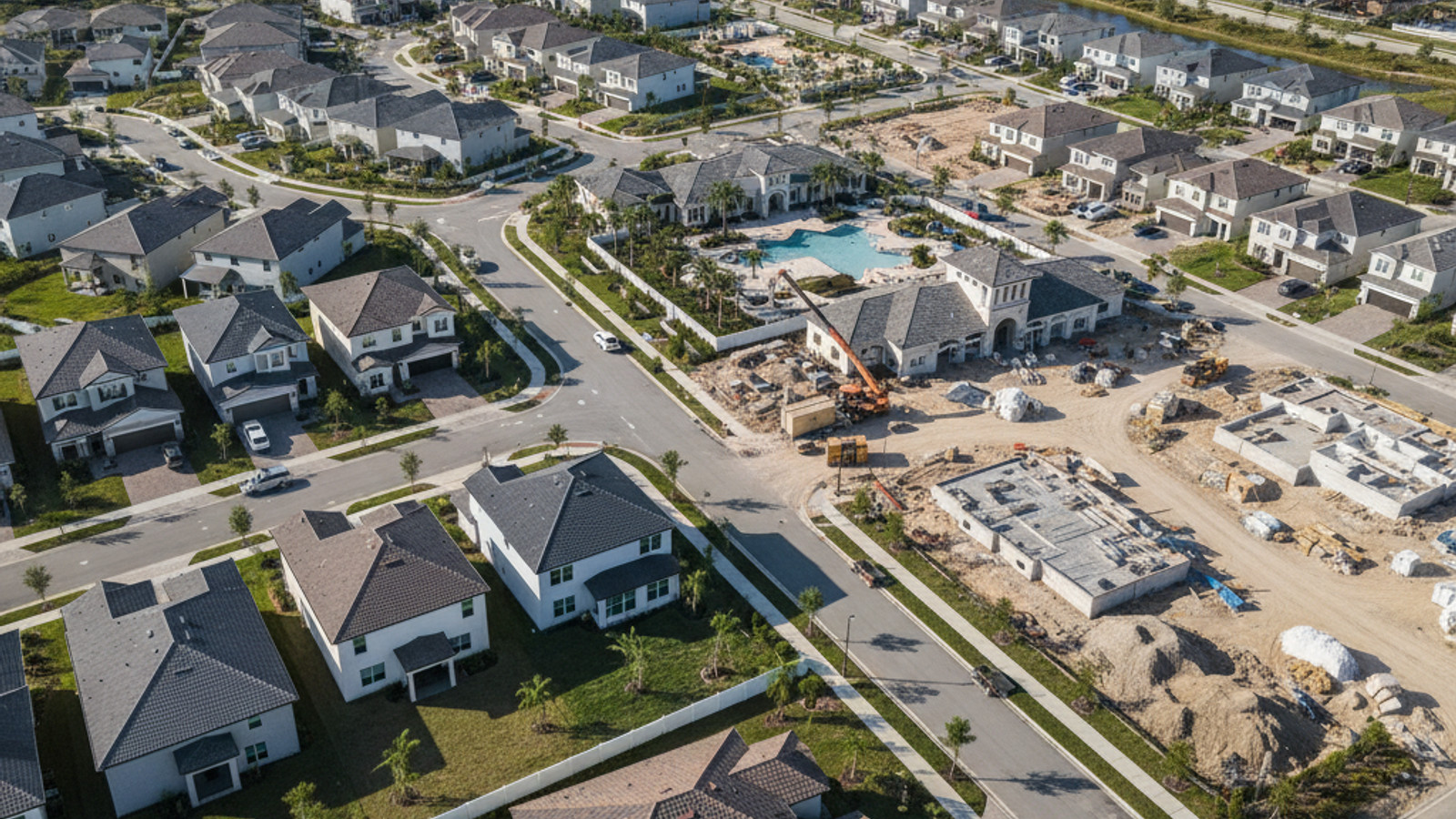
The primary difference between these two specific subdivisions lies in their current construction status. While earlier phases like Valencia Cay and Valencia Walk are fully established, Valencia Parc serves as the fourth phase of Riverland and remains under active construction today. This means buyers face a choice between the resale market and the builder's current lot inventory.

Valencia Grove is the best choice for buyers needing an immediate move-in without dealing with construction delays. Conversely, Valencia Parc is the logical option for those who want to select modern finishes and specific lot placements for a new build.

Valencia Grove Property Types and Current Prices

Valencia Grove was constructed between 2019 and 2022, meaning GL Homes is entirely sold out of new construction in this phase. Buyers interested in this specific neighborhood must browse the resale market for single-family homes. These existing properties offer the distinct advantage of mature landscaping and completed streetscapes.

The neighborhood features several distinct floor plan options across the Premier, Regal, Signature, Vintage, and Crown collections. Current pricing for these resale homes generally ranges from the mid-$500,000s up to over $1,000,000 for premium lakefront lots. This wide price range reflects the varying square footages and the extensive custom upgrades previous owners installed.

Valencia Parc Floor Plans and Construction Timelines

As the fourth phase of Riverland, Valencia Parc currently offers active new construction opportunities directly from the builder. This phase introduces attached Club Villas, such as the popular Bismarck floor plan, alongside traditional single-family homes. These villas provide a lower-maintenance alternative for buyers who want to downsize their footprint.

Pricing in this developing section starts in the approximate mid-$340,000s for attached villas and extends into the mid-$850,000s for larger homes. Buyers should consult the builder directly for current completion timelines when contracting a new build. Material availability and permitting can shift, so securing a firm timeline is an important step in the buying process.


Comparing HOA Fees and Included Services

Understanding the homeowner association dues is a crucial part of evaluating any property in Port St. Lucie. Both of these neighborhoods operate under the broader Riverland master association. This ensures a consistent standard of maintenance and aesthetic appeal across the entire 4,000-acre development.

Residents in both subdivisions pay approximate HOA fees of $427 per month. This assessment covers a comprehensive suite of exterior maintenance and security services. The dues ensure the community retains its pristine appearance without requiring residents to spend their weekends managing yard work.

The flat $427 fee provides substantial value given the massive scale of exterior maintenance included. Buyers often find this comprehensive coverage offsets other typical homeownership costs.

  • Full lawn care and landscaping maintenance

  • Complete irrigation system upkeep

  • Manned gated security at neighborhood entrances

  • Funding for the master-planned amenities and greenways


Riverland Wellness and Recreation Amenities

Regardless of which neighborhood you choose, all residents gain access to the incredible shared amenities within the Riverland master plan. GL Homes built these facilities to rival luxury resort clubhouses. The sheer scale of these recreation centers sets the community apart from other developments on the Treasure Coast.

The centerpiece is the 51,000-square-foot Wellness & Fitness Center. This massive facility features both indoor and outdoor pools, alongside state-of-the-art workout equipment. Residents also enjoy the 5-acre Arts & Culture Center, which houses an 11,550-square-foot Creativity Hub for classes and social events.

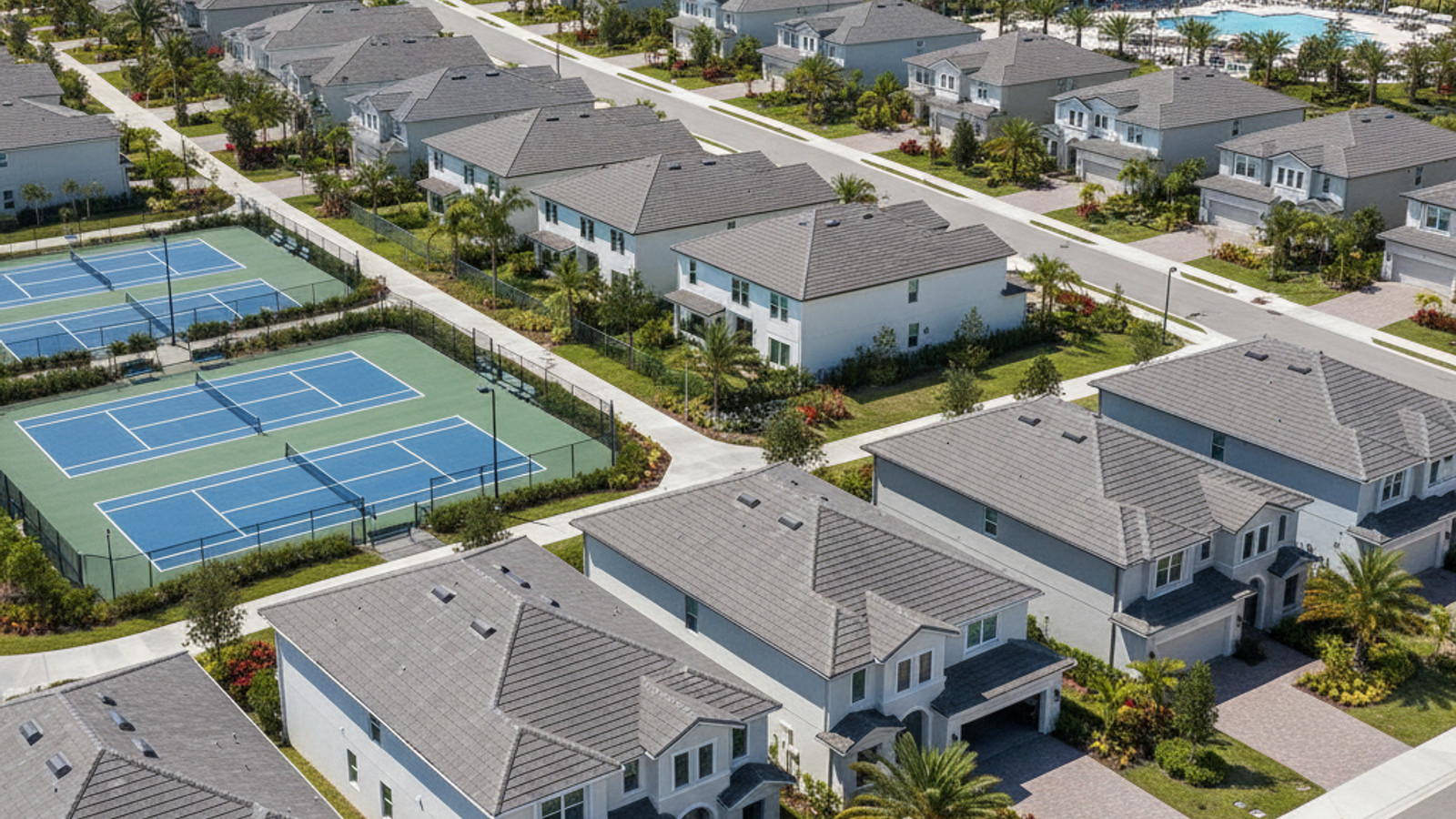
Outdoor recreation is equally impressive at the 16-acre Sports & Racquet Club. This complex includes 37 dedicated pickleball courts and multiple tennis courts. Miles of traffic-free Paseo Greenways connect these amenities, allowing residents to navigate the entire community by golf cart or bicycle.


Local Points of Interest in Port St. Lucie

Beyond the community gates, Port St. Lucie provides robust infrastructure and convenient access to daily necessities. The area has grown significantly, bringing major healthcare providers and retail centers closer to residential developments. Buyers appreciate having urban conveniences just a short drive from their quiet neighborhoods.

Healthcare access is a major priority, and the Cleveland Clinic Tradition Hospital sits just minutes away. Residents also enjoy a short driving distance to major shopping centers, retail corridors, and dining options along the coast. A nearby Town Center anchored by Publix makes routine grocery runs incredibly convenient.

Living in Riverland means enjoying secluded amenities without sacrificing fast access to Port St. Lucie's essential commercial hubs. Immediate access to Interstate 95 further streamlines travel for visiting guests or weekend trips across Florida.


Frequently Asked Questions

How much are the HOA fees at Valencia Parc at Riverland?

The homeowner association fees are approximately $427 per month. This covers manned gated security, full lawn care, irrigation maintenance, and access to the master-planned amenities.

Is Valencia Grove at Riverland sold out?

Yes, the developer completely sold out of new construction in this phase between 2019 and 2022. Buyers must look to the resale market to purchase a home in this specific subdivision.

What are the main differences between Valencia Grove and Valencia Parc?

The primary difference is the construction status and property availability. The older phase offers established resale homes ready for immediate move-in, while the newer phase provides active new construction options starting in the mid-$340,000s.
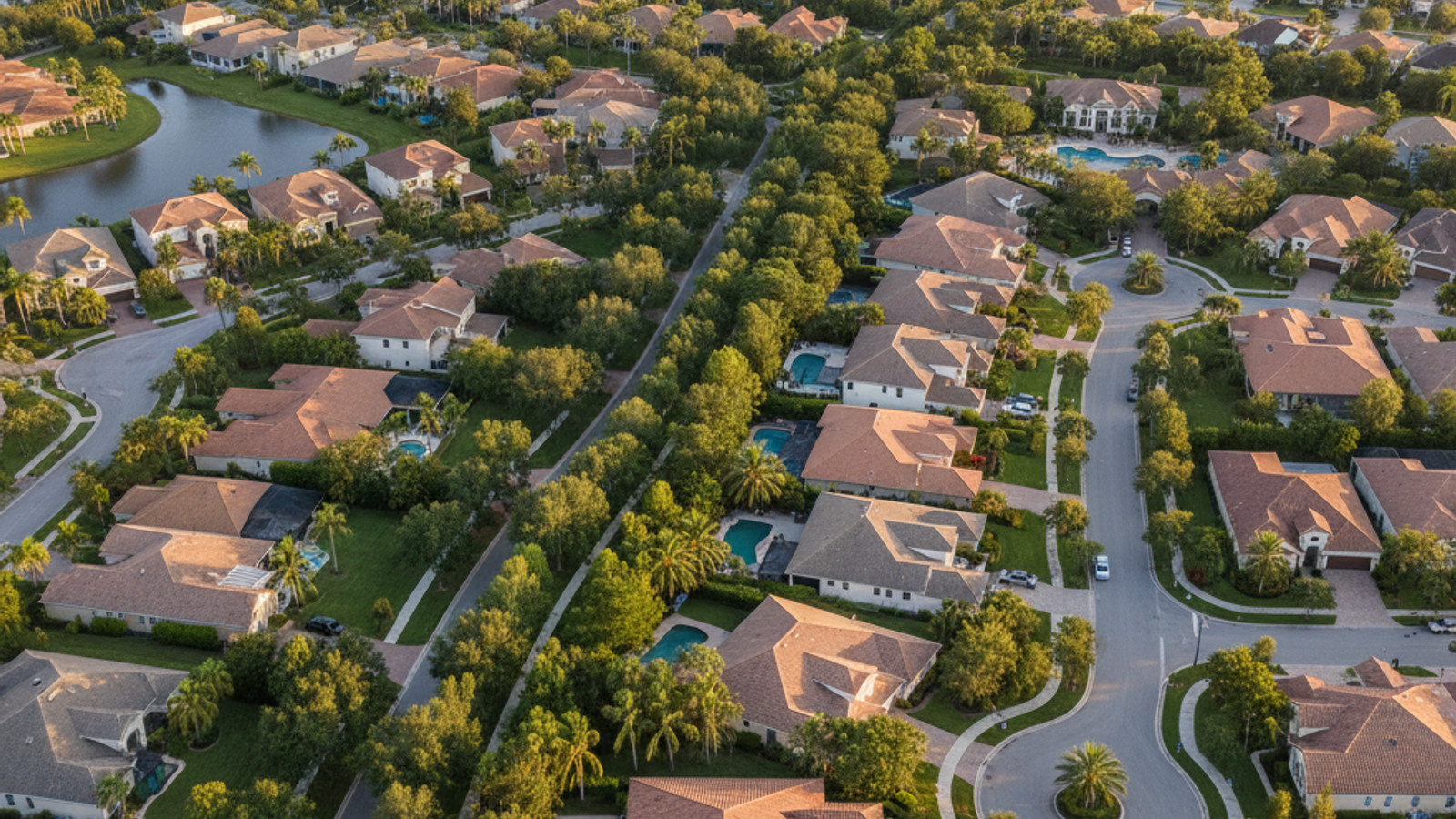
May 20, 2026

Navigating the 55+ Market: Valencia Grove vs Valencia Walk Riverland FL in 2026


Choosing the right home in Port St. Lucie often comes down to comparing the established phases with the newest releases. The Riverland master-planned community has completely reshaped the local 55+ real estate landscape, bringing massive resort-style facilities to the Treasure Coast. Buyers looking at this area consistently find themselves weighing the differences between two specific sections.

Understanding the nuances between these neighborhoods is essential for making a sound financial decision in 2026. While both sections share access to the same spectacular master-plan amenities, their real estate markets operate quite differently. The choice ultimately depends on your timeline, your appetite for new construction, and your specific floor plan preferences.


Comparing Floor Plans: Valencia Grove vs. Valencia Walk

Both of these neighborhoods feature homes built by GL Homes, utilizing the same five core design collections. Buyers can choose from the Premier, Regal, Signature, Vintage, and Crown series, providing a wide variety of architectural styles. The square footage across these collections ranges from an efficient 1,348 to over 3,400 square feet.

These specific collections dictate not only the interior footprint but also the lot size and placement within the community. The Premier and Regal collections generally sit on smaller, lower-maintenance lots. Meanwhile, the Vintage and Crown series demand wider homesites to accommodate three-car garages and expansive outdoor living areas.

The primary difference between the two sections in 2026 is the build status of the available properties. Valencia Grove is fully established, meaning buyers will be navigating the resale market to secure a home in this phase. In contrast, Valencia Walk currently offers new construction opportunities, including both quick move-in homes and dirt-build contracts.

When evaluating the physical homes, you will notice consistent quality and modern building standards across both phases. Standard builder upgrades frequently found in both sections include impact-resistant glass for hurricane protection and upgraded polyaspartic garage floor finishes. These modern construction standards provide significant peace of mind for seasonal and full-time residents alike.

The clear takeaway for buyers is that your purchase timeline will likely dictate which neighborhood works best. Choosing Walk gives you customization control and brand-new appliances, while Grove offers the certainty of a mature, finished streetscape. Buyers who want to lock in a specific lot premium often lean toward the new construction options.


Shared Riverland Amenities for All Residents

One of the biggest selling points for both neighborhoods is the completely integrated amenity structure. Residents do not have to rely on their car to get around, thanks to the impressive Paseo Greenway system. This traffic-free network of wide, paved trails allows homeowners to navigate the entire master plan safely using their personal golf carts.

Because both neighborhoods are part of the same overarching development, residents enjoy equal access to all completed and future facilities. This setup ensures that your property value is supported by an incredible scale of infrastructure that a smaller, standalone neighborhood simply could not sustain. The sheer volume of available activities requires a full-time lifestyle director to manage the daily calendar.

The scale of the facilities is truly impressive when compared to older developments on the Treasure Coast. The core amenities accessible to both Grove and Walk residents include:

  • A 51,000-square-foot Wellness & Fitness Center featuring state-of-the-art exercise equipment, group classes, and both indoor and outdoor pools.

  • A massive 16-acre Sports & Racquet Club that serves as the competitive hub, boasting more than 50 pickleball courts alongside tennis and bocce facilities.

  • The 5-acre Arts & Culture Center, which provides dedicated studio spaces for resident creatives and lifelong learning programs.

  • The highly anticipated Riverland Town Center, designed to bring essential retail and commercial services directly to the community edges.

Having these resort-style amenities accessible by golf cart fundamentally changes the daily routine for residents. You can easily spend the morning playing pickleball and the afternoon taking a specialized art class without ever starting your car. This seamless connectivity is exactly what drives the high demand for homes in this specific Port St. Lucie zip code.


2026 Home Prices and HOA Fee Breakdown

Financial planning for a home purchase here requires a clear understanding of both the upfront costs and the ongoing monthly obligations. In 2026, home prices across both neighborhoods generally range from the low $400,000s to over $1,050,000. The final purchase price depends heavily on the specific collection, the lot premium, and the level of interior upgrades.

Monthly homeowner association dues are a critical factor to verify during your property search. These HOA fees currently range between $408 and $467 per month, depending on the specific neighborhood phase and the size of your lot. It is highly recommended to review the specific HOA disclosures for any property before making an offer.

These monthly fees provide significant value by covering services that would otherwise cost homeowners far more to source independently. The dues cover comprehensive lawn care, exterior common area maintenance, and staffed security services at the community gates. This setup is designed to provide a truly low-maintenance lifestyle for residents who want to spend their time enjoying the amenities.

It is also important to account for the Community Development District fees that are standard across the Riverland master plan. These CDD fees help fund the massive infrastructure, road networks, and resort-style amenities that define the community. These assessments are typically rolled into your annual St. Lucie County property tax bill rather than being paid directly to the HOA.

From a financial strategy perspective, buyers must weigh the differences between purchasing new versus resale. Buying a resale property in Grove might offer more room for price negotiation depending on the seller's motivation. Conversely, new builds in Walk come with fixed builder pricing but frequently offer compelling closing cost incentives.


Port St. Lucie Geography and Local Commute Times

Location is a massive driver of real estate value, and these neighborhoods sit in a highly strategic section of St. Lucie County. The community is positioned just west of Interstate 95, making regional travel incredibly straightforward for residents. You can reach the I-95 on-ramps in about 6 minutes, while Florida's Turnpike is roughly a 20-minute drive away.

Daily convenience is another major factor supporting property values in this rapidly expanding section of Port St. Lucie. Essential shopping is located within two miles of the community gates, including a nearby Publix, Target, and Bass Pro Shops. This proximity means you spend less time running errands and more time enjoying the local lifestyle.

Access to quality healthcare is consistently a top priority for buyers evaluating the South Florida real estate market. The highly regarded Cleveland Clinic Tradition Hospital is located just minutes away, providing excellent specialized medical care. Having a major hospital system so close adds a layer of long-term stability to the local housing market.

For leisure days outside the neighborhood, residents have fantastic access to the natural beauty of the East Coast. The beautiful Atlantic coast beaches of Jensen Beach and Hutchinson Island are an easy drive to the east. You can easily spend a morning at the beach and be back home to enjoy the community pools by the afternoon.

The strategic placement of this community ensures that residents are insulated from heavy city traffic while remaining closely connected to modern conveniences. This balance of a private, master-planned bubble with immediate highway access is hard to replicate elsewhere. It remains one of the strongest arguments for investing in this specific corridor of Port St. Lucie.


Frequently Asked Questions

Which Riverland community currently offers new construction?

Valencia Walk is the primary destination for buyers looking to build a new home or purchase a quick move-in property directly from GL Homes in 2026. Valencia Grove is fully built out, meaning available inventory there consists entirely of resale homes. Choosing Walk allows you to select your lot and finishes, while Grove offers a faster closing timeline.

What do the HOA fees cover in Valencia Grove and Valencia Walk?

The monthly dues, which range from $408 to $467, provide a highly maintenance-free lifestyle. These fees cover your individual lawn care, common area landscape maintenance, staffed gate security, and full access to the master-planned amenities. This comprehensive coverage ensures the streetscapes remain pristine year-round.

Are there CDD fees in Riverland?

Yes, both neighborhoods are subject to Community Development District fees. These annual assessments are collected alongside your standard county property taxes to pay for the community's extensive infrastructure. The CDD structure is a highly standard funding mechanism for large-scale developments across Florida.

May 20, 2026

Valencia Cay vs Valencia Parc Riverland FL: Comparing the Communities in 2026


Port St. Lucie continues to draw buyers looking for extensive amenities and modern home designs within the massive Riverland master-planned community. Navigating the options here requires understanding the distinct timelines and offerings of its individual neighborhoods.

Choosing between Valencia Cay and Valencia Parc comes down to a decision between an established resale property and a brand-new build. Both neighborhoods grant access to the same impressive regional facilities, but their internal streetscapes and pricing structures differ significantly in 2026.


Valencia Cay vs. Valencia Parc: Riverland Communities Compared

The expansive Riverland master plan spans approximately 4,000 acres in St. Lucie County, FL. This massive footprint is divided into distinct neighborhoods, each developed in sequential phases by the builder.

Valencia Cay represents the completed, established first phase of the development. Buyers looking at this neighborhood will find immediate move-in opportunities with mature landscaping and finished streetscapes.

On the other end of the timeline, Valencia Parc stands as the newest phase actively under construction in 2026. This section offers brand-new inventory, modern floor plans, and the ability to select fresh finishes directly from the builder.

The clear takeaway for buyers is that timeline dictates location. Those who need to move immediately will naturally gravitate toward the established Cay, while buyers with flexible timelines can secure the latest designs in Parc.


Comparing Floor Plans, Square Footage, and Current Prices

Housing styles and sizes vary noticeably between the initial construction phases and the newest releases. Evaluating these differences helps buyers align their physical space requirements with their financial parameters.

Valencia Cay features a highly active resale market of single-family homes ranging from approximately 1,300 to over 3,000 square feet. Prices in this established neighborhood span from the $400,000s to over $900,000, heavily influenced by post-construction upgrades like custom pools and extended patios.

Valencia Parc introduces the attached Club Villas Collection, which includes the Bismarck and Areca plans, alongside traditional single-family homes. Pricing here starts in the $340,000s for the villas and extends into the $800,000s for larger, premium single-family layouts.

The attached villas in Parc provide a highly attractive, lower-maintenance entry point that simply does not exist in the earlier phases. Buyers seeking maximum square footage for their dollar will generally find better values in the Cay resale market.


HOA Fees and Neighborhood-Specific Amenities

Understanding the monthly carrying costs is a critical step when evaluating properties in a master-planned development. The homeowner association dues provide substantial value through comprehensive property maintenance and dedicated security.

HOA fees for both neighborhoods generally fall between $400 and $500 per month as of 2026. These monthly dues cover full lawn care, landscaping maintenance, irrigation systems, and 24/7 manned gated security entrances.

Beyond exterior maintenance, each individual neighborhood features its own exclusive 34,000 to 35,000-square-foot clubhouse. These private facilities are equipped with resort-style pools, fitness centers, and social halls reserved strictly for the residents of that specific gate.

Because the monthly fees are nearly identical across the development, buyers do not have to compromise on budget when choosing between the two. The primary difference is simply the age of the private clubhouse facilities.


World-Class Shared Amenities at Riverland

The true draw of this St. Lucie County destination is the sheer scale of the recreational facilities shared across all neighborhoods. These master amenities are designed to support a highly active daily routine without requiring residents to leave the gates.

The Paseo Greenway serves as the central nervous system of the 4,000-acre community. This network features miles of traffic-free pathways built specifically for walking, jogging, and electric golf carts.

Sports enthusiasts have access to a 16-acre Sports and Racquet Club featuring over 37 pickleball courts, tennis courts, and bocce courts. This complex also houses a massive 51,000-square-foot Wellness and Fitness Center equipped with state-of-the-art training gear and indoor pools.

A dedicated 5-acre Arts and Culture Center provides an 11,550-square-foot Creativity Hub for culinary classes and artistic programming. This heavy investment in cultural infrastructure elevates the community far beyond standard Florida golf developments.


Navigating the Port St. Lucie Location

Geographic positioning plays a major role in daily convenience for residents on the Treasure Coast. The community is situated in Port St. Lucie, offering streamlined access to Interstate 95 for quick regional travel.

Healthcare access is a major priority, and the highly rated Cleveland Clinic Tradition Hospital is located just minutes outside the community gates. This proximity provides significant peace of mind for residents managing ongoing medical needs or routine care.

Daily errands are highly convenient thanks to the commercial centers in Tradition and the newly integrated Publix at Riverland. Residents can easily navigate to grocery stores, pharmacies, and dining options using their personal golf carts.

Accessing the Atlantic Coast beaches on Hutchinson Island requires approximately a 30-minute drive eastward through Fort Pierce or Jensen Beach. This inland location is a worthwhile tradeoff for buyers who prioritize massive community amenities over immediate beachfront access.


Frequently Asked Questions About Riverland Communities

What is the main difference between Valencia Cay and Valencia Parc?

The primary difference is their stage of development within the master-planned community. Valencia Cay is a fully established neighborhood offering immediate resale homes, while Valencia Parc is the newest phase under construction in 2026. Buyers in Parc can purchase brand-new inventory and select modern finishes directly from the builder.

Do the HOA fees cover lawn care in Riverland?

Yes, the homeowner association dues comprehensively cover exterior grounds maintenance. The approximate $400 to $500 monthly fee includes full lawn care, landscaping, and irrigation maintenance. This structure allows residents to enjoy a low-maintenance lifestyle without managing individual yard work.

Are golf carts allowed in Riverland communities?

Golf carts are heavily integrated into the daily transportation network across the 4,000-acre development. The community features the Paseo Greenway, which provides miles of dedicated, traffic-free pathways specifically for carts, pedestrians, and cyclists. Residents can easily drive their carts directly from their driveways to the shared amenities or nearby commercial centers.

May 20, 2026

Valencia Cay vs Valencia Walk Riverland FL: 2026 Buyer's Guide to 55+ Living


Choosing the right 55+ active adult neighborhood often comes down to balancing established charm with modern construction. Buyers looking at property in Port St. Lucie frequently find themselves weighing Valencia Cay vs Valencia Walk Riverland FL. Both subdivisions sit inside an expansive master-planned development that has completely transformed the Treasure Coast real estate market.

Navigating the current 2026 inventory requires understanding the subtle differences between these two distinct phases. While they share access to the same world-class amenities, their individual timelines and available floor plans cater to slightly different buyer needs. Evaluating the specific benefits of each neighborhood helps ensure you make a confident investment.


Valencia Cay vs. Valencia Walk: An Overview of Riverland’s Premier Communities

The Riverland development is a massive 4,000-acre master-planned community located in the heart of Port St. Lucie, FL. Built by GL Homes, this sprawling project features multiple distinct neighborhoods designed exclusively for 55+ active adult living. Residents across all phases enjoy golf cart access to an incredible network of shared recreational spaces.

Valencia Cay represents the original, foundational phase of the development. Constructed between 2018 and 2022, this neighborhood features 1,071 homes surrounded by mature, fully grown landscaping. The established streetscapes give the area a settled, highly manicured feel that appeals to buyers who want immediate neighborhood stability.

In contrast, Valencia Walk serves as the third phase of the master plan, with construction starting in 2021 and continuing into the present. This section includes over 700 homes and introduces slightly more modern architectural trends to the community. Buyers leaning toward newer construction often gravitate toward this phase for its updated design options.


Neighborhood Layouts, Floor Plans, and Lot Sizes

Both neighborhoods utilize the highly popular single-family home designs that GL Homes is known for across Florida. Buyers can choose from various layouts within the Vintage, Signature, and Crown collections. These floor plans range from approximately 1,300 square feet to over 3,400 square feet of air-conditioned living space.

Because Valencia Walk was developed slightly later, it features updated exterior elevations and newer interior finish packages compared to the original Cay designs. You will often find more contemporary cabinet styles and modernized tile selections in the newer builds. However, both communities consistently feature high-end standard inclusions like impact-resistant glass and premium granite countertops.

Lot positioning plays a massive role in property values across both subdivisions. Buyers frequently compete for premium waterfront lake views or private nature preserve lots. Additionally, the inclusion of gas range appliances in many kitchens remains a major selling point for culinary enthusiasts in both neighborhoods.

Current Real Estate Differences: Home Prices and Availability

The 2026 real estate landscape for these two neighborhoods looks quite different depending on your timeline. Valencia Cay is completely sold out of new construction, making it an entirely resale-driven market. Buyers here purchase from existing owners, which allows for immediate move-in dates without construction delays.

Valencia Walk offers a more varied inventory, featuring a mix of recent resales and any remaining newer builds. This flexibility is excellent for buyers willing to wait for a specific lot or those who want to select their own finishing touches. Current property prices across both communities range from the low $400,000s up to over $1,000,000 for larger luxury models.

The real value decision comes down to how you prefer to spend your budget. Purchasing a highly upgraded resale in Cay often means getting custom window treatments, custom closets, and aftermarket lighting included in the list price. Conversely, buying in Walk means paying the base price plus lot premiums, but you get the advantage of brand-new systems and warranties.


Breaking Down the HOA Fees and Property Taxes

Understanding the carrying costs is a critical step when evaluating any Florida property. Both communities operate under a homeowners association that manages the extensive grounds and shared facilities. Currently, the estimated monthly HOA fees for both neighborhoods range from approximately $427 to $467.

These assessments provide a substantial amount of value and predictable maintenance for residents. The monthly payment covers several essential services that make a lock-and-leave lifestyle possible.

  • Full lawn care, landscaping, and irrigation maintenance.

  • 24-hour manned gated security at the neighborhood entrances.

  • Upkeep of all common areas, lakes, and shared community spaces.

A massive financial benefit for buyers is that neither community charges Community Development District (CDD) fees. This $0 CDD fee structure keeps annual tax bills significantly lower than many competing master-planned developments. Buyers should still budget for standard St. Lucie County property taxes, which will be reassessed based on the final purchase price.


Individual Clubhouses vs. Shared Riverland Amenities

Each neighborhood within the master plan features its own dedicated social hub for immediate residents. The Valencia Cay clubhouse spans an impressive 34,000 square feet, offering resort-style swimming, card rooms, and social spaces. The Valencia Walk clubhouse is slightly larger at 37,000 square feet, providing similar high-end facilities with a slightly modernized layout.

Beyond the individual neighborhood gates lies the true draw of the community. The entire development is connected by the Paseo Greenway, a traffic-free, multi-use path. This expansive trail system is specifically designed for golf carts, walking, and biking, allowing residents to navigate the property without ever getting in a car.

The shared amenities are anchored by a massive 16-acre Sports & Racquet Club. This facility features 37 pickleball courts and 8 tennis courts, catering to the incredible demand for paddle sports. Additionally, residents have full access to a 50,000-square-foot Wellness & Fitness Center equipped with state-of-the-art machines and an indoor pool.

The lifestyle offerings extend well beyond physical fitness. A dedicated 5-acre Arts & Culture Center provides spaces for cooking classes, art studios, and continued education. Whether you prefer the quiet outdoor pools or the bustling social calendar, the amenity package here is tough to beat.


Port St. Lucie Location Benefits

The geographic location of this master plan offers distinct advantages for daily convenience and regional travel. The community sits just six minutes from I-95, making road trips up and down the coast incredibly straightforward. This easy highway access is a major selling point for residents who frequently travel or host visiting guests.

Healthcare access is another crucial factor driving demand in this specific zip code. Residents live just a short distance from the world-class medical care provided at Cleveland Clinic Tradition Hospital. Having top-tier emergency and specialized medical services just outside the neighborhood gates provides incredible peace of mind.

Daily errands and entertainment are easily handled at nearby Tradition Square. This local commercial hub features extensive shopping, dining, and retail options. For broader travel, Palm Beach International Airport and the beautiful Treasure Coast beaches are roughly 45 to 50 minutes away.


Frequently Asked Questions

What are the differences between Valencia Cay, Valencia Grove, and Valencia Walk at Riverland?

The primary differences come down to chronological phasing and subtle design updates. Valencia Cay was the first phase developed, followed by Valencia Grove as the second, and Valencia Walk as the third.

While the core floor plans remain largely similar across all three, the newer phases feature updated exterior styling. Valencia Walk also offers more modern interior finish options compared to the earlier builds in Cay and Grove.

How much are the HOA fees at Valencia Walk and Valencia Cay?

In 2026, the monthly HOA fees for both communities average between $427 and $467. This amount is highly competitive given the sheer scale of the amenities provided.

The monthly fee covers comprehensive lawn maintenance, manned security gates, and full access to the multi-million-dollar Riverland amenities. Residents effectively pay one predictable fee for both property upkeep and resort-style recreation.

Do Valencia Cay and Valencia Walk have CDD fees?

No, neither community charges a Community Development District fee. This is a massive financial advantage for buyers relocating from other parts of FL where CDD fees are common.

The $0 CDD fee structure helps keep your annual carrying costs manageable. You only pay your standard county property taxes and the monthly HOA dues.

How many homes are in Valencia Walk?

Valencia Walk is planned to include over 700 single-family homes upon completion. This makes it a substantial neighborhood, though slightly smaller than the original phase.

For context, Valencia Cay contains 1,071 homes. Both neighborhoods are large enough to support vibrant social calendars while maintaining a cohesive community feel.

May 20, 2026

Navigating Valencia Cay vs. Valencia Grove Riverland, FL: What Buyers Need to Know in 2026


Port St. Lucie's real estate landscape offers incredible options for 55+ buyers, and the 4,000-acre Riverland master-planned community sits at the top of that list. Developed by GL Homes, this massive project has completely reshaped the local market by combining resort-style living with highly accessible Florida locations.

When evaluating the established neighborhoods here, the comparison often comes down to Valencia Cay vs. Valencia Grove in Riverland, FL. The first two completed phases of this massive development offer fantastic resale opportunities with immediate access to world-class facilities. Understanding the nuanced differences between these two sections will help you choose the right base for your Treasure Coast lifestyle.


Exploring Valencia Cay and Valencia Grove in Riverland

Valencia Cay and Valencia Grove stand as the foundational neighborhoods of the expansive Riverland footprint. Both of these 55+ enclaves feature beautiful single-family homes, dedicated neighborhood clubhouses, and pristine streetscapes. Because they were the first sections completed, buyers looking here in 2026 will find fully operational communities rather than active construction zones.

The defining feature that ties these two neighborhoods together is the Paseo Greenway. The traffic-free, golf cart-friendly pathway network weaves through the entire development, connecting residents directly to the shared master amenities. Choosing between the Cay and the Grove often comes down to your preference for neighborhood maturity versus slightly newer construction finishes.

The Riverland Lifestyle: Shared Master-Planned Amenities

Regardless of which neighborhood you choose, you gain access to Riverland's massive shared facilities. The 16-acre Sports & Racquet Club serves as a major hub for physical activity, featuring dozens of courts for pickleball, tennis, and bocce. Just a short golf cart ride away, the 51,000 square-foot Wellness & Fitness Center provides indoor and outdoor pools, specialized workout equipment, and daily group fitness classes.

For creative pursuits, the 5-acre Arts & Culture Center houses a dedicated Creativity Hub offering continuous resident enrichment programs. Having these monumental facilities fully complete and accessible adds massive value to homes in both Valencia Cay and Valencia Grove.


Home Collections, Floorplans, and Current Price Ranges

Both communities feature contemporary Florida architecture with open, single-story floor plans designed specifically for active adult living. Buyers will find popular layouts from the builder's Vintage Collection and other series, ranging from cozy 1,300 square-foot villas to expansive single-family homes exceeding 3,000 square feet. Most properties include premium standard features like impact-resistant glass, gourmet kitchens, and large covered lanais for outdoor living.

Inside these homes, buyers will consistently find high-end finishes that reflect modern preferences. Standard builder upgrades during these early phases often included oversized quartz kitchen islands, continuous porcelain tile flooring, and gas appliances. These premium touches make the resale properties highly competitive on the open market.

As of 2026, the market in both neighborhoods is driven entirely by resales, giving buyers the distinct advantage of immediate move-in availability. Current home prices typically start in the mid $400,000s for smaller footprints and can reach up to approximately $1,050,000 for premium lots with extensive upgrades. Because Valencia Grove was built slightly later, its resale values occasionally command a slight premium over comparable homes in Valencia Cay.

The clear takeaway for buyers is that both sections offer excellent value compared to brand-new construction phases, which often require long wait times. Purchasing a resale in either the Cay or the Grove allows you to bypass the construction dust and immediately start enjoying your new home.


HOA Fees and Property Maintenance Services

Understanding the carrying costs is a critical step when comparing any of the master-planned communities in South Florida. Both Valencia Cay and Valencia Grove operate under comprehensive homeowner associations that manage the extensive neighborhood infrastructure. These fees ensure that the pristine aesthetic of the community is maintained year-round without requiring heavy physical labor from the property owners.

One of the most significant financial advantages of buying in these specific Riverland sections is the complete absence of Community Development District fees. Avoiding CDD fees can save homeowners thousands of dollars annually compared to other large-scale developments in FL. The monthly HOA dues cover a robust package of services designed for a low-maintenance lifestyle, including the following benefits:

  • Full lawn care, landscaping maintenance, and irrigation system upkeep for every individual property.

  • 24-hour manned gated security at the main neighborhood entrances.

  • Exclusive access to the individual 34,000 square-foot neighborhood clubhouses and pools.

  • Maintenance of the Paseo Greenway and access to all shared Riverland master amenities.

In 2026, the average monthly HOA fees for Valencia Cay typically hover around $400 to $427. Valencia Grove fees run slightly higher, generally ranging between $408 and $455 per month. This slight cost difference reflects the separate association budgets but delivers identical maintenance standards across both neighborhoods.


Construction Phases and Neighborhood Maturity

The primary distinction between these two neighborhoods lies in their construction timelines and resulting maturity. Valencia Cay served as the inaugural neighborhood for the Riverland project, with homes built roughly between 2019 and 2021. Walking through the Cay today, you will notice fully mature landscaping, established tree canopies, and deeply settled streetscapes.

Valencia Grove followed as the second phase, with construction starting around 2021. Properties in The Grove feature slightly newer construction and occasionally include modernized builder standard upgrades that were introduced later in the development cycle. The trade-off is simply a matter of preference: the Cay offers immediate neighborhood stability and lush greenery, while the Grove provides homes with slightly fewer years of wear.

The exterior aesthetic of both phases relies heavily on Mediterranean and transitional coastal designs. Concrete barrel tile roofs, paver driveways, and carefully manicured tropical shrubs define the street views in both areas. Because the Cay has had a few extra years to grow, its palm trees and privacy hedges are noticeably taller and fuller.

Both neighborhoods also feature their own dedicated 34,000 square-foot clubhouses, complete with social halls, resort-style pools, and card rooms. This means you never have to leave your immediate enclave for basic daily socializing, regardless of whether you choose the older or newer phase.


Proximity to Port St. Lucie Amenities and Infrastructure

Riverland occupies a highly strategic location in Port St. Lucie, positioned just south of the massive Tradition master-planned area. This placement gives residents of both Valencia Cay and Valencia Grove immediate access to Tradition Square. The square serves as a major local hub, offering a wide variety of retail shopping, grocery stores, and excellent dining options.

The highly regarded Cleveland Clinic Tradition Hospital is located just minutes from the neighborhood gates. Having world-class medical specialists and emergency care so close to home provides immense peace of mind for property owners.

Beyond the immediate neighborhood gates, Port St. Lucie offers incredible recreational opportunities for active adults. The famous PGA Village is located just a short drive away, providing access to championship golf courses without requiring a mandatory country club membership. This allows residents to enjoy premium golf facilities on their own terms while keeping their primary association fees low.

Regional connectivity is another strong selling point for this area of St. Lucie County. Interstate 95 is about six minutes away, and the Florida Turnpike is equally accessible, making travel across the Treasure Coast incredibly easy. Plus, the pristine local beaches of the Atlantic coast are just a straightforward drive eastward.


Frequently Asked Questions

What are the main differences between Valencia Cay and Valencia Grove?

The primary differences lie in their construction timelines and slight variations in monthly HOA dues. Valencia Cay was built first, offering mature landscaping, while Valencia Grove followed with slightly newer homes. Both provide the exact same access to the massive Riverland shared amenities.

Are there still new construction homes available in Valencia Cay or Valencia Grove?

As of 2026, both of these foundational neighborhoods have completed their primary builder phases. The market for both communities is now driven by resales, which allows buyers to move in immediately. If you want brand-new construction, you would need to look at the newer, ongoing phases deeper within Riverland.

How much are the HOA fees at Valencia at Riverland?

Monthly fees vary slightly depending on the specific neighborhood phase. In 2026, Valencia Cay fees average $400 to $427, while Valencia Grove ranges from $408 to $455. These fees cover comprehensive lawn maintenance, gated security, and access to all clubhouses and amenities.

Do Valencia Cay and Valencia Grove have CDD fees?

No, neither of these specific Valencia communities carries a Community Development District fee. This is a major financial advantage for buyers when comparing properties across FL. Avoiding CDD fees keeps your annual tax bill significantly lower than in many competing master-planned developments.

May 20, 2026

Choosing Between Riverland vs Hobe Sound FL: A 2026 Real Estate Guide


Buyers exploring the Treasure Coast often find themselves weighing two distinct lifestyles. The decision frequently comes down to comparing the structured, resort-style environment of a master-planned community against the organic, established charm of a coastal town. Both options offer compelling reasons to call Florida home, but they cater to very different daily routines and preferences.

In 2026, the local market presents a clear contrast between inland new construction and mature coastal properties. Choosing between Riverland in Port St. Lucie and the town of Hobe Sound means deciding what matters most for your daily life. Understanding the specific differences in property types, carrying costs, and geographic advantages will help you make a confident investment.


Master-Planned Amenities vs. Established Coastal Neighborhoods

Riverland is a sprawling 4,000-acre master-planned development designed around connectivity and recreation. The community is anchored by the Paseo Greenway, a network of car-free paths that allows residents to navigate the entire area by golf cart or bicycle. This infrastructure connects neighborhoods directly to major hubs like the 16-acre Sports & Racquet Club and the 5-acre Arts & Culture Center.

Hobe Sound offers a starkly different environment defined by its natural geography and mature coastal setting. Rather than engineered amenity centers, the town is anchored by Jonathan Dickinson State Park and direct access to the Atlantic Ocean. The layout here grew organically over decades, resulting in a mix of historic charm, open public spaces, and shaded canopy roads.

The choice here is between a curated, gated oasis and an integrated coastal town. Riverland delivers a highly predictable, self-contained lifestyle where modern amenities are just a golf cart ride away. Hobe Sound appeals to buyers who prefer a classic Florida environment heavily integrated with natural waterways and state parks.


Real Estate Market Trends and Property Types in 2026

The 2026 housing market across the Treasure Coast highlights distinct pricing tiers for new construction versus established waterfront proximity. Riverland median prices roughly range from $415,000 to $525,000, reflecting the premium placed on modern building codes and community infrastructure. Prices here rose steadily through last year, and that trajectory has continued as the master plan expands.

Hobe Sound presents a wider variance in pricing, heavily influenced by how close a property sits to the water. Median home prices in Hobe Sound sit roughly between $480,000 and $667,000 in 2026. Buyers here are often paying for land value, mature lots, and geographic location rather than newly built community clubhouses.

Riverland Port St. Lucie: Valencia New Construction

The 55+ Valencia neighborhoods within Riverland feature single-story, single-family home designs built by GL Homes. These properties are constructed to current Miami-Dade hurricane codes, featuring concrete tile roofs and impact-resistant windows. Buyers appreciate the modern wind-mitigation features that provide peace of mind during the Florida storm season.

Floorplans in the Valencia sections range from approximately 1,300 to over 3,000 square feet. Price points stretch from the $400,000s up to over $1,000,000 depending on the specific lot premium and model selected. The focus here is heavily on resort-style footprints with open living spaces and covered lanais.

Hobe Sound FL: Waterfront Estates and Townhouses

Hobe Sound provides a much broader architectural diversity compared to a master-planned development. The market includes sprawling waterfront estates with private docks directly on the Indian River Lagoon. These premium properties offer immediate boating access to the Intracoastal Waterway and the ocean.

Inland from the water, the town features a mix of older single-family homes and low-maintenance townhouses. These established neighborhoods benefit from mature landscaping and dense tree canopies that new developments take decades to achieve. Buyers who prefer unique architectural styles over uniform streetscapes generally gravitate toward this market.


Cost of Living Comparison: Taxes and HOA Fees

Carrying costs often serve as the deciding factor when comparing Port St. Lucie properties to those in Martin County. St. Lucie County, where Riverland is located, carries a higher average millage rate of approximately 1.7%. Martin County, home to Hobe Sound, features a relatively lower effective tax rate of roughly 0.97%.

Homeowners association dues create another significant divergence in monthly expenses. Valencia Riverland HOA fees range from $401 to $497 per month in 2026. These dues cover extensive services, including comprehensive lawn care, maintenance of the gated security, and access to the massive community amenity centers.

Hobe Sound properties typically operate with entirely different fee structures. Many of the established neighborhoods have no HOA at all, or they feature minimal voluntary civic association dues. While this keeps fixed monthly costs lower, buyers must account for out-of-pocket expenses for their own landscaping and recreational memberships.


Commute Times, Healthcare, and Local Geography

Location efficiency plays a major role in daily convenience for Treasure Coast residents. Both areas offer straightforward access to major transit hubs, though the drive times vary based on their geographic placement. Understanding these objective distances helps buyers map out their routine travel.

Healthcare access is a priority for many buyers evaluating these two locations. Riverland benefits from close proximity to top-tier medical facilities, notably the Cleveland Clinic Tradition Hospital just a short drive away. Hobe Sound residents enjoy immediate geographical access to excellent regional hospitals in neighboring Jupiter and Stuart.

When evaluating local geography and transit, buyers should consider these approximate travel metrics:

  • Riverland to West Palm Beach International Airport requires about 45 minutes of driving time.

  • Hobe Sound provides rapid access to neighboring Jupiter, typically taking under 15 minutes.

  • Riverland connects quickly to Interstate 95, streamlining travel up and down the coast.

Distance to Beaches and Objective Recreational Features

Coastal proximity is the most obvious geographical difference between the two locations. Riverland is situated inland, meaning residents face a 20 to 30-minute drive to reach the nearest coastal stretches on Hutchinson Island. Hobe Sound offers direct coastal access, with Bridge Road leading straight to the pristine sands of Hobe Sound Public Beach.

Golf and recreation options also differ in structure and accessibility. Riverland residents frequently utilize nearby public courses like PGA Village in Port St. Lucie. Hobe Sound features a dense concentration of highly regarded private golf clubs, alongside the extensive hiking and kayaking opportunities within the state park system.


Frequently Asked Questions

What are the amenities and HOA fees associated with Riverland Port St. Lucie?

Riverland features a 16-acre Sports & Racquet Club, a 5-acre Arts & Culture Center, and extensive golf-cart pathways. In 2026, the HOA fees in the Valencia neighborhoods range from $401 to $497 per month. These fees cover gated security, lawn maintenance, and full access to the master-planned facilities.

How far is Riverland Port St. Lucie from the beach?

Riverland is located inland within Port St. Lucie, requiring a 20 to 30-minute drive to reach the nearest public beaches on Hutchinson Island. The route is straightforward, primarily utilizing major local thoroughfares to reach the coast. Residents often plan day trips rather than quick beach visits due to the distance.

Is Hobe Sound, FL a good place to live?

Hobe Sound offers a tranquil, nature-centric lifestyle with excellent access to the Atlantic Ocean and the Indian River Lagoon. The town features lower county taxes compared to neighboring areas and provides a rich mix of historic charm and outdoor recreation. Residents benefit from immediate proximity to larger hubs like Jupiter and Stuart while maintaining a quieter local environment.

What are the communities and homes available near Hobe Sound, FL?

The local market includes waterfront estates with private docks, established single-family homes under mature tree canopies, and low-maintenance townhouses. Median home prices range roughly from $480,000 to $667,000 in 2026. Many of these neighborhoods operate without the restrictions or monthly costs of a formal homeowners association.

May 20, 2026

Comparing Riverland vs Fort Pierce FL: 2026 Real Estate Guide


St. Lucie County offers two distinct paths for property buyers looking at the 2026 housing market. On one side, the massive master-planned developments of Port St. Lucie provide highly structured, amenity-rich environments. On the other side, neighboring coastal cities offer established, historic neighborhoods with direct access to the Atlantic Ocean.

Choosing between Riverland vs Fort Pierce FL comes down to prioritizing either engineered community convenience or organic coastal infrastructure. Buyers must weigh the predictability of new construction and homeowner associations against the varied property types and public marine access found along the Treasure Coast. This guide breaks down the current prices, property styles, and local infrastructure defining both locations this year.


2026 Housing Market Trends and Property Types

The 2026 market dynamics across St. Lucie County highlight a sharp contrast between highly structured developments and historic coastal areas. Fort Pierce maintains a diverse housing stock with a median home price hovering around $335,000 in early 2026. This established market relies heavily on location, with property values shifting dramatically based on proximity to the Indian River Lagoon and public beaches.

In contrast, the master-planned environment of Riverland operates within a tighter, more predictable pricing tier. Median sale prices in this Port St. Lucie development range from $415,000 to over $525,000 depending on the specific subdivision. From an investment perspective, the strictly controlled supply and uniform standards of a master-planned development often yield steady, predictable appreciation compared to the highly variable coastal market.

Riverland New Construction and HOA Fees

Riverland is dominated by new construction built by GL Homes, featuring attached villas starting in the $340,000s and single-family estates exceeding $1,000,000. Many of the Valencia subdivisions within the 4,000-acre footprint operate as verified 55+ active adult communities. These specific neighborhoods require at least one resident to meet the age requirement, ensuring access to tailored recreational programming.

The extensive infrastructure requires mandatory association dues to maintain the standard of living. Riverland HOA fees currently range from approximately $368 to $467 per month in 2026. These monthly payments cover manned security gates, comprehensive lawn maintenance, and access to the sprawling community amenities.

Fort Pierce Historic Homes and Waterfront Properties

Buyers looking outside of strict association rules often turn to the established neighborhoods of Fort Pierce. Inland single-family homes typically run between $300,000 and $500,000, offering traditional housing stock without mandatory homeowner association fees. This allows property owners more flexibility regarding exterior modifications and landscaping choices.

The eastern edge of the city presents an entirely different real estate tier focused on water access. Condos and single-family properties with inlet views or locations on Hutchinson Island routinely push over $800,000. The price per square foot in these coastal zones reflects the premium placed on immediate access to the Atlantic Ocean and deep-water docks.


Comparing Local Amenities and Recreational Facilities

Amenity preferences heavily dictate the choice between a master-planned community and a historic city setting. Riverland provides a private, resort-style living experience where recreation is engineered directly into the neighborhood footprint. Residents pay for exclusive access to high-density facilities right outside their front door.

Fort Pierce relies on organic, established city infrastructure and public natural resources. The city leverages its geographic location to offer marine-based recreation that cannot be replicated inland. Buyers prioritizing structured, high-density recreation will find better value in a master plan, while those seeking natural coastal exploration will favor the historic city limits.

Riverland Paseo Greenway and Sports Clubs

The 4,000-acre master plan of Riverland centers around keeping residents active and connected without needing a car. A major feature is the traffic-free Paseo Greenway, which links the various subdivisions.

  • An extensive golf cart path network connects homes directly to the commercial and recreational hubs.

  • The 16-acre Sports & Racquet Club features dozens of pickleball and tennis courts.

  • A 51,000-square-foot Wellness & Fitness Center provides comprehensive exercise equipment and health programs.

  • The Arts & Culture Center and multiple swimming pools are reserved exclusively for residents.

Fort Pierce City Marina and Public Beaches

Fort Pierce offers a lifestyle centered entirely around public coastal access and the local marine ecosystem. The downtown district has seen significant waterfront revitalization, blending restored architecture with commercial expansion.

  • The city marina provides immediate access to the Indian River Lagoon and deep-water ocean inlets.

  • Fort Pierce Inlet State Park offers extensive outdoor recreation, including surfing and fishing.

  • Hutchinson Island features miles of public beaches along the Atlantic Ocean.

  • Waterfront dining and local shops line the historic downtown streets.


Local Infrastructure, Highway Access, and Health Care

Daily necessities and regional travel differ significantly between a self-contained community and a coastal transit hub. Riverland residents enjoy immediate access to Interstate 95, making north-to-south commuter routes highly efficient. Fort Pierce properties span from the highway corridor all the way to the coast, meaning beachside residents face a longer drive to reach major interstates.

Medical infrastructure is robust in both locations, though centered around different primary facilities. Riverland benefits from close proximity to the Cleveland Clinic Tradition Hospital, which anchors the medical services in that specific Port St. Lucie corridor. Fort Pierce is primarily served by Lawnwood Regional Medical Center, a facility equipped to handle complex trauma and specialized care.

For buyers who travel frequently or commute daily, the western location of Riverland near Interstate 95 offers superior logistical advantages. However, those who prioritize walking to local shops or boating will find the coastal infrastructure of Fort Pierce much more practical. Both locations provide ample access to Florida's Turnpike, ensuring easy transit to airports in South Florida or Orlando.


Frequently Asked Questions

Is Riverland FL a 55+ community or a general neighborhood?

Riverland contains multiple Valencia subdivisions that operate as verified 55+ active adult communities. These specific neighborhoods require at least one resident to meet the age requirement. Other sections of the broader master plan may have different guidelines, but the primary focus remains on active adult living.

What are the average HOA fees in Riverland FL?

The HOA fees in Riverland range from approximately $368 to $467 per month in 2026. These mandatory association dues cover comprehensive lawn maintenance, manned security gates, and access to the extensive community amenities. The exact cost depends on the specific subdivision and property type.

What is the distance from Riverland in Port St. Lucie to the Fort Pierce beaches?

The drive from the western edge of Port St. Lucie to the coastal beaches typically takes 35 to 45 minutes depending on seasonal traffic. Residents must travel east across St. Lucie County to reach Hutchinson Island or the Fort Pierce Inlet. This distance is a key consideration for buyers wanting daily access to the Atlantic Ocean.

Does Fort Pierce have homeowner association fees?

Many of the historic and established neighborhoods in Fort Pierce do not have mandatory homeowner association fees. Inland single-family homes generally operate without an HOA, giving owners more freedom over their properties. However, modern condo buildings and newer gated enclaves near the water will require monthly association dues.

May 20, 2026

Moving to the Treasure Coast: Riverland vs. Palm City, FL in 2026


The Treasure Coast offers distinct choices for buyers evaluating relocation options across different counties. Navigating these choices requires understanding how zoning, amenities, and daily logistics impact your long-term investment.

Port St. Lucie and Martin County represent two entirely different approaches to Florida living. You can contrast the rapid new construction growth and golf-cart accessibility of Riverland with the mature, relaxed, boat-centric environment of Palm City. Both areas attract out-of-state buyers, but they cater to very different daily routines.

The 2026 property tax revaluations have also shifted how buyers calculate their long-term carrying costs in both counties. Understanding these subtle municipal differences is crucial before signing a purchase contract.

Making the right choice comes down to prioritizing your preferred community structure. Choose Riverland for built-in social programming and resort amenities within a gated environment. Alternatively, choose Palm City for larger acreage, deep-water boating access, and neighborhoods with open zoning.


2026 Real Estate Market & Property Types

The 2026 real estate landscape along the Treasure Coast provides a high-level overview of how housing inventory differs drastically between these two locations. Current 2026 inventory levels are providing buyers with more negotiating power compared to the severe shortages seen in previous years. Builders and individual sellers alike are offering more flexible terms to secure qualified buyers.

This market shift highlights the stark difference in architectural styles across the region. You will find a sharp contrast between modern developer floor plans in master-planned hubs and the diverse, custom-built estates of established waterfront towns. The overall cooling of days on market in 2026 has shifted the landscape slightly toward buyers, allowing for more deliberate property inspections.

Riverland: New Construction in a 55+ Master-Planned Community

The Valencia neighborhoods, including Valencia Walk and Valencia Parc, offer extensive new construction single-family homes. These developments operate under strict 55+ age-restricted zoning, creating a highly tailored environment for active adults. Buyers can select from multiple floor plans featuring impact glass, modern energy efficiency and open-concept living spaces.

Median price ranges for Riverland homes in early 2026 span from the mid-$400,000s to over $600,000 depending on lot premium and interior upgrades. These properties provide a high degree of lock-and-leave convenience, which is highly valued by seasonal residents. Standardized construction quality ensures that homes meet the latest Florida building codes for wind resistance.

The community layout prioritizes pedestrian safety, utilizing an expansive network of dedicated pathways separated from main vehicle roads. This infrastructure allows residents to safely walk or cycle to the various amenity centers year-round.

Palm City: Waterfront Estates, Golf Communities, and Acreage

Palm City presents a much wider variety of homes, including St. Lucie River waterfront estates, low-rise condos, and non-HOA acreage properties. Prominent golf and country club communities like Martin Downs and Harbour Ridge offer structured environments, while areas like Farms at Pipers Landing provide massive lots. This diversity allows buyers to find properties that accommodate RV parking or private boat docks.

Pricing in this area reflects the wide spread of lot sizes and water access rights. In April 2026, median list prices in Palm City hover around $640,000 to $830,000. Closed sale medians often fall between $430,000 and $613,000 based on the specific subdivision and its proximity to the ocean.

Many of the older subdivisions feature mature oak canopies and lush, established landscaping that new developments simply cannot replicate. Buyers looking for unique architectural character often find Palm City highly appealing compared to uniform builder tracts.


Comparing HOA Fees, Taxes, and Cost of Living

Comparing the standardized HOA structure in Riverland to the highly variable HOA environment in Palm City is critical for budget planning. Riverland HOA fees are generally $400 to $500 per month, which remains highly competitive for the region. These monthly dues cover comprehensive lawn care, security personnel, and maintenance of the extensive recreational facilities.

A major financial advantage for Riverland residents is the absence of CDD (Community Development District) fees. This lack of hidden infrastructure taxes keeps the annual carrying costs predictable for buyers on fixed incomes. St. Lucie County property taxes are applied on top of these fees, requiring buyers to calculate their total monthly exposure.

Palm City offers a completely different financial model, ranging from $0 HOA zones to mandatory equity country clubs. Monthly assessments here can range from absolutely nothing to over $600, not including the high joining fees required at premium golf clubs. Martin County generally features slightly lower property tax millage rates than St. Lucie County, which can offset some ownership costs.

Insurance premiums in 2026 also play a major role in the overall cost of living for both locations. Newer construction in Port St. Lucie often benefits from lower windstorm insurance rates due to updated building codes. Conversely, older waterfront homes in Palm City may carry higher flood insurance premiums depending on their exact elevation.

Riverland provides a much more predictable monthly budget for buyers who want an all-inclusive lifestyle. Palm City offers the ultimate financial flexibility for buyers who prefer to manage their own property maintenance and avoid association rules entirely. Understanding these fee structures is an important step in evaluating your 2026 purchasing power.


Amenities and Outdoor Recreation Compared

Setting up a contrast between private, developer-built resort amenities and public, nature-based recreational infrastructure is essential. Buyers must decide if they prefer a curated community experience or broader regional access to natural waterways. The daily lifestyle in these two areas revolves around entirely different types of recreation.

Riverland relies heavily on internal master-planning to keep everything within a simple golf-cart ride. Palm City relies on its direct proximity to the St. Lucie River and the expansive Martin County parks system for outdoor engagement. Both approaches offer rich recreational opportunities, but the delivery methods are fundamentally opposed.

Riverland's Paseo Park, Pickleball, and Master-Planned Green Spaces

The 12-acre Riverland Paseo Park serves as a central gathering space, featuring a 2-acre dog park, lighted softball and soccer fields, and pedestrian greenways. This massive 4,000-acre development also includes a 24-acre Sports & Racquet Club equipped with 37 pickleball courts. Dedicated lifestyle directors maintain a packed schedule of tournaments, fitness classes, and social clubs.

Residents benefit from a 51,000 square-foot Wellness & Fitness Center and a 5-acre Arts & Culture Center offering continuous educational programming. The Riverland Town Center anchors the commercial side of the community, offering a golf-cart accessible Publix and everyday retail conveniences. The self-contained design means residents rarely need to start their cars for daily errands.

The community's dedicated lifestyle directors maintain a packed schedule of tournaments, fitness classes, and social clubs. This robust programming ensures that new residents can easily integrate into the community and build local networks.

Palm City's Golf Courses, Public Parks, and Boat Ramps

Leighton Park stands out as a local favorite, noted for its St. Lucie River boat ramps, fishing pier, and public picnic facilities. Palm City residents also enjoy access to top-tier public and private golf courses like Hammock Creek and Piper's Landing. The waterfront culture here means weekends are often spent navigating the local sandbars or heading toward the St. Lucie Inlet.

The western portions of Palm City feature extensive equestrian trails and close proximity to natural preserves. The nearby Treasure Coast Wildlife Center highlights the region's commitment to maintaining its natural Florida landscape and protecting local habitats. This area provides a much more organic, nature-driven lifestyle compared to master-planned environments.

Local marinas provide dry storage and fueling services, making boat ownership highly convenient even for those without private docks. The surrounding waterways offer world-class fishing opportunities that draw anglers from across the state.


Commuting, Highway Access, and Medical Facilities

Assessing Riverland's immediate proximity to I-95 and Cleveland Clinic Tradition Hospital reveals a highly efficient logistical setup. This master-planned hub sits directly off the interstate in Port St. Lucie, making regional travel and medical visits incredibly simple. The concentration of commercial plazas near the highway ensures that specialized healthcare is always just minutes away.

Palm City occupies a strategic position near both the Florida Turnpike and I-95, offering fast, parallel routes down to West Palm Beach. Driving times to Palm Beach International Airport generally hover around 40 to 45 minutes from most Palm City neighborhoods. This makes the area highly appealing for professionals who commute south or residents who travel frequently.

Local traffic patterns dictate the daily rhythm of navigating both Martin and St. Lucie counties. Port St. Lucie experiences heavier peak-hour congestion near its main commercial centers due to rapid population growth. Palm City maintains a slightly lower traffic volume, though the bridges connecting it to Stuart can back up during seasonal peaks.

Public transportation options remain limited in both areas, making personal vehicles or golf carts essential for daily life. However, the nearby Brightline station in West Palm Beach offers a high-speed rail connection down to Miami for weekend trips.

Riverland is the superior choice for buyers needing immediate, walkable access to specialized medical care and master-planned retail. Palm City wins for frequent travellers commuting south to Palm Beach County or those seeking a quieter, less congested road network. Evaluating your weekly driving habits will quickly reveal which location better serves your needs.


Frequently Asked Questions

Is it cheaper to live in Port St. Lucie or Palm City?

Port St. Lucie is generally more affordable than Palm City when comparing median home prices and property taxes. In 2026, closed sale medians in Palm City frequently exceed $600,000, while Port St. Lucie offers a wider inventory of homes in the $400,000 range. However, master-planned communities like Riverland carry mandatory HOA fees that offset some of those base price savings.

What are the pros and cons of living in Port St. Lucie vs. Palm City?

Port St. Lucie offers extensive new construction and highly amenitized HOA communities, but it can feel heavily developed with more traffic. Palm City provides larger lots, waterfront access, and freedom from association rules, though it lacks the expansive, golf-cart accessible commercial centers found up north. Buyers must weigh built-in convenience against zoning flexibility.

Does Palm City have a downtown area like Riverland's Town Center?

Palm City does not have a centralized, master-planned commercial hub like the Riverland Town Center. Instead, it features established strip centers, local waterfront restaurants, and standalone grocery stores spread along Martin Highway and Mapp Road. Residents looking for a traditional downtown experience typically drive a few minutes east to historic Stuart.

May 20, 2026

Riverland vs Jensen Beach FL: Comparing Treasure Coast Real Estate in 2026


Buyers looking at Florida's Treasure Coast often find themselves weighing two distinct lifestyles. The choice usually comes down to the heavily amenitized inland communities of Port St. Lucie or the established coastal towns directly on the water.

Comparing Riverland vs Jensen Beach FL highlights this exact decision for many 2026 buyers. You have to decide if a brand-new master-planned community structure outweighs the immediate access to natural waterways and historic downtown charm. Both areas offer compelling real estate options, but they cater to completely different daily routines.


Riverland vs. Jensen Beach: Location and Infrastructure Overview

The fundamental difference between these two locations starts with their geographic layout and road networks. Riverland sits inland within Port St. Lucie and features a highly planned, golf-cart-accessible grid. This massive 55+ development is designed for internal connectivity, allowing residents to navigate miles of pathways without ever entering a main highway.

In contrast, Jensen Beach grew organically along the Indian River and the Atlantic coast. The roads here wind around natural waterways, historic districts, and the causeway leading over to Hutchinson Island. You will not find the same master-planned grid, but you do get immediate proximity to the water and public beaches.

Commute and transit access also differ significantly between the two areas. Riverland is located approximately six minutes from I-95, making regional travel incredibly efficient. Driving from Riverland to the coastal center of Jensen Beach typically takes 25 to 35 minutes depending on seasonal traffic patterns.


Property Types and 2026 Real Estate Prices

Housing inventory in these two markets looks completely different in 2026. Riverland is dominated by GL Homes, featuring specific 55+ collections like Valencia Parc, Valencia Walk, and resale properties in Valencia Cay and Valencia Grove. The focus here is entirely on new or recently built single-family homes and attached villas.

Prices in Riverland span a wide range based on the specific community and lot size. As of early 2026, properties in neighborhoods like Valencia Parc generally start in the mid $340,000s and can reach well over $800,000 for larger floor plans. Buyers pay a premium for modern construction standards and integrated smart home technology.

The Jensen Beach real estate market offers a much wider variety of architectural styles and property ages. Buyers can find historic 1950s cottages, high-rise waterfront condos, and traditional single-family homes in established subdivisions. The early 2026 median home price in Jensen Beach sits at approximately $420,000 to $424,000.

The clear takeaway for buyers is that Jensen Beach provides more diverse property choices, while Riverland delivers a uniform standard of modern construction. If you want a historic cottage or a condo with ocean views, Jensen Beach is the practical option.


HOA Structures and Community Guidelines

Monthly holding costs and community rules are major deciding factors for Treasure Coast buyers. Riverland operates under a strict homeowners association framework designed to maintain a uniform aesthetic. HOA fees in Riverland generally range from $400 to $500 per month, with neighborhoods like Valencia Parc and Valencia Walk averaging around $408 to $467 monthly.

These fees cover extensive community services, including guarded security gates, landscaping, and exterior maintenance. A massive financial benefit for Port St. Lucie buyers is that Riverland does not charge Community Development District fees. The absence of CDD fees keeps annual property tax bills noticeably lower than in similar master-planned developments across FL.

Jensen Beach presents a completely different regulatory environment for property owners. Many traditional neighborhoods and historic streets have zero or minimal HOA fees. This lack of restriction offers tremendous flexibility for owners who want to store boats, park RVs, or paint their homes without seeking committee approval.

Buyers must weigh the convenience of guaranteed maintenance against the freedom of property use. Riverland manages the landscaping and exterior upkeep for you, creating a hands-off ownership experience. Jensen Beach requires more personal property management but removes the oversight of an association board.


Amenities and Recreation on the Treasure Coast

The recreational lifestyle in Riverland revolves around massive, privately maintained facilities built directly into the community. The development features 34,000-square-foot clubhouses, extensive fitness centers, and the Paseo greenways for walking and biking. Residents never have to leave the neighborhood to access resort-style pools or social events.

The crown jewel of the community is the 14-acre Sports and Racquet Club. This massive athletic complex includes exactly 37 pickleball courts, 8 tennis courts, and 4 bocce courts. It is designed specifically to handle high-volume resident use without extensive wait times.

Jensen Beach counters with incredible natural and public amenities focused on the water. Residents spend their weekends at public beach access points on Hutchinson Island or visiting the expansive Indian Riverside Park. The downtown area also provides a walkable district filled with local dining and entertainment.

Water access is the primary draw for the coastal lifestyle in Martin County. Jensen Beach features multiple local marinas, public boat launches, and direct access to both the ocean and the Indian River. If your ideal weekend involves offshore fishing or boating, the coastal town is the obvious choice.


Healthcare, Shopping, and Daily Conveniences

Access to daily necessities and medical care is excellent in both locations, though the delivery models differ. Riverland benefits from the rapid commercial expansion happening in the Tradition area of Port St. Lucie. The community features internally accessible retail centers, including a newly opened Publix that residents can reach via golf cart.

Healthcare access is a major selling point for the inland master-planned footprint. The Cleveland Clinic Tradition Hospital is located on SW Innovation Way, just minutes from the Riverland gates. This provides residents with immediate access to a major regional medical center and surrounding specialist offices.

Jensen Beach offers a more traditional commercial layout spread along main county arteries. The area is home to the Treasure Coast Square mall, which serves as a major retail hub for the surrounding towns. Downtown Jensen Beach also provides a distinct boutique shopping experience that you will not find in new-construction strip centers.

The master-planned commercial zones near Riverland feel highly structured and modern. In contrast, the commercial strips of Martin County feel more organic and established. Both offer everything a buyer needs, but the driving experience between stores is distinctly different.


Frequently Asked Questions

How long is the commute from Riverland to local beaches?

The drive from the inland Riverland community to the coastal beaches typically takes 25 to 35 minutes. The route generally follows major local arteries eastward from Port St. Lucie directly into Martin County. Drive times can fluctuate depending on the season and time of day, particularly during the busy winter months.

Do properties in Jensen Beach have mandatory HOA fees?

The HOA landscape in Jensen Beach varies significantly depending on the property type. Traditional single-family homes and older historic cottages generally do not have mandatory homeowners associations. However, waterfront condos and newer gated communities within the town limits will carry varying monthly HOA dues.

Are there CDD fees in Riverland's Valencia communities?

A Community Development District fee is an assessment used to fund infrastructure in new developments. Fortunately for buyers, GL Homes' Riverland communities do not charge CDD fees. This structural financial benefit saves homeowners thousands of dollars on their annual property tax bills compared to other Florida master-planned developments.

May 20, 2026

Riverland vs Stuart FL: Comparing Treasure Coast Real Estate in 2026


South Florida's Treasure Coast offers incredible variety for homebuyers looking to secure their piece of the Sunshine State. The choice often comes down to deciding between the highly amenitized environment of a modern, master-planned development and the organic charm of an established coastal town.

Comparing Riverland vs Stuart FL highlights this exact decision, as both areas represent distinct ways to experience the region. Buyers must weigh the benefits of a massive, self-contained 55-plus community against the traditional, waterfront municipality of Stuart. Understanding these fundamental differences is essential for making a confident real estate investment this year.


Lifestyle Clash: Master-Planned vs. Historic Waterfront

Riverland is a massive 4,000-acre master-planned community located in Port St. Lucie, designed specifically for active 55-plus living. The entire development is built around a golf-cart-friendly network that connects residential neighborhoods directly to centralized amenities, shopping, and recreation. This creates a highly structured, resort-style environment where almost every daily need is met within the community gates.

In stark contrast, Stuart operates as a traditional municipality with deep historic roots and organic growth patterns. Known as the Sailfish Capital of the World, the town centers around a walkable downtown district filled with local restaurants, boutique shops, and a public waterfront boardwalk. Buyers who prioritize a highly structured, amenity-rich daily routine tend to favor Riverland, while those seeking a classic, integrated coastal town experience generally prefer Stuart.

Property Types and Housing Markets

The housing stock in Riverland consists exclusively of new construction single-family homes built by GL Homes. Buyers currently explore collections like Valencia Walk and Valencia Parc, which feature modern floor plans, impact glass, and contemporary finishes. Base prices in these neighborhoods range from the mid $300,000s up to over $900,000, depending on the lot size and structural upgrades.

Stuart offers a much more diverse real estate landscape that spans several decades of construction. The market includes historic downtown properties, mid-century established subdivisions, and waterfront condominiums along the St. Lucie River. The median home list price in Stuart currently sits around $497,000, though luxury waterfront estates routinely command multi-million dollar valuations.


Amenities vs. Waterfront Recreation

The recreational focus in Riverland centers entirely on exclusive, private amenities designed for residents. The community features a massive 16-acre Sports & Racquet Club equipped with dozens of pickleball courts, tennis facilities, and a dedicated fitness center. Residents also have access to the 14-mile Paseo Greenway, a car-free pathway perfect for walking, cycling, or taking a golf cart between the various amenity centers.

Stuart's recreational appeal leans heavily on natural, public access to the water and traditional outdoor activities. The town sits at the intersection of the St. Lucie River and the Indian River Lagoon, providing exceptional opportunities for offshore fishing, boating, and paddleboarding. Deciding between the two locations usually comes down to whether you prefer private, structured club facilities or open access to public waterways and boat ramps.

Distances and Daily Commuting

Daily logistics vary significantly between these two locations, especially concerning highway access and coastal proximity. Understanding these commute times is crucial for buyers who plan to travel frequently or want quick access to specific services. Here is a breakdown of the typical travel times and distances you can expect:

  • Town to Town: Riverland is located in Port St. Lucie, approximately 15 to 20 miles from downtown Stuart, which translates to a 25 to 30-minute drive.

  • Healthcare Access: Stuart features immediate access to the Cleveland Clinic Martin Health facilities right near downtown, while Riverland residents utilize the expanding medical corridors in St. Lucie County.

  • Beach Proximity: Stuart residents are typically within a 10 to 15-minute drive of Stuart Beach or Jensen Beach, whereas Riverland residents should plan for a 30 to 40-minute drive to the nearest Atlantic coastline.

  • Highway Travel: Riverland offers excellent proximity to Interstate 95 and the Florida Turnpike, making regional travel to West Palm Beach or Orlando exceptionally convenient.


Financials: HOAs, CDDs, and Property Taxes

The financial realities of purchasing a home extend well beyond the initial purchase price, especially when comparing different counties on the Treasure Coast. St. Lucie County, where Riverland is located, historically maintains higher property tax millage rates compared to neighboring Martin County. Stuart residents benefit from Martin County's effective tax rate, which averages around 0.70%, providing some long-term savings on annual tax bills.

Homeowner association fees represent another major financial distinction between the two areas. Riverland HOA fees currently average between $368 and $467 per month, depending on the specific neighborhood pod. These fees are comprehensive, covering community-wide security, extensive amenity maintenance, and individual lawn care, which creates a low-maintenance lifestyle for homeowners.

Notably, GL Homes built Riverland without imposing Community Development District fees, a major financial advantage compared to other master-planned developments in Port St. Lucie. In contrast, older subdivisions in Stuart often feature much lower monthly HOA dues, sometimes under $100 per month. However, Stuart buyers must budget separately for their own exterior maintenance, landscaping, and private recreational memberships.


Frequently Asked Questions

Are property taxes higher in St. Lucie County or Martin County?

Property taxes are generally higher in St. Lucie County compared to Martin County. St. Lucie consistently ranks among the higher millage rates in the state, which affects the total annual tax bill for homes in Port St. Lucie. Martin County maintains a lower effective tax rate, offering an advantage for buyers focused heavily on long-term carrying costs.

Do homes in Riverland Port St. Lucie have CDD fees?

No, homes in the Riverland master-planned community do not carry Community Development District fees. This is a significant financial benefit, as many competing new construction developments in Florida utilize CDD bonds to fund infrastructure. Buyers only need to account for their standard property taxes and monthly HOA dues.

How far is Riverland from the beach compared to Stuart?

Stuart offers much closer beach access, with local spots like Stuart Beach located just 10 to 15 minutes from the downtown area. Riverland is situated further inland in Port St. Lucie, requiring a 30 to 40-minute drive to reach the nearest Atlantic beaches. Buyers who want to visit the ocean daily typically find Stuart's geography more convenient.

Is it cheaper to live in Port St. Lucie or Stuart, Florida?

Port St. Lucie generally offers a lower median home price, making the initial purchase more accessible for many buyers. However, Stuart benefits from lower county property taxes and frequently lower HOA fees in established neighborhoods. Your total cost of living will depend heavily on whether you choose a highly amenitized new build or an older property requiring separate upkeep.