


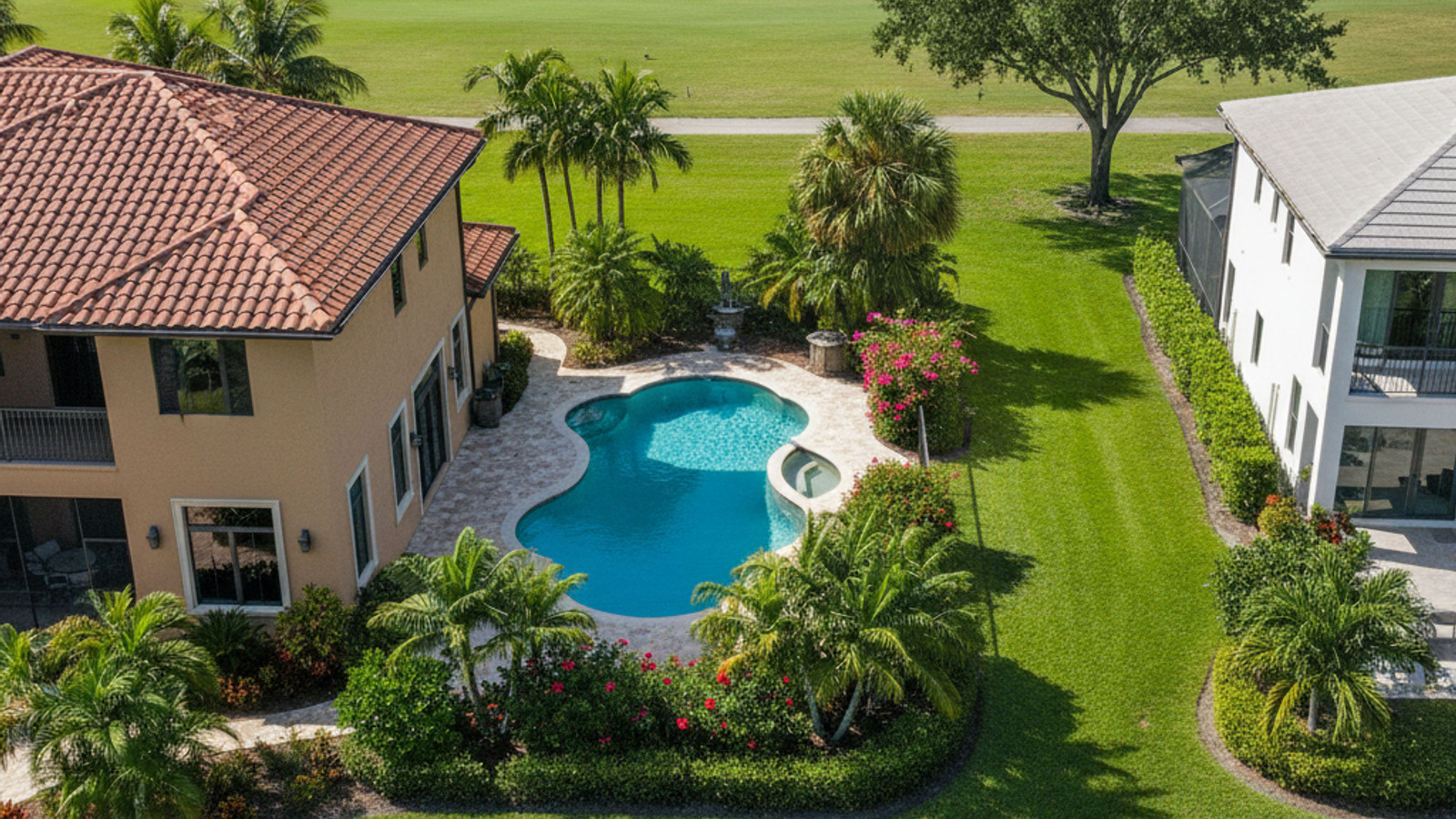
The PGA Village Dye Course in Port St. Lucie, FL offers a distinctive golf experience surrounded by diverse real estate options. Buyers looking at properties here find a mix of attached villas and single-family estates integrated directly into the natural landscape. Living within this gated community provides daily access to premier golf facilities and a central clubhouse.
Golfers and homebuyers alike are drawn to the area for its established infrastructure and varied property types. The community operates with optional golf memberships, allowing residents to choose their level of involvement with the PGA Golf Club. This flexibility makes the neighborhoods surrounding the course appealing to both daily players and those who simply enjoy the fairway views.
The 2026 housing market in this section of the Treasure Coast presents opportunities for a range of budgets. Buyers can find everything from seasonal lock-and-leave townhomes to large custom builds on half-acre lots. Understanding the local HOA structures, membership costs, and nearby amenities helps buyers make informed decisions when touring homes.
Port St. Lucie, FL has grown steadily over the last decade, bringing new commercial developments closer to the PGA Village gates. The area balances quiet residential streets with quick access to major highways and shopping centers. This combination of golf-course living and practical convenience continues to attract buyers from across the United States.
Playing the Pete Dye Layout at PGA Golf Club
The Pete Dye-designed course features a links-style layout inspired by the historic tracks of the British Isles. Players face unique hazards including coquina waste bunkers and extensive pine straw areas instead of traditional rough. The routing incorporates native wetlands, requiring precise tee shots to avoid the natural water features.
Beyond the 18-hole track, players have access to the 35-acre PGA Center for Golf Learning and Performance. This practice area includes extensive chipping areas, putting surfaces, and instructional facilities for refining every aspect of the game. The main clubhouse serves as the central gathering point before and after rounds.
The October 2026 PGA Golf Club Premier Golf Membership package lists a $50,000 nonrefundable initiation fee and $12,960 annual dues, both before applicable taxes. A $1,080 monthly dues payment option and initiation installment plans are available. Dues are subject to annual increases. Members pay applicable cart fees; locker and bag storage services cost extra.
The package includes family membership for a spouse/significant other and children up to age 25, access to three championship courses and a seven-day member tee-time confirmation window. Blackout dates apply for PGA of America sanctioned tournaments and agronomic practices. It states no capital assessments and no food-and-beverage minimums for this membership. Residential HOA charges remain separate.
See our PGA Golf Club membership-cost guide for the full Premier package breakdown and questions to ask before joining.
Members also gain access to the other tracks on the property, including the Tom Fazio-designed Wanamaker course and Ryder course. Having multiple distinct layouts in one location provides variety for avid golfers. The Dye course specifically stands out for its demanding visual intimidation and strategic hazard placement.
Golfers face shifting wind conditions that change how the holes play from morning to afternoon. The absence of traditional rough means errant shots often land in sandy waste areas, demanding creative recovery swings. These elements combine to create a challenging but fair test of golf for players of all skill levels.
The facility employs dozens of PGA professionals who offer private lessons and group clinics. These experts utilize modern launch monitors and video analysis to help players refine their swings. Residents can easily book instruction time to work on their game just minutes from their front door.
Real Estate Options and Pricing Along the Fairways
Attached villas near the PGA Village Dye Course start in the mid-$300,000s. These smaller footprints offer a low-maintenance option for seasonal residents or full-time buyers wanting to downsize. Many of these attached units include private screened lanais and updated interior finishes.
Single-family and estate homes scale up to $1.3 million or more, particularly for properties with premium water and golf views. These larger homes often feature private pools, three-car garages, and extensive outdoor living spaces. Buyers should note that homes directly on the golf course carry a premium over interior lots.
Buyers can choose from several distinct neighborhood sections within the broader PGA Village footprint. The community includes both all-ages subdivisions and specific 55+ enclaves like Cresswind. Most lots back up to golf course greens, lakes, or protected nature preserves, limiting rear neighbors.
Finding the right home requires matching your budget with the desired property type and view. Buyers should consider how much outdoor space they want to maintain when deciding between a townhome and a detached estate. Available homes turn over regularly, giving buyers multiple options throughout the year.
Construction styles throughout the community lean toward Mediterranean and contemporary Florida architecture. Barrel tile roofs, stucco exteriors, and paver driveways are standard features across most subdivisions. These durable materials withstand the local climate while maintaining a cohesive look throughout the neighborhoods.
Inside, many properties feature open-concept floor plans with high ceilings and large windows. These designs maximize natural light and highlight the surrounding golf course or water views. Buyers will often find upgraded kitchens and primary suites in the homes built or renovated over the past five years.
Property taxes in St. Lucie County are calculated based on the assessed value of the home, which resets upon a new sale. Buyers should estimate their future tax bill using the purchase price rather than relying on the previous owner's tax history. A local real estate agent can help calculate these projected holding costs during the property search.
HOA Fees and Neighborhood Amenities
Monthly HOA fees across PGA Village range from $460 to $587 as of 2026, depending on the specific subdivision. These dues fund the upkeep of the community infrastructure and provide access to shared recreational spaces. The Island Club serves as the central social hub for all property owners.
Residents have access to a comprehensive fitness center, a resort-style pool, and a dedicated lap pool at the Island Club. The grounds also feature six Har-Tru tennis courts and multiple pickleball courts for daily play. These facilities offer fitness and recreation options separate from the golf club.
The monthly assessments cover more than just the shared amenities. The HOA handles gated security, basic cable, and common area maintenance. Some neighborhood sub-associations also include individual lawn care in their monthly dues, which buyers should verify during the inspection period.
Buyers should review the specific HOA documents for their chosen subdivision before closing. Each enclave within PGA Village maintains its own reserve funds and specific architectural guidelines. Understanding these rules ensures your planned exterior modifications align with the neighborhood standards.
The community maintains miles of paved sidewalks and walking paths that connect the various neighborhoods. Residents use these trails for morning walks, jogging, and walking their dogs. The mature landscaping along these routes provides ample shade during the warmer summer months.
Manned guard gates operate 24 hours a day, controlling access to the residential areas. This continuous staffing provides an added layer of property security for homeowners who travel frequently or live in the community seasonally. The gates also help manage traffic flow and direct visiting guests to the correct addresses.
Social committees organize regular events at the Island Club throughout the year. These gatherings range from holiday parties to casual weekend cookouts, providing neighbors a chance to connect. Participation is entirely voluntary, allowing residents to be as active in the community as they prefer.
Nearby Retail, Dining, and Medical Facilities
Residents live less than ten minutes from the commercial centers of St. Lucie West. This immediate area holds grocery stores, pharmacies, and a wide variety of restaurants along St. Lucie West Boulevard. Buyers do not have to travel far for daily errands or evening dining.
The nearby master-planned area of Tradition provides additional shopping and community events. Tradition features large retail centers and a town square that hosts seasonal markets. The drive between PGA Village and Tradition takes about 15 minutes via local roads.
Access to healthcare is a primary consideration for many buyers, and the area offers robust medical infrastructure. Cleveland Clinic Tradition Hospital sits just a few miles south of the community. This major medical center provides emergency services, specialized care, and routine health services.
Veterinary clinics, dental offices, and specialized physical therapy centers also operate within a short drive of the community gates. The concentration of professional services in Port St. Lucie, FL makes it easy for residents to establish local providers. Buyers moving from out of state find the transition seamless due to the volume of available services.
Big-box retailers and home improvement stores anchor the shopping plazas just outside the PGA Village entrances. This proximity is especially useful for new homeowners looking to furnish or update their properties. Dedicated golf retail shops are also common in the area, offering equipment and apparel.
Dining options range from casual sports bars to upscale steakhouses, catering to a variety of tastes. Several local restaurants feature outdoor patios, allowing patrons to enjoy the mild evening weather. The restaurant scene continues to expand as new commercial spaces open along the main corridors.
For entertainment, the nearby Clover Park stadium hosts spring training baseball games. Residents can catch professional teams in action from February through March without leaving Port St. Lucie, FL. The stadium also hosts minor league games and community events during the summer.
Getting Around South Florida
Drivers can reach Palm Beach International Airport in about 50 minutes under normal traffic conditions. The community sits immediately adjacent to Interstate 95, making north-south travel straightforward. Florida's Turnpike is also easily accessible for trips toward Orlando or Miami.
This highway proximity allows residents to commute to larger employment hubs in Palm Beach County while living in Port St. Lucie, FL. The local roads connect smoothly to the major interstates without requiring long drives through dense city traffic. Traffic patterns around the community gates flow steadily even during the winter peak season.
Those looking for alternatives to driving have access to regional public transit options. The Port St. Lucie Express bus service provides commuter routes to key destinations in the region. Buyers commuting daily should test their specific route during rush hour to gauge exact travel times.
For local travel, golf carts are a popular mode of transportation within the PGA Village gates. Residents use them to travel between their homes, the Island Club, and the golf practice facilities. Buyers should check their specific neighborhood rules regarding golf cart storage and usage.
The drive to the Atlantic Ocean beaches takes roughly 30 to 40 minutes from the community. Residents often take trips to Jensen Beach or Fort Pierce for a day by the water. The easy access to both golf and the coast is a major selling point for local real estate.
Orlando International Airport provides a secondary travel option, located about an hour and forty-five minutes north via the Turnpike. This larger hub offers more direct international flights than the regional airports. Having multiple airport options nearby benefits residents who travel frequently for business or leisure.
Travelers can also utilize the Brightline high-speed train system by driving south to the West Palm Beach station. This rail service connects the area directly to Fort Lauderdale and Miami, offering a traffic-free travel alternative. The train provides a convenient way to reach major events or cruise ports in South Florida.
Frequently Asked Questions
Is the Dye Course at PGA Golf Club open to the public?
Yes, the Pete Dye layout is a resort course that allows public play alongside member access. Non-members can book tee times online or through the pro shop, though members receive priority booking windows. Green fees for public players fluctuate based on the 2026 seasonal demand, peaking between January and April.
How much does a PGA Village golf membership cost?
The October 2026 PGA Golf Club Premier Golf Membership package lists a $50,000 nonrefundable initiation fee and $12,960 annual dues, both before applicable taxes. A $1,080 monthly dues payment option and initiation installment plans are available. Dues are subject to annual increases. Members pay applicable cart fees; locker and bag storage services cost extra.
The package provides access to three championship courses with a seven-day member tee-time confirmation window and applicable blackout dates. Confirm current cart fees directly with the club.
What are the course conditions at the PGA Village Dye Course?
The maintenance team keeps the fairways firm and fast to mimic traditional British links. Golfers will encounter sandy coquina waste bunkers and pine straw beds rather than thick grass roughs. The greens roll true, and the surrounding wetlands are preserved to support local wildlife habitats.
Premier membership source and additional costs
Membership source: PGA Golf Club, Premier Golf Membership — Executive Summary, October 2026, supplied to Treasure Coast House Hunters and reviewed October 22, 2026. These are Premier package terms, not a schedule for every membership category. The club reserves the right to change its plan, rules, pricing, fees, access and privileges. Confirm current availability and the applicable agreement directly with PGA Golf Club.