Real Estate News & Market Trends on Florida's Treasure Coast

You’ll find our blog to be a wealth of information, covering everything from local market statistics and home values to community happenings. We feature topics relevant to the Treasure Coast of Florida which includes, Stuart, Port St Lucie, Vero Beach, Palm City & Jensen Beach. That’s because we care about the community and want to help you find your place in it. Please reach out if you have any questions at all. We’d love to talk with you!

May 21, 2026

Is PGA Village Verano, FL Safe? What Buyers Should Know in 2026

Port St. Lucie frequently appears on lists of Florida’s most popular relocation destinations, largely due to its predictable housing costs and master-planned infrastructure. Buyers looking at Florida’s Treasure Coast often zero in on specific developments to see how the day-to-day lifestyle matches their expectations. Moving to a new city requires a clear understanding of the local environment, property types, and community rules.

When evaluating real estate in this region, buyers routinely ask, "Is PGA Village Verano, FL safe?" Security features, local crime statistics, and emergency service proximity all factor into a home purchase decision. This guide outlines the concrete data and community infrastructure present in this Port St. Lucie development as of 2026.

The median home price in the surrounding county continues to fluctuate, making gated communities with fixed amenities attractive to buyers. Understanding the balance between property costs, HOA fees, and available services helps buyers make informed decisions. The details below break down the resident experience and physical infrastructure of the development.


Security Features at the Gates and Beyond

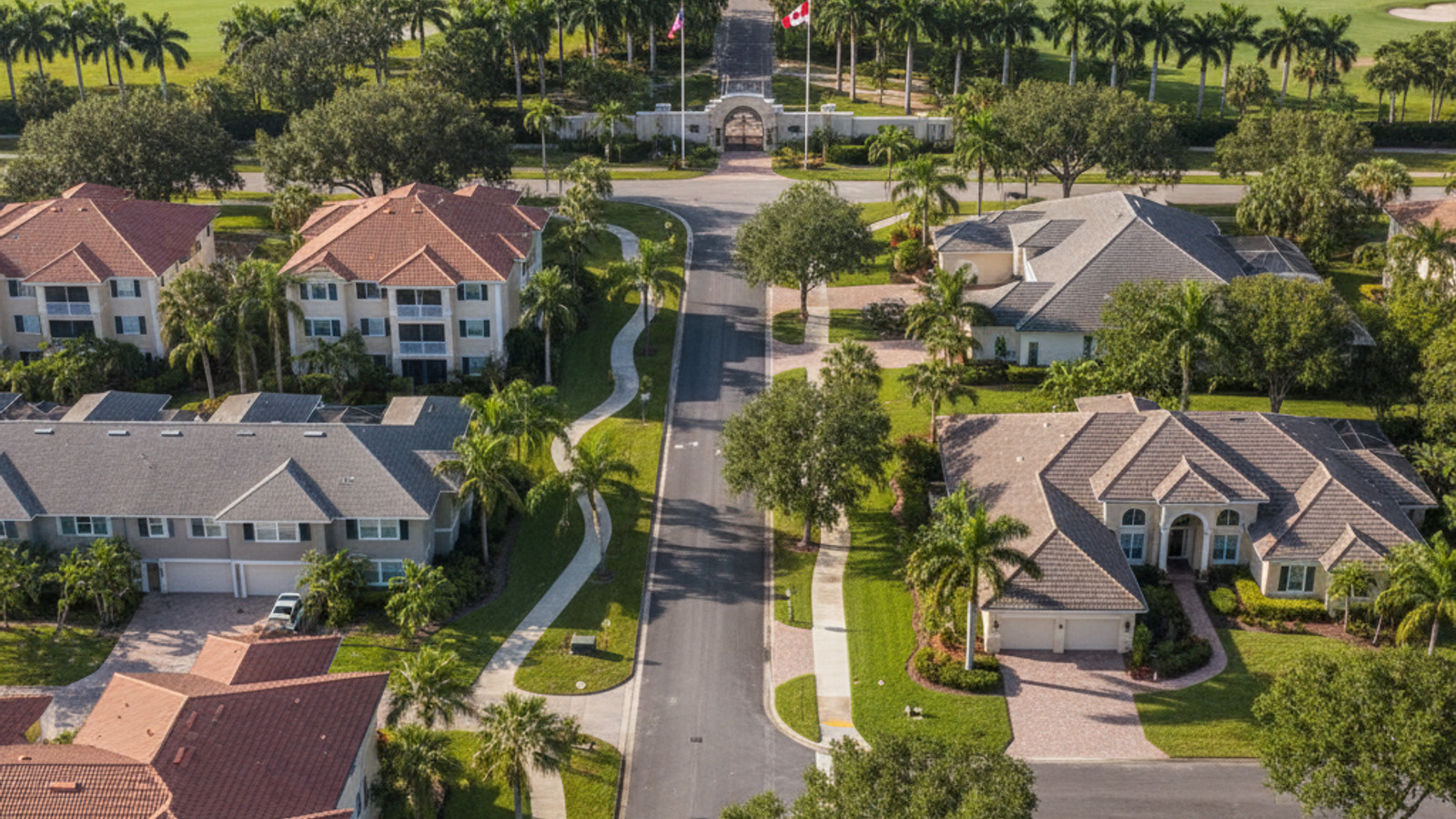
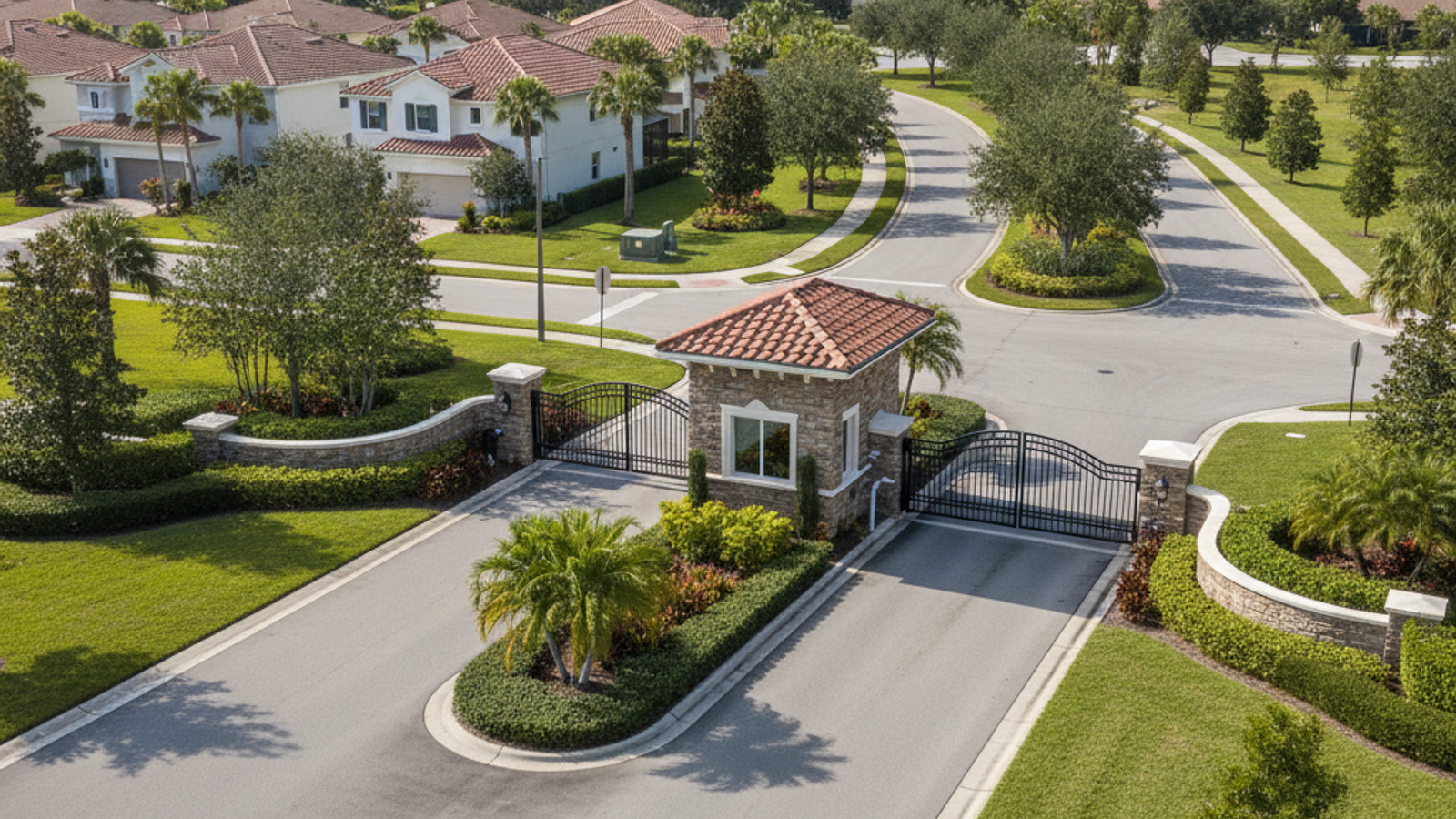
PGA Village Verano maintains a 24-hour manned guardhouse at its main entrance. All visitors, contractors, and deliveries must pass through this checkpoint before accessing the residential streets. This controlled-access setup prevents unauthorized vehicles from driving through the community.

Beyond the main gates, the physical layout of the development limits outside foot traffic. The community is entirely enclosed, providing a clear boundary between public roads and private residences. Many buyers prioritize this type of physical barrier when comparing developments along the Florida coast.

Individual homes in the community also come with security technology installed during construction. Most single-family homes, townhomes, and attached golf villas feature built-in alarm systems. The homeowner association covers the monitoring for these systems, offering an added layer of peace of mind.


Port St. Lucie Crime Data and Uniform Crime Reports

Port St. Lucie consistently posts crime statistics that fall well below the national average. Recent data shows the overall crime rate in the city is approximately 39% lower than the baseline for the rest of the country. This statistical trend has held steady over the past several years, drawing attention from out-of-state buyers.

Violent crime in Port St. Lucie sits at approximately 2.04 incidents per 1,000 residents. Property crime rates also remain low compared to similarly sized cities in South Florida. Buyers reviewing the Uniform Crime Reports often find these numbers reassuring when committing to a purchase here.

Local law enforcement maintains a visible presence along the major commercial corridors near the development. The Port St. Lucie Police Department regularly monitors traffic and patrols the public roads surrounding the private gates. This external police presence complements the internal security measures managed by the HOA.

While no area is immune to crime, the master-planned nature of PGA Village Verano limits opportunities for opportunistic property crime. The combination of local law enforcement presence and private security keeps the community well maintained. Buyers should review current police department reports for the most up-to-date figures.


Proximity to Healthcare and Emergency Responders

Access to medical care is an important factor when evaluating a new home location. Cleveland Clinic Tradition Hospital sits exactly 4.2 miles from the community entrance. This major medical center provides emergency room services, specialized care, and advanced surgical facilities.

Residents can reach the hospital quickly by taking Commerce Center Drive. This local route bypasses much of the heavy traffic on Interstate 95, keeping the commute short during medical emergencies. First responders dispatched from nearby stations also use these direct routes to reach the community gates rapidly.

For non-emergency medical needs, buyers have several convenient options just outside the neighborhood. MD Now Urgent Care is located 4.1 miles away, offering walk-in services for minor injuries and illnesses. Local veterinary hospitals are also situated within a five-mile radius for households with pets.


Landscape, Weather, and Property Upkeep

Florida’s Treasure Coast experiences a tropical climate with heavy summer rains and occasional severe weather. The homeowner association manages the community landscape, ensuring that drainage systems and retention ponds remain clear of debris. This proactive maintenance prevents localized flooding during intense afternoon thunderstorms.

Many homes in the development feature impact-resistant glass and reinforced garage doors. Builders incorporated these structural details to meet modern Florida building codes. Buyers relocating from out of state often appreciate these built-in weather defenses.

The community layout also maximizes green space and water views for residents. Walking trails weave through the property, connecting the residential blocks to the central clubhouses. The manicured environment provides a scenic backdrop for daily exercise and dog walking.


Home Prices, Property Types, and HOA Coverage

Buyers exploring PGA Village Verano will find a mix of new construction and resale properties. The housing options include detached single-family homes, townhomes, and attached villas. As of 2026, home prices start in the $370,000s and can exceed $1,000,000 for larger properties with premium water or golf course views.

Single-family homes provide larger floor plans, private pools, and expanded outdoor living spaces. The attached golf villas offer a lower entry price and require minimal exterior upkeep. Inventory levels fluctuate, but buyers can generally find several floor plans available on the market at any given time.

The homeowner association manages the community infrastructure, and fees vary based on the specific property type. In 2026, monthly HOA dues generally range from $502 to $615. These fees cover several major recurring expenses, which helps offset the monthly cost of homeownership.

The HOA handles exterior maintenance and community services so residents do not have to contract these out individually. The monthly dues cover:

  • 24-hour manned gate security and common area maintenance.

  • Complete lawn care and professional landscaping.

  • High-speed internet and basic cable television services.

  • Monitoring for individual home alarm systems.


Community Amenities and Commute Times

The social and recreational center of the development is Club Talavera. This 27,000-square-foot clubhouse features indoor and outdoor swimming pools, a massive fitness center, and space for community events. Residents also have access to 27 pickleball courts and multiple tennis courts, making it a popular choice for buyers prioritizing active recreation.

The fitness center includes modern cardiovascular equipment, free weights, and dedicated rooms for group exercise classes. Residents can use these facilities daily without paying additional gym membership fees. The indoor pool allows for year-round lap swimming regardless of the weather outside.

Golf access is a major draw for the area, though it operates separately from the residential HOA. The adjacent PGA Golf Club features 54 holes of championship golf courses. Residents can purchase optional golf memberships, but they are not required to live in the community.

Daily commuting from the community is straightforward due to its location near major roadways. Drivers can reach Interstate 95 in under ten minutes, providing a direct route north to Orlando or south to West Palm Beach. Shopping and dining options in nearby St. Lucie West and Tradition are just a short drive away.


Local Retail, Dining, and Daily Conveniences

Beyond the community gates, Port St. Lucie offers a wide range of retail and dining options. The St. Lucie West commercial corridor sits just a few miles from the development. This area features major grocery store chains, big-box retailers, and home improvement stores.

Residents can easily access everyday necessities without spending much time in their vehicles. Pharmacies, banks, and dry cleaners are located within a short drive of the main entrance. This proximity reduces daily driving times and keeps errands manageable.

The local restaurant scene includes everything from fast-casual chains to independent dining establishments. Buyers can find seafood restaurants, Italian bistros, and classic American steakhouses nearby. The neighboring community of Tradition also hosts food truck events and seasonal farmers markets.

The regional infrastructure supports smooth traffic flow between these commercial centers and residential neighborhoods. Wide arterial roads and timed traffic signals help prevent major congestion during peak shopping hours. Buyers should drive the local routes during different times of the day to gauge traffic patterns.


Frequently Asked Questions

Is PGA Verano a gated community?

Yes, the development features a 24-hour manned guardhouse at the main entrance. Visitors must provide identification and clearance before the security staff will lift the barrier. This setup ensures that only residents and approved guests can access the private roads.

What are the crime statistics for PGA Village Verano compared to the national average?

Port St. Lucie as a whole reports an overall crime rate about 39% below the national baseline. Local violent crime is particularly rare, tracking at just 2.04 incidents per 1,000 residents. The private security at the community gates helps keep neighborhood-specific property crime even lower than the citywide average.

Are golf memberships required for residents of Verano or PGA Village?

No, buying a home here does not obligate you to join the PGA Golf Club. Residents pay standard HOA fees for the clubhouse and fitness amenities, but golf access remains entirely optional. Buyers who want to play the 54 holes of championship golf can purchase a separate membership directly from the club.
Posted in Market Updates
May 21, 2026

Understanding Commute Times From PGA Village, FL: A 2026 Buyer's Guide

The median home search in Port St. Lucie, FL often circles back to the western edge of the city along the Treasure Coast. Buyers looking at this area need specific data on travel logistics before committing to a single-family home purchase. The proximity to major roads dictates how easily you can move around the region.

Daily travel from this part of St. Lucie County depends entirely on a personal car, as public transit options are limited. Reviewing the Commute Times From PGA Village, FL provides a clear picture of the driving requirements to reach major employment centers and local amenities. Buyers should map out their specific daily routes before submitting an offer.

The community sits in St. Lucie County, placing it within commuting distance of major hubs to the south like Palm Beach, FL. Knowing the exact distances and typical morning traffic patterns helps clarify what it takes to get to work each day without surprises. The layout of the local roads makes a major difference in daily convenience.


Accessing Interstate 95 and the Florida Turnpike

The main entrance to the community sits less than one mile from Interstate 95. Drivers connect directly at Exit 121, which runs along the commercial corridor of St. Lucie West Boulevard. This setup allows residents to jump on the highway almost immediately after leaving home.

This immediate access means you bypass the stop-and-go traffic that residents deeper inside Port St. Lucie, FL experience daily. You can reach highway speeds within two minutes of leaving the neighborhood gates, making morning departures predictable. Buyers moving from dense urban areas often appreciate this straightforward highway access.

The Florida Turnpike is also close by, providing an alternate route for regional travel down the coast or up toward Orlando, FL. The local road infrastructure handles steady volume, but the direct highway ramps keep daily travel times consistent throughout the week. Tolls apply on the Turnpike, but it often saves time during heavy rush hour windows.

Having two major north-south arteries nearby gives commuters options when accidents cause backups. Drivers can check their GPS and choose between the interstate and the turnpike before ever leaving the subdivision. This flexibility reduces the stress of daily travel along the Treasure Coast.


Typical Morning Drive Times to West Palm Beach and Jupiter

Commuters heading south to Jupiter, FL can expect a standard morning drive of about 35 minutes. The route is a straight shot down Interstate 95, with minimal slowdowns until you cross into Palm Beach County. The drive covers roughly 30 miles of open highway before hitting denser traffic zones.

Reaching downtown West Palm Beach takes roughly 45 to 55 minutes, depending on the time of day and the specific exit you need. Traffic volume increases steadily between 7:30 AM and 8:30 AM near the PGA Boulevard and Okeechobee Boulevard interchanges. Drivers leaving before 7:00 AM generally experience the smoothest trip.

Buyers relocating from out of state sometimes confuse this area with the similarly named World Golf Village, which is located hours away in North Florida. The Treasure Coast location places you much closer to the South Florida economic hubs, allowing for a manageable daily drive. It remains a popular choice for workers splitting their time between a home office and a corporate headquarters.

Returning north in the evening often features lighter traffic until you reach the Martin County line. The commute is long enough that fuel efficiency and vehicle comfort become major factors for buyers moving here. Many residents listen to audiobooks or podcasts to pass the time during the 45-minute return trip.


Getting to Palm Beach International and Regional Airports

Palm Beach International Airport is the closest major hub for commercial flights. The drive takes 45 to 50 minutes, as the neighborhood sits just about 45 minutes north of the terminals under normal traffic conditions. The airport exit connects directly to Interstate 95, making the route straightforward.

For longer international routes, residents split their travel between Miami International Airport and Orlando International Airport. Both options require a drive of one hour and 45 minutes to two hours depending on the departure time. Travelers catching morning flights often leave before dawn to avoid the worst of the regional rush hour.

Vero Beach Regional Airport offers a closer alternative for smaller carrier options and private flights. The northbound trip up Interstate 95 takes about 35 minutes from the community entrance, offering a quieter terminal experience. Parking and security lines here take a fraction of the time compared to the larger international hubs.

Frequent flyers often prefer the Palm Beach option because the drive avoids the heavy congestion of Broward and Miami-Dade counties entirely. You can leave your driveway and be at the security gate in roughly an hour. This convenience is a major selling point for buyers who travel regularly for business.


Driving to Daily Amenities in Port St. Lucie

St. Lucie West retail centers sit immediately adjacent to the community entrance. Residents can reach grocery stores, pharmacies, and dining options in under five minutes using local roads. The proximity means you can grab last-minute dinner ingredients without planning a major trip.

Tradition Square provides another major retail and medical hub roughly a 10 to 15-minute drive south. This route takes you straight to the Cleveland Clinic Tradition Hospital without needing to get on the interstate. The hospital campus is a major employer and a central healthcare provider for the region.

The local St. Lucie Public Schools district serves the area, with several campuses located within a 15-minute drive. The concentration of commercial plazas along St. Lucie West Boulevard means you rarely have to travel far for daily necessities. Big-box retailers and home improvement stores are all located within a three-mile radius.

Even with the continuous growth in St. Lucie County, the roads immediately surrounding the golf courses maintain a steady flow. You can run weekend errands quickly without fighting highway traffic. The layout keeps the heavy interstate noise away from the homes while preserving fast access to shopping.


Frequently Asked Questions

How close is PGA Village to major roads like I-95 or the Turnpike?

The main gate is located just under a mile from Interstate 95 at Exit 121. Drivers can reach the nearest Florida Turnpike interchange in about 15 minutes by heading east on St. Lucie West Boulevard and south on Bayshore Boulevard.

How long does it take to get from PGA Village to Palm Beach International Airport?

The trip takes between 45 and 50 minutes during normal driving conditions. You will cover roughly 50 miles heading south on Interstate 95 straight to the airport exit.

Where is PGA Village Verano located in relation to downtown Port St. Lucie?

The community sits on the far western edge of the city, west of Interstate 95. Driving to the downtown civic center area near U.S. Route 1 takes about 20 to 25 minutes heading east across town.

Posted in Market Updates
May 21, 2026

Planning Your Move: Weather and Climate in PGA Village, FL for 2026 Buyers

St. Lucie County sees an average of 234 sunny days per year. Buyers looking at homes along the Treasure Coast often prioritize outdoor living spaces to take advantage of those clear skies. Understanding the local weather patterns helps you choose the right property features and settle into the South Florida lifestyle.

The Weather and Climate in PGA Village, FL shape everything from daily tee times to home insurance premiums. You will experience distinct wet and dry seasons rather than traditional summer and winter changes. Knowing what to expect throughout the year makes it easier to plan your move and maintain your new home.


Yearly Temperature Trends and Rainfall Patterns

Summer temperatures in Port St. Lucie reliably reach the low 90s by July and August. The humidity during these months makes the air feel warmer, creating the classic tropical environment South Florida is known for. Winter brings a noticeable shift, with daytime highs resting comfortably in the 70s and overnight lows occasionally dipping into the 50s.

The area receives about 53.5 inches of rain annually. Most of this precipitation falls during the summer wet season, which brings brief, intense afternoon thunderstorms. During these months, it is common to see six to nine inches of rain monthly.

The dry season runs from October through May. Rainfall drops to just two or three inches per month, and humidity levels settle between 55% and 65%. Residents often track the 10-day weather forecast during the transition weeks between seasons to plan outdoor gatherings.

Coastal breezes from the nearby Atlantic Ocean help moderate the afternoon heat. These winds sweep across the Indian River, providing a natural cooling effect for neighborhoods on the eastern side of the community. Residents spend summer evenings on their lanais once the sun begins to set.

Tracking the daily forecast becomes a routine habit during the transition between seasons. Spring and fall bring unpredictable shifts where a sunny morning quickly turns into an overcast afternoon. Staying aware of the local weather radar helps golfers secure the best tee times.


Preparing for Storm Season and Local Building Standards

The Atlantic Ocean hurricane season officially runs from June 1 through November 30. Storm tracks vary each year, but coastal communities remain prepared for high winds and heavy rain. St. Lucie County requires homes to meet specific structural standards to handle these conditions.

The Florida Building Code mandates that new construction in this region withstand wind speeds of 130 miles per hour or more. Builders rely on reinforced concrete block construction for exterior walls. Impact-resistant windows and doors are standard features on most new homes in the area.

Older properties often feature custom hurricane shutters to protect against flying debris. Having reliable infrastructure nearby also brings peace of mind during storm season. The Cleveland Clinic Tradition Hospital sits just down the road in St. Lucie West, providing immediate access to emergency healthcare.

Many newer sections of Port St. Lucie feature underground power lines to reduce outages during severe weather. This infrastructure upgrade keeps the lights on when tropical storm winds knock down tree branches. Buyers often ask their real estate agents to verify if a specific neighborhood has buried utilities.

Flood zones play a major role in home selection and insurance costs. Much of the land sits at a high enough elevation to avoid the most severe storm surge risks. You should review the FEMA flood maps for any specific address before submitting an offer.


Enjoying Golf and Outdoor Amenities Year-Round

The local climate allows for constant access to sports and recreational facilities. The PGA Golf Club features 54 holes of championship golf designed by Tom Fazio and Pete Dye. The fairways remain green and playable twelve months a year.

Golf is just one part of the outdoor lifestyle in this area. PGA Village Verano houses the largest private pickleball center in South Florida, featuring 27 courts. Har-Tru tennis courts provide a softer playing surface that stays cooler under the midday sun.

Water amenities also cater to the changing seasons. Large outdoor resort pools offer a place to cool off during the humid summer months. When the occasional winter cold front moves through, residents shift to indoor lap pools to maintain their exercise routines.

Morning tee times fill up quickly during the summer months to beat the afternoon thunderstorms. The PGA Golf Club manages its drainage systems efficiently, allowing the courses to dry fast after heavy rain. This engineering keeps the fairways open even during the wettest weeks of August.

Paved walking and biking trails wind through the local neighborhoods and nature preserves. The winter months provide the most comfortable conditions for long outdoor walks. You will see plenty of residents out enjoying the cooler, dry air from November through April.


Housing Styles Built for the South Florida Environment

Buyers can find property types ranging from attached townhomes to expansive single-family estates. Many of these neighborhoods operate as 55+ active adult communities with specialized amenities. Builders design these homes specifically to handle the local climate.

Energy-efficient HVAC systems are standard across most recent builds. These units manage both the high summer heat and the heavy humidity that rolls in off the Indian River. Keeping indoor air dry protects interior finishes and improves daily comfort.

Most homes feature screened-in patios or lanais to maximize outdoor living. The screens keep insects out while letting the coastal breeze flow through the house. Many buyers prioritize properties with existing pool enclosures to reduce daily maintenance.

Drought-tolerant landscaping helps homeowners manage their water bills during the long dry season. Native palm trees and shrubs require less irrigation and survive the intense summer sun without issue. Neighborhood associations typically manage the irrigation systems using reclaimed water to keep the community green.

Homeowners associations maintain clear guidelines regarding weather preparation. Buyers should review these documents before closing.

  • Exterior maintenance: HOAs often handle landscaping and tree trimming to reduce debris risks before storms arrive.

  • Hurricane shutters: Communities have specific rules about when you can install storm panels and how soon you must remove them after a threat passes.

  • Roofing materials: Guidelines dictate acceptable roof replacements, favoring concrete tiles or metal roofs that offer better wind resistance.


Frequently Asked Questions

What is the coldest month in Port St. Lucie?

January typically brings the lowest temperatures to the Treasure Coast. Daytime highs average around 74 degrees, while overnight lows sit near 53 degrees. Frost is rare, meaning tropical landscaping survives the winter without special protection.

What's the weather like at PGA Village in Florida?

The community experiences a tropical climate with a distinct wet and dry season. Summers feature high humidity and daily afternoon rain showers that clear up quickly. Winters offer clear skies, lower humidity, and comfortable temperatures that draw seasonal residents to the area.

What are the average yearly temperatures and rainfall in Port St. Lucie?

Temperatures range from the low 50s in winter to the low 90s in summer. The city records about 53.5 inches of rain per year. The bulk of that precipitation arrives between June and September.

Posted in Market Updates
May 21, 2026

Getting Around PGA Village, FL: Commutes, Carts, and Connectivity in 2026

PGA Village, FL is positioned right off Interstate 95 in St. Lucie County. This 3,000-acre golf community draws buyers looking for easy access to the broader Treasure Coast and South Florida. The location provides immediate highway connectivity without placing homes directly on busy commercial corridors.

Transportation here involves a mix of standard vehicles and low-speed alternatives. Residents use SUVs for highway commutes and personal golf carts for neighborhood trips to the practice facilities. Understanding the local road layout helps buyers choose the right property within the gates.


Where the Community Sits in Port St. Lucie

The community is located in the western section of Port St. Lucie. The main entrance connects directly to St. Lucie West Boulevard, serving as the primary artery for residents. This position provides a buffer from the denser coastal traffic while maintaining direct routes to major employment centers.

Buyers entering the market in mid-2026 will find a range of housing options spread across multiple enclaves. Condos and townhomes currently show median prices around $350,000. Larger single-family estates routinely sell for over $500,000.

Each neighborhood cluster connects to a central spine of private roads. This design keeps through-traffic to a minimum while directing residents smoothly toward the main exits. The internal layout prioritizes quiet residential streets over high-speed thoroughfares.

The homeowner association maintains these private roads to a high standard. Buyers should factor the road maintenance portion of their HOA dues into their monthly carrying costs. Smooth, well-paved streets benefit both standard automobiles and smaller recreational vehicles.


Highway Access for Commuters and Travelers

The primary advantage for commuters living here is the immediate proximity to Interstate 95. The main community entrance sits less than one mile from Exit 121 at St. Lucie West Boulevard. This setup allows drivers to merge onto the highway within minutes of leaving their driveways.

Southbound travel toward major South Florida hubs is straightforward from this interchange. The drive to downtown West Palm Beach takes approximately 45 minutes under normal traffic conditions. Palm Beach International Airport is just a bit further south, requiring a 45-to-50-minute trip for flights.

Professionals commuting to Palm Beach County often prefer this location over communities deeper within Port St. Lucie. The short distance to the interstate ramp saves time on a daily round trip. Buyers should drive the route during morning rush hour to gauge the exact timing for their specific workplace.

For regional trips within the state, the Florida Turnpike offers an alternative route. Drivers can reach the nearest Turnpike interchange in about 15 minutes by heading east on St. Lucie West Boulevard and south on Bayshore Boulevard. The Turnpike provides a faster, toll-based option for reaching Orlando or Miami.


Rules for Carts and Internal Paths

Many residents prefer leaving their cars in the garage when running errands or visiting the clubhouse. The homeowner association enforces specific guidelines for these alternative vehicles to keep traffic flowing safely. You will see carts parked at the PGA Golf Club, the practice facilities, and community pools throughout the day.

The rules require drivers to treat these vehicles like standard automobiles. Anyone operating a golf cart within the community gates must be at least 16 years old and hold a valid driver's license. Underage driving is a violation of the community bylaws and can result in fines.

While carts provide excellent internal mobility, they are restricted to designated roads within the community boundaries. Drivers cannot take them onto main county roads or highways outside the gates. The local police department actively enforces traffic laws on the public roads surrounding the entrances.

Pedestrian safety remains a priority across the community's network of paths. Drivers must yield to pedestrians at all crosswalks and intersections. Furthermore, carts are not permitted on the pedestrian-only walking paths that wind through the residential enclaves.


Proximity to Shopping and Medical Centers

Daily errands require minimal travel time for residents in this area. The immediate commercial zone sits just east of Interstate 95, meaning most trips take less than five minutes from the main gate. This commercial density allows residents to handle grocery shopping, banking, and dining without extensive travel.

Buyers should map out the distances to their preferred stores and medical providers before choosing a neighborhood. The surrounding Port St. Lucie area offers multiple options within a short drive. The commercial landscape has expanded steadily to support the growing population in the western zip codes.

  • Groceries and Retail: A Publix Super Market anchors the St. Lucie West commercial area just across the highway overpass.

  • Healthcare Access: Cleveland Clinic Tradition Hospital at 10000 SW Innovation Way is about a 10-to-15-minute drive south.

  • Additional Shopping: The nearby Tradition neighborhood features large-scale retail centers and dining options, roughly 10 minutes away via Interstate 95.

These short distances make it easy to grab last-minute items or attend medical appointments without planning a major trip. The road infrastructure surrounding the community has expanded alongside the recent commercial growth. New traffic patterns and widened intersections help manage the flow of vehicles during peak shopping hours.


Frequently Asked Questions

Can I drive a golf cart between PGA Village Verano and the PGA Golf Club?

PGA Village Verano sits on the south side of Crosstown Parkway, separate from the main gates. Residents cannot drive standard golf carts on the public parkway to reach the main club facilities. You will need a street-legal, low-speed vehicle (LSV) properly registered with the state to cross this county road.

How far is PGA Village, FL from Vero Beach and Fort Pierce?

Fort Pierce is the closest neighboring city, located about 20 minutes north via Interstate 95. Vero Beach is further up the Treasure Coast, requiring a 35-to-40-minute drive depending on your exact destination. Both cities offer expanded dining and beach access for weekend trips.

Is PGA Village, FL open to the public?

The PGA Golf Club and its resort courses are open to the public for daily play and dining. However, the residential neighborhoods behind the gates are entirely private. Visitors must have resident authorization or an active real estate appointment to pass the security checkpoints.

Posted in Market Updates
May 21, 2026

Moving to PGA Village, FL: What Buyers Need to Know in 2026

Port St. Lucie, FL has become a major destination for buyers seeking year-round golf access without the mandatory country club buy-ins found further south. Situated just off I-95 on the Treasure Coast, this area offers a blend of established neighborhoods and ongoing new construction.

The community breaks down into two primary sections: the original PGA Village and the newer PGA Village Verano development. Both share access to extensive recreational infrastructure. However, they differ in housing styles, fee structures, and the age of the homes.


Life in This Treasure Coast Golf Hub

The main draw of the community is its immediate proximity to 54 holes of championship golf. Residents have access to courses designed by Tom Fazio and Pete Dye, along with a 35-acre learning center.

The population includes a mix of full-time locals and seasonal homeowners who spend their winters in South Florida. Social activity centers around the clubhouses. Here, daily schedules feature everything from organized tennis matches to casual card games.

Buyers looking at the newer Verano section will find a distinct resort-style atmosphere built around Club Talavera. This central hub serves as the main gathering point for fitness classes, swimming, and socializing.


Housing Styles and Current Prices

The median home price in the newer Verano sections sits around $517,000 as of early 2026. Buyers can find entry-level attached villas starting in the $300,000s. Meanwhile, larger single-family estates with private pools easily exceed $1 million.

The original PGA Village features older, custom-built single-family homes with mature landscaping and larger lot sizes. Many of these properties offer direct golf course views or sit on private cul-de-sacs.

PGA Village Verano focuses primarily on attached villas and modern single-family homes built over the last decade. These newer properties feature open floor plans, energy-efficient windows, and updated storm protection. Buyers prioritizing move-in ready spaces often start their search here.


Homeowner Association and Community Fees

Monthly homeowner association dues run between $200 and $600 in 2026, depending on the specific neighborhood and property size. These fees generally cover gated security access, common area maintenance, and basic cable and internet packages.

Attached villas often carry higher monthly HOA fees than single-family homes because the association handles exterior building maintenance and roof repairs. Buyers should review the specific sub-association documents to understand exactly what their monthly payment covers.

Properties in the newer Verano section also carry a Community Development District (CDD) fee. This charge pays for the initial infrastructure and is billed annually on the property tax bill rather than through the monthly HOA payment. It is a detail buyers should factor into their total carrying costs.


Golf Courses and Recreation Centers

The PGA Golf Club operates independently from the residential homeowner associations. This means buyers are not forced to pay for a golf membership just to live in the community. Residents can opt out entirely or choose a social membership if they do not play.

For those who do join, the 2026 initiation fee for a full golf membership is approximately $40,000, with annual dues around $9,300. Lower-tier access options exist for casual players who want limited tee times.

The recreational amenities span both the golf club and the residential social centers. The facilities available to residents include:

  • Three championship golf courses (Wanamaker, Ryder, and Dye)

  • A 35-acre learning center with practice facilities

  • Club Talavera's 27-court pickleball complex and tennis courts

  • An indoor junior olympic pool and a resort-style outdoor swimming pool

  • A massive fitness center, billiards room, and dedicated card room


Commutes, Shopping, and Daily Errands

The community sits immediately adjacent to I-95, providing a straightforward route for north-south travel along the Florida coast. Drivers can reach West Palm Beach, FL in about 45 to 50 minutes, making it a viable option for occasional commuters.

Daily errands rarely require a trip on the highway. The adjacent St. Lucie West corridor contains multiple grocery stores, retail centers, and diverse dining options. Most residents can reach these commercial plazas in under ten minutes.

Healthcare access is a major draw for the area. Cleveland Clinic Tradition Hospital is located just 5 to 10 minutes from the community, offering emergency services and specialized care.

For weekend recreation off the golf course, the public beaches on Hutchinson Island are about a 30 to 40-minute drive east. Buyers with school-aged children will fall within the St. Lucie Public Schools zoning district.


Frequently Asked Questions

Is PGA Village an age-restricted community?

Neither the original neighborhoods nor Verano operate under 55+ age restrictions. While the area attracts a large number of retirees, buyers of all ages can purchase homes and live here year-round.

Are golf memberships mandatory for residents?

No, purchasing a home does not require joining the club. This optional fee structure saves non-golfers thousands of dollars a year compared to traditional mandatory country clubs in South Florida.

How does PGA Village compare to Tradition?

Both are large master-planned developments in Port St. Lucie, FL, but they cater to different lifestyles. Tradition features a central town square with walkable retail, while this area centers entirely around the fairways and clubhouses.

Posted in Market Updates
May 21, 2026

Evaluating Things to Do in PGA Village, FL: A 2026 Lifestyle Guide

Port St. Lucie continues to draw buyers looking for dedicated golf communities along the Treasure Coast. The PGA Village development stands out as a primary destination for those prioritizing immediate access to fairways and established neighborhood amenities. Buyers exploring this area often want to understand the daily lifestyle before committing to a purchase.

Evaluating the local amenities helps clarify what living in this section of St. Lucie County entails. From the specific course designs to the nearby commercial centers, the daily routine here revolves around outdoor recreation and convenience. Residents have access to private club features while remaining close to broader regional attractions.


Championship Golf Courses and Club Amenities

The community centers around 54 holes of championship golf managed by the PGA of America. These courses serve as the primary draw for both year-round residents and seasonal visitors evaluating Port St. Lucie real estate. Each layout offers a distinct architectural style, providing variety without requiring players to leave the neighborhood.

Tom Fazio designed the Wanamaker Course, which features a classic Florida layout with native wetlands and strategic bunkering. The Ryder Course offers a different visual experience, utilizing rolling hills and pine trees to mimic a traditional Carolina-style design. Golfers looking for a Scottish-links experience play the Dye Course, created by Pete Dye to feature complex waste bunkers and distinct grassing.

Beyond the fairways, residents utilize The Island Club as their central recreational hub. This facility includes a community pool, a fitness center, and dedicated courts for tennis and pickleball. Buyers should note that access to these specific amenities depends on the neighborhood's homeowner association structure.


Dining and Retail Options Near the Gates

The St. Lucie West commercial corridor sits just outside the main entrances, placing everyday retail within a short drive. Buyers do not have to travel far for grocery stores, pharmacies, or national retail chains. This immediate proximity makes running errands efficient for residents.

Expanding the search to a 10-mile radius reveals several distinct shopping and dining districts. Tradition Square operates as a major hub for community events, live music, and regular farmer's markets. This area features a mix of independent boutiques and recognizable restaurant brands.

The restaurant scene across Port St. Lucie and nearby Fort Pierce, FL offers diverse cuisine types ranging from casual waterfront dining to upscale steakhouses. Residents can easily transition from a morning on the golf course to an evening out without facing long highway commutes.


Parks, Preserves, and Atlantic Beaches

Clover Park sits just a few miles away in Port St. Lucie and serves as the spring training home of the New York Mets. During the regular season, the stadium hosts the minor league St. Lucie Mets, providing residents with ongoing local sports entertainment. The broader Treasure Coast region offers extensive outdoor recreation beyond the baseball diamond.

Reaching the Atlantic Ocean requires a brief drive east across the county. Buyers prioritizing water access should factor these commute times into their location decision.

  • Jensen Beach, FL: Located about 25 minutes away, this area provides public beach access, local seafood restaurants, and surf fishing opportunities.

  • Hutchinson Island, FL: A 30-to-40-minute drive leads to miles of uncrowded shoreline, nature centers, and sea turtle nesting grounds.

  • Fort Pierce Inlet State Park: Situated directly on the water, this park is a popular destination for kayaking, paddleboarding, and observing coastal wildlife.

Inland nature preserves also surround the Port St. Lucie area. These parks feature miles of hiking trails and observation towers for viewing Florida's native bird species and wetland ecosystems.


Real Estate Market and Property Types

The 2026 housing market in this community features a median home price hovering around $400,000. Available properties range from $250,000 for smaller golf villas to over $800,000 for large single-family homes with premium fairway views. This pricing spectrum accommodates a variety of budgets and space requirements.

Buyers can choose between attached townhomes, maintenance-free villas, and traditional detached houses. The homeowner association (HOA) fees generally range from $200 to $560 per month, depending on the specific subdivision. These monthly dues typically cover neighborhood landscaping, gated security, and access to The Island Club.

Certain newer sections, such as PGA Verano, operate with separate fee structures and independent amenities. HOA fees in these newer developments frequently exceed $600 per month. Buyers should review the specific community development district (CDD) fees attached to the tax bill before submitting an offer.


Frequently Asked Questions

Is the PGA Golf Club at PGA Village open to the public?

Yes, the three championship courses are accessible to public play. Residents can purchase various membership packages for preferred tee times and reduced rates, but a private membership is not required to golf here.

How far is PGA Village from the nearest beach?

Driving from the community gates to the Atlantic Ocean takes roughly 25 to 40 minutes depending on traffic. The most direct routes lead to the public access points at Jensen Beach and the shores of Hutchinson Island, FL.

What are the typical HOA fees in PGA Village?

Monthly dues across the established neighborhoods sit between $200 and $560. Buyers looking at newer construction enclaves like Verano will encounter monthly carrying costs above $600, plus additional localized tax assessments.

Posted in Market Updates
May 21, 2026

A 2026 Tradition Port St Lucie FL Area Guide: Exploring the Master-Planned Lifestyle

Port St. Lucie has transformed significantly over the past decade, and the master-planned community of Tradition stands at the center of that growth. Situated along Florida's Treasure Coast, this expansive development offers a distinct approach to suburban living. Buyers looking at the current 2026 housing market often find themselves drawn to the area's meticulously designed neighborhoods and extensive infrastructure.

Navigating the local real estate landscape requires an understanding of what makes this specific community function. This Tradition Port St Lucie FL area guide provides a detailed look at property values, community fees, and daily logistics. Having a clear grasp of these details helps buyers determine if this carefully structured environment aligns with their housing goals.


Welcome to Tradition: Port St. Lucie's Master-Planned Community

Tradition operates as a massive master-planned community within St. Lucie County, spanning thousands of acres of carefully zoned residential and commercial space. The layout intentionally integrates natural beauty into daily life, featuring over 300 acres of lush parks and more than 500 acres of sparkling lakes. This design ensures that green spaces and water views remain a constant backdrop for the surrounding properties.

Connectivity defines the physical structure of the entire development. The community utilizes a pedestrian-friendly design anchored by the T-Trail system, which links the distinct villages together without forcing residents onto main arterial roads. Moving through the area on foot, by bicycle, or via golf cart reveals a highly organized environment built for convenience and outdoor activities.

The sheer scale of the community means buyers are not just purchasing a home, but buying into an overarching lifestyle framework. The integration of expansive parks and nature preserves directly within residential zones sets a high standard for land use in South Florida. Properties located near these interconnected trails consistently hold strong appeal for buyers prioritizing outdoor accessibility.


Property Types and Average Home Prices in Tradition

The real estate landscape in this area offers a wide variety of property types, ranging from resort-style townhomes and attached villas to large single-family homes. Production builders like Mattamy Homes have shaped much of the recent expansion, delivering modern floor plans that maximize energy efficiency. Specialized enclaves also exist within the broader community, including active adult 55+ villages like Del Webb, Telaro, and Esplanade.

Current median home prices in 2026 hover around $434,000 to $452,000, reflecting steady demand along the Treasure Coast. Buyers can generally expect entry-level villas or townhomes to start in the mid-$300,000s, while premium single-family properties easily reach into the $800,000s. The premium paid for lakefront lots or homes near major common amenities remains a defining characteristic of the local market.

Understanding the carrying costs is crucial when evaluating homes in Tradition. Monthly Homeowners Association fees vary wildly by village, typically ranging from $240 to over $500 per month depending on the included facilities like clubhouses, fitness centers, and swimming pools. Residents also pay Community Development District fees, which generally add an approximate $80 to $100 per month to cover the extensive public infrastructure and landscaping.


Community Amenities: Tradition Square and Healthcare

The focal point of the community is Tradition Square, a vibrant town center that serves as the primary gathering space for residents. This town square features an interactive fountain, expansive green spaces, and serves as the venue for regular events like the popular Italy Festival. Weekly food truck rallies and seasonal concerts provide consistent entertainment options right in the heart of the neighborhood.

Commercial convenience is woven directly into the master plan through the 79-acre retail development known as The Landing at Tradition. This massive shopping sector features major national retailers like Target Corporation, Old Navy, and PetSmart. Daily grocery runs are easily handled at the centrally located Publix Supermarket, ensuring residents rarely need to leave the community boundaries for basic necessities.

Access to major medical facilities represents one of the strongest selling points for the immediate area. The state-of-the-art Cleveland Clinic Tradition Hospital sits in close proximity to the residential villages, providing comprehensive patient care and emergency services. Having a world-class healthcare campus integrated into the community footprint adds immense long-term value to the surrounding real estate.


St. Lucie Public Schools Serving the Tradition Area

Educational facilities are a major consideration for buyers moving into Port St. Lucie, and the St. Lucie Public Schools district serves as the primary provider for this area. The community footprint includes specialized educational institutions strategically placed to minimize morning commute times. Proximity to these campus locations often influences which specific village a buyer ultimately chooses.

Renaissance Charter School at Tradition operates as a prominent K-8 option directly within the community boundaries. Older students in the area frequently attend Somerset College Preparatory Academy, which focuses on advanced academic tracks. The recent 2026 debut of Western Grove School has further expanded local K-8 capacity, accommodating up to 1,600 students in a modern facility.

The integration of these campuses into the master plan demonstrates a clear focus on localized infrastructure. Buyers evaluating property values should note that homes located within walking distance of these newer educational facilities often see higher demand. The continued expansion of school choices directly supports the long-term stability of the surrounding real estate market.


Commute Times and Logistical Details

Transportation logistics play a vital role in the daily routine of any Port St. Lucie resident. Tradition offers incredibly easy access to Interstate 95, with a dedicated interchange located right outside the community boundaries. This immediate highway access allows drivers to bypass the heavy local traffic often found deeper within St. Lucie County.

For those commuting to major employment hubs, West Palm Beach sits roughly 48 miles to the south. The drive typically takes 50 to 55 minutes in light traffic, though rush hour conditions can push that commute up to an hour and 10 minutes. Buyers must weigh this daily travel time against the generally lower housing costs found here compared to areas further south.

Accessing the Atlantic coast shorelines requires a straightforward eastward drive across the county. Reaching popular coastal destinations like Jensen Beach takes approximately 20 to 30 minutes depending on seasonal traffic patterns. This inland location provides a buffer from direct coastal weather impacts while still keeping the beaches easily accessible for weekend trips.


Frequently Asked Questions About Tradition, FL

Are there HOA and CDD fees in Tradition, Port St. Lucie?

Yes, properties in this master-planned community are subject to both Homeowners Association and Community Development District fees. HOA fees range from approximately $240 to $500 per month depending on the specific village and its common amenities. The CDD fees typically add another $80 to $100 monthly to cover the maintenance of the extensive lakes, parks, and trails.

How far is Tradition from the beach?

The community is located inland along the Treasure Coast, requiring a short drive to reach the Atlantic Ocean. Residents can expect a 20 to 30-minute drive to access nearby coastal spots like Jensen Beach. This distance provides convenient access to outdoor activities while maintaining lower property insurance costs compared to direct beachfront real estate.

Are there 55+ active adult communities within Tradition?

Yes, the area features several specialized 55+ active adult communities tailored to specific lifestyle preferences. Villages like Del Webb, Telaro, and Esplanade offer restricted-age living with dedicated clubhouses and full-time lifestyle directors. These specific neighborhoods provide private amenities separate from the broader public facilities found at the town center.

Posted in Market Updates
May 21, 2026

Buying in 2026: The Complete Becker Ridge, Port St. Lucie, FL Area Guide

The southwestern corner of Port St. Lucie, FL features several residential developments centered around major transit corridors. Becker Ridge stands out for its direct access to the Florida Turnpike and predominantly single-family housing options. Buyers looking at St. Lucie County, FL often focus on this area to balance suburban lot sizes with straightforward commutes southward into Palm Beach County, FL.

Home values in this specific sector have stabilized after the rapid appreciation seen a few years ago. Throughout early 2026, the local inventory consists mainly of concrete-block homes built on quarter-acre lots. Understanding the specific geographic boundaries and local amenities helps buyers determine if this area aligns with their daily routines.


Where to Find the Becker Ridge Neighborhood

The neighborhood sits in the southwestern section of Port St. Lucie, FL, bordered closely by the Becker Road corridor. The St. Lucie River and its various canals sit to the east, providing a natural boundary for the broader district. This thoroughfare serves as the primary artery connecting residents to both the Florida Turnpike and Interstate 95.

Most properties in this area were developed as traditional suburban subdivisions rather than dense urban grids. You will find a consistent pattern of paved sidewalks and mature landscaping throughout the community. The housing density remains relatively low compared to the newer, tightly packed developments closer to the Tradition master-planned community.

The architectural landscape consists mostly of single-story homes set back from the street. Driveways are typically wide enough to accommodate multiple vehicles, which suits the car-dependent nature of the region. Many streets end in cul-de-sacs, further reducing the volume of passing vehicles.

Geographic proximity to the county line makes this location a practical choice for regional commuters. Palm Beach County, FL is just a short drive south, expanding employment options for local residents. The area functions as a residential anchor within the broader St. Lucie County, FL landscape.


Housing Market and Property Details

The median home price in this section of Port St. Lucie, FL sits between $420,000 and $510,000 as of May 2026. This pricing bracket represents a steady market with a balanced ratio of buyers and available listings. The area is dominated by owner-occupied single-family homes, though a small percentage of properties operate as long-term rentals.

Average days on market for a properly priced home hover around 45 days. Buyers should secure pre-approval before touring houses, as well-maintained properties in the lower end of that price range attract multiple offers. The local MLS data shows consistent demand for homes featuring updated roofs and impact windows.

Homeowners in Florida must factor property insurance into their monthly carrying costs. Homes in this area generally sit outside high-risk flood zones, which can sometimes reduce the need for supplemental flood policies. However, buyers should always verify the specific flood map designation for any individual property during the inspection period.

Home Styles and Lot Dimensions

Single-family detached homes make up nearly the entire housing supply in this neighborhood. Buyers will rarely find condominiums or townhouses within the immediate Becker Ridge boundaries. Most houses feature traditional Florida stucco exteriors, concrete block construction, and attached two-car garages.

The standard lot size across the neighborhood is 0.25 acres, providing enough space for private pools or fenced backyards. Floor plans typically offer three to four bedrooms, with total living space ranging from 1,200 to 3,200 square feet. This variety accommodates both first-time buyers looking for modest layouts and those needing larger footprints.

New construction infill projects continue to pop up on the remaining vacant lots throughout the neighborhood. These newer builds often feature open-concept living spaces and modern energy-efficient appliances. Older homes from the 1990s and early 2000s are frequently updated by sellers before hitting the market.

Pricing and Association Fees

Recent sales data from early 2026 indicates a price per square foot ranging from $215 to $251. The final calculation depends on the home's age, interior updates, and whether it includes a screened pool enclosure. Homes built in the early 2000s generally price lower than recent new construction infill projects.

Unlike the large master-planned communities nearby, much of Becker Ridge operates without a mandatory homeowner association. Homes located outside of specific gated subdivisions do not require monthly HOA dues. Buyers should review individual property listings carefully, as a few isolated enclaves do maintain modest annual fees for common area landscaping.


St. Lucie Public Schools Enrollment

St. Lucie Public Schools utilizes an open-enrollment zone system rather than fixed boundary lines. This means residents are not automatically assigned to one specific facility based on their street address. Instead, parents apply to their preferred schools within their designated zone during the district's annual enrollment window.

Students living in this area typically fall into the southern attendance zone. Nearby educational facilities include Windmill Point Elementary and Oak Hammock K-8, both located a short drive from the residential streets. Older students frequently attend Treasure Coast High School, which sits just north of the Becker Road corridor.

New residents must submit an application through the district's student assignment office upon moving. The process requires proof of residency, birth certificates, and current immunization records. Parents should monitor the district website for lottery dates and assignment announcements prior to the start of the academic year.


Highways and Commute Routes

The Becker Road interchange provides direct access to the Florida Turnpike within a five-minute drive from most homes in the neighborhood. This immediate highway access eliminates the need to drive through heavy local traffic before starting a longer commute. Drivers can reach the toll plazas quickly, making southbound travel efficient.

Interstate 95 is also accessible via the same road, typically requiring a 10-minute drive west. This dual-highway proximity allows commuters to choose their route based on real-time traffic conditions. Traveling to major employment centers in Palm Beach County, FL usually takes between 40 and 55 minutes.

Reaching downtown Port St. Lucie, FL or the municipal center requires a 15-minute drive north along local surface streets. Port St. Lucie Boulevard and Gatlin Boulevard serve as the primary secondary routes for cross-town travel. Commuters should expect heavier volume on these local roads during the morning and evening rush hours.

Public transportation options remain limited in this suburban sector. The vast majority of residents rely on personal vehicles for daily travel to work and school. Ride-share services operate in the area, but wait times can be longer than in more densely populated urban centers.


Local Parks and Outdoor Recreation

St. Lucie County, FL maintains several public parks within a short driving distance of the neighborhood. These facilities provide residents with designated spaces for organized sports, casual exercise, and outdoor gatherings. The local parks department regularly updates the equipment and maintains the grounds year-round.

The area features a mix of neighborhood pocket parks and larger recreational complexes. Here are the primary outdoor spaces accessible to local residents:

  • Woodland Trails Park: Features open green spaces, a fenced dog park, and shaded pavilions for afternoon picnics.

  • Duck Court Park: A smaller neighborhood facility offering a playground and seating areas.

  • Oak Hammock Park: Provides access to natural preserves, walking trails, and well-maintained soccer fields.

Golfers also have convenient access to several public and semi-private courses just north of the neighborhood. The nearby natural preserves offer miles of unpaved trails for hiking and bird watching during the cooler winter months. These green spaces break up the residential development pattern across the southern county.


Nearby Grocery Shopping and Retail Plazas

A Publix-anchored shopping plaza sits at 872 Southeast Becker Road, serving as the primary grocery destination for the immediate area. This center includes a pharmacy, local dining options, and basic service providers. Residents can complete most of their weekly errands without leaving the immediate corridor.

Further west near the I-95 interchange, new retail developments have expanded the local shopping options throughout 2025 and early 2026. These newer plazas feature medical clinics, national coffee chains, and specialty fitness studios. The continued commercial growth along this route provides added convenience for daily commuters.

Dining options along the immediate Becker Road stretch consist mostly of casual eateries and fast-casual chains. Independent restaurants and locally owned cafes are beginning to lease space in the newer strip centers near the highway. For upscale dining, residents usually travel toward the waterfront districts in neighboring coastal towns.

For major purchases and big-box retailers, residents typically drive 15 minutes north to the Tradition area. That commercial district houses large national chains, home improvement stores, and a wider variety of sit-down restaurants. The separation keeps heavy retail traffic out of the residential blocks while maintaining reasonable driving distances.


Frequently Asked Questions

Is Becker Ridge a walkable neighborhood?

Most daily errands in this area require a vehicle. While the residential streets feature paved sidewalks for morning jogs or dog walking, the distance to grocery stores and commercial centers is too far for practical pedestrian commuting. Residents rely on cars to reach the Becker Road retail plazas.

What schools are assigned to Becker Ridge?

The district uses an open-enrollment zone system rather than fixed boundary lines. Parents living here can apply to nearby facilities like Windmill Point Elementary, Oak Hammock K-8, and Treasure Coast High School. Final placements depend on the district's annual lottery and available capacity at each campus.

Are there HOA fees in Becker Ridge?

The majority of homes in this specific area do not belong to a mandatory homeowner association. Buyers can find properties with no monthly dues or restrictive neighborhood rules. However, a few small, gated subdivisions within the broader area do charge modest fees for road and gate maintenance.

Posted in Market Updates
May 21, 2026

Exploring the Treasure Coast: A St. Lucie West, FL Area Guide for 2026

Port St. Lucie continues to draw buyers looking for planned communities with immediate access to major highways. St. Lucie West operates as a central hub within St. Lucie County, FL, offering a mix of residential neighborhoods and commercial centers. The area spans a distinct geographic footprint just west of the Florida Turnpike and sits directly accessible via Interstate 95.

This master-planned layout means residents rarely need to travel far for daily errands or entertainment. The neighborhood connects smoothly to St. Lucie West Boulevard, which serves as the primary artery for local traffic. Buyers exploring homes for sale here will find a well-defined infrastructure that supports steady growth across the Treasure Coast.


Current Home Prices and Association Fees

The median home price in the St. Lucie West zip code sits between $330,000 and $335,000 for early 2026. Buyers can choose from a mix of detached single-family homes, low-maintenance townhouses, and condominium units. Inventory here tends to offer more established construction compared to the newer builds found south in Tradition.

Buyers should factor neighborhood association dues into their monthly budget. Most subdivisions in this area require both Homeowners Association (HOA) and Community Development District (CDD) fees. Bundled together, these costs often range from $250 to $600 per month, depending on the specific subdivision and the level of exterior maintenance provided.

These fees generally cover common area landscaping, street lighting, and community pools. When comparing St. Lucie West to nearby Gatlin Pines, buyers will notice that Gatlin Pines features fewer HOA restrictions but lacks the unified master-planned amenities. Each buyer should weigh their preference for neighborhood amenities against their tolerance for monthly fees.


Sports Venues, Parks, and Local Shopping

Clover Park stands out as a major local attraction, operating as the spring training home for the New York Mets. During the regular minor league season, the stadium hosts the St. Lucie Mets, bringing consistent baseball action to the neighborhood. Golfers have immediate access to PGA Village, which features 54 holes of championship golf just outside the main residential gates.

Beyond sports, the area holds a variety of commercial and natural attractions. St. Lucie West Boulevard is lined with shopping centers, big-box retailers, and diverse dining venues. The nearby St. Lucie Civic Center provides a space for community events, while the city's parks and recreation department maintains several local green spaces.

Residents also have quick access to broader Treasure Coast environmental sites. A short drive connects you to several major preserves and waterways:

  • North Fork of the St. Lucie River: Offers boat ramps and kayak launches for water access.

  • Oxbow Eco-Center and Spruce Bluff Preserve: Features miles of hiking trails through native Florida habitats.

  • Port St. Lucie Botanical Gardens: Provides paved walking paths through specialized plant exhibits.

  • Savannas Preserve State Park: Protects a massive stretch of freshwater marsh ideal for fishing and photography.


Education and Medical Facilities in Port St. Lucie

St. Lucie County, FL operates under a Choice zone school assignment system rather than standard neighborhood zoning. This means students are not automatically assigned to the school closest to their house. Parents must submit an application ranking their preferred schools within their designated geographic zone.

The St. Lucie Public Schools district earned a district-wide 'A' rating from the state during the 2025-2026 academic year. St. Lucie West Centennial High School serves as one of the primary secondary education facilities located near the neighborhood. Buyers with school-aged dependents should review the district's annual application timeline to ensure they meet enrollment deadlines.

For healthcare, residents rely on a network of nearby clinics and major hospitals. The Cleveland Clinic Tradition Hospital sits just a few miles south, providing 24-hour emergency care and specialized medical services. Several urgent care centers and primary care offices operate directly within the St. Lucie West commercial corridor.


Getting Around the Treasure Coast and Beyond

Most commuters rely on personal vehicles to travel across the Treasure Coast. The neighborhood's immediate access to Interstate 95 and the Florida Turnpike streamlines regional travel. A standard drive to West Palm Beach takes approximately 50 to 55 minutes, making it a manageable distance for hybrid workers or day trips.

For local public transit, the PSL Express commuter bus service operates out of nearby Gatlin Boulevard. This route helps connect residents to employment centers in adjacent counties. Those flying out of the region generally use Palm Beach International Airport, which requires about an hour of drive time heading south.

Beach access requires a drive east toward the Atlantic coast. The beautiful beaches of Jensen Beach and Fort Pierce are roughly 20 to 25 minutes away by car. The route crosses the St. Lucie River and the Intracoastal Waterway, providing straightforward weekend access to the ocean.


Frequently Asked Questions

What is the median home price in St. Lucie West?

The median property value in this specific zip code hovers around $330,000 to $335,000 for 2026. Detached single-family homes generally command higher prices than the area's attached condos and townhouses. Buyers should also account for monthly HOA and CDD fees when calculating their total housing budget.

How does the school choice system work in Port St. Lucie?

The county divides the region into geographic zones rather than assigning a single neighborhood school based on your street address. Residents must submit a ranked list of preferred schools within their zone during the district's open enrollment period. A lottery system then determines final placements for the upcoming academic year.

Posted in Market Updates
May 21, 2026

Torino Port St. Lucie, FL Area Guide: What Buyers Need to Know in 2026

Torino is a residential district in the 34986 zip code of Port St. Lucie, FL, known for larger lot sizes and proximity to natural preserves. It sits in the northern section of the city along the Treasure Coast, offering a quieter alternative to the dense commercial zones further south. The layout provides ample space between properties, with many lots backing up to canals or wooded areas.

The area blends existing single-family homes with ongoing new construction projects. It appeals to buyers who want space without the rules of a mandatory homeowners association. Residents maintain control over their property modifications, parking rules, and landscaping choices, which remains a primary draw for the neighborhood.


What to Expect in Torino

Torino covers a large portion of northern Port St. Lucie, FL, bordered by undeveloped land and nature reserves to the north and west. This geographic position limits pass-through traffic, keeping the internal roads relatively quiet. Major thoroughfares like North Torino Parkway handle the bulk of the daily driving, funneling cars toward the commercial corridors.

The housing landscape consists predominantly of single-family homes on quarter-acre or larger lots. Buyers will find a mix of mature properties built over the last two decades alongside brand-new construction from local builders. Concrete block construction, open floor plans, and attached two-car garages are standard features across most properties.

A major draw for this area is the lack of a mandatory homeowners association for most standalone homes. Homeowners do not pay monthly neighborhood dues and are not subject to architectural review boards for basic exterior changes. Buyers seeking a managed community still have options nearby, as developments like the Villas of Torino offer townhomes with association-maintained amenities.


Real Estate and 2026 Home Prices

As of mid-2026, average home prices in Torino range from $425,000 to $497,000. Prices depend on the age of the house, total square footage, and whether the property includes a private pool. The local real estate market moves at a steady pace, driven by buyers relocating from higher-priced markets in South Florida and out of state.

Buyers looking at the current inventory will notice distinct categories of available properties. Each type caters to different maintenance preferences and budgets.

  • New construction: Local builders continue to fill vacant lots with contemporary single-family homes featuring modern energy-efficient systems.

  • Established homes: Older properties often feature mature landscaping, fenced yards, and existing screened-in private pools.

  • Managed communities: Nearby enclaves offer community pools, lawn care, and gated access for a monthly fee, appealing to buyers who want lower maintenance.

Property taxes in Port St. Lucie are assessed at the county level, and buyers should factor these into their monthly payment calculations. Since most homes in the main Torino area lack an HOA fee, buyers often have more flexibility in their monthly housing budget compared to purchasing in a gated community.


Commute Times and Highway Connections

Driving from central Torino to the Interstate 95 entrances takes approximately 5 to 10 minutes. This quick access makes the area practical for commuters heading north to Vero Beach or south into Palm Beach County. The proximity to the interstate is a major selling point for residents who work outside the immediate Port St. Lucie area.

Florida's Turnpike is another major artery accessible to residents. Reaching the Turnpike entrance takes roughly 10 to 15 minutes, depending on traffic along St. Lucie West Boulevard. The Turnpike provides a direct, higher-speed route down to Fort Lauderdale and Miami.

Daily traffic within the neighborhood remains relatively light since Torino is primarily residential. Drivers generally only face congestion when approaching the main commercial intersections near St. Lucie West during peak commuting hours.


Local Parks, Recreation, and Shopping Options

The 195-acre Torino Regional Park on North Torino Parkway is a major addition to the area's outdoor spaces. The first phase of this project opened with a play forest and splash pad, expanding the recreational footprint in the northern part of the city. Future phases are planned to add more athletic fields and walking paths.

Residents also use Winterlakes Park, which offers sports fields, a playground, and walking trails. For broader entertainment, Clover Park sits just a short drive away and hosts the New York Mets for spring training. The surrounding nature preserves also offer hiking and bird-watching opportunities away from the commercial centers.

Retail and dining are concentrated just south of the neighborhood in the St. Lucie West commercial district. This area provides access to big-box stores like Walmart, grocery chains, and a wide variety of restaurants. Residents can reach most daily shopping necessities within a 10-minute drive.

Golfers have quick access to the PGA Village, which features several championship courses open to the public. The combination of local parks, professional sports facilities, and golf courses provides plenty of outdoor recreation options close to home.


School Zones and Nearby Healthcare Facilities

Properties in this area fall under the jurisdiction of St. Lucie Public Schools. Students in the 34986 zip code typically attend Northport K-8 for elementary and middle school grades. High school assignments generally route to Centennial High School or Fort Pierce Central High School, depending on the exact street address.

Buyers should verify specific boundaries with the school district before purchasing a home. Zoning lines can shift between academic years as the county adjusts for population growth and new construction.

Medical infrastructure is well-established near the neighborhood. Cleveland Clinic Tradition Hospital operates just a few miles south, providing emergency services and specialized care to the region. This modern facility serves as the primary medical center for the northern and western sections of Port St. Lucie.

Urgent care centers, dental offices, and pharmacies line the St. Lucie West corridor. This concentration of medical facilities ensures residents do not have to travel far for routine appointments or urgent healthcare needs.


Frequently Asked Questions

Does the Torino neighborhood have HOA fees?

Most single-family homes in the main Torino area do not have a homeowners association or monthly fees. However, specific subdivisions or townhome developments within the broader zone, like the Villas of Torino, do enforce HOA rules and collect dues.

What is the average home price in Torino for 2026?

Average prices currently sit between $425,000 and $497,000. New construction homes and properties with private pools generally sell at the higher end of that range, while older homes without pools sit closer to the baseline.

How far is Torino from the beach and ocean access?

Driving from Torino to the Atlantic Ocean beaches takes about 35 to 45 minutes. Residents typically head east to Fort Pierce Inlet State Park or Jensen Beach for public ocean access, parking, and waterfront recreation.

Posted in Market Updates