


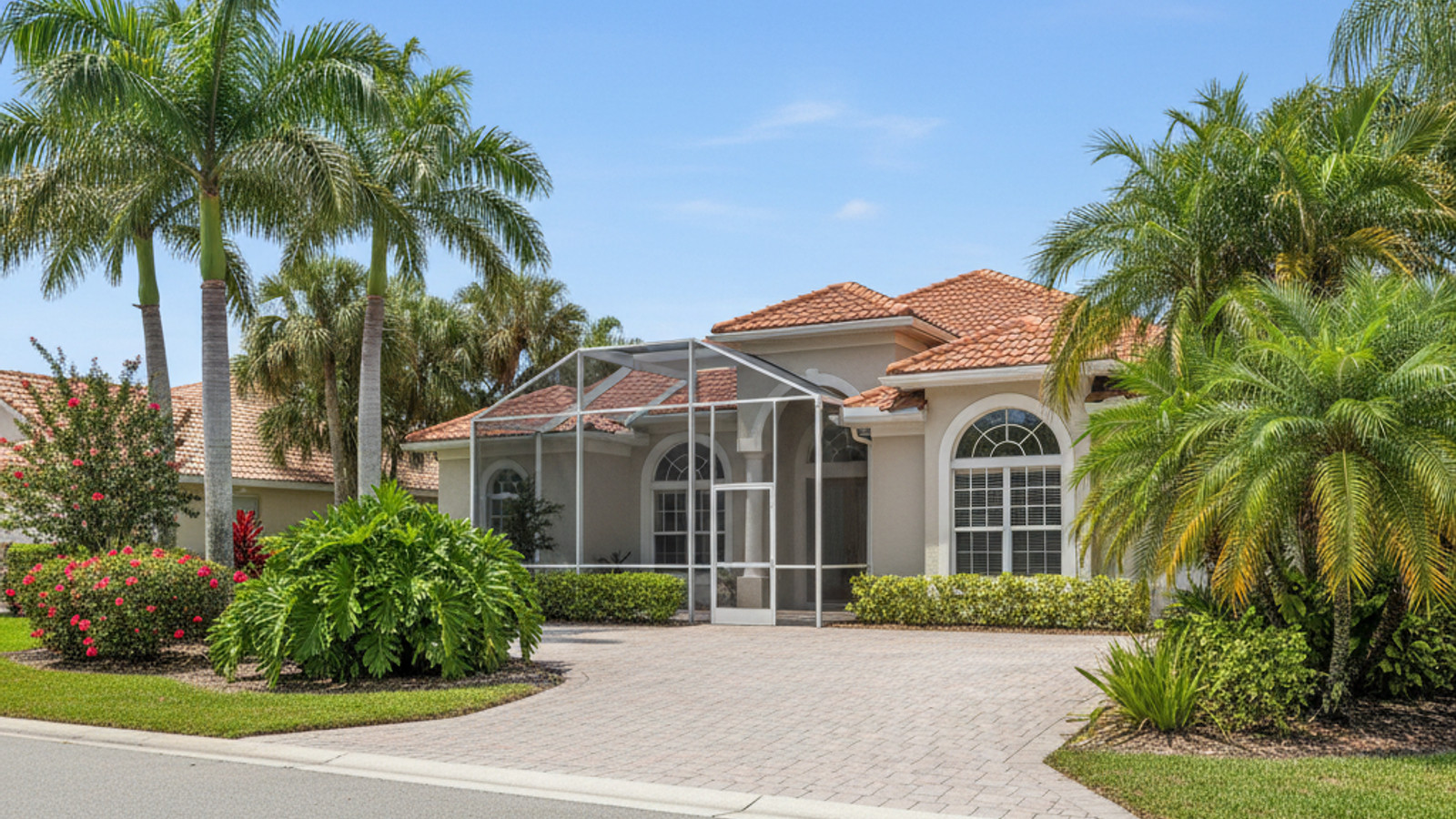
St. Lucie County sees an average of 234 sunny days per year. Buyers looking at homes along the Treasure Coast often prioritize outdoor living spaces to take advantage of those clear skies. Understanding the local weather patterns helps you choose the right property features and settle into the South Florida lifestyle.
The Weather and Climate in PGA Village, FL shape everything from daily tee times to home insurance premiums. You will experience distinct wet and dry seasons rather than traditional summer and winter changes. Knowing what to expect throughout the year makes it easier to plan your move and maintain your new home.
Yearly Temperature Trends and Rainfall Patterns
Summer temperatures in Port St. Lucie reliably reach the low 90s by July and August. The humidity during these months makes the air feel warmer, creating the classic tropical environment South Florida is known for. Winter brings a noticeable shift, with daytime highs resting comfortably in the 70s and overnight lows occasionally dipping into the 50s.
The area receives about 53.5 inches of rain annually. Most of this precipitation falls during the summer wet season, which brings brief, intense afternoon thunderstorms. During these months, it is common to see six to nine inches of rain monthly.
The dry season runs from October through May. Rainfall drops to just two or three inches per month, and humidity levels settle between 55% and 65%. Residents often track the 10-day weather forecast during the transition weeks between seasons to plan outdoor gatherings.
Coastal breezes from the nearby Atlantic Ocean help moderate the afternoon heat. These winds sweep across the Indian River, providing a natural cooling effect for neighborhoods on the eastern side of the community. Residents spend summer evenings on their lanais once the sun begins to set.
Tracking the daily forecast becomes a routine habit during the transition between seasons. Spring and fall bring unpredictable shifts where a sunny morning quickly turns into an overcast afternoon. Staying aware of the local weather radar helps golfers secure the best tee times.
Preparing for Storm Season and Local Building Standards
The Atlantic Ocean hurricane season officially runs from June 1 through November 30. Storm tracks vary each year, but coastal communities remain prepared for high winds and heavy rain. St. Lucie County requires homes to meet specific structural standards to handle these conditions.
The Florida Building Code mandates that new construction in this region withstand wind speeds of 130 miles per hour or more. Builders rely on reinforced concrete block construction for exterior walls. Impact-resistant windows and doors are standard features on most new homes in the area.
Older properties often feature custom hurricane shutters to protect against flying debris. Having reliable infrastructure nearby also brings peace of mind during storm season. The Cleveland Clinic Tradition Hospital sits just down the road in St. Lucie West, providing immediate access to emergency healthcare.
Many newer sections of Port St. Lucie feature underground power lines to reduce outages during severe weather. This infrastructure upgrade keeps the lights on when tropical storm winds knock down tree branches. Buyers often ask their real estate agents to verify if a specific neighborhood has buried utilities.
Flood zones play a major role in home selection and insurance costs. Much of the land sits at a high enough elevation to avoid the most severe storm surge risks. You should review the FEMA flood maps for any specific address before submitting an offer.
Enjoying Golf and Outdoor Amenities Year-Round
The local climate allows for constant access to sports and recreational facilities. The PGA Golf Club features 54 holes of championship golf designed by Tom Fazio and Pete Dye. The fairways remain green and playable twelve months a year.
Golf is just one part of the outdoor lifestyle in this area. PGA Village Verano houses the largest private pickleball center in South Florida, featuring 27 courts. Har-Tru tennis courts provide a softer playing surface that stays cooler under the midday sun.
Water amenities also cater to the changing seasons. Large outdoor resort pools offer a place to cool off during the humid summer months. When the occasional winter cold front moves through, residents shift to indoor lap pools to maintain their exercise routines.
Morning tee times fill up quickly during the summer months to beat the afternoon thunderstorms. The PGA Golf Club manages its drainage systems efficiently, allowing the courses to dry fast after heavy rain. This engineering keeps the fairways open even during the wettest weeks of August.
Paved walking and biking trails wind through the local neighborhoods and nature preserves. The winter months provide the most comfortable conditions for long outdoor walks. You will see plenty of residents out enjoying the cooler, dry air from November through April.
Housing Styles Built for the South Florida Environment
Buyers can find property types ranging from attached townhomes to expansive single-family estates. Many of these neighborhoods operate as 55+ active adult communities with specialized amenities. Builders design these homes specifically to handle the local climate.
Energy-efficient HVAC systems are standard across most recent builds. These units manage both the high summer heat and the heavy humidity that rolls in off the Indian River. Keeping indoor air dry protects interior finishes and improves daily comfort.
Most homes feature screened-in patios or lanais to maximize outdoor living. The screens keep insects out while letting the coastal breeze flow through the house. Many buyers prioritize properties with existing pool enclosures to reduce daily maintenance.
Drought-tolerant landscaping helps homeowners manage their water bills during the long dry season. Native palm trees and shrubs require less irrigation and survive the intense summer sun without issue. Neighborhood associations typically manage the irrigation systems using reclaimed water to keep the community green.
Homeowners associations maintain clear guidelines regarding weather preparation. Buyers should review these documents before closing.
-
Exterior maintenance: HOAs often handle landscaping and tree trimming to reduce debris risks before storms arrive.
-
Hurricane shutters: Communities have specific rules about when you can install storm panels and how soon you must remove them after a threat passes.
-
Roofing materials: Guidelines dictate acceptable roof replacements, favoring concrete tiles or metal roofs that offer better wind resistance.
Frequently Asked Questions
What is the coldest month in Port St. Lucie?
January typically brings the lowest temperatures to the Treasure Coast. Daytime highs average around 74 degrees, while overnight lows sit near 53 degrees. Frost is rare, meaning tropical landscaping survives the winter without special protection.
What's the weather like at PGA Village in Florida?
The community experiences a tropical climate with a distinct wet and dry season. Summers feature high humidity and daily afternoon rain showers that clear up quickly. Winters offer clear skies, lower humidity, and comfortable temperatures that draw seasonal residents to the area.
What are the average yearly temperatures and rainfall in Port St. Lucie?
Temperatures range from the low 50s in winter to the low 90s in summer. The city records about 53.5 inches of rain per year. The bulk of that precipitation arrives between June and September.