Real Estate News & Market Trends on Florida's Treasure Coast

You’ll find our blog to be a wealth of information, covering everything from local market statistics and home values to community happenings. We feature topics relevant to the Treasure Coast of Florida which includes, Stuart, Port St Lucie, Vero Beach, Palm City & Jensen Beach. That’s because we care about the community and want to help you find your place in it. Please reach out if you have any questions at all. We’d love to talk with you!

Sept. 17, 2026

Comparing Real Estate in PGA Village vs. Port St. Lucie, FL for 2026 Buyers

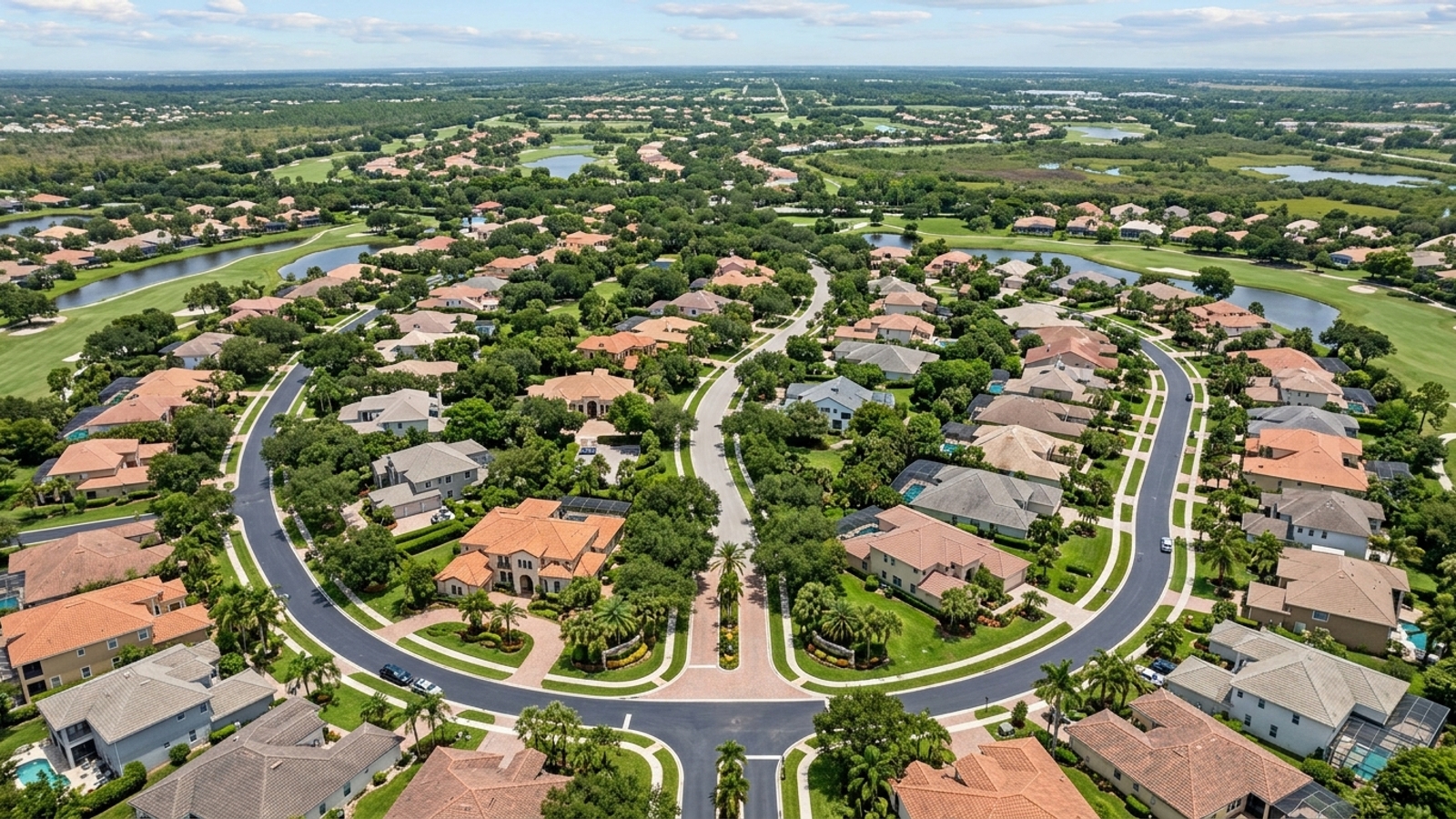
PGA Village is a master-planned community located entirely within the municipal borders of Port St. Lucie, FL. Buyers regularly weigh the specific lifestyle of living in PGA Village, FL against the broader range of housing options available throughout the rest of the city - and the distinction matters more than you might expect. It's not really a comparison between two separate places. It's a comparison between two very different ways of owning property in the same place.

Port St. Lucie covers a massive footprint in St. Lucie County, offering everything from older, non-HOA neighborhoods to large new developments like Tradition. PGA Village is a specific subset of that market, defined by private amenities, binding community rules, and immediate access to golf facilities. Before you make an offer anywhere in this city, you'll want a clear-eyed look at what your monthly carrying costs actually add up to - and how much community governance you're comfortable living under.

Choosing Between PGA Village and the Broader City

The broader Port St. Lucie market currently holds an inventory of about 614 available homes with an overall median sale price of $444,899. PGA Village represents a specific slice of that inventory, built around a structured, amenity-rich environment that not every buyer needs or wants.

The wider city is a patchwork of different zoning rules and neighborhood styles. You can purchase a home with no homeowners association at all - park a boat in the driveway, build a custom fence, handle your property the way you see fit. Other parts of Port St. Lucie have smaller, localized HOAs with modest monthly dues and basic shared maintenance. Neither option looks anything like what PGA Village offers.

PGA Village runs on a different model entirely. Governance and amenities aren't add-ons here - they're central to what you're buying. Living here means agreeing to uniform community standards covering exterior home maintenance, landscaping, and parking. That's the deal.

The choice usually comes down to one question: how much control do you want over your property versus how much shared infrastructure do you want to access? Buyers who prioritize community pools, guard gates, and consistent streetscapes tend to focus their search inside PGA Village. Those who prefer fewer restrictions, or just lower fixed monthly costs, generally look elsewhere in Port St. Lucie.

Housing Market Trends and Available Property Types

Homes in the 34987 zip code, which includes parts of this market, are sitting for a median of 88 days before going under contract. They're also selling at about 97.5% of list price, which means you have some room to negotiate - not a lot, but some.

The housing stock across Port St. Lucie runs a wide spectrum. Concrete block homes built in the 1980s sit alongside brand-new construction in large developments. That variety gives you real flexibility depending on your layout needs and how much renovation work you're willing to take on.

Inside PGA Village, the property types are more consistent, though you still have distinct choices. The community mixes single-family homes, attached villas, and condominiums. New construction is available in sections like PGA Village Verano, where you can buy into modern energy standards and updated floor plans if that's what you're after.

Home Prices and Local Inventory

Across the broader Port St. Lucie market, median sale prices run between $315,000 and $400,000 depending on the specific neighborhood and property type. That's your entry point if you want a standard single-family home without the premium community add-ons.

PGA Village runs higher. Homes there range from roughly $230,000 for smaller condos up to $4.9 million for luxury estates, with a median sale price around $458,000. You're paying for gated living and golf course proximity, and that premium is built into the price.

Homeowner Associations and Single-Family Options

Outside the master-planned developments, many Port St. Lucie single-family homes sit on quarter-acre lots with no HOA oversight. You handle your own landscaping, you avoid the monthly association bill, and nobody's telling you what color to paint your shutters.

Inside PGA Village, every property falls under at least one homeowners association. Condos and townhomes offer exterior maintenance handled by the association. Single-family homes still require owners to maintain their lots - just to community standards rather than their own.

Carrying Costs and Monthly Budgets

St. Lucie County levies a total millage rate of about 22.85 mills (based on 2025 figures). That's currently the highest county rate in Florida, and it's a number you need to take seriously when you're running your monthly budget.

Because PGA Village sits inside the city limits, everyone there pays the same base tax rates as the rest of Port St. Lucie. The city's municipal millage rate is set at about 4.97 mills, layered on top of county, school district, and special district portions to produce the final tax bill. No difference there between PGA Village and any other Port St. Lucie address.

The real budget gap between the two areas is mandatory association dues. Outside PGA Village, you can find neighborhoods with zero HOA fees or minimal annual dues of a few hundred dollars - which keeps your fixed monthly housing costs meaningfully lower. Inside PGA Village, those obligations are substantially higher and vary by subdivision.

Property Taxes and Millage Rates

Florida property taxes reset when a home sells. Your tax bill will be based on your purchase price, not whatever capped rate the seller was paying. Don't look at last year's tax bill and assume it's yours.

Since both PGA Village and the surrounding Port St. Lucie neighborhoods share the same 22.85 millage structure, the differences in tax bills come down entirely to assessed value. A $458,000 home in PGA Village will generate a similar tax bill to a $458,000 home anywhere else in the city, assuming equal exemptions.

HOA Dues and Homeowners Insurance

General PGA Village HOA fees typically run between $480 and $545 per month. In the newer PGA Village Verano section, fees range from $444 to $650 per month. Some phases also carry additional sub-association or club dues on top of that - Village Emilia runs $1,205 quarterly, and Club Verano runs $572.47 quarterly. Read the disclosures carefully.

Homeowners insurance is another significant piece of the Florida cost picture. Port St. Lucie is coastal, but properties further inland - like those in PGA Village - may carry different flood zone designations than homes east of US Highway 1. Get your insurance quotes during the inspection period. Don't guess at that number.

Commutes, Accessibility, and Area Amenities

PGA Village sits just off Interstate 95, which makes regional travel straightforward. The broader Port St. Lucie area spans both sides of Florida's Turnpike and I-95, with multiple access points depending on where exactly you're coming from.

Location shapes daily life in ways that aren't obvious until you're actually living it. Neighborhoods in eastern Port St. Lucie are closer to US Highway 1 and the Atlantic beaches, but you'll spend more time grinding through local traffic to reach the major interstates. PGA Village and the western developments flip that - fast highway access, but a longer drive to the coast. Neither is wrong; they just favor different daily routines.

Highway Access and Airport Drives

Because PGA Village is right off I-95, drive times to major airports are essentially the same as anywhere else on the western side of Port St. Lucie. Palm Beach International Airport (PBI) is roughly 45 to 50 minutes south, covering about 50 to 56 miles. Orlando International Airport (MCO) is about 90 minutes north, around 115 miles. If you travel frequently, that interstate proximity matters. If beach access is your priority, the eastern neighborhoods have the better position.

Golf Courses, Parks, and Shopping

Port St. Lucie has municipal parks, boat ramps, and commercial shopping scattered throughout the city. Residents in non-HOA neighborhoods rely on those public facilities for outdoor recreation and daily errands - and they're generally adequate.

PGA Village is built around the PGA Golf Club, with immediate access to multiple championship courses. The broader city has its own golf options, but PGA Village residents have those specific facilities and private community clubhouses right outside their door. If that access is driving your search, it's a real differentiator.

Frequently Asked Questions

How much higher are the HOA fees in PGA Village compared to standard Port St. Lucie neighborhoods?

They're significantly higher. Standard Port St. Lucie neighborhoods often carry no HOA fees at all, or charge minimal annual amounts. PGA Village fees run from $480 to $650 per month, and some subdivisions layer additional quarterly club dues on top of that.

Do I have to buy a golf club membership to purchase a home in PGA Village, FL?

No. Buying a home in PGA Village doesn't automatically require a golf membership at the PGA Golf Club. You'll pay mandatory HOA and property owners association dues, but golf memberships are handled separately.

What are the short-term rental restrictions in PGA Village versus non-HOA parts of Port St. Lucie?

It depends on the specific neighborhood. Non-HOA parts of Port St. Lucie follow municipal guidelines, which generally allow more flexibility for rentals. PGA Village enforces binding community association rules that typically restrict or regulate short-term rentals to maintain neighborhood consistency.

Do PGA Village residents get free access or resident discounts to the public PGA Golf Club courses?

No. Living in PGA Village doesn't grant free access to the PGA Golf Club. The club operates independently of the residential homeowners association, though residents obviously have the convenience of living right next to the facilities.

How does the resale value of homes in PGA Village compare to newer Port St. Lucie communities like Tradition?

Both areas hold their value, but they attract different buyers. PGA Village homes carry a median sale price around $458,000 and appeal to buyers focused on golf and established amenities. Newer communities like Tradition offer modern construction and different commercial integrations, keeping their neighborhood prices competitive within the broader city market.

Is PGA Village fully gated, and how does its security differ from the rest of Port St. Lucie?

Yes, PGA Village has manned security gates for its residential sections. Most standard Port St. Lucie neighborhoods are open to public streets - no gated entry. If restricted access matters to you, that's one of the clearest differences between the two options.


Sept. 17, 2026

Comparing Real Estate in PGA Village vs St. Lucie West, FL for 2026 Buyers

Port St. Lucie gives buyers real choices - and two of the most common ones are PGA Village and St. Lucie West. If you are considering living in PGA Village, FL, understanding how it compares to St. Lucie West is an important first step. Both sit in St. Lucie County, both give you quick access to major highways and golf courses, and both put you within reach of the area's expanding medical sector. They're not identical, though, and the differences matter depending on what you're actually looking for.

The broader 34987 zip code covering this region shows a median sale price of around $445,000 as of mid-2026. Homes are spending roughly 88 days on the market, with about 614 active listings - which means you have real room to take your time. Whether you land on PGA Village or St. Lucie West ultimately comes down to budget, preferred amenities, and what kind of property fits your life.

Neighborhood Locations in St. Lucie County

Both communities sit near the western edge of Port St. Lucie, which puts Interstate 95 and Florida's Turnpike essentially at your doorstep. That access matters more than people give it credit for.

The broader Port St. Lucie metro has been growing steadily, particularly in medical-sector employment - the Cleveland Clinic added two medical office buildings in the city. If you need a larger employment hub or a night out, West Palm Beach is roughly a one-hour drive south.

Property Styles and Market Prices

The price gap between these two communities is real, and so is the tax picture. The average effective property tax rate in St. Lucie County sits at about 1.69%, which runs higher than the Florida state average of 1.34%. The county's 2025 total millage rate was roughly 22.85 mills. Build that into your monthly budget before you fall in love with a list price.

Across the broader market, homes are selling at about 97.5% of list price, with 351 recent sales recorded in the zip code. You'll find single-family homes, townhomes, and condominiums in both neighborhoods - but the entry prices and HOA structures are a different conversation depending on which side of the line you're on.

Buying in PGA Village

The average sale price in PGA Village comes in at about $532,208, or roughly $211 per square foot based on mid-2026 data. It's not a single-price community - sub-communities within the village run the range, from a median of $477,000 in Maidstone to around $500,000 in PGA Village Verano.

If you're looking at Verano specifically, plan for HOA fees between $450 and $620 per month. Those fees cover community upkeep and access to amenities like Club Talavera.

Buying in St. Lucie West

St. Lucie West comes in at a meaningfully lower price point. Homes here have recently listed at a median of about $394,000, or $237 per square foot. Pull back to late 2025 data and the median sale price was closer to $344,900.

The housing stock mixes single-family properties with attached homes. Specific aggregate HOA figures for St. Lucie West as a whole vary by subdivision, so read the individual listing documents carefully - mandatory fees for neighborhood maintenance are standard here.

Local Golf Courses, Parks, and Retail

Day-to-day life in these two communities is more similar than the price difference might suggest. Both put you close to retail, parks, and preserves - and both serve buyers who want outdoor recreation woven into the routine, particularly golf.

Golf Facilities and Outdoor Recreation

PGA Village has three championship courses designed by Tom Fazio and Pete Dye - the Wanamaker, Ryder, and Dye courses - along with the PGA Center for Golf Learning and Performance and a 6-hole Family Short Course. That's the headline amenity and it's genuinely good.

St. Lucie West residents have easy access to those same PGA Village courses, plus the Cascades at St. Lucie West, a 9-hole course with lakes, ponds, and walking paths. For anything other than golf, Savannas Preserve State Park is about 20 minutes away, with multi-use trails for hiking and mountain biking.

Community Centers and Local Parks

PGA Village residents have the Island Club - fitness center, heated pool, multi-purpose rooms. It's the neighborhood's main gathering space for fitness and social events.

Clover Park and the Port St. Lucie Botanical Gardens are close to both neighborhoods, with walking paths and event venues available to residents throughout the year.

Frequently Asked Questions

How do the HOA fees in PGA Village compare to neighborhoods in St. Lucie West?

It depends on the subdivision. In PGA Village Verano, HOA fees typically run $450 to $620 per month as of 2026, covering amenities like Club Talavera. For St. Lucie West, a specific aggregate figure for the broader area wasn't available - so pull the individual listing documents for any home you're seriously considering and verify the exact costs before you make an offer.


Sept. 17, 2026

PGA Village vs Tradition, FL: Comparing Real Estate Styles and Costs in 2026

The median home sale price in the 34987 zip code, covering popular Port St. Lucie neighborhoods, sits at roughly $444,899. If you're shopping in this area, you've probably already noticed the two names that keep coming up for buyers considering living in PGA Village, FL or Tradition. Both have extensive amenities and varied housing styles, but they're genuinely different places - different ages of construction, different architectural personalities, different daily rhythms.

Choosing between them comes down to what you actually want to live in and what your budget can handle. PGA Village gives you a mix of older residences and brand-new construction. Tradition leans heavily toward newer, large-scale neighborhood phases. Neither is objectively better. What matters is which one fits how you want to spend your mornings.

Architectural Styles and Home Ages

Housing inventory in PGA Village spans several decades, and that range is one of the things that sets it apart from the uniformly newer phases in Tradition, FL. Most residences in the broader PGA Village and Carlton area were built in 2000 or later, though a solid portion date back to between 1970 and 1999. That spread means you can land in a fully built-out sub-community from the 1990s or break ground on something brand new - sometimes within a mile of each other.

Mediterranean architecture is the dominant visual thread throughout PGA Village. Italian-inspired Mediterranean S-style tile roofs, brick pavers on entryways, oversized covered patios - you'll see these details on both the older resales and the newer developments. It creates a consistent regional feel even when the homes themselves are decades apart in age.

Exploring the Older Sub-Communities

Maidstone is one of the established sections within PGA Village, with homes built mostly in the 1990s. It's fully built out, so every purchase is a resale - and buyers here typically factor in the cost of modernizing kitchens or bathrooms. Architectural styles in Maidstone run through Mediterranean ranches, standard traditional layouts, and some contemporary designs.

Mature landscaping and settled lot lines come with the territory. You should also budget realistically for potential updates to roofing or HVAC systems, both of which are common considerations for Florida homes approaching the 30-year mark.

Newer Construction Developments

PGA Village also has plenty of new construction if that's your preference. The main focus is PGA Village Verano, an age-targeted community built by Kolter Homes since 2008. Verano is still actively selling new construction alongside resales, with plans to eventually reach up to 1,800 homes.

Within Verano, there's also Cresswind at PGA Village - a 55+ age-restricted section built between 2018 and 2023 that includes 249 homes. These newer builds come with current energy efficiency standards and modern open-concept floor plans, putting them in direct competition with what Tradition, FL is offering on the new-construction side.

Pricing and Square Footage Costs

Local market data from mid-2026 shows roughly 614 active listings in the broader 34987 region, with homes taking an average of 88 days to sell. Across PGA Village specifically, the average sale price is approximately $532,208 - breaking down to roughly $211 per square foot. That average pulls together everything from small attached villas to large custom estates, so the range underneath it is wide.

Properties here generally sell for about 97.5% of their list price. There's a small amount of negotiating room, but well-priced homes still move steadily. Don't mistake days-on-market for softness without looking at individual listings carefully.

Resale Pricing in Established Sections

In older, fully built-out sections like Maidstone, price depends on interior condition and what the lot is looking at. Updated resale homes in these 1990s neighborhoods can run $330 or more per square foot - and at that level, buyers are typically getting recent renovations, modernized kitchens, and direct golf course or water views.

Unrenovated homes in the same sections price lower, which can actually be a reasonable way in if you want to manage your own updates on your own timeline.

Costs for New Construction

Base prices for new homes in the Verano section start in the high $300,000s for smaller villas. Larger single-family models on premium lots easily exceed $1,000,000.

Kolter Homes markets these new builds as competing favorably on a price-per-square-foot basis relative to comparable established neighborhoods. That may be true, but you should review the builder's upgrade sheet before you finalize your budget. Premium finishes and lot premiums will push the final purchase price above whatever base rate is advertised.

Property Owner Associations and Amenities

PGA Village operates under a master Property Owners Association (POA) that oversees 35 different sub-associations across the community. Each sub-association runs its own HOA, so fee structures and neighborhood rules vary depending on which street you're on - sometimes meaningfully.

The community handbook describes these different sub-associations as offering an attractive array of architectural styles and features. To keep that aesthetic intact, homeowners seeking exterior modifications must submit a Master Architectural Review Committee (ARC) Application. New paint colors, landscaping changes, roof replacements - all of it goes through that process before you touch anything.

Access to Resort-Style Facilities

One of the stronger selling points when you're comparing PGA Village to Tradition, FL is the scale of the private amenities. Verano's newer phases include access to South Florida's largest private pickleball center, with 27 courts. That's a real differentiator if pickleball is part of your regular routine.

Residents also have access to an indoor lap pool, a resort-style outdoor pool, and a state-of-the-art fitness center. One thing worth verifying before you close: which amenities are actually covered by your specific sub-association's HOA dues. Access rights can differ between the older PGA Village sections and the newer Verano phases, and it's not something you want to find out after the fact.

Frequently Asked Questions

How do the HOA fees in PGA Village, FL compare to the combined HOA and CDD fees in Tradition?

It depends on the specific subdivision you choose. PGA Village operates with a master POA and 35 sub-associations, so fees vary widely based on neighborhood amenities. Tradition, FL utilizes Community Development District (CDD) fees alongside standard HOA dues, so buyers should review the specific fee disclosures for any property they tour.

Do I have to buy a golf club membership to live in PGA Village, or is it optional?

No, purchasing a golf club membership is optional. Homeowners pay standard HOA and master POA fees for community upkeep and residential amenities. Access to the golf courses requires a separate membership or daily fee.

Are homes in PGA Village generally older compared to the new construction neighborhoods in Tradition, FL?

It depends on the section of the community you look at. PGA Village features older neighborhoods like Maidstone with homes built in the 1990s, but it also includes new construction in the Verano development. Tradition generally consists of newer phases, though both areas offer modern building options.

Which community offers better walkability and golf cart access to restaurants and grocery stores, PGA Village or Tradition?

Tradition, FL generally offers better walkability to commercial areas. It features a central commercial town square designed for golf cart access and walkability to retail and dining. PGA Village is primarily a residential and golf-focused community, meaning residents typically drive to grocery stores and restaurants located outside the community gates.

Is Tradition or PGA Village better suited for active retirees versus growing families?

Both communities serve a wide range of buyers. PGA Village includes specific 55+ age-restricted sections like Cresswind alongside all-ages neighborhoods with large single-family homes. Tradition also features a mix of family-focused subdivisions and active adult communities, making both areas suitable for diverse households.

Which community has stricter HOA rules and rental restrictions if I want to lease my Florida home?

It depends entirely on the specific subdivision within each community. PGA Village manages standards through a Master Architectural Review Committee and 35 individual sub-associations, each with its own leasing rules. Rental restrictions in Tradition also vary by individual neighborhood HOA, so investors should request the specific bylaws for any home they intend to lease.


Sept. 17, 2026

Home Staging Tips to Sell Your House in Riverland, FL

The median sale price for a home in Riverland recently hovered around $408,000, with properties sitting on the market for roughly 60 days. When you prepare to sell your home in Riverland, FL, presentation is everything. In a 55+ community where buyers arrive with specific lifestyle expectations already formed, a move-in-ready presentation isn't a nice-to-have - it's the difference between standing out and blending in.

When buyers tour homes in Port St. Lucie, they're mentally stacking your property against new construction and recently updated resales. Good staging keeps their attention on the floor plan and the natural light, not on the clutter or the dated arrangement of furniture.

Why Staging Helps Sell Riverland Homes

The numbers here are hard to argue with. Data from the National Association of Realtors (NAR) in 2025 shows that 83% of buyers' agents believe staging makes it easier for buyers to picture the property as their future home. A well-presented house also photographs better, which matters more than most sellers realize - that's what gets buyers through the door in the first place.

It affects the bottom line, too. About 29% of agents reported that staging led to a 1% to 10% increase in the final offer price. With Riverland homes currently averaging a 99.6% sale-to-list ratio, a strong presentation gives you real leverage to hold firm on your number.

How Staging Impacts Time on Market

Homes in Riverland currently take about two months to sell. According to the 2025 NAR report, 49% of agents noted that staging reduced a property's time on the market - and that tracks with what I see locally. Buyers make faster decisions when a home feels complete and they don't have to work hard to imagine themselves in it.

A staged home also minimizes perceived flaws. When every room has a clear purpose, buyers stop wondering whether their furniture will fit and start evaluating the property itself. That mental shift matters.

Helping Buyers Envision the Space

Empty rooms look smaller than they are. That's just how the eye works - without furniture as a reference point, buyers genuinely struggle to gauge scale, and that uncertainty tends to translate into hesitation.

Staging solves that problem directly. It shows exactly how a king-sized bed fits in the primary suite, or how a dining table anchors an open-concept living area. The 2025 NAR survey found that 60% of buyers' agents said staging affected some buyers' views, while 26% said it influenced most buyers. Give buyers a clear picture of the layout and they spend less time second-guessing, more time deciding.

The Cost to Stage a House in Riverland

Homeowners in Florida typically spend between $1,500 and $4,000 for a standard professional staging package. If you just want expert eyes and a plan you can execute yourself, a paid consultation usually runs $500 to $600. Hourly rates for staging professionals in nearby coastal Florida markets average $110 to $170.

Nationally, the average professional staging project comes in around $1,849. The final number depends on the home's size, how many rooms need attention, and whether the house is empty or occupied - those two scenarios are priced very differently.

Budgeting for Full-Service Staging

Full-service staging means a company brings in the furniture, artwork, and decor to outfit the entire house. For a vacant home, this service averages around $2,000, though it can run $3,000 to $6,000 for larger floor plans. That higher cost covers the rental, delivery, setup, and removal of everything they bring in.

If you're still living in the home, the cost drops to about $800 on average. Stagers will work around your existing furniture, supplementing with their own accent pieces and art to modernize what's already there.

Pricing for Vacant Versus Occupied Homes

Sellers who handle the labor themselves typically spend between $200 and $800 on paint, minor decor, and small furniture rentals. A common middle-ground approach involves paying $150 to $600 for a professional consultation and then executing the stager's plan on your own.

That route takes more time and physical effort - packing away excess belongings, rearranging furniture, opening up rooms. But it keeps your upfront costs manageable, and for sellers with a good eye and a flexible schedule, it works.

Deciding Between Professional and DIY Staging

Only 21% of sellers' agents hire a professional to stage every listing prior to sale, while 51% simply recommend decluttering and minor repairs. The right call for you depends on your budget, your timeline, and the current condition of your furniture.

If your home has an awkward layout or furnishings that have seen better days, a professional can bring in modern pieces that resonate with today's buyers. If your home is already updated and neutrally decorated, a DIY approach might genuinely be all you need.

When to Hire a Local Professional

Empty homes benefit most from professional staging, full stop. Without furniture, rooms look smaller and buyers lose their sense of scale. A professional stager supplies the right-sized beds, sofas, and dining tables to show exactly how each room functions.

Professionals also have a feel for current design trends that connect with 55+ community buyers specifically. They know how to arrange a room to highlight architectural features - large windows, vaulted ceilings - rather than accidentally blocking them with the wrong piece of furniture.

A Simple Approach to DIY Staging

Start by packing up personal photos, collections, and any furniture that's crowding the rooms. The goal is maximum floor space and a home that feels as large as possible.

Then focus on light and neutrality. Open all the blinds, replace any burnt-out bulbs, and consider repainting bold-colored walls in a soft, neutral tone. Fresh white towels in the bathrooms and a new welcome mat at the front door - small things, but they register with buyers more than you'd expect.

Room-by-Room Staging Advice for Riverland Sellers

Buyers don't weigh every room equally. The living room, kitchen, and primary suite carry the most weight, so that's where your time and money should go first.

Beyond that, every room needs a single, obvious purpose. If a spare bedroom has been doubling as a storage space and a home office, clear it out and commit to one or the other before buyers walk through.

Updating the Living Room and Kitchen

In the living room, pull furniture away from the walls. A conversational seating arrangement makes the space feel warmer and gives buyers room to move through during an open house without feeling like they're navigating an obstacle course.

Kitchens should look clean and spacious - and for most occupied homes, that means clearing the counters entirely. Small appliances, mail, dish racks, all of it. Wipe down the cabinets, clean the grout, and add a simple bowl of fresh fruit or a small plant. That's enough.

Refreshing Bedrooms and Bathrooms

The primary bedroom should feel like a retreat, not a functional room someone's been sleeping in for years. Crisp, neutral linens, a few decorative pillows, nightstands cleared down to a lamp or a small piece of art.

Bathrooms require deep cleaning and almost no decor. Get the personal toiletries off the counters and out of the shower. Hang fresh, matching towels. Make sure the mirrors and glass shower doors are spotless - buyers notice smears and water stains immediately.

Improving Curb Appeal and the Entryway

The exterior is the first thing buyers see when they pull into the driveway, and that first impression is stubborn. Power wash the walkways, trim overgrown bushes, and lay down fresh mulch in the garden beds.

Inside, the entryway sets the tone for everything that follows. A clean, freshly painted front door matters. The foyer should be clear of shoes, coats, and clutter. A well-lit entry tells buyers they're walking into a home that's been cared for.

Handling Occupied Versus Vacant Properties

Living in a staged home is its own kind of discipline. You have to keep the property show-ready at all times - beds made, counters wiped down, everyday items put away before you leave for the morning. It's not difficult, but it requires consistency.

Vacant homes flip the problem. They're always clean and ready to show, but empty rooms lack warmth and tend to echo. Staging adds the context buyers need to understand how the layout lives.

Living in a Staged House

The most practical move is to pack away anything you don't use regularly - off-season clothing, extra kitchen gadgets, oversized furniture. Renting a small storage unit makes daily cleanup much easier and keeps your living space from feeling chaotic during the listing period.

Keep a laundry basket handy for last-minute showings. Toss stray items in, put the basket in your car, and you're ready. It sounds simple because it is.

Using Virtual Staging for Empty Rooms

Virtual staging digitally adds furniture and decor to photos of a vacant home. It costs a fraction of physical staging and can meaningfully improve how your listing looks in online searches.

That said, buyers will still walk through an empty house in person. You should clearly disclose that the photos are virtually staged so there's no disconnect when they arrive at the front door.

Staging Companies Serving the Riverland Area

There are no staging companies headquartered directly inside the Riverland community, but several firms cover the broader Port St. Lucie area well. Companies like Life Beautifier Home Staging, BPL Design Group, Petron Design, and Property Services of Florida operate locally and are worth a call.

You can also search through directories like Houzz, Angi, Thumbtack, Porch, and Yelp. Some of these contractors offer full-service furniture rental; others focus strictly on consultations. Know what you need before you start making calls.

Finding the Right Port St. Lucie Stager

Look for someone who understands what buyers in 55+ communities are looking for. Some local specialists tailor their services specifically to waterfront properties and active adult neighborhoods like Riverland - that context matters for design decisions.

Pull up their past work and make sure their aesthetic fits your home's architecture. A modern, minimalist staging plan can look genuinely out of place in a traditional Florida home.

Questions to Ask Before Signing a Contract

Ask about their inventory and timeline upfront. It's worth knowing whether they own their furniture or rent it from a third party, because that can affect the monthly cost if your home takes longer to sell than expected.

Get clarity on what the initial fee covers. Delivery, setup, and removal aren't always included. Find out exactly what they charge for each additional month the furniture stays in the home before you sign anything.

Home Staging FAQs

Does home staging help sell a house faster in Riverland?

Yes, staging frequently helps homes sell faster. Data from the 2025 NAR report indicates that 49% of agents saw a reduction in time on the market for staged properties. Buyers make quicker decisions when a home is clean, uncluttered, and easy to visualize living in.

How much does it cost to stage a house in Riverland?

Professional staging for a standard home in Florida typically ranges from $1,500 to $4,000. If you're living in the home, the average cost is around $800 since the stager works with your existing furniture. Vacant homes cost more, averaging $2,000 for a full setup.

Is it better to hire a professional stager in Riverland or can I just DIY it?

It depends on your budget and whether the home is vacant. Professional staging in Florida averages $1,500 to $4,000 for a standard home and involves full furniture setup. If you want to save money, DIY staging typically costs $200 to $800 for paint and minor decor, or you can pay $150 to $600 for a professional consultation and do the work yourself.

How do I stage a house in Riverland if I am still living in it?

A professional stager can work with your existing furniture to keep costs down - this occupied staging approach averages about $800, compared to the $2,000 average for vacant homes. You'll also want to pack away personal items and declutter so the space reads well to more buyers.

What are the biggest mistakes to avoid when staging a home for Riverland buyers?

Failing to declutter is the primary one. According to the 2025 NAR report, 51% of sellers' agents don't stage every home but specifically recommend decluttering and minor repairs instead. Leaving a home cluttered or in disrepair makes it harder for the 83% of buyers who rely on staging to visualize the property as their future home.

Do agents pay for staging out of their fees?

Only 21% of sellers' agents hire a professional to stage every listing prior to a sale. Homeowners typically pay for physical staging and consultations separately from standard real estate commissions in Riverland. Knowing who covers these upfront costs helps you budget effectively for the entire selling process.

Do I have to disclose if my listing photos are virtually staged?

You should clearly state that your photos are virtually staged so buyers know exactly what to expect when they arrive at the front door. While this detail might not be part of your formal seller disclosures in Riverland, adding a clear note to the listing description prevents any disconnect during in-person tours.me's upkeep.

Aug. 12, 2026

Setting Your Budget: Determining How Much House You Can Afford in PGA Village Verano, FL

The median sale price in PGA Village Verano sits around $496,777 right now. Generic online calculators can give you a rough sense of your purchasing power, but they almost always miss the specific carrying costs of this Port St. Lucie community. Florida's insurance landscape and St. Lucie County property taxes change the math considerably - and first-time home buyers in PGA Village Verano who skip that step often get an unpleasant surprise once a real lender runs the numbers.

There are currently 183 homes in inventory and 8.7 months of supply, so you're not in a bidding-war market. You have time to think. Use it to get the full picture of your monthly obligations before you fall in love with a specific floor plan.


Figuring Out Your Housing Budget in PGA Village Verano

Every mortgage qualification starts with gross income - what you earn before taxes and deductions come out. Lenders don't care what hits your bank account; they care about that top-line number, because it's the foundation for the ratios they use to decide how much risk they're taking on you.

Underwriters apply specific debt-to-income thresholds to make sure your income can safely carry a new mortgage payment alongside whatever you already owe. Knowing those thresholds before you talk to a lender means you walk in with realistic expectations, not an awkward recalibration halfway through the process.

Applying the 28/36 Rule to Your Finances

The front-end piece of the 28/36 rule says your total housing payment shouldn't exceed 28% of your gross monthly income. That payment includes principal, interest, property taxes, homeowners insurance, and HOA dues - everything, not just the loan itself.

If your household brings in $10,000 a month before taxes, your ceiling under this rule is $2,800. That's the number you work backward from when you're figuring out what purchase price actually fits your life.

Checking Your Debt-to-Income Ratio

The back end looks at your total debt-to-income ratio, or DTI - your proposed housing payment plus car loans, student loans, and minimum credit card payments combined. Lenders generally want that total to stay at or below 36% of your gross income.

Some loan programs do allow a higher DTI. But if you're carrying significant auto debt or credit card balances, you may qualify for a meaningfully smaller mortgage than someone with the same income and a clean slate. That's not a reason to panic; it's just a reason to know your numbers before you start touring homes.


Adding Local St. Lucie County Expenses to the Mix

The most recently published millage rate for St. Lucie County (2025) was between 21.79 and 22.85 mills - one of the higher ranges in Florida. Your monthly payment isn't just the cost of borrowing money. It includes escrows for taxes and insurance, plus community fees that are specific to this development.

Buyers who calculate only principal and interest and then go looking at homes near the $496,777 median tend to find themselves over budget once the full stack of carrying costs is applied.

Estimating Your Property Taxes

The average property tax rate in St. Lucie County is about 1.69%, which is actually slightly below the Florida state average of 1.77%. That said, effective median rates often land closer to 1.31% to 1.42% depending on the specific assessment methodology.

Either way, on a home priced around $496,777, taxes add a real number to your monthly escrow. And in Florida, property taxes reassess upon sale - so whatever the previous owner was paying is largely irrelevant to what you'll owe.

Budgeting for Insurance and Association Dues

Florida homeowners insurance is in its own category. The state average for a policy with a 2% hurricane deductible runs approximately $7,136 a year. If you opt out of the hurricane deductible, that average drops to roughly $2,557 - though total premiums can range anywhere from $3,800 to $10,400 depending on coverage level and the home's location.

Then there's the HOA. In PGA Village Verano, monthly dues typically range from $500 to $650, with some listings showing a narrower band of $460 to $587 depending on home size, age, and the specific neighborhood section. Those fees go directly into your 28% front-end calculation - they're not a footnote.


How Cash and Borrowing Costs Shape Your Monthly Payment

As of late July 2026, 30-year fixed mortgage rates in Florida are averaging roughly 6.75% to 6.85%. If you're open to a shorter term, 15-year fixed rates are hovering around 5.9% to 6%.

The rate you lock and the cash you bring to closing directly set the principal-and-interest portion of your payment. A half-percent difference in rate can shift your purchasing power by tens of thousands of dollars - which, at this price point, is not a rounding error.

Down Payments and Mortgage Insurance

You don't need 20% down to buy a home here. Conventional loans can go as low as 3% to 5%, and FHA loans require 3.5%. The catch is that anything below 20% triggers Private Mortgage Insurance - a monthly premium that protects the lender if you default. It's not enormous, but it's real money that belongs in your budget.

Current Florida Mortgage Rates

Landing at the lower end of the 6.75% to 6.85% range takes an excellent credit score and a clean financial profile. Shop multiple lenders and compare loan estimates - the difference between offers can be meaningful. If your credit score has room to improve, taking a few months to move the needle before you apply can translate directly into a lower rate and a lower monthly payment on the same purchase price.


What to Expect from the PGA Village Verano Market

With 183 homes available and 8.7 months of supply, you're in a buyer-friendly environment. The median days on market is 124, so you're not going to lose a home because you took a weekend to run the numbers.

Sellers are averaging about 97.8% of list price, which means there's a modest negotiating window on most deals. That said, 4.8% of homes are still selling above asking, so the market isn't soft across the board - it depends on the property.

Current Home Prices and Market Pace

The median sale price is $496,777, up 19.5% year-over-year. High inventory and sustained price growth existing at the same time tells you demand for this community isn't fading - it's just that supply has caught up enough to give buyers breathing room.

If you're targeting the median price point, get your pre-approval done before you start making offers. Sellers want to see that someone has already verified your finances, not that you think you can probably qualify.

Property Types and Inventory

PGA Village Verano has a genuine mix - attached villas and townhomes alongside larger single-family residences. The property type you choose affects both the purchase price and the ongoing maintenance picture.

Attached properties tend to come in at lower price points, but their HOA fee structures can differ by section. Before you assume a villa is the more affordable option, verify the specific monthly dues for that unit. The upfront savings don't always survive that comparison.


Frequently Asked Questions

What annual income do I need to comfortably afford an average-priced home in PGA Village Verano, FL?

It depends on your down payment and existing debts. For a median-priced home around $496,777, factoring in rates of 6.75% to 6.85%, a $7,136 annual insurance policy, and $500 to $650 in monthly HOA fees, you're typically looking at a six-figure gross household income to satisfy the standard 28/36 rule.

How much are the monthly HOA and CDD fees in PGA Village Verano, and what exactly do they include?

HOA fees generally range from $500 to $650 per month, with some sections showing a narrower range of $460 to $587. What those fees actually cover varies by home size and neighborhood section, so check the individual listing documents rather than assuming they're uniform across the community.

What should I estimate for property taxes and homeowners insurance when budgeting for a house in PGA Village Verano?

Plan on an average property tax rate of around 1.69% in St. Lucie County, though effective rates can land between 1.31% and 1.42% depending on assessment methodology. For insurance, the Florida state average is approximately $7,136 annually for a policy carrying a 2% hurricane deductible.

Are golf or social club memberships mandatory at PGA Village Verano, and how do they impact my overall affordability?

You'll need to go through the specific HOA documents for any property you're considering. The standard HOA fees run $500 to $650 per month, and whether separate club memberships are required or already included in those dues varies - verify it with the listing before you build your budget around an assumption.

How does the total monthly cost of an attached villa compare to a single-family home in PGA Village Verano?

Attached villas generally carry lower purchase prices than detached single-family homes, which brings down the principal-and-interest portion of your payment. The offset is the HOA fees, which range from $460 to $650 across the community depending on home size and section. Confirm the specific fees for any villa you're seriously considering - the math can look different than you expect.

Do lenders require different down payments or financing terms for new construction versus resale homes in PGA Village Verano?

The same baseline debt-to-income ratios and down payment minimums apply to both. Your rate will come down to your loan program and your financial profile, with current 30-year fixed rates in Florida averaging 6.75% to 6.85% regardless of whether the home is new construction or resale.

Posted in Buying
Aug. 12, 2026

What to Expect for Buyer Closing Costs in PGA Village Verano, FL

The median sale price for homes in Verano is sitting right around $497,000. If you're a first-time home buyer in PGA Village Verano, you already know you need to cover a down payment - but the closing costs on top of that are what catch people off guard.

Local inventory is holding around 183 available homes, and average market times have stretched to roughly 124 days. That's actually good news for your finances: you have time to plan. Knowing what Florida's closing costs look like before you're staring at the final paperwork is a lot better than finding out at the settlement table.


What Are Closing Costs When Buying a Home in Florida?

Closing costs are the fees, taxes, and prepayments required to transfer ownership and fund your mortgage. They're separate from your down payment - your down payment builds equity; closing costs pay the lenders, title companies, and tax authorities who make the transaction happen.

Both sides of the deal have their own financial obligations at settlement. Buyers handle the mortgage-related expenses and the costs tied to future property upkeep. Sellers cover what it takes to deliver a clear title and pay real estate commissions.

How These Fees Differ From Your Down Payment

Your down payment goes straight toward the home's principal balance. Closing costs go to third parties - lenders, local tax authorities, insurance companies - for their role in making the sale official.

Before your loan is approved, your lender will want proof of funds for both amounts. You'll wire the combined total to the escrow or title company a day or two before closing.


Average Buyer Closing Costs in the Local Market

Florida buyers typically land somewhere between 2% and 3% of the purchase price in closing costs. ClosingCorp puts the state average at roughly 2.3%.

On a home near the Verano median of $497,000, that 2.3% works out to approximately $11,400. Some estimates push the upper end closer to 5%, depending on the loan type you choose and the specific property taxes in St. Lucie County.

Why Costs Vary Within Port St. Lucie

Your final number shifts based on how much you're financing and what the property's specific insurance situation looks like. The more you borrow, the more you'll pay in origination fees and intangible taxes.

Property taxes and HOA dues move the number too. Lenders generally require you to fund an escrow account upfront with several months of those anticipated expenses.


Estimated Closing Costs by Home Price

The 2.3% average gives you a solid starting baseline. Your actual figure will adjust for loan terms, your down payment size, and any seller concessions you negotiate.

Here's what that percentage looks like across common Florida price points:

  • $100,000 home: roughly $2,300
  • $300,000 home: roughly $6,900
  • $400,000 home: roughly $9,200
  • $500,000 home: roughly $11,500
  • $600,000 home: roughly $13,800

Calculating Your Specific Baseline

To get a conservative estimate, multiply your target purchase price by 0.023. If you're using a low-down-payment loan or planning to buy down your rate, bump that to 0.03 or 0.04 to give yourself a cushion.

Cash buyers land lower. Without a mortgage, you skip origination fees, mortgage taxes, and the lender's title policy - which typically brings your total closer to 1% or 1.5% of the purchase price.


Breaking Down the Fees Buyers Pay at Closing

Your final closing disclosure will show dozens of individual line items. Most of them fall into four buckets: loan expenses, title fees, government taxes, and prepaid property costs.

Knowing what each category covers means you can actually read that disclosure instead of just signing where they point.

Loan and Origination Fees

This is what your lender charges to underwrite, process, and fund your mortgage. It also includes the property appraisal, which lenders require to confirm the home's market value, along with credit report fees and flood certification.

If you're buying down your interest rate, those discount points show up here too.

Title Insurance and Escrow Fees

Title insurance protects against past ownership claims or defects on the property. Your lender will require a lender's title policy - paid by you - to protect their mortgage amount.

In St. Lucie County, the custom is that whichever party selects the title company pays for the owner's title insurance premium. Escrow fees, covering the title company's work in managing the closing, are typically split between buyer and seller.

Government Transfer Taxes and Recording Fees

Florida's documentary stamp tax on deeds runs $0.70 per $100 of the sale price - sellers usually cover that portion. Buyers financing their purchase pay a documentary stamp tax on the mortgage at $0.35 per $100 of indebtedness. There's also a one-time intangible tax of $0.20 per $100 on new mortgages, plus recording fees of $10 for the first page and $8.50 for each additional page.

Those numbers are set by the state. You won't negotiate them down.

Prepaids and Escrow Reserves

Lenders require you to prepay certain property expenses at closing. That means your first full year of homeowners insurance upfront, plus a few months of property taxes and insurance premiums deposited into an escrow account.

The lender needs that reserve to cover those bills when they come due. It's not a fee - you'll see the money applied when the payments are made - but it is cash you need at the table.


Who Pays What: Splitting Costs Between Buyer and Seller

The Florida As-Is Contract spells out who covers which fees by default. These splits are standard, but everything is negotiable.

Buyers take on the financing costs; sellers handle the costs of transferring clear title and paying their agents.

Costs the Buyer Customarily Pays

You'll cover all loan-related expenses: origination fees, the appraisal, and mortgage documentary stamp taxes. The intangible tax on the mortgage and the recording fees for the new deed are yours as well.

Prepaids - homeowners insurance and property tax reserves - are strictly your responsibility. Home inspections and surveys are paid directly to those professionals before closing, separate from the settlement statement entirely.

Costs the Seller Customarily Pays

Sellers cover brokerage commissions for both agents, the documentary stamp tax on the deed at $0.70 per $100 of the purchase price, and any outstanding property taxes, municipal liens, or past-due HOA fees. If the seller is the one choosing the title company - which is common in local transactions - the owner's title insurance premium falls to them as well.


Ways to Lower Your Closing Expenses

Taxes and prepaids are fixed. But there's still room to maneuver on a meaningful chunk of what you'll owe.

Homes in Verano are selling at about 97.8% of list price and averaging roughly 124 days on the market. That's a market where you have some leverage - use it.

Negotiating Seller Concessions

You can ask the seller to credit a specific dollar amount or percentage toward your closing costs. When a property has been sitting for several months, sellers are often willing to make that deal.

Loan programs cap how much a seller can contribute, typically somewhere between 3% and 6% of the purchase price. Those credits can be applied toward origination fees, title costs, or your escrow reserves.

Lender Credits and Shopping Fees

A lender credit lets the bank cover part of your closing costs in exchange for a slightly higher interest rate - less cash upfront, more spread across the loan. Whether that trade makes sense depends on how long you plan to stay in the home.

You can also shop competing loan estimates from multiple lenders to find the lowest origination fees. Government taxes aren't negotiable, but third-party services like pest inspections and surveys are fair game to compare.


Frequently Asked Questions

What is the average percentage a buyer pays in closing costs for a home in PGA Village Verano?

Buyers typically pay about 2% to 3% of the purchase price in closing costs. According to ClosingCorp, the average buyer closing cost in Florida sits at roughly 2.3%.

Are there mandatory HOA capital contributions or club initiation fees due at closing in PGA Village Verano?

It depends on the specific home. Review the property's homeowners association disclosures to confirm any upfront capital contributions required at settlement.

Can I get the builder or a resale seller to pay my buyer closing costs in PGA Village Verano?

Yes. In a resale transaction you can negotiate seller concessions, and builders sometimes offer closing cost incentives on new construction. With homes in the area averaging 124 days on the market, you often have the leverage to ask.

How do buyer closing costs in PGA Village Verano differ if I pay cash instead of financing?

Cash buyers avoid all lender origination fees, the lender's title policy, and Florida's mortgage documentary stamp and intangible taxes. That typically drops the total closing cost percentage closer to 1% or 1.5% of the purchase price.

Do I have to prepay any CDD fees or special assessments at closing for a property in Verano?

It depends on the specific property's tax record. If the home carries an active special assessment, the title company will prorate those charges for the remainder of the tax year at closing.

When will I receive the exact final breakdown of my closing costs before signing for my PGA Village Verano home?

Lenders are required to provide a final Closing Disclosure at least three business days before your scheduled closing date. That document lists every exact fee, tax, and prepaid expense you owe.

Posted in Buying
Aug. 12, 2026

What to Expect From the Job Market in PGA Village Verano, FL in 2026

Living in PGA Village Verano means residing inside Port St. Lucie, a city that recently crossed 200,000 residents. That kind of growth doesn't happen quietly - it reshapes the local economy, and what was once a quiet retirement destination is now an active employment hub with some real breadth to it.

If you live here and you're looking for work, the options run well past seasonal golf course jobs. St. Lucie County now has major distribution centers, advanced manufacturing facilities, and healthcare campuses that together employ thousands of people.


Port St. Lucie Employment Overview

The numbers reflect what you can see on the ground. Total nonfarm payroll employment in the Port St. Lucie metropolitan statistical area reached approximately 178,600 workers toward the end of 2025.

Employment in the metro grew by 4.38% between 2023 and 2024, rising from about 101,000 to 106,000 employed individuals in that specific dataset. That kind of trajectory attracts new companies, which means more options for anyone job-searching from PGA Village Verano.

Local Unemployment Rates

As of December 2025, the seasonally adjusted unemployment rate for the Port St. Lucie MSA stood at roughly 4.9%. Earlier in 2025, it was running between 4.3% and 4.4%.

By April 2026, data from CareerSource Research Coast put the regional rate at 0.6 percentage points above the statewide average. That gap isn't alarming, but it does mean you're competing against more candidates than you would in some other Florida markets - worth keeping in mind as you time your search.

Community Demographics and Work

PGA Village Verano is a master-planned community, so neighborhood-level labor statistics aren't tracked separately from the city. For practical purposes, your job market is Port St. Lucie and St. Lucie County.

Port St. Lucie is recognized as one of the fastest-growing municipalities in the country. That steady influx of new residents keeps demand high for local services, retail, and municipal infrastructure - which is actually good news for anyone looking for work here.


The Broader Florida Employment Picture

Florida's economy runs on tourism, agriculture, and a logistics sector that's been expanding for years. The statewide unemployment rate was reported at 4.6% in April 2026.

State-level initiatives continue pushing to diversify the types of companies operating within Florida. Port St. Lucie benefits from that directly - it has the land for new commercial development that fully built-out coastal cities down south simply don't have anymore.

How Port St. Lucie Compares

The local rate tracking slightly above the state average is something the area is working to close through its growing industrial base. Port St. Lucie isn't leaning on hospitality the way Orlando or Miami do.

St. Lucie County has deliberately built out manufacturing and distribution to create year-round workforce stability. That's a different kind of job market - one that favors skilled trades and logistics management over seasonal service work.


Fast-Growing Industries and Roles

Distribution and logistics are among the fastest-growing sectors in St. Lucie County. Millions of square feet of new Class A industrial space have gone up to support this expansion, and those buildings need people to run them - warehouse managers, logistics coordinators, commercial drivers.

That translates to genuine entry-level and management opportunities without the long commute out of the county that a lot of residents have historically had to make.

Advanced Manufacturing

Manufacturing is expanding here in a real way. Accel International recently opened a 150,000-square-foot plant, and INKAS established a 190,000-square-foot armored vehicle campus in nearby Fort Pierce.

The marine industry has roots that go back decades in this area. Maverick Boat Group, Pursuit Boats, and Contender Boats all hire skilled tradespeople and assembly workers on a regular basis.

Healthcare and Bioscience

This is where things get interesting for anyone with a science or research background. Cleveland Clinic operates the Florida Research and Innovation Center right in Port St. Lucie, and Florida International University runs the Center for Translational Science in the city as well.

Both institutions need researchers, lab technicians, and administrative staff. These aren't entry-level warehouse wages - they're high-paying roles for qualified candidates.


Major Employers Near the Community

Knowing who the big employers are saves you time. St. Lucie County has several major national brands alongside large government entities, and most of them are a short drive from PGA Village Verano.

These anchor employers post openings consistently - everything from entry-level retail to specialized medical and administrative positions.

Top Private Companies

On the private side, Publix Super Markets, Walmart, The Home Depot, and Target are among the top employers in the county. That's not just store-level jobs - Walmart runs a large distribution center in Fort Pierce, and Amazon, FedEx Ground, and CVS also operate large distribution facilities locally.

In healthcare, HCA Florida St. Lucie Hospital and Cleveland Clinic are both significant sources of employment.

Public Sector and Government Work

Government consistently ranks among the largest employers in Florida counties, and St. Lucie is no different. The St. Lucie County Public Schools and the St. Lucie County Board of County Commissioners alone employ thousands of residents.

You can also look at the City of Port St. Lucie, the City of Fort Pierce, the St. Lucie County Sheriff's Department, the St. Lucie County Fire District, and the Fort Pierce Utilities Authority. These are stable positions with real benefits, and they turn over more often than people expect.


Income and Cost of Living Context

Neighborhood-level income figures for PGA Village Verano vary depending on the source. Census-based estimates put average individual incomes between $49,403 and $56,069.

Those numbers only mean something in context. In June 2026, the median sale price for homes in the Verano area was approximately $496,777 - so you need to think honestly about how a given salary lines up against that housing cost.

Real Estate and Housing Costs

Homes in Verano are spending roughly 124 days on the market, with about 8.7 months of supply available. That's a slower, buyer-friendly market where prices are relatively stable - not the frenzied environment you'd find in some other Florida zip codes.

Still, an income around $50,000 may require a dual-income household to comfortably carry a half-million-dollar property. That's just the math, and it's worth running before you accept an offer.

High-Paying Roles Without a Degree

A four-year degree isn't the only path to a solid income here. The marine manufacturing companies and the armored vehicle plants offer specialized training for well-compensated assembly and fabrication roles.

Commercial driving and logistics management at the local FedEx or Amazon hubs are also genuine pathways to higher earnings. These sectors care about experience and technical certifications, not where - or whether - you went to college.


Job Search Resources and Training

The main workforce development organization tracking employment in this area is CareerSource Research Coast. They connect job seekers with local employers, support skills development, and track job announcements for the State of Florida - including remote roles that PGA Village Verano residents can access without leaving the county.

It's a practical first stop if you're new to the market or returning to work after time away.

Local Workforce Training

Indian River State College is both a major employer and a genuine resource for career advancement. The college recently opened the Eastman Advanced Workforce Training Complex, built specifically to meet demand for trained manufacturing employees in the region.

For anyone eyeing the logistics sector, both high schools and colleges in St. Lucie County offer dedicated logistics certificate programs. That's a faster route to a marketable credential than a traditional degree path.

Finding Government and Remote Roles

For municipal positions, go directly to the official employment portals for the City of Port St. Lucie and St. Lucie County. Those sites list everything from public works openings to administrative office jobs, and they're more current than third-party boards.

The FloridaCommerce portal covers unemployment services and state-level job listings. Many state agencies now offer remote or hybrid arrangements, which means you can work for a Tallahassee-based department without ever leaving Port St. Lucie.


Frequently Asked Questions

What are the largest employers and growing industries near PGA Village Verano, FL?

The largest private employers include Publix, Walmart, HCA Florida St. Lucie Hospital, and Cleveland Clinic. The fastest-growing industries in the area are distribution, logistics, advanced manufacturing, and bioscience.

What part-time or post-retirement job opportunities are available for residents living in PGA Village Verano?

Major local retailers like Publix, The Home Depot, and Target regularly hire for part-time roles. The St. Lucie County Public Schools also brings on support staff throughout the year.

How is the expanding Port St. Lucie job market impacting property values and rental demand in PGA Village Verano?

The growing local economy and population influx coincide with a median home sale price of around $496,777 in the Verano area as of mid-2026. The market currently holds about 8.7 months of housing supply.

Do seasonal fluctuations in local golf and tourism make it difficult to find year-round work near PGA Village Verano?

No. The sectors that drive the local economy - advanced manufacturing, healthcare, and logistics employers like Amazon and FedEx Ground - run year-round regardless of the tourist season. Hospitality isn't carrying this market the way it does in other parts of Florida.

Posted in Market Updates
Aug. 12, 2026

The History of PGA Village Verano, FL: Origins, Location, and Landmarks

PGA Village Verano is one of the more significant master-planned communities on Florida's Treasure Coast, and if you're researching the Port St. Lucie area, you've probably already come across it. The golf access and resort-style amenities get most of the attention, but there's a fair amount of history and context worth understanding about living in PGA Village Verano before you start comparing floor plans.

The local market has been active through mid-2026. The median sale price sits at around $497,000, with homes averaging roughly 124 days on the market before closing - so this isn't a place where you'll need to waive inspections on a Tuesday.


Understanding the Layout of PGA Village Verano

This is a large-scale residential neighborhood, not its own municipality. It sits entirely within Port St. Lucie's city limits, which means you get municipal services alongside the private community infrastructure - the gated roads, the recreation centers, the whole setup.

The community includes distinct phases, among them areas developed as Cresswind at PGA Village Verano specifically as a 55+ active adult section. Whatever phase you're looking at, you'll want to budget for HOA fees - they cover the private roads, gates, and amenity facilities.

City, Town, or Neighborhood?

The word "Village" throws people off, especially buyers coming in from out of state. It sounds like it could be its own town. It isn't. PGA Village Verano is a master-planned neighborhood governed by a community association, full stop.

You pay Port St. Lucie city taxes. You call Port St. Lucie's municipal departments for utilities and emergency services. The community association handles the shared spaces and enforces the internal rules - that's the extent of its governance.


Location and County Boundaries

PGA Village Verano falls entirely within St. Lucie County, Florida - the center of the Treasure Coast, roughly halfway between Orlando and Miami.

For purposes of market data and regional planning, the community sits within the Port St. Lucie, FL Metropolitan Statistical Area, which covers both St. Lucie and Martin counties. Zoom out further and the federal government folds this region into the Miami-Port St. Lucie-Fort Lauderdale Combined Statistical Area.

Commuting and Regional Access

St. Lucie County gives you solid access to I-95, which matters more than people initially think. Martin County is just to the south, Palm Beach County not far beyond that.

If you're relocating for work or you travel frequently, map your commute from here before you fall in love with a floor plan. The interstate proximity keeps you connected to the broader South Florida region, but actual drive times depend on where you're headed.


Founding and Development Timeline

Kolter Homes - an affiliate of The Kolter Group LLC, based in Palm Beach County - developed this community and has served as both the master developer and the primary home builder throughout its history.

The name "Verano" means "summer" in Spanish, which is about as on-the-nose as Florida branding gets. The original vision was a continuous resort lifestyle built around outdoor recreation, and the design of the community reflects that from the start.

Expanding the Footprint

Kolter Homes has continued opening new phases and layering in amenities over the years, so the market here is a genuine mix - resale homes in established sections alongside brand-new construction in the newer ones.

As of mid-2026, there are roughly 183 available homes and about 8.7 months of supply. That's meaningful inventory. You have room to compare sections, weigh trade-offs between mature landscaping and updated finishes, and make a deliberate decision rather than a rushed one.


Local Landmarks and Historic Sites

Inside the gates, Club Talavera is the community's central hub. You're looking at a fitness center, an indoor lap pool, a resort-style outdoor pool, and courts for tennis, basketball, and bocce. It's a serious facility.

The standout feature - at least for buyers who play pickleball - is the 27-court Pickleball Complex. The American Sports Builders Association named it the 2020 Outdoor Pickleball Facility of the Year. That's not a marketing claim; it's a recognized credential, and it draws buyers who prioritize racket sports specifically.

Golf and Nearby Historic Districts

Just outside the gates sits the PGA Golf Club, offering 54 holes of championship golf across three courses designed by Tom Fazio and Pete Dye. Residents of PGA Village Verano have direct golf cart path access connecting the neighborhood to the club - you don't need to load the car.

If you want older architecture and some actual local history, Downtown Fort Pierce is worth the drive. The historic district includes seven sites listed on the National Register of Historic Places - among them the restored Sunrise Theatre, the Arcade Building, and the original Fort Pierce Site.


Frequently Asked Questions

When was PGA Village Verano, FL first developed, and is the community still expanding?

Kolter Homes established the community and has grown it through multiple phases over the years. Expansion is ongoing - new construction continues to add to the current inventory of roughly 183 available homes.

Who is the original builder for PGA Village Verano, and were there ever any other developers involved?

Kolter Homes, an affiliate of the Palm Beach County-based Kolter Group LLC, is the original and primary developer. They've managed the master plan and served as the main home builder from the beginning.

How do the floor plans and construction standards of the earliest PGA Village Verano homes compare to the newest phases?

Early phases and new construction both follow the Mediterranean and contemporary Florida designs Kolter Homes established. Newer phases typically reflect updated energy codes and more current interior finishes, while older homes tend to have the advantage of mature landscaping.

How have the HOA fees and golf club membership requirements changed since PGA Village Verano was first established?

HOA fees have adjusted over time as amenities like Club Talavera and the private road network have expanded. Golf memberships at the adjacent PGA Golf Club are separate from the HOA dues entirely - though residents do have that direct golf cart access to the courses.

When were the major amenities like Club Talavera built, and do residents in all phases share equal access?

Club Talavera was built in stages alongside the residential phases, with the 27-court Pickleball Complex earning national recognition in 2020. Generally, residents across the community share access to the central amenities, though specific 55+ sections like Cresswind may have their own tailored lifestyle programming.

Are there any upcoming special assessments or aging roof concerns buyers should watch out for in the older sections of PGA Village Verano, FL?

If you're looking at the earliest phases, pull the HOA documents and review them for any planned assessments tied to road or facility maintenance. Get an independent home inspection - it's the only reliable way to know what's left in the roof and HVAC systems on an older resale property.

Posted in Market Updates
Aug. 12, 2026

Living in PGA Village Verano, FL: A 2026 Community Guide

For anyone considering living in PGA Village Verano, FL, the current market offers some distinct advantages. As of mid-2026, the median sale price for a home in the Verano area of Port St. Lucie, FL sits around $497,000. It's a slower market right now - homes are spending roughly 124 days on the market before closing, inventory is running about 183 homes, and the supply is at 8.7 months. For buyers, that's actually breathing room.

PGA Village Verano pulls in a range of buyers, including people relocating for careers on the Treasure Coast. The location gives you quick access to major regional employers, distribution hubs, and local business networks. Whether it's the right fit for you specifically comes down to where you're working, how far you're willing to drive, and what you want to do when you're not at the office.


What Draws Buyers to PGA Village Verano

Median sale prices in the Verano area have climbed nearly 19.5% year-over-year, which is notable - but the market hasn't tilted fully against buyers. Sellers are accepting offers at about 97.8% of list price, which means there's still room to negotiate on terms. If you're shopping for a primary residence near Port St. Lucie's commercial centers, this isn't a take-it-or-leave-it environment.

The broader PGA Village complex includes several distinct neighborhoods. Worth knowing upfront: Cresswind at PGA Village Verano is a 55+ age-restricted section, but the rest of Verano carries no age restrictions. That opens the door for working adults across the demographic spectrum to buy in and use the community amenities.

Local Job Market and Top Employers

The Port St. Lucie and Treasure Coast area supports a large workforce across healthcare, government, and logistics. Major local employers include the City of Port St. Lucie government, HCA Florida St. Lucie Hospital, and the Walmart Distribution Center.

Regional logistics add another layer. Southern Eagle Distributing, Amazon, and the CVS Distribution Center operate out of neighboring Fort Pierce. And the usual national retail footprint - Publix, Lowe's, Target, Starbucks - is well established throughout St. Lucie County, which matters both for employment and daily errands.

Home Prices and Rent Estimates

Buying in PGA Village Verano puts you somewhere between the mid-$300s and over $1 million, depending on size and location. The selection runs from smaller attached villas to large single-family estates, and with 8.7 months of supply on the market, you're not rushing.

Renting is an option too, though there's no single verified median rent for the Verano neighborhood specifically. What current listing data does show: a three-bedroom, two-bathroom lakefront home is renting for around $2,850 per month, with larger homes in the community running between $4,000 and $4,900 per month.

Lifestyle and Social Scene

Residents have direct access to the PGA Golf Courses and the community clubhouse. Outside the gates, Hutchinson Island is close - easy access to boating and local beaches if that's your thing.

For dining and evening plans, Tradition Village Square is the go-to. It's a short drive from the Verano entrance and covers shopping and nightlife without much effort.


Neighborhoods and Communities to Consider

Buyers comparing options near PGA Village Verano tend to weigh commute times and retail access heavily when deciding where to land.

One thing to know about Port St. Lucie generally: the city itself notes that almost all errands require a car. That said, a few specific neighborhoods were designed with pedestrian traffic in mind, which changes the day-to-day experience considerably for people who'd rather walk to coffee than drive to it.

Walkable Areas Near Tradition

According to Walk Score, the most walkable neighborhoods in Port St. Lucie are Heritage Oaks, The Lakes at Tradition, and Town Park at Tradition. These areas connect residential streets to commercial zones through sidewalks and pathways.

Tradition is the name that comes up most often when people talk about walkability in this city. Its walkable town center functions as a central gathering point for shopping and community events - a different rhythm than most of Port St. Lucie.

Other Communities Around Port St. Lucie

Buyers casting a wider net often look at the St. Lucie West communities, which offer established neighborhoods with direct access to Interstate 95 and substantial retail nearby.

Further south, the Riverland master-planned area - including Valencia Cay and Valencia Grove - brings new construction options and large-scale recreational facilities that are comparable in scale to what you'd find at PGA Village.


Connecting With the Local Business Community

Moving to a new city means starting your professional network over, which nobody loves. St. Lucie County has a few active organizations built specifically for that - helping professionals meet, exchange referrals, and get out of the house for something other than work.

Most of these groups host events in Port St. Lucie, which makes them straightforward to reach from Verano.

Business Clubs and Meetups

The Port St. Lucie Business Club (PSLBC) is one of the larger networking organizations in the area. It started as a Facebook group and has grown into a community of over 6,000 to 7,000 business professionals.

The PSLBC hosts at least one event per month within the city. Venues rotate, so you end up seeing different restaurants and meeting spaces around Port St. Lucie - which is actually a decent way to get to know the area.

Chamber of Commerce Groups

The St. Lucie County Chamber of Commerce runs structured networking for local employees and business owners, with annual, quarterly, and monthly events across the county.

There's also a dedicated "Young Professionals of St Lucie County Chamber" group within the broader Chamber. It maintains an active presence on Facebook and puts together gatherings aimed at early-to-mid-career professionals specifically.


Planning Your Move to Port St. Lucie

The sticker price on a home is only part of the budget math here. With homes in Verano selling around $497,000, you'll also need to account for property taxes, insurance, and HOA dues to get to a real monthly carrying cost - not just the mortgage payment.

Personal vehicle costs factor in too. This is a car-dependent area, and your commute distance matters for fuel and wear. Map the drive from Verano to your actual workplace before you commit - it's the kind of thing that feels abstract until you're doing it every day.

Budgeting for the Treasure Coast

Before you make an offer on any home in PGA Village Verano, pull the HOA documents. Those fees cover maintenance of the community's amenities and common areas, and they're part of your debt-to-income ratio in underwriting - lenders will count them whether you're thinking about them or not.

If you're renting first, plan for first month's rent plus a security deposit upfront, with typical three-bedroom homes running around $2,850 per month. Utilities and internet are billed separately, so build those into your monthly estimates before you sign anything.

Getting Around Town

Verano sits close to major highways. Interstate 95 is a few minutes away and gives you a direct shot north to Fort Pierce or south toward Palm Beach County.

Most residents drive to work - whether that's to HCA Florida St. Lucie Hospital, the distribution centers in neighboring towns, or somewhere else along the Treasure Coast. Public transit options are limited, so reliable personal transportation isn't optional here.


Frequently Asked Questions

Are there any strict 55+ age restrictions for buying a home in PGA Village Verano?

No, the main PGA Village Verano community doesn't have age restrictions. The broader PGA Village complex does include Cresswind at PGA Village Verano, which is a specific 55+ age-restricted neighborhood - but that's a distinct section.

Are there many young professionals living in PGA Village Verano, or is it mostly retirees?

The community is popular with retirees, but working adults buy here too. The location puts you close to major employers like the City of Port St. Lucie government and the Walmart Distribution Center.

What is the daily commute like from PGA Village Verano to major employment hubs like West Palm Beach?

You'll be driving - almost all commutes and errands from Verano require a car. Residents typically use nearby I-95 to reach regional employers like the CVS Distribution Center in Fort Pierce or local hospitals in Port St. Lucie.

Are the PGA Village Verano HOA fees worth the cost for a working adult who doesn't golf?

That's a personal budget call. Beyond the PGA Golf Courses, the community gives you access to boating, beaches on Hutchinson Island, and proximity to shopping and nightlife at Tradition Village Square - so the value depends on how much you'd actually use those things.

Does the PGA Village Verano community offer quiet amenities and reliable internet for remote workers?

The community offers access to shopping, dining, and nearby beaches, which covers the lifestyle side. For internet specifically - speeds and providers vary, so verify that directly with the seller or leasing agent before you sign anything.

How does PGA Village Verano compare to nearby Tradition, FL for a young professional buyer?

Tradition is the most pedestrian-friendly option in the city, with a walkable town center and neighborhoods like Town Park. PGA Village Verano is a different proposition - the draw there is golf course access and proximity to Hutchinson Island beaches, not walkability.

Posted in Market Updates
Aug. 12, 2026

Raising a Family in PGA Village Verano, FL: 2026 Community Guide

Buyers looking at Port St. Lucie, FL tend to zero in on master-planned developments pretty quickly - and for good reason. Those interested in living in PGA Village Verano, FL will find it is one of the larger ones, designed to accommodate up to 1,800 residences at build-out.

It sits in the southwest section of the city, with a mix of all-ages neighborhoods and 55+ enclaves built into the same gates. If you're thinking about buying here with kids in tow, the questions that matter most are usually the same: which schools are you zoned for, what does housing actually cost, and what do you get for the HOA dues?


Evaluating PGA Village Verano for Buyers with Children

The St. Lucie County School District handles all the public school assignments here. Younger kids are zoned for Bayshore Elementary School, which holds a 4 rating from GreatSchools.

Middle schoolers move on to Southern Oaks Middle School, about 6.2 miles from the gates. High schoolers attend St. Lucie West Centennial High School - only a 2.8-mile drive from the community, which is a short one by Florida standards.

Community Setup and Design

The master plan for PGA Village includes roughly 34 smaller subdivisions, with Verano acting as a major hub. You'll find housing collections built around golf course views, lakes, and central clubhouses, and the layout puts golf cart paths and pedestrian walkways front and center - connecting the residential pods to the main facilities without funneling everything through the same road. The gates keep through-traffic minimal. Non-residents don't just wander in.

Amenities at Club Talavera

Club Talavera is the community's main gathering point, and it covers a lot of ground. You've got an indoor lap pool, a resort-style outdoor pool, a fitness center, and a yoga studio under one roof.

There are also tennis courts, basketball courts, and a 27-court pickleball complex. For golf, the 54-hole PGA Golf Club - with the Wanamaker, Dye, and Ryder courses - sits just outside the neighborhood, though that's a separate arrangement from the HOA.


Location Details for PGA Village Verano, FL

Port St. Lucie sits in St. Lucie County along Florida's Treasure Coast. The metro area pulls in both Martin and St. Lucie counties, which gives the local economy a broader base than a lot of similarly sized Florida markets.

For commuters, Interstate 95 runs just east of the community. That connection reaches major employment centers in the neighboring coastal cities without requiring you to fight surface streets to get there.

St. Lucie County Context

The county offers a real mix - suburban development alongside coastal access and nature preserves. Nearby options include the Port St. Lucie Botanical Gardens, Oak Hammock Park, and the Riverwalk Boardwalk, all with hiking trails, boat launches, and picnic areas a short drive from home.

The county maintains these year-round, which makes sense given the mild regional climate.

Local Zip Codes and Area Codes

Most addresses inside the gates use the 34987 zip code, but some specific sections fall under 34986 instead. That's worth verifying before you set up utilities or forward your mail - don't assume one covers the whole community. The local area code is 772, which runs across the broader Port St. Lucie and Treasure Coast region.


Population Data and Community Demographics

Port St. Lucie's metro area has been growing steadily. The 2025 estimated population reached 574,000 - a 1.59% increase from the 565,000 residents recorded in 2024.

Verano itself doesn't have a standalone census population figure because it's not tracked as a separately designated Census place. General neighborhood data for the immediate area shows an average household income around $97,000.

Metro Area Growth

The population growth across Martin and St. Lucie counties keeps pulling new commercial development into the southwest corridor - retail centers, medical facilities, restaurants. Grocery stores and professional services are already just minutes from the main entrances, and that supply keeps expanding.

Neighborhood Expansion

The development is still working toward its 1,800-residence target, so construction isn't done. Builders continue releasing new lots and new phases, which means you'll find modern floor plans and updated energy-efficiency standards alongside the existing resale inventory. If you need to move in quickly, focus on resales. If you can wait, new builds are an option - just budget the timeline accordingly.


Enclaves and Phases Within the Master Plan

The development splits its housing into distinct collections and pods to keep traffic and neighborhood scale manageable. All-ages sections include the Venezia Collection, Bella Vista, the Monroe Collection, and Verano South Pud sections like Pod D. Each collection brings different architectural styles, lot sizes, and price points to the table, so touring multiple pods before you decide is worth your afternoon.

All-Ages Collections

Bella Vista and the Venezia Collection are open to buyers of any age. These sections sit close to the main walking trails and Club Talavera, and the street layouts - cul-de-sacs and looped roads - keep vehicle speeds down and routes predictable.

Active Adult Sections

Cresswind at PGA Village Verano operates as a 55+ gated active adult neighborhood within the broader master plan. It's a strict age restriction on permanent residency; guests of all ages can visit, but you can't purchase a primary residence there if you have children. If you're buying here with a family, your search stays in the unrestricted collections.


Security Features and Local Crime Rates

Southwest Port St. Lucie - where this development sits - records the lowest crime statistics in the city. Port St. Lucie's overall crime rate is about 12.17 incidents per 1,000 residents. The chance of experiencing violent crime is roughly 1 in 1,154; the property crime rate is about 1 in 150.

St. Lucie County as a whole carries a violent crime rate of 26.9, which tracks slightly above the national average of 22.7.

Controlled Access

The community uses gated entrances with staffed security personnel who check credentials for contractors, delivery drivers, and guests before anyone gets onto the residential streets. It cuts down on unfamiliar vehicles drifting through subdivisions, and it gives homeowners a consistent point of contact when they're expecting someone.

Property-Level Security

Many homes include modern security systems, impact-resistant windows, and exterior lighting packages. The HOA handles common area lighting along the streets and walking paths, so visibility after dark isn't an afterthought. Buyers typically review the specific security inclusions on individual listings - it varies by home and collection.


Housing Market and Living Costs

As of mid-2026, the median sale price for homes in the Verano area sits around $496,777. Broader neighborhood data occasionally cites a figure closer to $500,000, with new construction starting in the mid-$300,000s. Current inventory runs about 183 properties across different price tiers, and homes are averaging 124 days on the market before closing.

Sale Trends and Supply

There's roughly 8.7 months of supply right now - that's a slower market. In recent months, 64 homes have sold, with an average sale-to-list price ratio of 97.8%. Only about 4.8% of recent sales closed above asking. You're not walking into a bidding war here. Work from recent comparable sales and negotiate accordingly.

Association Fees

HOA dues cover Club Talavera operations, gate staffing, and boulevard landscaping. The exact amounts vary by pod and by how much exterior maintenance is bundled into your specific section. Before you finalize your budget, get the actual fee disclosure for the property you're considering - don't estimate off a neighbor's dues.


Frequently Asked Questions

Is PGA Village Verano an age-restricted 55+ community, or can families with children buy there?

The broader community isn't age-restricted - buyers with children can purchase in most sections. The Cresswind enclave within the development is a strict 55+ active adult neighborhood, so that's off the table for families. All-ages options like the Venezia or Monroe collections are where you'd focus your search.

Are there many families with young children currently living in PGA Village Verano?

The community doesn't track or publish census-level data on household age breakdowns. General neighborhood data shows an average household income around $97,000, and the all-ages sections are zoned for St. Lucie County public schools.

What are the zoned St. Lucie County public schools for families living in PGA Village Verano?

Younger students are zoned for Bayshore Elementary School, which carries a 4 rating. From there, students move to Southern Oaks Middle School, 6.2 miles away, and then to St. Lucie West Centennial High School, about a 2.8-mile drive from the community.

Does the Club Talavera amenity center offer activities and facilities for kids and teens?

Club Talavera includes an indoor lap pool, a resort-style outdoor pool, basketball courts, tennis courts, and a 27-court pickleball complex - options that work across age groups.

Do the HOA fees in PGA Village Verano include family golf privileges at the PGA Golf Club?

No. The 54-hole PGA Golf Club operates separately from the residential HOA. Club Talavera amenities come with your dues; golf club memberships and daily greens fees are separate payments entirely.

Posted in Florida Living