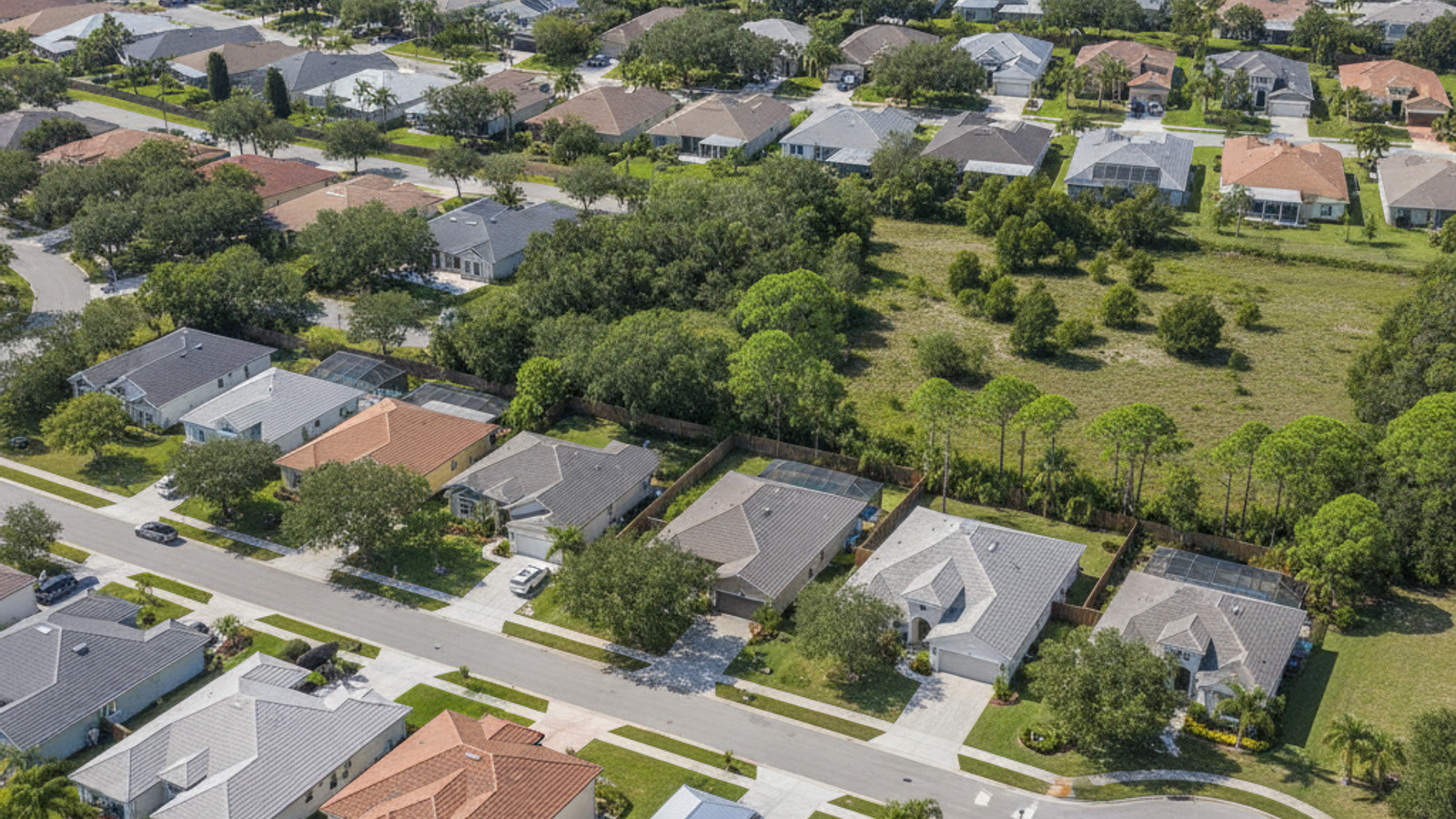
Median home prices in the Riverland Village area are ranging from $580,000 to $625,000 this spring. Homeowners watching these numbers often want to know exactly how quickly they can convert their equity into cash. The timeline depends on several moving parts, from initial preparation to the final signature at the closing table.
A successful sale requires understanding local demand and aligning your property with buyer expectations. Broward County buyers are active, but they are also careful with their offers. Knowing the typical timeline helps you plan your next move without unnecessary stress.
Market conditions dictate the pace of every transaction in South Florida. Factors like interest rates, neighborhood inventory, and property condition all influence how long your house will sit on the market. Understanding these elements allows you to take control of the selling timeline.
Current Real Estate Trends in Riverland
Across Broward County, the average time to secure a contract currently sits between 40 and 47 days. Once an offer is accepted, the total time to close stretches to around 80 to 90 days. These figures provide a baseline for anyone planning a move out of the Fort Lauderdale, FL area.
Sellers are seeing a list-to-sale price ratio of approximately 95 percent to 96 percent. This means buyers are negotiating slightly below the asking price, but homes priced correctly are still holding strong value. Reviewing recent sales data gives you a clear picture of what buyers are willing to pay.
Inventory levels in the Riverland area fluctuate depending on the season and broader economic trends. When fewer homes are available, buyers act faster to secure a property before someone else submits an offer. Monitoring the number of active listings in your immediate zip code helps you anticipate buyer behavior.
The condition of available homes also impacts the overall market averages. Turnkey properties with updated kitchens and modern bathrooms spend fewer days on the market than homes requiring extensive renovations. Buyers in Fort Lauderdale consistently show a preference for homes they can move into immediately.
The Timeline for Selling a House
The total days to sell a house breaks down into three distinct phases. You have the preparation period, the active marketing phase, and the closing process. Each stage requires specific actions from the seller, the real estate agent, and the buyer.
Delays in any one of these phases will push back your final closing date. Working efficiently through the initial steps ensures your listing hits the market with momentum. A well-organized approach prevents minor issues from turning into weeks of lost time.
Buyers pay attention to how long a property has been listed for sale. Homes that languish on the market often receive lower offers because buyers assume the seller is growing desperate. The following breakdown shows how long each part of the process usually takes.
Preparing the Property for Market
Most homeowners spend two to four weeks getting a property move-in ready before taking listing photos. This phase involves addressing deferred maintenance, decluttering rooms, and enhancing curb appeal. Taking the time to prepare the home reduces the average time to sell once it goes live.
Rushing this step often backfires when buyers spot noticeable flaws during their initial tour. A property that looks well-maintained signals to buyers that the unseen systems are likely in good condition as well. You should focus on high-impact updates that improve the overall presentation.
- Applying fresh, neutral paint to interior walls to brighten living spaces.
- Completing minor repairs to plumbing, hardware, and electrical fixtures.
- Staging primary living areas to highlight the floor plan and maximize perceived square footage.
- Power washing the driveway and updating landscaping to improve the initial curb appeal.
Showing the House to Buyers
Once the listing is active on the MLS, online marketing and open houses begin attracting potential buyers. During peak market conditions in Fort Lauderdale, well-priced homes often go under contract in 14 to 30 days. Properties that require extensive updates tend to accumulate more days on the market.
Buyers typically schedule tours within the first two weeks of a home hitting the market. Your real estate agent will gather feedback from these showings to gauge buyer interest. Consistent showings indicate that your asking price aligns with the current market value.
If showings are scarce during the first 14 days, you may need to adjust your marketing strategy. Professional photography and targeted online advertising play a large role in generating digital interest. A strong online presence translates directly into more physical foot traffic.
From Accepted Offer to Closing
The closing process generally takes 30 to 45 days in Broward County for offers involving traditional financing. This period includes the buyer's inspection contingency, the property appraisal, and the final mortgage underwriting. Delays in underwriting or issues discovered during the inspection can extend this timeline.
The inspection period usually lasts between 7 and 15 days, depending on the contract terms. If the inspector finds unexpected problems, you will need time to negotiate repairs or offer a seller credit. Resolving these issues quickly keeps the closing date on track.
Cash buyers bypass the mortgage process entirely, which alters the timeline. These transactions can close in as little as 10 to 14 days. Regardless of the financing type, securing title insurance and clearing any property liens must happen before the final transfer of ownership.
Riverland Features That Attract Buyers Quickly
Highlighting specific neighborhood amenities in your listing description often helps a property sell faster. Proximity to Riverland Woods Park and direct access to the New River are major selling points for local buyers. Properties near green spaces generate more initial interest online.
Commute times also play a major role in buyer decision-making. Riverland offers quick access to I-95 and a short drive into downtown Fort Lauderdale. Emphasizing these convenient transit routes captures the attention of buyers looking for an easy daily drive.
Local infrastructure and nearby commercial centers add value to a listing. Buyers appreciate having grocery stores, pharmacies, and dining options within a short driving distance. Mentioning these practical benefits in your marketing materials helps buyers visualize living in the neighborhood.
Buyers frequently prioritize homes that offer a balance of outdoor recreation and city accessibility. When your marketing clearly outlines these local benefits, buyers are more likely to schedule a tour. Clear, detailed property descriptions reduce the time a home spends waiting for an offer.
The Link Between Asking Price and Sale Speed
Setting the right asking price is the single biggest factor in determining your sale speed. Overpricing a property causes it to sit on the market, which leads buyers to assume something is wrong with the home. A thorough comparative market analysis ensures your price reflects recent sales in Riverland.
Sellers who price their homes two percent to three percent below comparable sales often generate multiple offers within the first week. This strategy creates urgency among buyers who are monitoring local inventory levels. A competitive price point drives more foot traffic and faster negotiations.
Adjusting the price after weeks of inactivity is less effective than pricing it correctly from day one. Price drops can signal weakness in your negotiating position. You should review current neighborhood data with your agent to establish a strong initial listing price.
Buyers have access to the same historical sales data that you do. They will compare your asking price to similar homes that have recently sold in the immediate zip code. Pricing transparently based on that data builds trust and encourages stronger initial offers.
Preparing for the Closing Table in Broward County
The final week before closing requires coordination between the title company, the buyer's lender, and both real estate agents. The title company conducts a public records search to ensure there are no outstanding claims against the property. Resolving municipal liens or open permits ahead of time prevents last-minute delays.
Buyers will conduct a final walkthrough of the property 24 to 48 hours before signing the paperwork. This walkthrough verifies that the home is in the agreed-upon condition and that all negotiated repairs are complete. Sellers should have all personal belongings removed and the property professionally cleaned before this inspection.
On closing day, you will sign the final transfer documents and hand over the keys. The proceeds from the sale are then wired to your bank account once the transaction is officially recorded with the county. Understanding this final sequence of events helps you plan your own move-out schedule with confidence.
Frequently Asked Questions
Does time of year affect how long my home sits on the market?
Spring and early summer typically see the highest volume of buyer activity in Broward County. Listings posted between March and June often secure contracts faster than those listed in late fall. However, appropriately priced homes will attract serious buyers regardless of the month.
Can I sell my Florida home faster by pricing it lower?
Listing slightly below the neighborhood average is a proven strategy to accelerate a sale. This approach often triggers immediate interest and can lead to competing bids. Buyers actively search for value, and a sharp price point makes your property stand out in the local MLS.
What decreases property value the most before selling?
Visible water damage and an aging roof are major red flags for potential buyers. Unpermitted additions also create hurdles during the appraisal and inspection periods. Addressing these major structural and compliance issues before listing prevents buyers from demanding steep discounts.