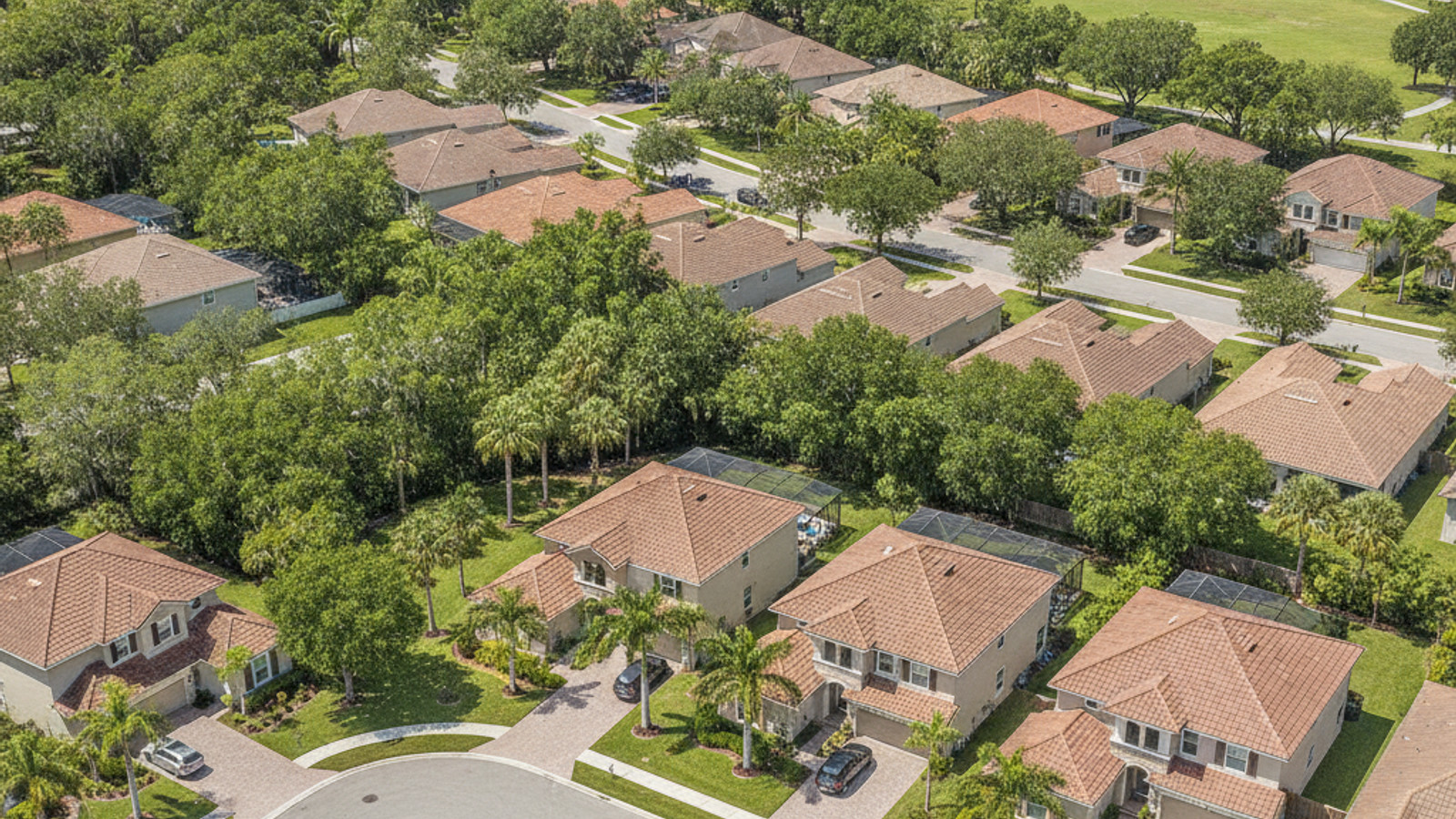
Those living in Riverland, FL know it as an established neighborhood on the western side of Fort Lauderdale - one that has its own identity even though it's been part of the city for more than two decades. It started out as a separate census-designated place called Riverland Village, then was officially annexed into Fort Lauderdale in 2002. The city limits changed; the neighborhood's character largely didn't.
If you're buying in this part of Broward County, the market is steady. The median home sale price runs around $409,000, and homes spend roughly 63 days on the market before closing. Knowing how this community developed helps put those numbers in context - and helps you understand what you're actually buying into within the broader Miami - Fort Lauderdale - Pompano Beach metropolitan area.
Where Riverland Is Located and How It Developed
Riverland sits entirely within Broward County, on the western side of Fort Lauderdale, carved out as its own pocket within the Miami - Fort Lauderdale - Pompano Beach metro. For decades, a significant chunk of this area operated as Riverland Village, just outside the formal city limits. That ended in 2002 when Fort Lauderdale annexed the community and brought its infrastructure and municipal services under direct city control.
The Meaning Behind the Name
The name isn't accidental. Fort Lauderdale has an extensive network of canals and waterways, and this neighborhood sits right alongside several of them. Early developers and residents used "Riverland" to describe the land bordering those inland waterways, and the name stuck. It still fits - the connection to the water and South Florida's broader boating culture is very much part of daily life here.
Local Landmarks and Community Spaces
The neighborhood is laid out around its residential streets and public green spaces. There's no large commercial downtown to speak of, but there are dedicated recreation areas, and they get real use.
Outdoor access is a consistent draw for people relocating to this part of Broward County. The local parks function as genuine gathering spots - not just decorative ones.
Spending Time at Riverland Park
Riverland Park is the anchor. Located at 950 SW 27th Ave, it covers 10.55 acres and is the primary community landmark for the neighborhood. The facility includes athletic fields, a recreation center, and a pool with a water playground. For residents who want to spend time outside without getting in a car, it does the job well.
The Current Real Estate Environment
The shift from independent village to Fort Lauderdale neighborhood has produced a stable housing market. Inventory sits at roughly 17 available homes at any given time, and the average sale-to-list price ratio is nearly 100% - meaning sellers aren't giving much away. Recent data shows about 9 homes sold in a single month. If you find something that works at the median price of around $409,000, don't sit on it.
What Riverland Is Known For Today
Riverland's reputation is straightforward: it's a mature, residential enclave that offers a quieter day-to-day environment than the dense, high-traffic commercial corridors closer to the coast. You're in the Broward County seat with all the infrastructure that comes with it, but the neighborhood itself has clear boundaries and a settled feel.
Proximity to the Broader Metro
Access to the rest of the Miami - Fort Lauderdale - Pompano Beach metro is direct. Major highways and employment centers throughout South Florida are within easy reach, which is a real part of why buyers target this area. You can come home to the parks and waterways and still be close to wherever you need to be during the workday.
Frequently Asked Questions
When were most of the original homes in Riverland, FL built?
It depends on the specific street. The area grew steadily over several decades before Riverland Village was officially annexed into Fort Lauderdale in 2002.
Are there historic district rules in Riverland that restrict how I can renovate my house?
No. The neighborhood has history, but it's not subject to strict historic preservation rules. You'll need to follow standard Fort Lauderdale building codes and zoning laws - same as anywhere else in the city.
What common age-related issues should buyers look out for during a home inspection in older Riverland properties?
Focus on roofs, older plumbing lines, and electrical panels. If the property is near the water - and some are - you'll also want a thorough inspection of the seawalls and foundation.
How has the historical development of Riverland impacted its property values compared to newer Fort Lauderdale neighborhoods?
The established nature of the community provides a stable baseline. The median home price sits around $409,000, with listings spending roughly 63 days on the market.
Does Riverland's history as an early waterfront community affect modern flood insurance rates?
Yes. Properties near Fort Lauderdale's canals often sit in designated flood zones. Ask your insurance agent to pull the current FEMA flood maps for any specific address you're seriously considering.
Do any of the older homes in Riverland qualify for Florida historic preservation tax exemptions?
It depends on the individual property. A home has to be officially designated as a historic landmark by the local or state government to qualify for those specific tax exemptions - it's not automatic based on age alone.