


Florida Living / The Homeowner Collection
A little planning. Greater peace of mind.
Prepare before a storm is named: check your evacuation zone, make a household and pet plan, assemble seven days of essentials, and arrange to secure your home. When a storm threatens, follow current county evacuation orders and official weather alerts.
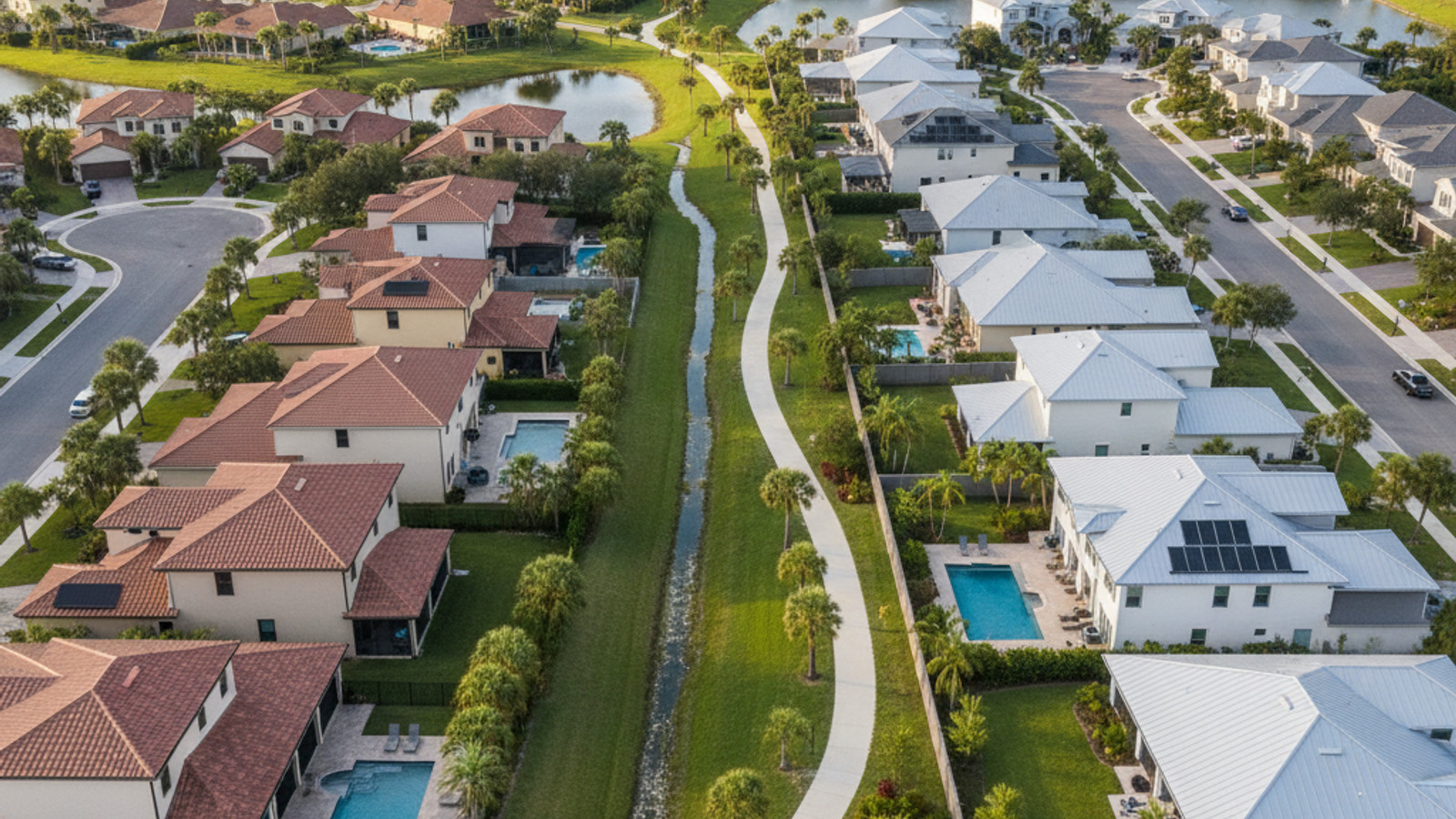
Owning a home in Port St. Lucie, Stuart, Palm City, Jensen Beach or Vero Beach means making storm preparation part of your homeownership routine. Use this guide as a planning checklist you can bookmark or print. It is an educational resource, not a live forecast or an evacuation determination.
01Know your evacuation zone and where you will go
Look up your exact address through Florida's Know Your Zone resource. Do not assume every home in the same community has the same risk. Your home's condition and construction also matter when planning where to shelter.
Choose a destination, transportation and backup route ahead of time. Write down an out-of-area contact and a meeting plan if household members become separated. Follow local evacuation orders promptly; this article cannot tell you whether your individual home is suitable for sheltering.
02Build a seven-day household supply kit
Florida recommends planning for at least seven days of essential supplies. Start with the official disaster supply checklist and adapt it to your household:
- Water: one gallon per person per day for seven days, for drinking and sanitation.
- Nonperishable food, a manual can opener and food for pets.
- Flashlights, batteries, a battery-powered radio, phone chargers and charged power banks.
- First-aid supplies, hygiene items, cash and copies of important documents.
- Prescription and medical supplies, arranged with your healthcare provider, plus infant or accessibility supplies as needed.
Put evacuation essentials in a portable bag. Check expiration dates and battery condition regularly. Florida Health also provides an emergency preparedness resource for families.
03Make a specific plan for pets and additional support
Confirm that your destination accepts your animals. Pack carriers, leashes, identification, food, water, medications and veterinary records. Confirm current shelter requirements through local officials rather than assuming all shelters accept pets.
If someone needs transportation assistance, powered medical equipment or other support, contact county emergency management well before a storm. Ask about registration, eligibility and backup arrangements; registration alone should not be treated as a complete evacuation plan.
04Prepare the home before weather deteriorates
- Locate shutter hardware, keys and installation instructions; arrange help in advance if needed.
- Review roof, window, door and drainage concerns with qualified professionals before storm season.
- Plan how to bring outdoor furniture, decorations and loose items inside.
- Photograph the home's condition and belongings; keep accessible copies of policies and service contacts.
- For seasonal residents, put preparation responsibilities and access arrangements in writing with your home-watch provider or trusted contact.
Ask your HOA or condominium association which responsibilities belong to the association and which belong to you. Community amenities, gates and maintenance services do not replace a household emergency plan.
05During the storm and after it passes
Follow official alerts and stay away from windows while sheltering. Do not go outside during a temporary lull. Return to an evacuated area only when authorities say it is safe.
Never walk or drive into floodwater. Avoid downed power lines and damaged buildings. Operate portable generators outdoors, more than 20 feet from the home, doors and windows; never use them in a garage. See the National Weather Service hurricane preparedness guidance for storm, flood and generator safety.
Once it is safe, document damage and contact your insurer for claim instructions. Have qualified professionals assess structural or electrical damage before entering or restoring service. Call 911 for an immediate life-threatening emergency.
Questions to ask before buying a Treasure Coast home
Make storm preparation part of your property due diligence. Request available roof permits, shutter or impact-opening documentation, inspection reports and association maintenance information. Obtain property-specific insurance advice and quotes early. A community name, newer construction or a seller's description does not establish that a property is stormproof.
Ann Marie and Jamie Chauss can help you organize the real estate questions and identify documents to request. Licensed inspectors, contractors, insurance professionals and emergency officials should address their respective areas.
Quick questions homeowners ask
Does a hurricane category tell me whether to evacuate?
Use official evacuation orders and property-specific planning. A single category label is not a substitute for local instructions or a complete picture of a storm's hazards.
Can I save a copy for an internet outage?
Yes. Bookmark this guide or use your browser's Print option to save a copy. Keep downloaded official checklists with your household plan so you can access them during an outage.
Where should I check for updates?
Use Florida Disaster's planning resources and your county emergency management office. Check current alerts whenever a storm threatens; this guide is not continuously monitored.
Planning a move on the Treasure Coast?
Talk with Ann Marie and Jamie about comparing homes, reviewing available property documents and planning your next move in Port St. Lucie and surrounding Treasure Coast communities.
Prefer the website? Visit our appointment page.
Image: Treasure Coast House Hunters website media. Sources: Florida Division of Emergency Management, Florida Department of Health and National Weather Service. Review official guidance for current conditions and instructions.