Fort Lauderdale has no shortage of employment, but finding a neighborhood that actually makes sense on paper - commute times, housing costs, quality of life - takes more than a quick map search. For anyone living in Riverland, FL, the area sits just southwest of downtown, residential enough to feel removed from the chaos, but close enough that you're not spending your life in the car.
The median home sale price here runs around $408,858, and average rents hover near $2,241 a month. Those numbers won't make anyone faint, but they're meaningfully lower than what you'll pay in the waterfront condo corridors. For buyers and renters sizing up the Fort Lauderdale market, that gap - combined with easy highway access - is usually what puts Riverland on the shortlist.
Evaluating the Area for Career and Lifestyle
Riverland is a residential neighborhood, not a mixed-use district, so your daily work life happens elsewhere. That's not a knock on the area - it just means you're trading the walk-to-everything convenience of, say, a downtown high-rise for more space and lower overhead. The Fort Lauderdale metro economy is broad enough that the actual commute to most major employment centers stays manageable.
The city's key industries - aerospace, finance, marine technology, healthcare - all have significant footprints nearby. Living here puts you within a short drive of those economic centers without requiring you to pay the premium that comes with living inside them.
Major Employers and the Local Job Market
A few household names anchor the local employment base. Broward Health, AutoNation, and Citrix all run major operations in the area and collectively draw a large workforce from surrounding neighborhoods.
National Beverage Corporation, Zimmerman Advertising, and Kaplan round out the roster of notable employers. The Fort Lauderdale-Hollywood International Airport is also a significant hub for Spirit Airlines, which means a steady supply of aviation and corporate operations roles.
Cost of Living and Housing Prices
The median sale price in Riverland sits at approximately $408,858, and homes are averaging about 63 days on the market. There's roughly 5.6 months of housing supply right now - more breathing room than you'll find in tighter coastal neighborhoods, which tends to give buyers a bit more leverage at the table.
For renters, NeighborhoodScout puts the average in Riverland at around $2,241. That's the price for staying close to downtown Fort Lauderdale without actually paying downtown rates.
Lifestyle, Dining, and Weekend Activities
Riverland carries a Walk Score of 61 - moderately walkable, not a car-free utopia. You've got local parks and spots like Marina 84 Sports Bar & Grill for a low-key weekend afternoon.
What you won't find is high-density entertainment within the neighborhood itself. Riverland functions as a home base. The tourist-heavy beach scene and the denser nightlife corridors are a short trip away, and most residents seem to consider that a feature rather than a bug.
Neighborhoods and Housing Options in the Area
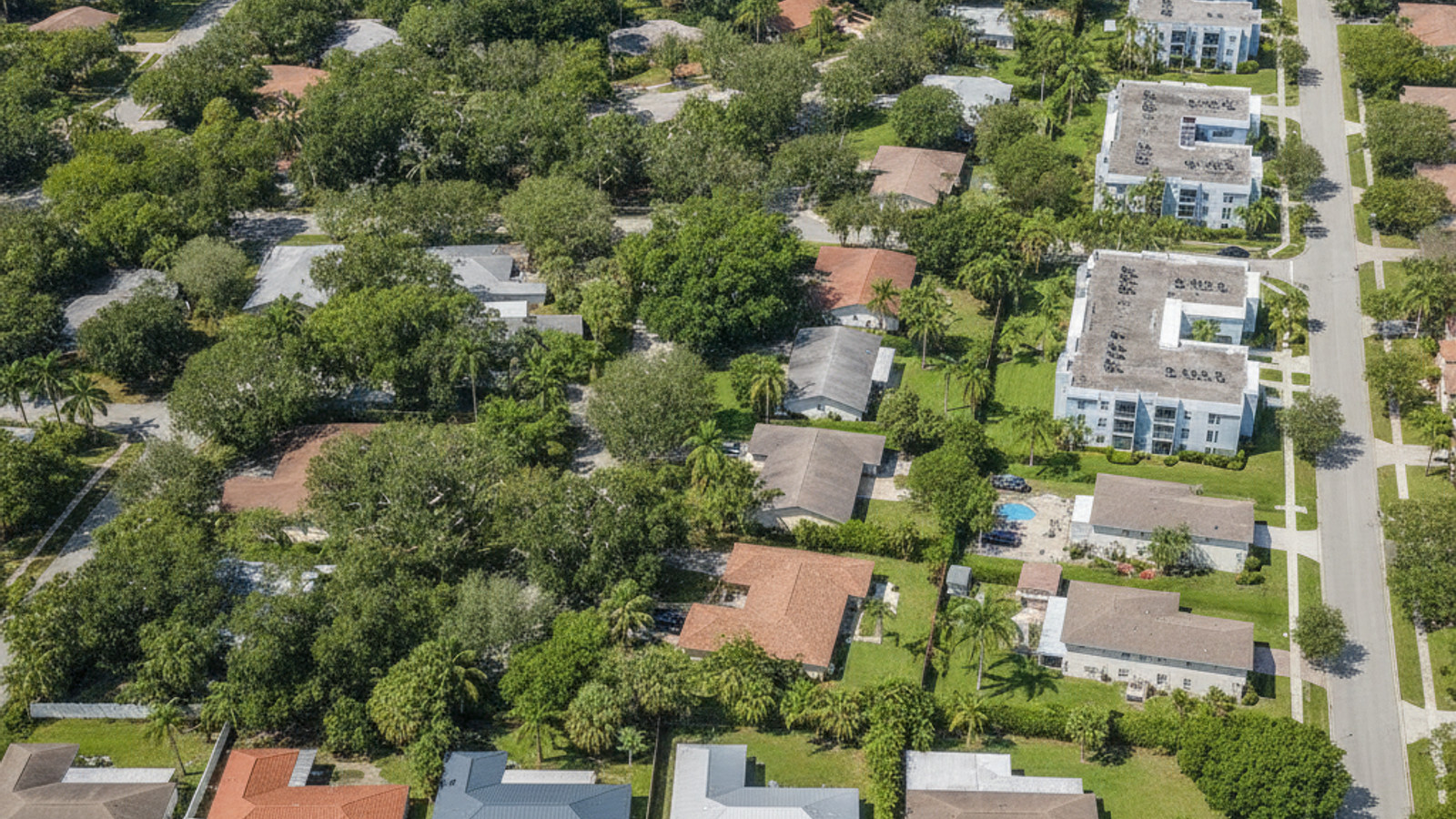
The housing stock here is a blend of older, established single-family homes and newer multifamily construction. Geographically, Riverland sits northeast of Melrose Park and southwest of Dorsey-Riverbend - useful context if you're trying to triangulate on a map.
Buyers who come through this part of Fort Lauderdale tend to compare it to Rio Vista, Tarpon River, and Sailboat Bend. Where you land depends on what you're actually optimizing for - highway access, square footage, proximity to transit, or some combination of all three.
Where to Find Nightlife and Entertainment
There's no dedicated nightlife district in Riverland. That's just the reality. When residents want a proper evening out, they head into downtown Fort Lauderdale.
Las Olas Boulevard is the obvious draw - restaurants, galleries, shopping, all concentrated in one stretch. Flagler Village and the FATVillage Arts District pull a younger crowd on weekends with breweries, murals, and coffee shops. Neither one is far.
Attainable Housing in Riverland Village
The Riverland Village sub-area is worth a closer look if you want residential streets and detached homes with actual yard space. Lots here tend to run larger than what you'd find in denser parts of the city.
With the overall Riverland median hovering around $408,858, this pocket represents one of the more realistic entry points into the Fort Lauderdale market. Buyers who've been priced out of Rio Vista or Colee Hammock frequently redirect their search here.
Commuting and Remote Work Setups
I-95 is close, which makes the math on regional commutes work - north to Boca Raton or south to Miami both stay reasonable. Marina Mile Boulevard and Davie Boulevard serve as the main local corridors bordering the neighborhood.
For public transit, Broward County Transit buses cover the area, and the free Sun Trolley operates the Las Olas, Downtown, and Beach Links routes nearby. If you need to go further, Tri-Rail and the Brightline high-speed train are both accessible from downtown Fort Lauderdale.
New Apartment Developments
New multifamily inventory is coming into the neighborhood. The Riverland Apartments at 420 SW 27th Avenue is one example - a resort-style development that brings modern amenities to an area where older single-family homes still dominate the streetscape.
If on-site fitness centers, pool decks, and updated finishes matter to you, these newer buildings are worth touring. They're a different product than the existing residential stock, and they're priced accordingly.
Renting an Apartment in the Neighborhood
The rental market in Riverland includes both private landlords renting out single-family homes and managed apartment complexes. Knowing which type you're dealing with matters, because the application process and lease terms can differ significantly.
Standard South Florida practice means budgeting for first month's rent, last month's rent, and a security deposit before you sign anything. For newer, higher-demand units, having your documentation ready before you tour will save you from losing a unit to someone who applied that same afternoon.
Average Rent and What to Expect
The $2,241 average gives you a working baseline, but individual units will move around that number based on building age, parking situation, and how close you are to major roads. Don't treat the average as a ceiling or a floor - treat it as a starting point.
One thing worth asking every landlord: whether utilities or internet factor into the base rent. Older homes in the area often put all utility accounts on the tenant, which affects your real monthly number.
Amenities vs. Value Picks
The newer developments charge a premium for modern finishes, gated access, and community amenities. If a resort-style pool is essential, plan to pay at or above the neighborhood average.
Older buildings and duplexes scattered through the area tend to offer more square footage per dollar. You might give up the fitness center, but the trade-off often makes sense for renters who aren't going to use it anyway.
Meeting People and Building a Network
Moving to a new city without a built-in social circle takes some deliberate effort. Fort Lauderdale has organizations that make this easier, and Riverland's location just outside downtown means attending evening events or weekend meetups doesn't require planning your whole day around the trip.
Getting plugged in early matters more than most people expect.
Professional Networking Events
The Greater Fort Lauderdale Chamber of Commerce covers the Riverland area and runs the Rising Leaders Council, which targets professionals aged 21 to 40. Regular events focus on professional development, community involvement, and local networking - practical stuff, not just cocktail hours.
It's a straightforward way to start meeting people working across the city's various industries without waiting for introductions to happen organically.
Civic Groups and Councils
The Urban League operates young professionals councils in the broader Fort Lauderdale area, organizing volunteer opportunities and leadership training. Beyond that, Broward County has a wide range of culturally specific and faith-based networking groups that frequently run social hours in downtown Fort Lauderdale - a short drive from Riverland.
None of this requires a huge time commitment to start. Showing up once is usually enough to figure out whether a group is worth coming back to.
Frequently Asked Questions
What is the average cost of a starter home for young professionals in Riverland, FL?
The median sale price in Riverland runs approximately $408,858. Homes are averaging about 63 days on the market and generally selling just under their list price.
How is the daily commute from Riverland to major downtown Fort Lauderdale employment hubs?
It's short. Riverland sits just southwest of downtown, with quick access to Davie Boulevard and I-95. From there you can connect to the Sun Trolley or the Brightline station in the central business district.
Does the Riverland neighborhood have good walkable amenities, cafes, and nightlife for young adults?
Riverland has a Walk Score of 61 and a few local spots like Marina 84 Sports Bar & Grill. For a wider range of cafes, breweries, and nightlife, most residents head to Las Olas Boulevard or Flagler Village - neither is far.
How does buying in Riverland compare to nearby millennial hotspots like Victoria Park or Tarpon River?
Riverland generally offers a more attainable entry point. The median home price sits around $408,858, and the neighborhood is noticeably quieter and less dense than the higher-priced districts closer to downtown.
What are the biggest downsides or trade-offs of living in Riverland right now?
The main trade-off is walkable nightlife and entertainment - there isn't much within the neighborhood itself. What you get in return is larger lots and lower housing costs. Whether that's the right trade depends on how you actually spend your time.
Is Riverland considered a solid real estate investment for a young first-time homebuyer?
At 5.6 months of supply with homes selling at roughly 99.8% of list price, the market here is balanced rather than frenzied. The addition of new developments like Riverland Apartments points to continued investment in the neighborhood's infrastructure, which is generally a decent signal.