Real Estate News & Market Trends on Florida's Treasure Coast

You’ll find our blog to be a wealth of information, covering everything from local market statistics and home values to community happenings. We feature topics relevant to the Treasure Coast of Florida which includes, Stuart, Port St Lucie, Vero Beach, Palm City & Jensen Beach. That’s because we care about the community and want to help you find your place in it. Please reach out if you have any questions at all. We’d love to talk with you!

June 4, 2026

How to Stage Your Home to Sell in PGA Village, FL

As of late summer 2026, the median sale price in the 34987 zip code - which includes PGA Village, FL - sits at roughly $444,058. Inventory is hovering around 565 available homes, with about a five-month supply on the market. That's a real amount of competition when you decide to sell a home in PGA Village, FL.

Homes here are averaging 108 days on market before closing. That's a long time to carry a listing, and it makes presentation matter more than it might in a faster market. Staging isn't a guarantee, but it's one of the clearest, most controllable steps you can take to attract more showings and get offers closer to your asking price.

Why Staging Your House Matters in PGA Village

Staging means preparing and presenting a home specifically to highlight its strengths. The 2025 National Association of Realtors (NAR) Profile of Home Staging found that 83% of buyers' agents say staging makes it easier for buyers to visualize a property as their future home - which is ultimately the only thing that gets someone to write an offer.

The effect on price and speed is documented well enough to take seriously. NAR-cited figures show staged homes sell 73% faster than non-staged ones. Brokerages report that staging can increase the final sale price by 5% to 10%.

How Staging Affects Days on Market

When you're already looking at a market that averages over 100 days to sell, shaving time off that number is a real priority. The Real Estate Staging Association (RESA) has reported an average return on investment of over 200% for staging services. A separate analysis put the average ROI at 312%.

These figures come from staging associations and vary by market, so take them as directional rather than precise. The consistent finding underneath all of it is simpler: polished homes photograph better, get more showings, and don't sit as long.

Helping Buyers Visualize the Space

Empty rooms have a way of looking smaller in listing photos than they actually are. Furniture gives buyers a sense of scale - how a king-sized bed actually fits in the primary suite, or how a dining table sits in an open-concept space. Without it, buyers are left guessing, and guessing doesn't move people to make offers.

The 2025 NAR report also notes that only 21% of agents stage all their listings before going to market. If you stage and most of your competition doesn't, that gap shows up in the photos.

Typical Home Staging Costs in PGA Village

What you'll spend depends on your home's size and how much furniture needs to come in. Nationally, the median cost of professional home staging runs about $1,500 when using a dedicated staging service. For larger properties or full-house furnishing, you'll spend more - national cost guides put the average range at $1,500 to $4,000, depending on the local market and whether the home is vacant or occupied.

Pricing for Professional Services

A full-service engagement for an empty house usually starts with an initial consultation, which typically runs $150 to $600. From there, you're paying for furniture rental and setup.

Whole-home physical staging often lands at $2,000 to $5,000 or more. Per-room furniture rental generally runs about $500 to $800 per month, and most staging companies require a two- or three-month minimum contract - worth knowing before you sign anything.

Price Differences for Vacant and Occupied Homes

A vacant home - especially a larger estate-style property - needs rented furniture to define the space. The stager is bringing in everything from sofas to artwork, so costs land at the higher end. There's no way around that if you want the rooms to read correctly in photos.

An occupied home is a different calculation. If your existing furniture is in reasonable shape and appropriately scaled, a stager can often work with what you have - editing, rearranging, and adding accent pieces rather than hauling in full sets. That usually costs less.

Choosing Between Professional and DIY Staging

This comes down to your budget, your timeline, and the condition of what's already in your home. Professional stagers bring an experienced eye and a warehouse of current furnishings. If your home shows well already, you may not need all of that.

Sellers with a tight budget or a well-decorated home often handle staging themselves. Your listing agent should be able to give you an honest read on which approach makes sense for your specific property - don't skip that conversation.

When to Hire a Professional

If your home is completely vacant, hire a professional. Empty rooms simply don't show well, and buyers touring a hollow house have a hard time connecting with the space.

A professional is also worth the cost if your existing furniture is heavily worn, oversized, or very specific to your personal taste. Stagers replace those pieces with neutral, appropriately scaled furnishings that don't ask buyers to work too hard.

A Simple DIY Staging Checklist

If you're staging yourself, the goal is to maximize light and space. Most of what moves the needle can be done in a couple of weekends.

Before listing photos are taken, work through these:

  • Remove personal photographs, diplomas, and collections.
  • Clear all kitchen and bathroom countertops of daily appliances and toiletries.
  • Open all blinds and curtains to maximize natural light.
  • Remove excess furniture to create clear, wide walking paths.
  • Add fresh, neutral paint to any walls with bold or custom colors.

Room-by-Room Staging Tips for Golf Community Homes

PGA Village homes often feature open floor plans, high ceilings, and views of the golf course or nature preserves. Those are real selling points - staging should put them front and center, not compete with them.

Buyers shopping in this area expect something clean, bright, and airy. Each room should have a clear purpose and feel connected to the next.

Living Rooms and Kitchens

In the living room, arrange seating in a U-shape or H-shape and pull furniture slightly away from the walls. It sounds counterintuitive, but a little breathing room between furniture and walls makes the room feel larger, not smaller. If there's a golf course or preserve view, orient the layout toward it.

The kitchen is simple: clear the countertops completely. Leave one or two deliberate items - a bowl of fresh fruit, a simple vase - and nothing else. Make sure cabinet hardware is clean, and organize the pantry. Buyers will open it.

Primary Bedrooms and Bathrooms

The primary bedroom should feel like somewhere you'd actually want to sleep. Crisp, white bedding and a few textured throw pillows go a long way. Keep it restrained.

Bathrooms require thoroughness. Clear the shower and vanity of all personal items, hang fresh white towels, and pull the bathmats off the floor to show the tile. It's a small thing that photographs well.

Curb Appeal and Entryways

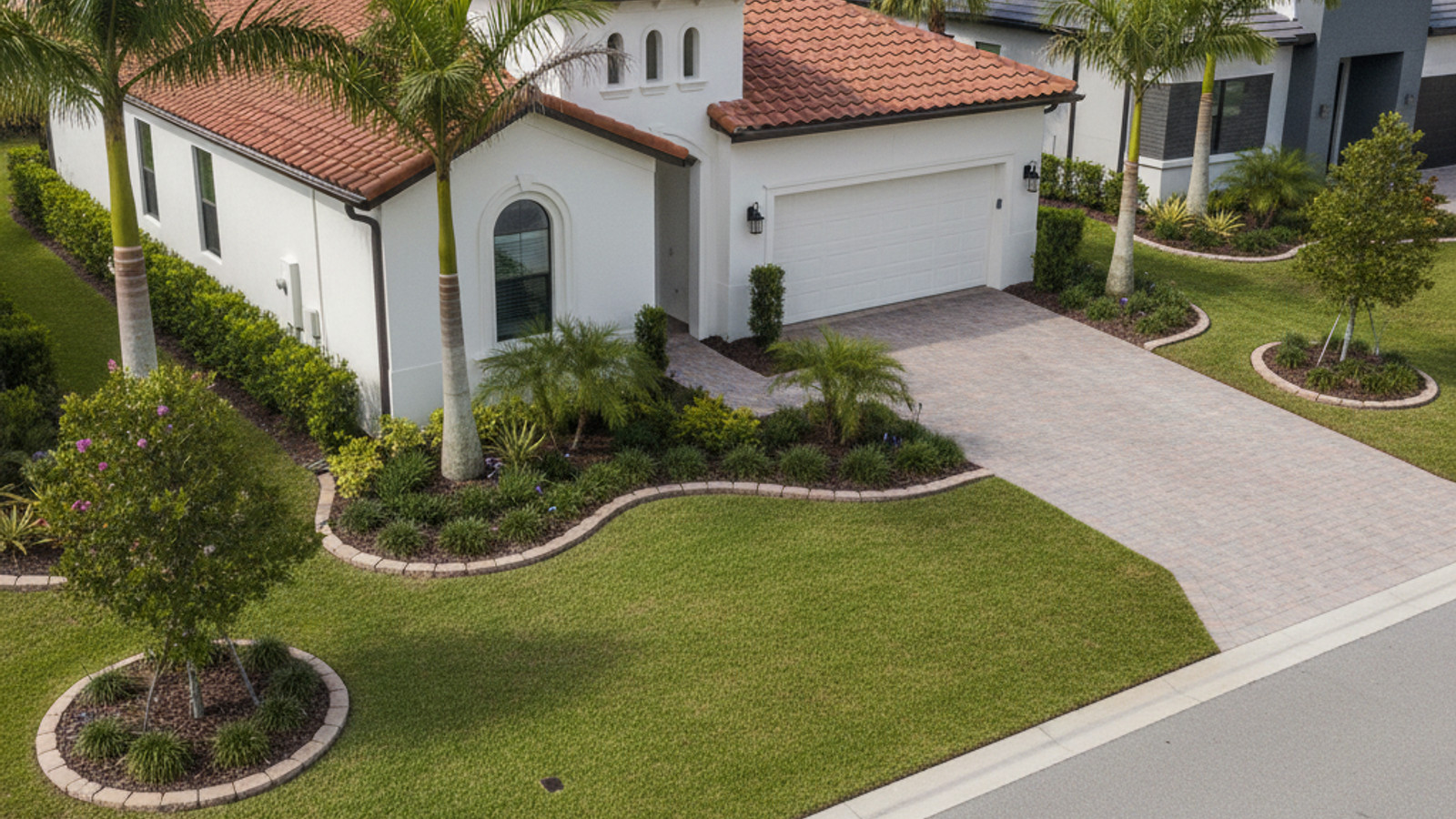
Buyers have already formed an opinion before they open the front door. Power wash the driveway, lay fresh mulch, and keep the landscaping trimmed. First impressions in this market happen fast.

Inside the entry, keep it simple - a clean welcome mat, a potted plant, a clutter-free foyer. That combination signals a well-maintained home before anyone has seen a single room.

Tactics for Occupied Versus Vacant Homes

Living in a staged home takes some daily discipline. You'll need a system that lets you get the house show-ready on short notice, because last-minute showing requests happen.

Vacant homes are a different problem entirely. Without furniture, buyers stop looking at the potential of the space and start noticing every scuff and imperfection.

Staging While You Still Live There

Get a few attractive storage baskets or bins and use them to quickly stash mail, toys, and pet supplies before a showing. Make a habit of wiping down counters and making beds every morning - not because every day will bring a showing, but because the habit is faster than the scramble.

While the home is on the market, try to limit cooking with strong odors. You want buyers walking into a space that smells neutral and fresh.

Using Virtual Staging for Empty Houses

Virtual staging uses software to drop digital furniture and decor into photos of empty rooms, which helps online buyers read the space without the cost of renting physical furniture. VSH Media, a Port St. Lucie-based virtual staging provider, advertises rates starting around $18 per image - in line with the national range of $24 to $100 per image.

It's a budget-friendly option for getting online attention. Just know that buyers who schedule a tour will still walk into an empty, echoing house.

Local Staging Services Serving Port St. Lucie

No major staging company focuses exclusively on PGA Village, but several regional businesses serve the community through the broader Port St. Lucie metropolitan area. It's worth doing some homework rather than just going with whoever comes up first in a search.

Local directory listings point to a number of options for physical staging, including RDInteriorDesigns, Picture Purrfect Home Staging & Design, K Ashton Interiors, and Wanda Lopez Dream Homes.

Finding the Right Fit

Look at a stager's portfolio before you commit. A modern, minimalist approach might suit new construction, while a transitional style tends to work better for traditional golf course homes. The fit matters.

Other local providers in the area include Baylee Deyon Design, Coastal Living Interiors, Circa Style Interiors, Gregory Charles Interiors, and Hazel House. Ask your agent which of these they've actually worked with - that's worth more than any online review.

Questions to Ask Before Hiring

Before you sign a contract, get clarity on exactly what's included. Costs and terms vary more than you'd expect.

Bring these questions to your initial consultation:

  • What is your monthly furniture rental fee after the initial term?
  • Do you require a two-month or three-month minimum contract?
  • Are you insured in case of damage to the property during move-in?
  • Does your quote include the cost of moving the furniture out once the home sells?

Home Staging FAQs

Does home staging help sell a house faster in PGA Village?

Yes. Staged homes sell 73% faster than non-staged homes, according to figures cited by the National Association of Realtors. With the local market averaging 108 days on market, staging helps listings stand out and attract offers more quickly.

How much does it cost to stage a house in PGA Village?

Costs range from $1,500 to $4,000 on average for professional staging. An initial consultation typically costs between $150 and $600, followed by monthly furniture rental fees of roughly $500 to $800 per room.

Is it better to hire a professional home stager or do it myself?

It depends on your budget and the home's condition. Vacant properties benefit greatly from professional furniture rental to establish scale, while occupied homes can often be staged on a DIY budget by decluttering and rearranging existing pieces.

What should I NOT do when staging my PGA Village home?

Don't leave personal items, family photos, or daily clutter visible. Avoid bold, custom paint colors, and don't push all your furniture flat against the walls - it makes rooms feel smaller and less inviting.

How should I stage a house I'm still living in versus an empty one?

For an occupied home, focus on deep cleaning, depersonalizing, and using baskets to quickly hide daily items. For an empty house, rent physical furniture for primary rooms like the living area and primary bedroom so buyers can gauge the size of the space.

What is virtual staging, and is it enough for my listing in PGA Village?

Virtual staging adds digital furniture to listing photos for about $18 to $100 per image. It works well for attracting online buyers to an empty house, but buyers will still see a vacant, echoing home when they tour it in person.

How long does the home staging process take before I can list?

The timeline varies based on the scope of work. Decluttering and DIY staging can take a few weekends, while professional stagers typically need a few days to deliver and arrange furniture after your initial consultation.

Can staging increase my home's final sale price?

Brokerages report that professional staging can boost your final sale price by 5% to 10%. This upfront investment often results in a measurable increase in home value by the time you reach the closing table.

Are staging costs covered by my agent?

Professional staging is generally an out-of-pocket expense for the seller, rather than a service paid out of real estate commissions in PGA Village. Your listing agent can provide an honest assessment of whether this investment makes sense for your specific property.e, while occupied homes need physical decluttering and styling.
Posted in Selling
June 4, 2026

Selling a Home in 2026: Seller Closing Costs in PGA Village, FL


The median listing price for a single-family golf course estate in PGA Village, FL often exceeds $600,000. When preparing to list a property in this Port St. Lucie community, homeowners need a precise accounting of the fees extracted before the final wire hits their bank account.

Sellers typically surrender a percentage of their final sale price to taxes, agent commissions, and title fees. Understanding these line items early prevents unpleasant surprises at the closing table. A well-prepared homeowner can accurately project their net proceeds long before reviewing the final settlement statement.


Average Expenses for Port St. Lucie Sellers

A Florida seller usually pays between 7 percent and 9 percent of the final sale price in closing fees. On a $500,000 home sale, this translates to roughly $35,000 to $45,000 in transaction costs. These figures account for title insurance, government taxes, and real estate commissions.

Your outstanding mortgage payoff is deducted from your net proceeds, but it is entirely separate from your closing costs. The settlement agent will request a payoff statement from your lender to clear the existing debt. Once the mortgage is satisfied and the closing fees are paid, the remaining balance becomes your final profit.


Real Estate Commissions After Recent Industry Changes

The real estate commission remains the largest single expense on a seller's settlement statement. In St. Lucie County, listing agents charge a fee to market the property and place it on the multiple listing service. Since the National Association of Realtors settlement changes went into effect, the way sellers handle buyer's agent fees has shifted.

Sellers are no longer required to offer a pre-set compensation to the buyer's agent directly through the MLS. Instead, commission structures are fully negotiated upfront when you sign your listing agreement. You can still choose to offer buyer agent compensation to attract more offers, but this amount is a discussion you should have with your real estate agent.


State Transfer Taxes and County Property Taxes

Florida imposes a documentary stamp tax on all real estate deed transfers. The state sets this transfer tax at $0.70 per $100 of the sale price. For a $500,000 transaction, the seller must pay $3,500 to the state just to transfer the deed to the new owner.

Florida property taxes are paid in arrears, meaning the bill for 2026 will not be due until the end of the year. Because of this, the seller owes the buyer for the portion of the year they owned the home. The settlement agent calculates these prorated property taxes based on the exact closing date and credits the buyer on the settlement statement.

Local tax rates dictate the exact amount deducted from your proceeds. St. Lucie County total millage rates average around 21 to 22 mills, depending on the specific property location. Your real estate attorney or title company will use the previous year's tax bill to estimate your prorated share.


Homeowner Association Fees and Estoppel Letters

Transferring a property in PGA Village, FL involves specific homeowner association costs. The title company must order an estoppel letter from the HOA to verify your account balance and confirm there are no outstanding violations. Florida law caps standard estoppel letter fees at $299, though the HOA can charge up to $537 if you request a rush order or have delinquent balances.

The seller must provide the required HOA disclosure form to the buyer before closing. This form outlines the community rules and financial obligations for the incoming owner. Your final settlement statement will also account for several other community-specific charges:

  • Prorated HOA dues: The amount you owe depends on whether your property is a villa, townhome, or single-family estate.
  • Capital contribution fees: While buyers customarily pay this one-time reserve fund fee, sellers sometimes agree to cover it during negotiations.
  • Transfer fees: The management company charges an administrative fee to update their records with the new owner's information.


Title Insurance and Settlement Fees

Custom dictates who pays for the owner's title insurance policy, and in St. Lucie County, this expense falls to the seller. Title insurance protects the new buyer against past defects, liens, or claims against the property. Florida title insurance rates are promulgated by the state, meaning the cost is fixed based on the home's purchase price.

Before issuing the policy, the title company conducts a thorough title search and a municipal lien search. These searches ensure there are no unrecorded utility debts or open permits attached to the property. The seller covers the cost of these searches to prove they are transferring a clear title.

You will also pay a settlement fee to the real estate attorney or title company managing the transaction. This fee covers the preparation of the deed, the coordination of the closing table, and the recording fees required to file the new documents with the county. Sellers should budget around $500 to $800 for the settlement agent's services.


How PGA Village, FL Amenities Impact Your Bottom Line

High property values help offset the expenses associated with selling a home. PGA Village, FL maintains strong listing prices due to its immediate proximity to the PGA Golf Club. Buyers are willing to pay a premium for easy access to championship golf courses and local clubhouses.

The community's location provides convenient transit routes for local residents. Drivers can reach West Palm Beach in about 35 minutes via the nearby I-95 interchange at Exit 121. Cleveland Clinic Tradition Hospital is also just a 10-minute drive away, offering excellent local healthcare access.

These neighborhood features justify higher asking prices on the local market. A higher final sale price means the seller absorbs the closing costs more easily while still walking away with substantial equity. Your real estate agent will highlight these local amenities to maximize your return on investment.


Frequently Asked Questions

Who normally pays for title insurance in St. Lucie County?

In St. Lucie County, local custom dictates that the seller covers the cost of the owner's title insurance policy. This differs from other Florida counties where the buyer might pick up the tab. On a half-million-dollar property, this state-regulated expense adds about $2,575 to the seller's side of the ledger.

How are property taxes prorated at closing in Florida?

Florida taxes are billed at the end of the calendar year for the previous twelve months. If you sell your home on June 30, you must credit the buyer for the six months you lived there. The title agent uses your most recent tax bill from the county appraiser to calculate the exact daily rate.

What is the Florida Documentary Stamp Tax?

The documentary stamp tax is a state-mandated fee charged whenever real estate ownership changes hands. The rate is calculated at $0.70 per $100 of the final purchase price. This means a $600,000 home sale generates a $4,200 tax bill that the seller pays at the closing table.

Posted in Selling
June 4, 2026

Seller Disclosures in PGA Village, FL: What Homeowners Need to Know in 2026


Selling a home in St. Lucie County requires careful attention to paperwork and local regulations. The median home price in Port St. Lucie, FL has shifted over the past year, making buyers more cautious about property conditions before they finalize a contract.

Completing Seller Disclosures in PGA Village, FL involves specific community details alongside state laws. Missing a required form can delay your closing or lead to legal disputes long after you hand over the keys.


State Rules for Property Disclosures

Florida law requires sellers to reveal known material defects that affect the value of the property. This requirement stems from the landmark Johnson v. Davis Supreme Court of Florida decision. A defect is considered material if it alters the home's worth and is not readily observable to the buyer.

Listing your home "as-is" does not exempt you from this state law. You must still inform buyers about hidden issues like past termite damage, unpermitted additions, or active code enforcement violations. Providing this information upfront protects you from future liability.

The standard practice is to deliver these disclosures before the sales contract is executed. Buyers use this information to determine their offer price and decide how to proceed with their home inspection.


Recent Updates to Flood Disclosure Laws

A major legislative update took effect late last year, changing how sellers handle water damage. For all 2026 sales, Florida law requires homeowners to complete a dedicated flood disclosure form. This applies to every residential property transaction across the state.

You must disclose any known flood damage that occurred during your ownership. The form also asks whether you have filed insurance claims for water intrusion or received federal assistance for flooding. Standard homeowners insurance typically excludes flood damage, making this information vital for prospective buyers.

Buyers use these details to secure accurate quotes for separate flood insurance policies. Failing to provide this specific document can give the buyer grounds to cancel the real estate transaction.


Handling HOA and Community Assessments

Properties inside this master-planned community carry specific financial obligations that buyers need to see in writing. Sellers must provide a Homeowner Association Disclosure summarizing all mandatory assessments. These documents outline the financial health of the neighborhood and the buyer's future monthly costs.

PGA Village, FL and the adjacent Verano neighborhoods include master Property Owners Association (POA) dues alongside specific subdivision fees. For 2026, monthly HOA fees across the various subdivisions range from roughly $444 to $587. Some sections also carry Community Development District (CDD) assessments to fund local St. Lucie County infrastructure.

Buyers often ask about the 54 holes of championship golf operated by the PGA. You should clarify on your listing that golf club membership is entirely optional. Buyers will not inherit a mandatory country club fee just by purchasing your home.


Pricing and Property Types in the Current Market

Setting the right asking price starts with understanding how your specific property type fits into the local market. The community features a wide mix of attached villas, townhomes, condos for sale, and large single-family estates. An accurate sales history on the multiple listing service helps appraisers find the right comparable homes.

Attached villas currently start in the mid $300,000s. Larger single-family homes range from the $500,000s to well over $1,000,000 depending on lot size and golf course frontage. The value of the property depends on the specific subdivision and any recent upgrades you have completed.

Real estate agents use this pricing data to prepare your listing for the Treasure Coast market. Clear pricing paired with complete property disclosures makes the selling process smoother. Buyers are more likely to submit strong offers when they have all the facts upfront.


Completing and Delivering Your Disclosure Forms

The most efficient way to document your home's condition is by using the standard Florida Realtors® seller's property disclosure form. This document walks you through every major system in the house, from the roof to the plumbing. You simply check boxes to indicate whether an item has a known defect or has been replaced.

You should work with your real estate agent to ensure all known facts are documented accurately. Guessing dates or leaving sections blank can raise red flags for buyers reviewing PGA Village homes for sale. If you do not know the answer to a question, the form allows you to state that you are unsure.

Hiding a known material defect exposes you to severe legal risks. Buyers who discover undisclosed issues after closing can pursue lawsuits alleging fraud. Delivering a complete and honest disclosure upfront protects your proceeds and finalizes the sale cleanly.


Frequently Asked Questions

Is a seller disclosure required in Florida?

Yes, state law mandates that sellers reveal known material defects that are not easily visible to a buyer. This applies to all residential properties, including those sold in as-is condition. Providing these details protects both parties during the real estate transaction.

Are sellers required to conduct a home inspection before listing in Port St. Lucie?

No law requires you to hire an inspector before putting your home on the market. You only need to disclose the issues you already know about. Most buyers will hire their own professional to evaluate the property before closing.

Do I have to disclose mold or pest damage in Florida?

Yes, past or present issues like termite damage and mold are considered material facts that affect property value. If you treated the home for pests or remediated water intrusion, you must note this on the disclosure form. Buyers will likely ask to see the repair receipts.

Are golf memberships mandatory for homeowners in PGA Village?

No, joining the PGA Golf Club is not a requirement for residents. While the community surrounds 54 holes of championship golf, the membership is completely optional. Your HOA disclosure will only list the mandatory property and subdivision assessments.

Posted in Selling
June 4, 2026

Understanding Real Estate Commissions in PGA Village, FL for 2026 Buyers and Sellers


The median home price in Port St. Lucie hovers between $400,000 and $470,000 this year, making transaction costs a major factor for anyone trading property. Buyers and sellers alike need a clear picture of what they will pay at the closing table.

Real Estate Commissions in PGA Village, FL represent one of the largest single line items on a settlement statement. Knowing how these fees are structured helps you budget accurately and evaluate the representation you receive.


How Local Brokerage Fees Work for Buyers and Sellers

Most full-service brokerages in Florida charge a total listing fee ranging from 5% to 6% of the home's final sale price. This amount is typically deducted from the seller's proceeds at closing. The title company or closing attorney handles the disbursement, so no one writes a personal check to an agent on closing day.

This total percentage rarely stays with just one person. The listing broker usually splits the total fee with the brokerage that brings the buyer to the table. If a house sells for $500,000 with a 6% total fee, the $30,000 commission might be divided equally between the two sides.

The exact split depends on the listing agreement signed before the home goes on the market. Sellers authorize how much of their total fee will be offered to the buyer's representative.


Port St. Lucie Property Values and Inventory Trends

The 2026 housing market in this area has shifted into a balanced state, offering about five to six months of available inventory. Buyers have more options to tour, and sellers face a landscape where pricing accuracy matters more than ever.

Single-family homes and townhouses in the community generally list between $400,000 and $470,000. Properties are averaging 60 to 90 days on the market before securing a contract. This steady pace gives buyers time to schedule inspections and arrange financing without the pressure of same-day bidding wars.

Sellers should factor this timeline into their holding costs. Paying two to three months of mortgage, taxes, and insurance before closing impacts the net proceeds just as much as agent fees.


Daily Life, Commutes, and Golf Access

Residents here have immediate access to the PGA Golf Club and its multiple championship courses. You can reach the clubhouses and practice facilities within a five-minute drive from most local driveways. The community layout integrates these fairways directly into the residential sections.

Daily errands are concentrated just outside the main gates in St. Lucie West. This commercial corridor provides grocery stores, pharmacies, and medical offices within a two-mile radius. Commuters also benefit from direct access to Interstate 95, making the drive to West Palm Beach or nearby Atlantic beaches straightforward.

Amenities extend beyond the golf courses. The Verano section includes the 27,000-square-foot Club Talavera Social Center, offering fitness facilities, indoor pools, and tennis courts.


Budgeting for Association Dues and Memberships

Monthly homeowners association dues in this community range from $500 to $600 for the 2026 calendar year. These fees vary depending on which specific subdivision you choose. Townhouse sections often carry different monthly requirements than single-family estate homes.

Your monthly payment typically covers common area maintenance, gated security personnel, and basic lawn care. Some sections also include exterior painting or roof maintenance in their schedules. Buyers should review the specific HOA documents for their chosen subdivision to verify exactly what the fee covers.

Golf club memberships remain completely optional for property owners. You can buy a home here and enjoy the neighborhood amenities without ever paying initiation fees or annual dues for the golf club.


Recent Industry Rules and Your Closing Costs

Recent changes to National Association of Realtors policies have altered how compensation works across the country. Listing agents can no longer advertise offers of compensation to buyer's agents directly through the Multiple Listing Service. This shift requires buyers and sellers to negotiate these fees through direct contract addendums or separate agreements.

Buyers must now sign a formal representation agreement before an agent can show them any properties. This document outlines exactly how much the buyer's agent will be paid and who is responsible for that payment. You will agree to these terms before stepping foot inside a prospective home.

Sellers still have the option to offer concessions to cover the buyer's agent fees. Many sellers choose to do this to keep their property competitive, as buyers rolling a down payment and closing costs together often prefer homes where the seller helps cover representation fees.


How to Discuss Agent Compensation

Real estate fees are not set by any local, state, or federal law. Every listing agreement and buyer contract is open to negotiation between the consumer and the brokerage.

When comparing a traditional 6% fee against flat-fee listing models, you should evaluate the specific services included in the contract. A full-service agent generally provides a comprehensive marketing package rather than just placing the home on the local MLS.

Before signing a listing agreement, ask the agent to outline their specific deliverables. A standard full-service marketing plan should include:

  • Professional photography and floor plan creation to maximize online visibility.
  • Managed scheduling for all showings, inspections, and appraisal visits.
  • Direct negotiation of the purchase contract, repair requests, and closing timelines.
  • Verification of the buyer's mortgage pre-approval and proof of funds.


Common Questions About Local Real Estate Fees

Do I have to pay a 6% real estate commission in Florida?

No law dictates a standard fee percentage anywhere in the state. While many Port St. Lucie brokerages propose a 5% to 6% rate for full-service marketing, you can negotiate this figure before signing a listing agreement. Some local agents offer tiered pricing or flat-fee structures depending on the level of service you require.

Who pays the buyer's agent in Port St. Lucie?

The payment source depends entirely on the purchase contract you negotiate. A seller can agree to cover this cost from their proceeds, or the buyer can pay their agent directly out of pocket at closing. If a home is listed for $450,000, the buyer might ask the seller for a 2.5% concession specifically to cover their agent's fee.

Are HOA fees included in closing costs for PGA Village, FL?

Your settlement statement will include prorated HOA dues for the month you close, plus any required capital contribution fees. However, ongoing monthly assessments of $500 to $600 are separate from one-time transaction fees like agent commissions or title insurance. The title company will collect your initial HOA payments at closing to establish your community account.

Posted in Selling
June 4, 2026

Pricing Strategies in PGA Village, FL: What Sellers Need to Know in 2026


The median sale price in Port St. Lucie, FL, sits around $400,000, but PGA Village properties command a premium. Homes inside the gates average over $506,000 in early 2026. Buyers are drawn to this Treasure Coast community's access to 54 holes of championship golf and extensive clubhouse amenities.

Finding the right list price requires looking beyond broad citywide data. Sellers need to evaluate their specific neighborhood phase, property type, and view. Accurate pricing strategies in PGA Village, FL, depend on understanding how these hyper-local factors influence buyer decisions.


What the Local Market Looks Like Right Now

Homes in PGA Village consistently list higher than the broader Port St. Lucie median. Buyers expect premium features and are willing to pay for the master-planned environment.

Single-family homes in St. Lucie County are currently averaging 57 to 92 days on the market. Condominiums and golf villas inside the gates often take slightly longer to sell.

Sellers should review recent comparable sales from their specific sub-neighborhood. A home in a newer phase like PGA Village Verano, built by Kolter Homes, will have a different baseline value than an early-2000s build near the main clubhouse.


Valuing Different Home Styles

The community offers everything from compact golf villas to large single-family estates. Smaller properties attract seasonal buyers and carry different price-per-square-foot metrics than primary residences.

Single-family homes offer larger footprints and private pools, driving higher total valuations. Townhouses appeal to buyers looking for lower exterior maintenance.

You should only compare your home against identical property types within the PGA Village master plan. Using a single-family home to price a nearby condo will result in an inaccurate valuation.


Pricing Based on Views and Lot Placement

Lot placement plays a major role in how buyers perceive a property's worth. A home's position relative to the fairways, water features, and community infrastructure will dictate its final list price.

Buyers pay a premium for unobstructed nature and golf course sightlines. Homes tucked away on quiet cul-de-sacs generally command higher offers than those near main entrance gates.

  • Premium golf views: Properties situated directly along the Wanamaker, Ryder, or Pete Dye courses carry higher values.
  • Water features: Unobstructed lake or pond views add a measurable premium to the baseline price.
  • Traffic and noise: Homes near cart paths or high-traffic intersections may need a slight price adjustment to attract buyers.

Evaluating these location factors helps sellers set a realistic baseline before adjusting for interior upgrades. A superior lot can offset an outdated kitchen, while a busy location might require a sharper price even if the home is fully renovated.


Accounting for Association Fees and Amenities

Buyers calculate their total monthly carrying costs, including property taxes and insurance, before making an offer. You should factor the Master Property Owners Association (POA) fees and specific neighborhood Homeowners Association (HOA) dues into your pricing strategy.

Older sections of the community have a Master POA fee of roughly $155 per month, plus individual neighborhood HOA fees. In PGA Village Verano, combined HOA fees range from $502 to $587 monthly.

Higher monthly assessments can reduce a buyer's overall purchasing power. You should highlight the value of the PGA Golf Club, fitness centers, and pickleball courts in your marketing to justify these costs.


Mistakes to Avoid When Listing Your Home

A shifting market requires precise pricing from day one. Sellers who misread the data often end up chasing the market downward with repeated price drops.

Relying on countywide Port St. Lucie data instead of PGA Village-specific numbers will skew your valuation. Localized comparative market data is the only reliable way to find your target price.

  • Overpricing for negotiation: Pricing high to leave room for offers often leads to extended days on the market and stale listings.
  • Ignoring condition: Failing to update older homes can put sellers at a disadvantage against newer builds in nearby Verano.
  • Misjudging upgrades: Buyers will not pay dollar-for-dollar for custom renovations that do not match the broader neighborhood standard.

Reviewing active inventory gives you a clear picture of your immediate competition. If three similar homes are listed lower than yours, buyers will tour those properties first.


Common Questions About Selling in PGA Village

Do you have to pay a mandatory golf membership in PGA Village?

PGA Village does not require mandatory golf memberships for residents. This distinguishes the community from many other country clubs in Florida. Sellers should highlight this flexibility, as it broadens the pool of potential buyers.

How much are the HOA and POA fees in PGA Village?

Homeowners pay a Master POA fee of about $155 per month, plus dues for their specific sub-neighborhood. Across the 34 different enclaves, these combined monthly costs range from around $300 to nearly $600. Buyers will factor these exact numbers into their mortgage qualification.

Are PGA Village condos priced differently than single-family homes?

Condominiums and golf villas trade at a different price-per-square-foot than detached properties. A 1,500-square-foot villa will appeal to seasonal buyers, while larger estates attract year-round residents. Sellers should only use recent sales of identical property types when setting their price.

Posted in Selling
June 4, 2026

Strategies to Increase Home Value in PGA Village, FL for 2026


The median home price in Port Saint Lucie has held steady around $500,000 throughout early 2026, with premium golf course properties frequently commanding much higher figures. When planning to increase home value, PGA Village, FL homeowners have a unique advantage due to the neighborhood's established reputation on the Treasure Coast. Buyers are actively seeking properties that offer immediate access to resort-style amenities without the wait times associated with new construction.

Upgrading a house here requires more than just picking modern finishes or replacing old appliances. You should balance interior modernizations with exterior resilience, all while adhering to the community's architectural standards. Understanding what local buyers prioritize will help you direct your renovation budget toward projects that yield the highest return.

Many buyers relocating from Palm Beach or Broward counties view this area as a high-value alternative. They bring expectations for luxury finishes and turn-key conditions, which means dated properties sit longer on the market. Sellers who proactively modernize their homes capture this incoming demand and secure stronger offers.


What Drives Property Values in PGA Village

Pricing across this gated golf community depends on the specific property type and its exact location within the development. Single-family homes, townhomes, and attached villas all attract different segments of the market. Custom estates on premium lots often sell for well over $1,000,000, especially those offering unobstructed fairway views or enhanced privacy away from cart paths.

The specific subdivision within the community also dictates baseline property values. Neighborhoods like Sabal Creek feature larger estate homes, while Castle Pines offers smaller footprints popular with part-time residents. Buyers evaluate these micro-markets based on lot size, street traffic, and proximity to the community gates.

Proximity to major thoroughfares and local services plays a role in a home's overall appeal. Properties located near the main entrances offer faster commutes to I-95 and shorter drives to the nearby Cleveland Clinic facilities. Buyers frequently compare these older, established homes against newer builds in neighboring Port Saint Lucie developments.

The age and condition of the roof is another major factor in South Florida real estate valuations. Insurance carriers have tightened their requirements in 2026, often demanding roof replacements for homes older than fifteen years. Properties with brand-new concrete tile or metal roofs command immediate premiums because they save buyers from immediate capital expenses and high insurance premiums.

To compete with those newer properties, sellers should focus on proactive maintenance and modern conveniences. A home that requires zero immediate work will always stand out in the local MLS. Buyers paying premium prices expect a turnkey experience that lets them immediately enjoy the PGA Golf Club and surrounding facilities.


Smart Home Improvements for Golf Community Properties

Buyers touring homes for sale in South Florida prioritize weather protection and outdoor living just as much as interior aesthetics. Upgrading your exterior elements is one of the most reliable ways to build equity before listing. Many buyers are comparing older PGA Village properties against brand-new Kolter Homes, which come standard with modern storm protection and energy-efficient designs.

Energy efficiency has become a standard expectation rather than a luxury upgrade. Installing smart thermostats, high-efficiency HVAC systems, and variable-speed pool pumps appeals to buyers looking to control monthly utility costs. These mechanical upgrades provide a strong return on investment by removing potential red flags during the home inspection.

Interior updates remain a standard requirement for topping the local market. Kitchens and bathrooms are the primary spaces where buyers look for contemporary materials, open layouts, and high-end fixtures. If your budget is limited, you should focus on these high-traffic areas first.

  • Hurricane impact windows: Installing impact-rated glass eliminates the need for manual shutters and lowers homeowners insurance premiums.
  • Screen enclosures: Expanding or rescreening your patio allows buyers to envision year-round outdoor entertaining without insect issues.
  • Kitchen modernizations: Replacing dark cabinetry with lighter colors and durable quartz countertops helps the home feel larger and more inviting.
  • Bathroom updates: Swapping out built-in garden tubs for large, frameless glass walk-in showers aligns with current buyer preferences.
  • Outdoor kitchens: Adding a built-in grill and prep station under a covered lanai maximizes the appeal of Florida's year-round warm weather.


Getting POA Approval for Exterior Modifications

Before starting any exterior project, homeowners must submit their plans to the PGA Village Property Owners Association (POA). The community's Architectural Review Committee (ARC) oversees all outside changes to maintain a consistent aesthetic across the neighborhoods. You must provide detailed plans, material samples, and contractor information with your application.

Property management typically requires about one week to process the application package before the ARC reviews it. You should factor this timeline into your renovation schedule so contractors are not left waiting for a green light. Starting work without approval can result in fines or a mandate to undo the changes at your own expense.

Landscaping modifications and tree removals also fall under the ARC's jurisdiction. If you plan to remove mature trees to improve golf course views or make room for a pool extension, you must secure permission first. The committee often requires homeowners to plant replacement trees of a specific caliper to maintain the community's canopy.

It is also important to cross-reference community rules with municipal regulations. You must comply with both St. Lucie County building codes and the local HOA guidelines. Whenever these two sets of rules conflict, the rule with the highest or most restrictive standard applies.

Contractors working on your property must also meet specific community requirements before they can pass through the security gates. The POA requires vendors to carry proper licensing and adequate liability insurance. You should verify these credentials before signing any contracts to avoid delays on the first day of construction.


Marketing Upgrades to Treasure Coast Buyers

Once your renovations are complete, your listing strategy should clearly connect those updates to the Florida lifestyle. Buyers are not just purchasing a house; they are buying into 54 holes of championship golf, active pickleball courts, and expansive clubhouse facilities. Your listing photos and descriptions should highlight how your specific home improvements complement these community features.

Staging your outdoor living spaces is just as important as arranging the interior furniture. Setting up an outdoor dining table, adding potted plants to the lanai, and ensuring the pool water is crystal clear helps buyers visualize living there. A well-presented patio often serves as the deciding factor for buyers comparing multiple properties in the neighborhood.

A fully updated, move-in-ready property also helps buyers justify the ongoing carrying costs of living in a gated community. Current HOA fees in the area range from $444 to $587 per month, depending on the specific subdivision and the services included. When buyers see a home that needs no immediate repairs, those monthly dues feel much more manageable.

Work with your agent to ensure every major upgrade is documented in the MLS. Providing a detailed list of improvements, along with the dates they were completed, builds immediate trust with prospective buyers. This documentation proves the home has been actively maintained and supports a higher asking price during appraisals.

Professional photography is another tool sellers should utilize to capture the return on their renovation investments. High-quality images that showcase your new impact windows, updated kitchen, and clear golf course views will capture the attention of out-of-state buyers. These buyers often make their initial screening decisions entirely online before ever visiting the Treasure Coast.


Frequently Asked Questions

Do I need approval from the PGA Village POA to paint my house?

Yes, you must submit an application to the Architectural Review Committee before painting your exterior. Even if you are repainting the home its existing color, the property management team needs to verify the shade against the current approved color palette.

Are golf memberships mandatory in PGA Village?

Purchasing a home here does not require you to buy a membership to the PGA Golf Club. Residents can enjoy the community clubhouse, pool, and tennis facilities through their standard POA dues, which currently average around $500 per month.

Does being on a golf course increase my home's value in Port St. Lucie?

Properties with direct golf course views generally command a premium over standard interior lots. A home backing up to a fairway can sell for 10% to 15% more than a comparable house facing a street or a dense tree line.

Posted in Selling
June 4, 2026

How Long to Sell My Home in PGA Village, FL: 2026 Timelines


Homeowners in Port St. Lucie, FL, often want to know the exact timeline for listing and closing on their properties. The median days on market for St. Lucie County sits between 79 and 81 days in early 2026. This average includes everything from entry-level condos to large custom estates. Homeowners wondering how long to sell my home in PGA Village, FL should look closely at local seasonal trends. Selling a home here involves understanding how seasonal buyer traffic and current inventory levels shape the timeline. Buyers have choices, and a well-prepared listing moves much faster than one needing updates.


Current Real Estate Timelines in Port St. Lucie

St. Lucie County properties spend an average of 79 to 81 days on the market before securing a contract. This timeline reflects early 2026 data across the broader Port St. Lucie area. Once a home goes under contract, the closing process adds another 30 to 45 days for buyers using traditional financing.

The winter snowbird season strongly influences buyer activity on the Treasure Coast. Buyers from colder climates often arrive between November and April to view properties in person. Listings that hit the market during these peak months tend to see more foot traffic and faster offers.

Current inventory levels give buyers plenty of options when touring golf communities. A higher number of available homes means buyers take their time comparing properties before making an offer. Sellers should anticipate a few weeks of showings before receiving a solid contract.


How Your Property Type Affects the Timeline

Homes in this community range from 1,100-square-foot condos to custom estates approaching 8,000 square feet. This wide variety means the average time to sell depends on the exact property type. Entry-level villas and condos often move quickly because they appeal to seasonal residents looking for winter retreats.

Single-family homes with golf course views generally attract more initial interest than homes on interior lots. Buyers specifically seeking the golf lifestyle prioritize these premium lots and often submit offers faster. Larger estates priced at the top of the local market typically require a longer listing period.

Finding a buyer for a multi-million-dollar estate takes patience. The pool of qualified buyers shrinks at higher price points, extending the days on market. Sellers of premium properties should plan for a listing period that can easily exceed the county median of 81 days.


PGA Village Amenities to Feature in Your Listing

Buyers choose this community for the lifestyle and the immediate access to recreation. Highlighting these features in the listing description helps attract buyers searching for specific amenities. Real estate agents often focus on the immediate community perks to draw in out-of-state buyers.

The 18,000-square-foot Island Club serves as the central hub for residents. Buyers look for details about the fitness center, pickleball courts, and the resort-style pool when browsing online listings. Mentioning these specific facilities helps justify the asking price and the associated homeowner association fees.

  • Championship Golf: The PGA Golf Club features 54 holes designed by Tom Fazio and Pete Dye, drawing golf enthusiasts year-round.
  • Healthcare Access: The nearby Cleveland Clinic Tradition Hospital features 177 private rooms, offering convenient medical care just minutes from the community gates.
  • Gated Security: Manned guard houses provide controlled access, a feature many seasonal residents prioritize when leaving their homes vacant during the summer.


Preparing Your Property for the Multiple Listing Service

A home that shows well online will generate more showing requests and spend fewer days on the market. Preparing the property involves addressing minor repairs before buyers walk through the door. Roof inspections are important in Florida, as buyers and their insurance companies will demand a roof in good condition.

Fresh interior paint and updated landscaping create immediate curb appeal for potential buyers. Staging the home to look move-in ready helps buyers visualize themselves living in the space. Empty rooms or cluttered spaces often cause buyers to hesitate and move on to the next listing.

Professional photography is a standard expectation for capturing the attention of online buyers. High-quality images that showcase golf course views or adjacent nature preserves make a listing stand out. Buyers often dismiss listings with poor lighting or low-resolution photos, extending the time the home sits unsold.


Pricing Strategies to Reduce Days on Market

The initial asking price determines how many buyers will schedule a tour during the first two weeks of the listing. Overpricing a home frequently leads to extended days on the market and eventual price reductions. Buyers often ignore overpriced listings, assuming the seller will not negotiate.

A detailed market analysis from a local real estate agent helps pinpoint the correct listing price. This analysis compares recent sales of similar homes within the specific subdivision. Pricing the home correctly from day one generates immediate interest and can lead to multiple offers.

The type of buyer also dictates the final timeline for selling. Cash buyers can close in as little as 10 to 14 days since they bypass the mortgage underwriting process. Financed offers require a longer timeline, usually taking 30 to 45 days to reach the closing table.


Frequently Asked Questions

What is the best month to sell a house in PGA Village, FL?

January and February are optimal months to list a home in this area. The winter snowbird season brings a surge of buyers from Northern states looking for immediate occupancy. Listing during this window maximizes exposure to buyers actively touring the Treasure Coast.

What decreases property value the most when selling a home?

Deferred maintenance, particularly an aging roof or a failing HVAC system, quickly drives down offers in Florida. Buyers know that insurance companies require roofs to have several years of remaining life to secure a policy. Outdated kitchens and bathrooms also cause buyers to submit offers well below the asking price.

How can I speed up the process of selling my home in PGA Village?

Pricing the home correctly based on a current market analysis is the fastest way to attract buyers. Completing minor repairs and investing in professional photography before listing also reduces the days on market. Accepting an offer from a cash buyer will cut the closing timeline down to a couple of weeks.

Posted in Selling
June 4, 2026

Understanding Property Valuation PGA Village, FL in 2026


Port St. Lucie, FL continues to draw buyers looking for golf course communities without the mandatory membership fees found elsewhere. For those researching Property Valuation PGA Village, FL, the community offers a wide range of price points based on housing style, subdivision, and proximity to the greens.

The local multiple listing service currently shows options ranging from attached villas to large custom estates. Buyers and sellers should look closely at recent sales data, carrying costs, and specific neighborhood amenities to understand how homes price out this year.


Home Styles and Current Prices

The median sold price across the community sits between $503,000 and $506,000 as of mid-2026. Buyers can expect to pay anywhere from $179 to $241 per square foot, depending on the age and condition of the house.

Condominiums and golf villas provide the most accessible entry point, with prices starting in the mid $300,000s. These attached units often appeal to seasonal residents or investors looking for lower-maintenance properties.

Single-family homes make up the bulk of the community, but prices vary sharply between the older subdivisions and newer construction. Custom estate homes on larger lots frequently exceed $1,000,000, especially those with premium water or golf course views.


Recent Market Trends in Port St. Lucie, FL

Active inventory in the community currently hovers between 90 and 115 available homes. This represents a healthy balance of supply, giving buyers more choices than they had a few years ago.

Homes are spending an average of 80 to 108 days on the market before closing. Sellers should price their properties accurately from day one to avoid extended listing periods and eventual price drops.

Regional data shows prices are stabilizing across St. Lucie County, FL. The area is seeing a moderate 1.2% to 2.5% year-over-year increase in 2026, marking a return to steady, predictable appreciation rates.


Location Factors That Influence Appraisals

The community sits just west of Interstate 95 in the St. Lucie West corridor. Appraisers note this immediate highway access when comparing properties against those located deeper inside Port St. Lucie, FL.

Beyond highway access, several nearby landmarks influence how appraisers and buyers view the area. Properties gain value from their short distance to daily conveniences and major regional facilities.

  • Commercial Centers: Residents are minutes away from the retail plazas of St. Lucie West and the dining options at nearby Tradition Square.
  • Healthcare Facilities: The Cleveland Clinic Tradition Hospital is located just a short drive south of the main gates.
  • Education: Homes in this area fall within the St. Lucie Public Schools district.
  • Recreation: Clover Park, the spring training home of the New York Mets, is located just a few miles away.


How Local Amenities Shape Buyer Demand

The PGA Golf Club features 54 holes of championship golf across the Wanamaker, Ryder, and Dye courses. These facilities draw buyers from across the country who want immediate access to professional-grade links.

Unlike many Florida golf communities, membership at the golf club is entirely optional. This structure keeps the buyer pool broad, as residents do not have to pay mandatory initiation fees or annual club dues if they do not play.

Non-golf amenities also play a major role in property valuations. Residents receive access to the Island Club, which includes a fitness center, resort-style pools, and tennis courts. Newer sections like PGA Village Verano feature their own separate facilities, such as Club Talavera, adding further value to those specific subdivisions.


Monthly Fees and Carrying Costs

Homeowners typically pay between $500 and over $600 per month in association dues. These carrying costs factor directly into a buyer's debt-to-income ratio during the mortgage underwriting process.

The payment structure involves a master association fee combined with individual neighborhood sub-association dues. Standard fees generally cover the manned security gates, common area maintenance, and basic cable television.

Maintenance responsibilities vary depending on the property type. Owners of golf villas and townhomes often have exterior maintenance and lawn care included in their monthly dues, while single-family homeowners manage their own landscaping.

Buyers looking at newer construction areas should also ask about Community Development District (CDD) fees. Subdivisions like Verano carry these additional annual assessments to pay for local infrastructure improvements.


Common Questions About PGA Village

Are golf memberships required to live in PGA Village?

No, golf memberships are entirely optional for residents. Buyers can purchase a home and use the community amenities without ever paying dues to the PGA Golf Club.

What do the HOA fees cover in PGA Village?

The standard master association dues cover 24-hour manned security gates, basic cable, and access to the Island Club. Specific neighborhood sub-associations may add coverage for lawn care or exterior building maintenance, particularly for attached villas.

Can I rent out my home in PGA Village?

Yes, owners can lease their properties, but they must follow the specific leasing rules of their sub-association. Some subdivisions limit the number of times a home can be rented per year or require minimum lease terms to discourage short-term vacation rentals.

Posted in Selling
June 4, 2026

Understanding Seller Closing Costs in Riverland, FL for 2026


Selling a property involves more than just agreeing on a purchase price with a buyer. Homeowners evaluating Seller Closing Costs in Riverland, FL typically see around 6% to 8% of their final sale price go toward various fees before the final wire hits their bank account. This percentage represents a substantial deduction from your potential equity.

These expenses include everything from state taxes to agent commissions. Knowing exactly what comes out of your proceeds helps you price your home correctly and evaluate offers with a clear picture of your net income. A well-prepared seller avoids last-minute surprises at the closing table.


Typical Expenses for Florida Home Sellers

Florida law dictates some of the fees you pay, while others depend on local market customs. The bulk of Seller Closing Costs in Riverland, FL consists of real estate agent commissions, the state documentary stamp tax, and title-related charges. You will also see property taxes prorated on your final settlement statement.

Buyers and sellers divide these expenses differently depending on the region. In South Florida, it is standard for the buyer to pay for the owner's title insurance policy, but sellers still cover municipal lien searches and their own attorney fees. The title company calculates exactly how many days you owned the home during the current tax year and charges you for that specific period.

The final tally is almost always calculated as a percentage of the final sale price. A higher sale price means higher total fees, though some administrative charges remain flat regardless of the home's value. Reviewing a preliminary net sheet with your agent gives you a baseline expectation before you list the home.


Calculating the State Documentary Stamp Tax

The Florida Department of Revenue requires a transfer tax on all property deeds recorded in the state. This fee, known as the documentary stamp tax, is paid by the seller out of the closing proceeds. It represents one of the largest fixed costs in any Florida real estate transaction.

The state calculates this tax using a set formula based on the final contract price. Outside of Miami-Dade County, FL, the rate is $0.70 for every $100 of the sale price. A home selling for $600,000 would generate a $4,200 documentary stamp tax bill under this formula.

Sellers do not need to write a separate check for this tax at the closing table. The title company automatically deducts this amount from your payout and sends it directly to the local county clerk's office. This ensures the deed transfers legally to the new buyer without any tax delays.


Clearing Title and Settlement Charges

Florida sets the baseline cost for title insurance policies through promulgated rates. The state mandates a charge of $5.75 per $1,000 for the first $100,000 of the sale price, and $5.00 per $1,000 up to $1 million. While custom in some parts of the state asks the seller to pay this premium, South Florida transactions typically shift the owner's title insurance policy cost to the buyer.

Sellers in Riverland, FL still handle other title-related expenses to ensure a clean transfer. You will need to pay for a municipal lien search, which ensures there are no outstanding city code violations or unpaid utility bills attached to the property. This search protects the buyer from inheriting hidden municipal debts.

Even if you do not hire a dedicated attorney to represent you, the title company will charge a settlement fee for processing the paperwork. You should also budget for recording fees to officially file the deed in the county records. These administrative costs generally add a few hundred dollars to your final statement.


Broker Compensation and Agent Fees

Real estate commissions generally make up the largest portion of a seller's closing expenses. Total agent commissions typically range from 5% to 6% of the home's sale price. This amount compensates both the professional marketing your home and the agent who brings the buyer to the table.

This total amount is paid out of the seller's proceeds at the closing table. The listing broker then divides the funds, paying out the agreed-upon share to the buyer's agent based on the multiple listing service offering. If the buyer does not use an agent, your listing agreement determines whether the total commission decreases or remains the same.

Commission percentages depend entirely on the specific negotiation between you and your listing agent. You should clarify these terms in your initial listing agreement before the property goes on the market. Understanding this fee structure upfront helps you set a listing price that meets your net income goals.


Dealing with Homeowner Association Charges

Selling a home in a master-planned community introduces specific homeowner association fees to the closing settlement. Title companies require an estoppel certificate from the HOA management before they can clear the file for closing. This document verifies your current account balance, ensuring you have no unpaid dues or special assessments.

Florida statutes cap the amount a homeowner association or management company can charge for a standard estoppel certificate at $299 for non-delinquent accounts as of 2026. If the title company needs the document quickly, the HOA can charge an additional $119 for an expedited request. You will also see prorated HOA fees on your settlement statement, adjusting for the exact days you owned the home during the billing cycle.

Some neighborhoods also charge a capital contribution fee or a transfer fee when a property changes hands. You should review your community's governing documents to see if these fees apply and whether the buyer or seller is expected to pay them. Clarifying these rules early prevents disputes over small balances during the final week of escrow.


Estimating Net Proceeds on a $500,000 Sale

A seller net sheet outlines the expected deductions from a specific purchase price. Looking at a $500,000 home sale provides a clear view of how these individual fees stack up. Assuming a standard transaction, the primary costs break down clearly. Here is what you can expect if you pay a 5.5% commission and the buyer covers the title insurance:

  • Documentary Stamp Tax: $3,500 ($0.70 per $100 of the sale price)
  • Real Estate Commission: $27,500 (5.5% of the total price)
  • Estoppel Certificate: $299 (standard 2026 state-capped fee)
  • Municipal Lien Search and Settlement Fees: $600 (approximate local average)

Subtracting these totals from the $500,000 sale price leaves the seller with $468,101. You must also deduct your remaining mortgage payoff balance from this number to determine your final cash in hand. If you have any outstanding home equity lines of credit, those balances will also be paid off directly from these proceeds.


Ways to Reduce Your Total Fees

Every dollar saved on administrative charges translates directly into higher net income. Reviewing the closing disclosure early gives you time to spot duplicate charges or unnecessary processing fees. You can ask the title company to explain any line item that seems unusually high or redundant.

You should compare settlement fees among different local title companies or attorneys before signing a contract. Prices for deed preparation, wire transfers, and courier services vary widely between offices. Choosing a firm with transparent, flat-rate administrative fees keeps your final costs predictable.

Offering seller concessions toward the buyer's closing costs might also save you money compared to an outright price reduction. A $5,000 closing credit keeps your final sale price higher, which helps maintain comparable neighborhood values. This strategy can sometimes result in a better net payout depending on your specific tax situation and the buyer's financing limits.


Common Questions About Closing Costs

Who pays closing costs in Florida?

Both parties pay specific fees during a real estate transaction. Sellers handle the documentary stamp tax and agent commissions, while buyers typically pay for their loan origination fees and appraisals. Local customs dictate the split for title insurance, which often falls to the buyer in South Florida.

How much are closing costs on a $500,000 house in Florida?

A seller can expect to pay around $31,500 to $35,000 in total fees on a half-million-dollar property. The exact figure fluctuates based on the agreed commission rate and whether the seller offers any closing credits to the buyer. Prorated property taxes will also adjust this final number based on the month you close.

Does the seller pay for title insurance in Florida?

The payer depends entirely on the county where the property is located. In Miami-Dade County, FL and Broward County, the buyer typically covers the owner's title insurance policy. In many Central and North Florida counties, the seller customarily pays this premium as part of their closing package.

Posted in Selling
June 4, 2026

A 2026 Guide to Real Estate Commissions in Riverland, FL


The average total real estate commission in Florida sits around 5.57 percent as of 2026. For a home selling at $500,000, that percentage translates to roughly $27,850 in agent fees paid at the closing table. This cost represents one of the largest single expenses a homeowner will face when selling a property.

Traditionally, this total fee is divided between the listing agent representing the seller and the buyer's agent. Recent changes to industry rules have altered how these fees are structured and negotiated across the state. Home sellers and buyers in Broward County now have more flexibility in determining how agent compensation is handled.

Understanding the local market dynamics helps homeowners make informed decisions about their sale proceeds. Real estate commissions in Riverland, FL are not set by law, leaving room for discussion before any listing agreement is signed. A clear grasp of standard rates ensures you do not overpay for real estate professionals.


How Agent Fees Break Down at Closing

A standard real estate transaction involves two sides of compensation. The listing agent typically charges a fee ranging from 2.5 to 3 percent of the final sale price to market the home and manage the seller's side of the deal. The buyer's agent generally expects a similar 2.5 to 3 percent split for bringing a qualified purchaser to the table.

The 2024 National Association of Realtors settlement changed how this second half is handled. Buyer agent fees are no longer published on the Multiple Listing Service (MLS), and buyers must negotiate their agent's compensation directly. Sellers can still offer to pay the buyer's agent as a concession to attract more interest to their property.

Offering this concession remains a common strategy for sellers looking to keep their property competitive. A buyer who does not have to pay their agent out of pocket has more cash available for their down payment and closing costs. This financial relief often encourages buyers to submit stronger offers on the asking price.


Current Home Values in the Riverland Area

Median home prices in the Riverland area of Fort Lauderdale range from $464,000 to $559,000 in early 2026. As property values rise, sellers gain more leverage to negotiate a lower overall commission percentage. A listing agent stands to earn a higher dollar amount on a half-million-dollar sale, which often makes them willing to reduce their rate.

Most housing inventory in this part of Broward County consists of single-family homes. Proximity to major transit routes like I-95 and I-595 keeps demand steady among commuters heading to downtown Fort Lauderdale. Properties located near community hubs like Riverland Woods Park often see shorter days on the market.

When a home is positioned in a high-demand location and priced correctly, it requires less marketing effort to sell. Agents factor in this expected turnaround time when discussing their listing fees with a homeowner. A property that will likely secure a buyer in one weekend costs the brokerage less in advertising and labor.


Florida's Default Representation Law

Under Florida Statute 475, real estate professionals operate as transaction brokers by default. This means an agent provides limited representation to a buyer, a seller, or both parties simultaneously. A transaction broker facilitates the sale but does not owe fiduciary duties to either side.

To secure full fiduciary representation, a client must sign a specific single-agent disclosure form. Without this document, the agent remains a neutral facilitator working to complete the transaction. The law requires this disclosure to be made in writing before or at the time of entering into a listing agreement.

Understanding this legal distinction helps sellers evaluate the value of the commission they are paying. Some homeowners question paying a full 6 percent total fee if the agent is acting only as a facilitator rather than a dedicated advocate. You should clarify your agent's exact role before agreeing to a specific commission percentage.


Ways to Adjust Your Total Selling Costs

Homeowners have several options for reducing the amount of money spent on agent fees. The condition of the property and the initial asking price play a direct role in how much an agent is willing to negotiate. A move-in ready home priced competitively requires fewer open houses and less advertising spend.

You should weigh different brokerage models before signing a listing agreement. The level of service you need will dictate the fees you can expect to pay out of your sale proceeds:

  • Full-service brokerages: These firms handle professional photography, marketing, negotiations, and paperwork, typically charging 2.5 to 3 percent for the listing side.
  • Flat-fee MLS listings: Sellers can pay a flat rate, sometimes as low as $300, to get their home on the MLS while handling the showings and negotiations themselves.
  • Discount brokerages: These companies offer a middle ground, charging a reduced percentage like 1 or 1.5 percent while providing a limited set of professional services.

Sellers with properties in excellent condition often find that full-service agents are more flexible on their rates. An agent is more likely to accept a lower listing fee if they know the home will sell within a few weeks. Evaluating your own willingness to handle showings and paperwork will help you choose the right model.


The Impact of Property Types on Realtor Fees

The type of property being sold in the Riverland area can influence the commission structure an agent proposes. Single-family homes in established neighborhoods generally follow standard percentage models because they appeal to a broad pool of buyers. Condominiums and townhomes sometimes require more administrative work due to homeowner association (HOA) rules and approval processes.

Agents selling properties with HOA rental restrictions or high monthly assessments may need to invest more time finding a qualified buyer. This extended marketing period can make an agent less willing to discount their listing fee. Sellers of these properties should expect to pay closer to the standard 3 percent for the listing side.

Conversely, vacant land or properties requiring extensive renovations often carry different fee expectations. Some brokerages charge a higher percentage or a minimum flat fee for lower-priced lots to ensure the transaction remains profitable. Discussing the specific challenges of your property type early on helps establish a fair compensation rate for the work required.


How Closing Costs Differ From Agent Fees

Home sellers often confuse agent commissions with standard closing costs. The commission is a separate line item dedicated entirely to compensating the real estate brokerages involved in the transaction. Closing costs encompass the administrative, legal, and governmental fees required to transfer the property title.

A seller in Florida typically pays for the documentary stamp tax on the deed, title search fees, and municipal lien searches. These standard closing expenses generally amount to 1 to 3 percent of the final sale price. The 5.57 percent average agent commission is charged on top of these administrative costs.

Buyers face their own set of closing costs, including loan origination fees, appraisal costs, and advance property tax payments. If a buyer is also paying their own agent's commission directly, their total cash required at closing increases. Sellers should factor both the commission and their portion of the closing costs into their net sheet to understand their final take-home profit.


Frequently Asked Questions

Who pays realtor fees in Florida?

The seller traditionally pays both agents' fees out of the sale proceeds at closing. Following the 2024 industry rule changes, buyers are now responsible for their agent's fee unless the seller explicitly agrees to cover it through a concession. This shift means a $500,000 home sale might involve the seller paying only their listing agent, while the buyer handles the rest.

Is 3% normal for a realtor in Florida?

A 3 percent fee is a standard rate for one side of the transaction, such as the listing agent's portion. Total commissions covering both the buyer's and seller's agents generally hover closer to 5.57 percent statewide. Homeowners with updated properties near major Fort Lauderdale transit routes often negotiate this individual side down to 2.5 percent.

How much does a real estate agent make on a $300,000 house?

A single agent earning a 2.5 percent commission on a $300,000 sale will gross $7,500 before brokerage splits and taxes. If the total commission for both agents is 5.57 percent, the combined fee paid out at closing would be $16,710. The actual take-home pay depends on the specific split the agent has with their managing broker.

Can you negotiate realtor commission rates in Florida?

Yes, all real estate agent commissions are fully negotiable by law. There is no state or federal mandate setting a standard fee for property sales. A seller listing a $550,000 home in Riverland should discuss rate reductions with multiple agents before signing a contract.