Real Estate News & Market Trends on Florida's Treasure Coast

You’ll find our blog to be a wealth of information, covering everything from local market statistics and home values to community happenings. We feature topics relevant to the Treasure Coast of Florida which includes, Stuart, Port St Lucie, Vero Beach, Palm City & Jensen Beach. That’s because we care about the community and want to help you find your place in it. Please reach out if you have any questions at all. We’d love to talk with you!

July 7, 2026

Understanding Rental Costs in PGA Village: Port St. Lucie, FL Market Guide for 2026

Port St. Lucie's housing market offers a wide range of leasing options, with citywide average rent sitting between $2,125 and $2,600 per month as of mid-2026. Within the city, master-planned communities present a different tier of housing, bundling property costs with extensive neighborhood infrastructure. Tenants who plan to purchase a home later often consult the best real estate agent in PGA Village to understand their options.

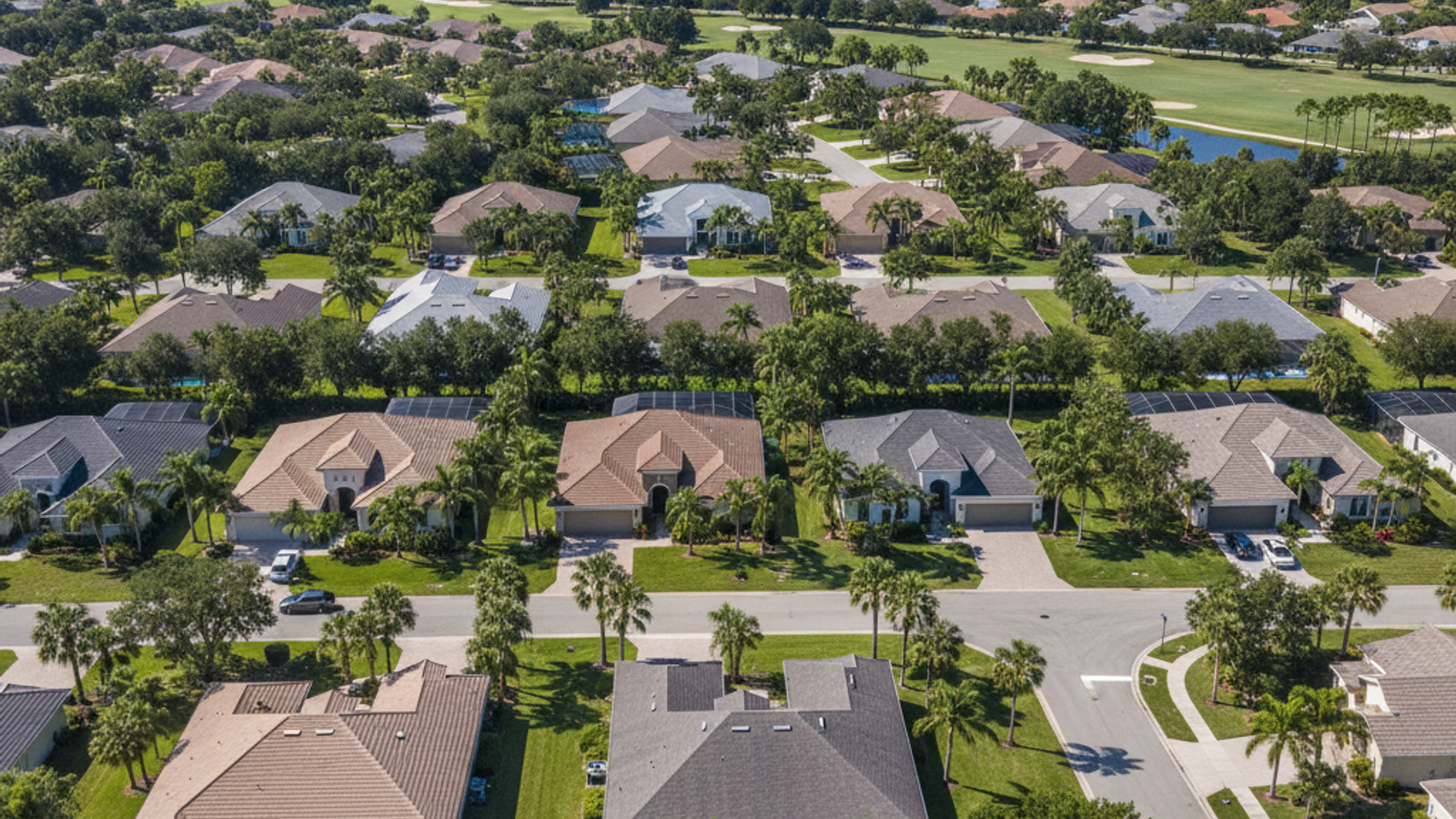
PGA Village stands out in St. Lucie County due to its scale and variety, featuring over 2,500 properties, including one-bedroom condominiums, attached villas, and large estate houses. Renters looking at this area will find that monthly lease rates depend on the specific subdivision, the floor plan, and whether the property overlooks one of the local golf courses.


What to Expect From the Local Rental Market

Finding an available rental in this part of Port St. Lucie involves looking at both seasonal and annual leases. While the broader 34987 zip code shows a median home sale price of around $449,000 with properties sitting on the market for roughly 106 days, the rental side moves on a different timeline based on lease expirations and seasonal demand. A typical lease cycle aligns with the winter months, when seasonal residents increase the demand for available units. During the summer of 2026, inventory tends to stabilize, giving annual renters more options to compare.

The community features a mix of apartments, attached villas, and single-family rentals spread across multiple distinct neighborhoods. Because landlords must adhere to community leasing guidelines, inventory fluctuates based on the time of year and the length of the lease terms being offered. Prospective tenants often work with real estate agents who have access to the multiple listing service to track these shifting availabilities.

Renters will find that monthly costs bundle more than just the physical living space. Most property owners factor the community's homeowner association dues, which cover common area maintenance and security gate operations, directly into the monthly rent price.


Monthly Housing Costs by Property Type

Pricing in PGA Village scales with the size of the home and its proximity to the golf courses. A renter's budget will dictate which subdivisions and property styles are available to them.

  • Condominiums and Apartments: One-bedroom and two-bedroom units typically rent for $1,800 to $2,200 per month. These properties often appeal to renters looking for lower maintenance living and closer proximity to community pools.
  • Villas and Townhomes: Attached single-story villas and multi-level townhomes usually range from $2,300 to $2,800 per month. These layouts frequently provide more square footage, private patios, and attached garages.
  • Single-Family Homes: Detached houses start around $3,000 per month, with larger luxury estate properties exceeding $4,500 per month. Premium rates apply to homes featuring private swimming pools, expanded outdoor living spaces, or direct golf course views.

Utility costs, including electricity, water, and internet, are usually separate from the base rent. Renters should ask property managers whether lawn care or exterior pest control is included in the monthly rate for single-family homes.


Community Amenities and Club Access

The 18,000-square-foot Island Club serves as the primary social and recreational center for residents. This facility provides indoor amenities including a fitness center, a library, and a billiard room.

Outdoor recreation spaces are distributed throughout the grounds. Residents have access to a heated swimming pool, six dedicated pickleball courts, tennis courts, and bocce areas.

The three championship courses at the PGA Golf Club border many of the residential neighborhoods. Access to the fairways and the golf clubhouse requires either an optional membership or the payment of daily greens fees, as golf privileges are not automatically included with a residential lease.


Location and Commute Times

PGA Village sits just west of Interstate 95, offering a straightforward route for commuters traveling north toward Fort Pierce or south through St. Lucie County. This immediate highway access reduces drive times for residents who work outside the immediate Port St. Lucie area.

The nearby St. Lucie West Boulevard corridor provides the closest commercial infrastructure. This area contains grocery stores, retail centers, and restaurants, keeping daily errands within a short drive of the community gates.

Healthcare access is another factor for residents evaluating the location. Cleveland Clinic Tradition Hospital is located a few miles away, providing extensive medical services and emergency care to the surrounding neighborhoods.


Homeowner Association Rules for Tenants

Leasing a home in a master-planned community requires compliance with local association rules. The master association mandates a minimum lease duration of six months for any rental agreement. Short-term vacation rentals are prohibited, which limits the transient traffic through the neighborhoods.

Meeting this six-month threshold is mandatory for renters who want full community access. Tenants on leases of six months or longer qualify for a resident T-sticker, which allows their vehicles to pass through the automated security gates. They also receive access cards for the Island Club facilities.

Individual sub-associations within the broader community maintain their own specific regulations. Renters should review these neighborhood-level rules before signing a lease. These local bylaws often dictate pet weight limits, restrict the parking of commercial vehicles, or set specific quiet hours.


Frequently Asked Questions

How much is the average rent in PGA Village, FL?

The average monthly rent ranges from $1,800 for a smaller condominium up to $4,500 or more for a luxury single-family home. Attached villas and townhomes typically fall in the middle, costing between $2,300 and $2,800 per month.

How much income do I need to afford a rental in PGA Village?

Most landlords require a gross monthly income equal to three times the rent. For a $2,500 villa, a renter would need to show a household income of around $7,500 per month, or $90,000 annually.

Are golf memberships required to rent in PGA Village?

Golf memberships are completely optional for residents. Tenants can lease a home and use the Island Club amenities without ever paying for access to the PGA Golf Club courses.

What is the minimum lease term in PGA Village?

The master association requires a minimum lease term of six months. Shorter vacation rentals are not permitted, and this six-month minimum is required to obtain gate access stickers and Island Club passes.

Are HOA fees typically included in the rent price for PGA Village properties?

Property owners are responsible for paying the actual HOA dues, so they usually factor this expense into the monthly rent price. Tenants rarely pay a separate HOA bill directly to the association.

How long does the HOA tenant approval process take in PGA Village?

The approval process usually takes between two and four weeks. The association requires time to process background checks and verify the lease agreement before issuing gate passes.

How does the cost of renting in PGA Village compare to the rest of Port St. Lucie?

While the citywide average rent in Port St. Lucie sits between $2,125 and $2,600, PGA Village properties often command a premium. The added cost reflects the gated security, the 18,000-square-foot clubhouse, and the proximity to championship golf courses.
Posted in Rentals
July 7, 2026

Property Taxes in Riverland, FL: 2026 Rates and Carrying Costs

Florida relies on local ad valorem taxes to fund civic services because the state does not collect income tax. For buyers moving to the 55+ Riverland community in Port St. Lucie, understanding these annual carrying costs helps clarify the true price of homeownership. To accurately project these monthly expenses, consult the best real estate agent in Riverland, FL.

Recent real estate market data for the Riverland area shows a median sale price of around $350,000, with homes spending roughly 117 days on the market. Buyers budgeting for these properties should look closely at local millage rates and neighborhood fee structures before closing.


How Port St. Lucie and Riverland Calculate Your Tax Bill

The total combined millage rate for this part of St. Lucie County sits at approximately 22.3 per $1,000 of assessed property value. This figure includes funding for the county, public schools, and the local fire district.

The City of Port St. Lucie accounts for a specific portion of that total, with a millage rate of 4.975 per $1,000 for the 2025/2026 fiscal year. The county property appraiser determines the value of all real property annually to establish the tax roll.

Once the appraiser sets the value, the county tax collector issues the annual tax bill. Understanding this division of labor helps homeowners know who to contact if they have questions about their assessment versus their payment.


Filing for the Florida Homestead Exemption

The Florida Homestead Exemption reduces the taxable value of a primary residence by up to $50,000. Homeowners must occupy the property as their permanent residence to qualify for this benefit.

For the current 2026 tax year, the filing deadline was March 2, 2026, since March 1 fell on a Sunday. Missing this deadline means waiting until the following year to see the tax reduction applied to the property.

Approved properties also benefit from the Save Our Homes cap. This state law limits annual assessment increases to 3% or the Consumer Price Index, whichever is lower.

When a home is sold, the previous owner's exemptions are removed. The property appraiser then reassesses the home based on current market value, which resets the tax baseline for the new buyer.


Monthly HOA Dues and Avoiding CDD Fees

Buyers in GL Homes' Riverland communities pay $0 in Community Development District (CDD) fees. Many other master-planned developments in Port St. Lucie add these specific infrastructure charges directly to the annual tax bill.

Instead of CDD charges, residents pay monthly Homeowners Association (HOA) dues. These fees range from $400 to $500 per month, depending on the specific village within the broader development.

These dues fund the fitness centers, social spaces, and standard neighborhood maintenance. Lawn care and security are also included in the monthly payment.


Budgeting for Assessments Based on Purchase Price

Attached villas in Riverland often start in the mid-$340,000s, while larger single-family homes scale past $790,000. The final purchase price directly dictates the buyer's first full-year tax assessment.

Recent sales data shows homes in the Riverland area selling for about 94.2% of their list price, with 19 active listings currently available. Because Florida law requires reassessment after a sale, the new tax bill will reflect this current market value rather than the previous owner's capped rate.

Buyers should never rely on the seller's past property taxes when estimating their future monthly payments. A quick calculation using the 22.3 millage rate offers a clearer picture of future monthly costs.


Deadlines and Discounts for Paying Your Tax Bill

The St. Lucie County tax collector mails annual tax notices in November. Homeowners have until the end of March the following year to pay the balance in full.

Florida incentivizes early payments through a sliding scale of discounts. Homeowners who pay before the March deadline receive the following reductions:

  • 4% discount for paying in November.
  • 3% discount for paying in December.
  • 2% discount for paying in January.
  • 1% discount for paying in February.

Most homeowners who finance their purchase will pay their real estate taxes and any tangible personal property tax through an escrow account. The mortgage lender automatically collects a portion of the estimated tax each month and pays the bill in November to secure the maximum discount.

Balances unpaid by April 1 become a delinquent tax. At this stage, the county can sell a tax certificate against the property, which adds interest and fees to the homeowner's eventual payout.


Frequently Asked Questions

How are property taxes calculated in Riverland, FL?

The county property appraiser assesses the home's market value, subtracts any eligible exemptions, and applies the local millage rate. For a home assessed at $400,000 with a $50,000 homestead exemption, the taxes are calculated on the remaining $350,000.

What is the millage rate for property taxes in Riverland, FL?

The total combined rate is approximately 22.3 per $1,000 of assessed value. This includes the City of Port St. Lucie's specific rate of 4.975 per $1,000, plus county, school, and fire district taxes.

Does the Riverland community have CDD fees?

No, the GL Homes neighborhoods in Riverland do not charge Community Development District fees. Residents only pay their standard monthly HOA dues, which run between $400 and $500.

What is the deadline to file for the Florida Homestead Exemption in 2026?

The deadline for the 2026 tax year was March 2, 2026. This date shifted from the standard March 1 deadline because the first of the month landed on a Sunday.

What are the important dates and deadlines for property tax payments in Riverland, FL?

Tax bills are mailed in November, and payments are due by March 31 of the following year. Taxes become officially delinquent on April 1, which can lead to the sale of a tax certificate.

How can I pay my property taxes in Riverland, FL?

Homeowners can pay online, by mail, or in person at the St. Lucie County tax collector's office. If you have a mortgage, your lender will typically manage the payment directly through your escrow account.

How do property tax assessments work for new construction homes in Riverland, FL?

For new construction homes in Riverland, taxes in the first year are often based only on the value of the vacant land. Once the structure is completed, the property appraiser reassesses the site to include the finished building, which increases the subsequent tax bill.

Posted in Buying
June 8, 2026

Calculating Seller Closing Costs in PGA Village Verano, FL for 2026


Homeowners preparing to list in this Port St. Lucie community need to map out their financial obligations before signing a listing agreement. Knowing your exact bottom line helps you price the property correctly from day one. Calculating the seller closing costs in PGA Village Verano, FL is the first step toward a profitable and predictable transaction.

On average, you can expect to pay between 6% and 8% of your final sale price in total transaction fees. These expenses include state taxes, county recording fees, agent commissions, and community-specific homeowners association charges.

The local market has evolved over the past few years, and the rules around commission structures shifted nationwide in 2024. Understanding the exact breakdown of these costs ensures you walk away from the closing table with the net proceeds you expect.


State Taxes and Local Settlement Fees

The largest government fee you will encounter is the Florida documentary stamp tax. St. Lucie County charges $0.70 for every $100 of the sale price to transfer the deed to the new owner. For a home selling at $500,000, this tax alone totals $3,500.

Local custom in St. Lucie County dictates that the seller pays for the owner's title insurance policy and the title search. Settlement fees charged by the closing attorney or title company typically range from $800 to $1,500. You will also see a proration of your county property taxes based on how many days you owned the home during the calendar year.

Real Estate Agent Commissions in 2026

The average total real estate commission in Florida hovers around 5.5% of the purchase price. The seller pays the listing agent's fee—usually 2.5% to 3%—directly from the closing proceeds.

The 2024 National Association of Realtors settlement changed how buyer agent compensation works. Offering a buyer agent fee is now a point of negotiation rather than an automatic MLS inclusion. Sellers should weigh how offering a competitive buyer's agent fee can attract a larger pool of potential buyers to their listing.


HOA Fees and Estoppel Letters for Verano Residents

Selling a property governed by a homeowners association involves administrative fees to clear the title. The title company must order an estoppel letter from the HOA to verify that your account is in good standing and all dues are current. This document typically costs the seller between $200 and $350.

The buyer and seller must also account for transfer fees associated with the community's specific clubs. While buyers often absorb capital contributions, sellers should be prepared to negotiate or pay specific administrative transfer charges.

Your monthly HOA dues, which currently range from $502 to $605, will be prorated up to the exact day of closing. The specific transfer fees for the community include:

  • Club Talavera transfer fee: $535
  • PGA Golf Club transfer fee: $500
  • Estoppel certificate fee: $200 to $350


Estimated Net Proceeds for $400,000 and $800,000 Sales

Running the numbers on different sale prices provides a clear picture of your potential net proceeds. These calculations assume a standard 5.5% total commission and exclude any remaining mortgage payoff.

A $400,000 property sale will generate approximately $26,800 in total closing costs. This includes $2,800 for the documentary stamp tax, $22,000 in agent commissions, and roughly $2,000 for title, settlement, and HOA estoppel fees.

For an $800,000 property, the total expenses scale up to approximately $52,100. The breakdown of these higher-tier costs includes:

  • Documentary stamp tax: $5,600
  • Agent commissions (5.5%): $44,000
  • Title, settlement, and estoppel fees: $2,500

Subtracting these totals from the purchase price leaves the seller with the gross net proceeds. You must then subtract your current mortgage balance to find your final cash payout at the closing table.


Marketing Your Home's Amenities and Location

Highlighting the built-in value of the community helps justify your asking price and offsets the sting of closing fees. Buyers are drawn to the 27,000-square-foot Club Talavera and its 13,000-square-foot fitness center. The indoor and outdoor pools provide year-round recreation options without requiring private pool maintenance.

The 27 pickleball courts serve as a major selling point for buyers prioritizing active recreation. The community's direct relationship with the PGA Golf Club adds another layer of appeal for golf enthusiasts browsing the Port St. Lucie market.

The neighborhood's physical location offers practical advantages for daily commuting and healthcare access. Proximity to I-95 simplifies travel up and down the coast, while the nearby Cleveland Clinic Tradition Hospital provides major medical services just minutes from the community gates.


Frequently Asked Questions

What is the Florida documentary stamp tax rate in St. Lucie County?

St. Lucie County requires $0.70 per $100 of the final purchase price for the deed transfer. A half-million-dollar transaction will generate a $3,500 tax bill. The seller traditionally pays this fee out of their proceeds.

How much are PGA Village Verano HOA transfer fees and estoppel fees?

The estoppel letter costs between $200 and $350 to verify your account status. Buyers and sellers also negotiate who pays the $535 Club Talavera transfer fee and the $500 PGA Golf Club transfer fee.

What is the average seller closing cost in Port St. Lucie, FL?

Most homeowners in the area pay between 6% and 8% of their sale price to close the transaction. This percentage covers state taxes, title insurance, settlement charges, and real estate commissions.

What are the current home price ranges in PGA Village Verano?

Property values in the community generally range from $400,000 for attached villas to well over $800,000 for larger single-family homes. The exact value depends on the lot location, square footage, and interior upgrades.

Posted in Selling
June 8, 2026

Setting the Right Asking Price: Pricing Strategies in PGA Village Verano, FL for 2026


The median home prices in Port St. Lucie, FL continue to climb, but master-planned communities require their own localized data. Selling a home in a Kolter Homes development means understanding how specific neighborhood phases and shared facilities impact property values.

Developing effective Pricing Strategies in PGA Village Verano, FL means looking beyond county-wide averages. Buyers entering this gated community weigh specific lot placements, access to the 27-court pickleball center, and construction years against their budget.


Current Home Prices and Market Trends

Resale properties in the community generally close between $521,000 and $617,000 as of mid-2026. Attached villas offer a lower entry point, with move-in ready units starting in the $350,000 to $400,000 range.

Single-family luxury homes with premium lot placements regularly exceed $1,000,000. Days on market have stabilized compared to the rapid turnover seen in 2022, meaning sellers should anticipate a standard 30- to 45-day listing period before securing an offer.

Buyers are actively comparing existing resale properties against the newer phases still under construction. Sellers competing with fresh Kolter Homes inventory should adjust their asking price to account for older roof ages and HVAC systems.


How Layouts and Upgrades Alter Sale Prices

Home sizes across the development range from roughly 1,400 to over 4,600 square feet. This massive square footage gap means that two homes on the same street can pull vastly different real estate appraisal values.

Lot placement dictates a large portion of the premium buyers are willing to pay. Properties featuring unobstructed lake views or direct golf course frontage command higher prices than interior preserve lots or homes backing up to standard street views.

Interior selections also push listing prices upward. Volume ceilings, impact glass, and gourmet kitchens with upgraded tile are standard requests from buyers browsing the South Florida market. Floor plans featuring a second-floor bonus room or an extended lanai routinely appraise higher than baseline models.

How Shared Amenities Shape Buyer Math

Homeowners in the community pay monthly homeowner association fees ranging from approximately $502 to $587 in 2026. These dues cover lawn care, internet, and the maintenance of the manned gated entrance.

Buyers factor these ongoing costs into their mortgage calculations, but the associated access to Club Talavera offsets the expense. The 40,000-square-foot campus includes a 27,000-square-foot social center and a 13,000-square-foot training center equipped with EGYM machines.

The outdoor pool, indoor junior olympic sized lap pool, and Har-Tru tennis courts serve as major selling points for the Treasure Coast. Buyers should know that the community's PGA Golf Club access is entirely optional, and golf memberships are billed separately from the standard HOA dues.


Comparing the Active Adult and All-Ages Phases

Cresswind at PGA Village operates as a dedicated 55+ enclave within the larger community gates. The rest of the development is open to residents of all ages.

Pricing a home in the Cresswind subdivision requires looking at buyer demand specific to active adult retirees. Marketing efforts for these listings focus on the proximity to the bocce courts and the turnkey lifestyle.

The unrestricted neighborhoods draw a different buyer pool, which can lead to slight variations in average days on the market. Sellers should ensure their listing agent correctly categorizes the property phase in the MLS to attract the right demographic.


Running a Comparative Market Analysis

A standard comparative market analysis for a home in this neighborhood relies on data from the immediate subdivision. Pulling statistics from Jensen Beach, FL or other parts of St. Lucie County, FL will skew the suggested listing price.

Sellers should focus on recent sales that match their specific construction year and property type. Comparing an attached villa to a single-family detached house will result in an inaccurate valuation.

When reviewing recent data, sellers should isolate specific variables to pinpoint their listing price. This targeted approach prevents overpricing based on mismatched property styles:

  • Property Type: Isolate attached villas from single-family detached houses.
  • Lot Premiums: Add value for premium water views versus standard street views.
  • Phase and Year: Match the construction year to account for building code updates and material wear.
  • Location: Evaluate the distance to the main gates, Club Talavera, and I-95 access points.


Frequently Asked Questions

What is the average home price in PGA Village Verano?

Most resale properties close between $521,000 and $617,000 as of mid-2026. Attached villas offer the lowest entry point around $350,000, while custom single-family homes on premium lots can surpass $1,000,000.

What are the typical HOA fees in PGA Village Verano?

Monthly homeowner association dues range from $502 to $587. This payment covers lawn care, gated security, high-speed internet, and access to the massive Club Talavera amenity center.

Is PGA Village Verano a 55+ community?

Only the Cresswind subdivision is restricted to residents aged 55 and older. The rest of the development operates without age restrictions and welcomes all buyers.

Are golf memberships required to live in PGA Village Verano?

No, golf club access is entirely optional for residents. Homeowners who want to play the nearby courses can purchase separate memberships directly through the PGA Golf Club.

Posted in Buying
June 8, 2026

What You Need to Know About Seller Disclosures in Riverland, FL in 2026


The real estate market in Port St. Lucie moves at a steady pace, and listing a home requires more than just a sign in the yard. Homeowners preparing to sell must follow specific state and community rules regarding what they tell buyers about the property. Handling Seller Disclosures in Riverland, FL, involves meeting both state-level legal mandates and specific community guidelines.

Buyers expect transparency regarding the condition of a home before they commit to a purchase. A well-prepared disclosure protects the seller from post-closing disputes and keeps the transaction moving smoothly. Knowing exactly what paperwork to provide and when to deliver it prevents unexpected delays during the closing process.

A thorough approach to the paperwork minimizes stress for everyone involved. When buyers have complete information about the property's history, they proceed with greater confidence and fewer late-stage negotiation demands.


Florida Law and Your Duty to Disclose

The foundation of property disclosure in the state traces back to the Supreme Court of Florida ruling in Johnson v. Davis. This landmark case established the legal standard that sellers must reveal any known latent defects that materially affect the home's value. A latent defect is a hidden issue that a buyer would not easily spot during a casual walkthrough.

The legal burden falls on the seller to share information about these hidden problems. If a roof leaks during heavy rain but shows no water stains on the ceiling, the seller is legally obligated to inform the buyer. Failing to mention these known material defects can expose the seller to a lawsuit for damages after the sale closes.

The definition of a material defect covers a wide range of potential property issues. Anything that would make the home less desirable or lower its market value falls under this category. When sellers are unsure if an issue meets this threshold, real estate professionals generally advise erring on the side of full disclosure.

State law does provide clear boundaries on what does not need to be shared with potential buyers. Sellers are not legally required to disclose if a property was the site of a homicide, suicide, or an HIV/AIDS occurrence. Buyers concerned about these specific events should conduct their own independent research.


The Standard Property Disclosure Form Explained

Most real estate agents use a standardized property disclosure form provided by the state association. This document acts as a checklist covering the major systems and structural components of the home. Completing this form thoroughly gives buyers a clear picture of what they are purchasing.

Sellers should take their time filling out the document to ensure all known issues are documented. Rushing through the paperwork often leads to accidental omissions that can disrupt the transaction later. The standard form asks sellers to detail the condition and history of several specific property elements:

  • Major systems: You must provide the age and known condition of the roof, HVAC systems, plumbing, and electrical panels.
  • Pest and environmental issues: The form requires you to list any history of mold, termite damage, or past treatments.
  • Structural repairs: Sellers must disclose any past foundation repairs, sinkhole activity, or structural settling.
  • Permit history: You are required to document any unpermitted work, open permits, or known building code violations.

Beyond the physical structure, the form addresses the property's legal and zoning status. You will need to confirm if the home is subject to any boundary disputes, shared driveway agreements, or pending municipal assessments. Documenting these legal details prevents title issues from delaying the closing date.


HOA Documents and Rules for Riverland Sellers

Riverland is a master-planned 55+ community built by GL Homes, which means transactions here involve specific homeowner association rules. Buyers need to review the community guidelines before finalizing their purchase. Sellers must provide the buyer with a complete set of governing documents during the contract period.

The required paperwork includes the current HOA bylaws, the latest operating budget, and the current fee schedules. Buyers have a legal right to review these documents to understand their future financial obligations. Monthly HOA fees in Riverland neighborhoods currently range from $400 to over $500.

These monthly assessments cover shared amenities, community maintenance, and lawn care services. Providing accurate fee information upfront prevents buyers from experiencing sticker shock during the underwriting process. Sellers should request the most recent document package directly from the association management company to ensure accuracy.


New Flood and Storm Disclosure Requirements

Recent legislative updates have expanded what sellers must share regarding a property's flood history. Laws passed in October 2024 and October 2025 mandate that sellers detail any flood damage that occurred during their ownership. These updates aim to give buyers a clearer understanding of a property's environmental risks.

If you have filed a flood insurance claim or received federal disaster assistance for the property, you must reveal this information. The state requires transparency regarding water intrusion from major storms or heavy rainfall. Buyers use this data to estimate their future insurance premiums and assess potential risks.

The updated rules also require sellers to report known sinkhole risks and past tropical cyclone damage. While coastal erosion is less of a direct threat to inland Port St. Lucie, any known erosion issues on the property must still be documented. Sellers should gather their past insurance claim records to ensure they provide accurate dates and details.


How As-Is Contracts Affect Your Obligations

The standard as-is residential contract is the most common agreement used by real estate agents in Florida. Many sellers mistakenly believe that selling a home as-is eliminates the need to complete a disclosure form. The caveat emptor, or "buyer beware," standard does not apply to hidden material defects in residential sales.

An as-is contract simply removes the seller's obligation to repair the property before closing. The buyer agrees to purchase the home in its current state, assuming the responsibility for any needed fixes. However, the seller's duty to disclose known defects remains fully intact under this contract type.

The appeal of an as-is sale is the streamlined negotiation process it offers. Sellers avoid the back-and-forth haggling over minor cosmetic flaws or routine maintenance items. Relying on this contract does not grant immunity from the state's disclosure laws regarding major unseen problems.

Hiding a known plumbing issue or a past roof leak is still a violation of state law, even if the contract says as-is. Buyers who discover undisclosed material defects after moving in frequently pursue legal action. Being upfront about the home's flaws protects you from post-sale liability.


When to Deliver Paperwork to Your Buyer

Timing plays a major role in keeping a real estate transaction on schedule. Sellers normally deliver disclosure documents either when listing the property or at the exact time of signing the purchase contract. Providing the information early allows buyers to make an informed offer based on the home's actual condition.

The initial disclosures often guide the buyer's home inspection process. Inspectors use the seller's notes to pay special attention to previously repaired areas or aging systems. The transaction timeline generally follows a standard sequence of events regarding property condition:

  • Initial review: The buyer receives and signs the seller's property disclosure form alongside the purchase contract.
  • Inspection period: The buyer hires a licensed inspector to evaluate the home, typically within the first 10 to 15 days of the agreement.
  • Resolution: If the inspector finds undisclosed material defects, the buyer retains the right to cancel the agreement and recover their deposit.


Frequently Asked Questions

Is a seller's disclosure required in Florida?

Yes, the law mandates that you inform buyers about hidden problems that impact the property's value. While a specific standardized form is not legally mandated, putting the details in writing is the industry standard. This written record protects both parties if a dispute arises after the closing date.

Do you have to disclose something you already fixed?

Sellers should list past repairs to provide a complete history of the home's condition. Documenting a resolved issue, like a replaced water heater or a patched roof, shows the buyer that the home was maintained. Including the receipts or permits for the completed work adds confidence to the transaction.

Are sellers in Florida required to conduct a home inspection?

You are only required to share information about defects you already know about. State law does not force sellers to hire an inspector to search for new problems before listing the house. The responsibility of discovering unknown issues falls on the buyer during their designated inspection period.

Posted in Selling
June 4, 2026

What to Know About Seller Disclosures in PGA Village Verano, FL in 2026


Selling a home in Port St. Lucie, FL requires careful attention to state and local paperwork. Homeowners listing properties in this Treasure Coast community must provide buyers with specific information about the condition of their home and the neighborhood's financial structure.

Completing these forms accurately protects you from future liability and helps buyers feel confident in their purchase. The process involves detailing everything from the age of your Kolter Homes roof to the monthly fees that maintain the local amenities.


Florida Property Disclosure Laws

The Florida Supreme Court case Johnson v. Davis established the state's baseline rule for real estate transactions. This ruling dictates that sellers must disclose any known material defects that affect the value of the property and are not readily visible to a buyer.

Most real estate agents use the standard Florida Realtors Seller's Property Disclosure - Residential (SPDR) form to meet this legal requirement. This document walks sellers through a comprehensive checklist of the home's major systems and historical issues.

You will need to answer questions about the age of your roof, the history of your plumbing, and any past water intrusion. Buyers in South Florida pay close attention to these sections when evaluating a single-family home or villa.


HOA Fees and CDD Assessments

Homeowners in this neighborhood pay both homeowner association dues and a Community Development District assessment. The Verano Center CDD appears on your St. Lucie County, FL annual tax bill and funds the original infrastructure of the community.

Buyers need to know exactly what their monthly carrying costs will be before they sign a contract. Your disclosure paperwork should outline the exact current amounts and what those fees cover.

For 2026, HOA fees generally range from $502 to over $587 per month, depending on whether you own a villa or a detached home. You should document the following inclusions for the buyer:

  • Lawn care and landscaping maintenance.
  • Gated security and neighborhood patrols.
  • Upkeep for the common areas and waterfront features.


Club Talavera and Golf Access

The neighborhood centers around a 27,000-square-foot social center and a 13,000-square-foot fitness center. When you sell your home, access to Club Talavera transfers to the new owner, and buyers will want to know what this includes.

You can highlight the indoor lap pool, the eGym training center, and the outdoor resort-style swimming pool. The community also features 27 pickleball courts and multiple tennis facilities that are available to all residents.

Buyers often ask if they are required to join the adjacent PGA Golf Club. You should clarify that golf memberships are entirely optional and do not represent a mandatory fee tied to your property.


Documenting Property-Specific Repairs

Kolter Homes offers a variety of floorplans in this new home community, and many owners have added custom upgrades over the years. Any structural additions or significant repairs made during your ownership must be recorded on the SPDR form.

Port St. Lucie, FL experiences heavy summer storms, making hurricane protection a frequent topic of buyer interest. You need to detail the condition of any impact glass or storm shutters installed on the house.

Sellers must also document the following property-specific elements:

  • Repairs made to private swimming pools, screen enclosures, or extended lanais.
  • Any unpermitted renovation work completed on the property.
  • Open insurance claims related to property damage.


How to Fill Out the Disclosure Form

A real estate agent cannot legally fill out the property disclosure form for you. The homeowner must complete this document directly, as you hold the most accurate knowledge about the property's history.

The best approach is to answer every question truthfully and directly. If you genuinely do not know the answer to a specific question about a system's age or condition, you should mark the "do not know" box rather than guessing.

Gathering your paperwork ahead of time makes this process much easier. You should locate past contractor invoices, appliance warranties, and repair logs to support the written answers on your disclosure form.


Frequently Asked Questions

Does PGA Verano have a CDD?

Yes, properties here are subject to the Verano Center Community Development District. This assessment pays for the neighborhood's underlying infrastructure and is collected annually through your property tax bill.

Are golf memberships mandatory for PGA Village Verano homeowners?

No, joining the PGA Golf Club is not a requirement for residents. Homeowners have the option to purchase various levels of golf memberships if they choose to play the courses.

How long are you liable after selling a house in Florida?

Under Florida law, buyers generally have up to four years to file a lawsuit regarding undisclosed known defects. Providing a thorough and honest disclosure form is your best defense against future legal disputes.

Posted in Selling
June 4, 2026

Understanding Real Estate Commissions in PGA Village Verano, FL for 2026 Sellers


Port St. Lucie, FL has seen substantial residential growth over the last decade, and the master-planned communities along the Treasure Coast remain a major draw for buyers. Homeowners preparing to list their properties face a shifting landscape of agent fees and marketing strategies.

The conversation around agent compensation changed nationwide recently, and local sellers are feeling the impact. Understanding how standard rates apply to specific neighborhoods helps sellers protect their equity while still securing professional representation.


Standard Agent Fees Across Port St. Lucie

The average total agent fee in Florida currently hovers between 5.5% and 5.8% of a home's final sale price. Within Port St. Lucie, FL, listing agents typically charge around 2.8% for their side of the transaction. This percentage covers the marketing, photography, and contract management required to get a home sold.

Sellers historically paid a single fee that their listing broker would split with the buyer's agent. Recent changes to National Association of Realtors rules mean buyer's agent compensation is now handled differently. Sellers can still offer to cover the buyer's agent fee to attract more offers, but they are not required to do so.

Buyers now sign separate representation agreements that outline their agent's compensation before touring properties. If a seller chooses not to offer a concession for the buyer's agent, the buyer is responsible for paying their agent directly. This dynamic shifts how sellers structure their listing agreements and net sheets.


Estimating Real Estate Commissions in PGA Village Verano, FL

The specific housing type and final sale price dictate the exact dollar amount a seller will pay in representation fees. Homes in this community average around $474,363, with entry-level options starting near $371,990. A seller closing at $500,000 with a total commission rate of 5.5% will pay $27,500 at closing.

The neighborhood features a mix of attached villas and single-family homes, including new construction options built by Kolter Homes. Sellers listing a recently completed home often compete directly with the builder's active inventory. Builders typically offer specific broker cooperation policies to outside agents bringing buyers.

Resale sellers should factor these builder incentives into their own pricing strategy. Offering a competitive concession to a buyer's agent can help a pre-owned villa stand out against a brand-new build. Your listing agent should provide a detailed net sheet showing exactly what you will walk away with after all fees are deducted.


Marketing Resort Amenities to Maximize Sale Price

A successful listing agent uses the community's extensive features to justify your asking price and offset their commission costs. Club Talavera serves as the centerpiece of the neighborhood with its 27,000-square-foot clubhouse. Buyers gain access to a large fitness center, an indoor lap pool, and 27 pickleball courts.

Marketing these features effectively requires an agent who understands the lifestyle buyers want when moving to South Florida. The community also offers optional memberships to the PGA Golf Club, which features multiple championship courses. Highlighting these options in the Multiple Listing Service helps attract buyers specifically looking for active recreation.

Experienced agents also prepare buyers for the ongoing carrying costs associated with these amenities. Homeowner association fees in 2026 range from $444 to $587 per month, depending on the property type. Listing agents disclose these monthly dues so buyers understand the total cost of ownership before making an offer.


How Current Inventory Levels Affect Your Leverage

As of May 2026, the Port St. Lucie, FL housing market holds nearly 2,000 active homes for sale. Average days on market have increased to between 85 and 90 days. This shift toward a more balanced market gives buyers more choices and requires sellers to plan their pricing carefully.

Longer marketing timelines mean agents invest more time and resources into selling a single property. The increased competition among brokerages also gives sellers room to discuss flexible fee structures. Many sellers explore different compensation models before signing a listing agreement.

Sellers looking to manage their selling costs should consider discussing the following options with their prospective agents:

  • Tiered commission structures: Some agents will agree to a lower percentage if the home sells within the first 14 days.
  • Dual agency reductions: Ask if the listing broker will lower the total fee if they secure the buyer directly without another agent involved.
  • Alternative listing services: Compare the cost of full-service brokerages against flat-fee listing services available throughout St. Lucie County, FL.


Frequently Asked Questions

Does PGA Village Verano have a CDD fee?

Yes, properties in this community are subject to a Community Development District fee. This charge appears on the annual St. Lucie County, FL tax bill rather than being collected with the monthly HOA dues. It covers the cost of the initial infrastructure, roads, and utility development for the neighborhood.

What are the new rules for real estate commissions in Florida?

Changes implemented after the 2024 NAR settlement require buyers to sign written representation agreements before touring homes. Sellers are no longer expected to offer a blanket split to buyer's agents through the MLS. Sellers can still offer concessions to cover these costs, but it is entirely optional and negotiated within the purchase contract.

Is PGA Village Verano a 55+ community?

The community does not have age restrictions requiring residents to be 55 or older. It features resort-style living, golf access, and active recreation options without age-based purchasing limits. Buyers of any age can purchase a home here.

Posted in Selling
June 4, 2026

Maximizing Your Sale: How to Increase Home Value PGA Village Verano, FL in 2026


Port St. Lucie continues to draw buyers looking for resort-style living on the Treasure Coast. Homeowners preparing to sell often wonder which upgrades will yield the best return on investment.

Making the right improvements can elevate a property above competing listings. Buyers comparing homes in this specific Kolter Homes development look for modern finishes and seamless access to the neighborhood's extensive amenities.


The Port St. Lucie Real Estate Market in 2026

Property values in this master-planned community span a wide range this year. Prices in 2026 run from the mid $300,000s for attached villas to well over $1,000,000 for luxury single-family estates.

Out-of-state buyers relocating to St. Lucie County, FL expect a move-in-ready experience. Older homes in the development compete directly with newer construction phases, meaning outdated finishes can lead to lower offer prices.

Sellers should review recent sales data for their specific floor plan before planning major renovations. Matching the interior quality of recent new builds helps maintain a competitive edge on the open market.


High-Return Home Improvements for Your Property

Buyers touring homes in Kolter communities expect premium materials and energy-efficient systems. Upgrading outdated elements before listing can help justify a higher asking price.

Focus your renovation budget on areas that buyers notice first, like kitchens and primary bathrooms. Minor kitchen remodels in Florida typically return a large portion of their cost when the home sells.

  • Interior finishes: Replace builder-grade materials with modern tile flooring, updated cabinetry, and frameless glass shower enclosures.
  • Outdoor living spaces: Extending the patio or adding a custom outdoor swimming pool appeals to buyers wanting to enjoy the warm climate.
  • Technology and efficiency: Installing energy-efficient appliances and smart home features helps reduce utility costs and attracts modern buyers.
  • Landscaping: Refresh garden beds using native oak and hammock ecology principles to lower maintenance requirements and improve curb appeal.


Getting Approval from the Homeowner Association

The community maintains specific architectural guidelines to preserve the neighborhood's aesthetic. Homeowners must submit exterior modification requests to the architectural review board before starting any outdoor projects.

These rules govern everything from exterior paint colors to tree removal and landscaping changes. You should always verify property lines and easements before installing a fence or digging a pool.

Buyers will review the community's fee structure during the purchase process. Current 2026 homeowner association fees range from $502 to $587 per month and cover services like lawn care.

A Community Development District (CDD) also operates within the neighborhood. The CDD fee appears as an annual charge on the property tax bill to fund local infrastructure.


Leveraging Club Talavera and Local Amenities

The neighborhood's resort-style amenities play a major role in property valuations. Highlighting these features in your listing description helps buyers understand the lifestyle value of the community.

The 40,000-square-foot Club Talavera serves as the central hub for residents. This massive facility includes a 27,000-square-foot social clubhouse and a 13,000-square-foot fitness center.

Buyers appreciate the indoor lap pool, spa, and comprehensive exercise equipment. The community also features South Florida's largest private pickleball center, offering 27 courts for daily play.

The manned gated community entrance provides a sense of exclusivity that appeals to premium buyers. Residents also benefit from the property's relationship with the nearby PGA Golf Club, where optional golf memberships are available.


Highlighting the Treasure Coast Location

Geography drives real estate demand in Port St. Lucie, FL. The neighborhood sits just minutes from major transit routes, including I-95 and Florida's Turnpike.

This convenient access reduces commute times for residents traveling throughout South Florida. Nearby healthcare facilities, grocery stores, and shopping centers add everyday convenience to the area.

The Atlantic coast is also a short drive away. Buyers frequently prioritize proximity to the beaches in Jensen Beach, FL when choosing a home on the Treasure Coast.


Frequently Asked Questions

Are housing prices expected to drop in Florida?

Prices in St. Lucie County, FL have stabilized in 2026 following years of rapid growth. Continued migration to the state and limited inventory in master-planned communities help sustain current property values. Sellers with well-maintained homes continue to see strong offers.

Does PGA Village Verano have a CDD?

Yes, the community utilizes a Community Development District to fund initial infrastructure and ongoing maintenance. This assessment is billed annually alongside standard St. Lucie County property taxes. Buyers should factor this annual cost into their total housing budget.

Is PGA Village Verano a 55+ community?

The main neighborhood is an all-ages development with no age restrictions for residents. However, it contains a specific section called Cresswind that operates as an age-restricted 55+ community. Both sections share access to the central amenities.

How much value do solar panels add to a home in Florida?

Owned solar panels can increase a property's sale price by reducing future utility bills for the buyer. Leased solar systems do not add equity and require the new owner to assume the contract. The exact return depends on the system's age and the home's total energy consumption.

Posted in Selling
June 4, 2026

How Long to Sell My Home in PGA Village Verano, FL: 2026 Market Timelines


Active inventory in Port St. Lucie, FL has climbed above 1,900 homes in 2026, giving buyers plenty of options across the Treasure Coast. Sellers putting their property on the market need a clear understanding of current timelines to plan their next move.

PGA Village Verano stands out among local developments due to its extensive amenities and variety of floor plans. Knowing how your specific property type performs against broader St. Lucie County, FL averages will help you price and market the home effectively.


Timelines for Selling in the Current Market

Homes in Port St. Lucie, FL currently average between 90 and 108 days on the market before closing. Properties inside PGA Village Verano follow a similar pattern, typically taking 85 to 110 days to sell.

Sellers should expect buyers to negotiate on the final number. The average list-to-sale price ratio in the area sits between 95% and 97% for 2026.

The recent increase to 1,931 active listings in Port St. Lucie means buyers feel less pressure to make immediate offers. Pricing your home accurately from the first day is the most effective way to secure a contract within the standard three-month window.


Expected Speeds by Property Type

The time it takes to secure a buyer varies depending on the style and price point of your home. The community offers everything from attached villas to large detached single-family houses, and each attracts a distinct buyer pool.

Attached villas in the neighborhood start in the mid-$300,000s and often move faster due to their lower entry price. Single-family and estate homes range from the $500,000s up to $1,450,000, and these luxury listings generally require more time to find a qualified buyer.

The 55+ Cresswind section of the development also experiences different demand patterns compared to the all-ages neighborhoods. Buyers looking specifically for age-restricted living often focus their entire search on this enclave.


Highlighting Community Amenities to Buyers

PGA Village Verano features the 27,000-square-foot Club Talavera, which serves as the social and recreational center of the development. Buyers look for these resort-style amenities, including the fitness center, indoor lap pool, and expansive outdoor pool.

The 27-court pickleball center and dedicated tennis facilities are major selling points for active buyers. Highlighting the community's relationship with the PGA Golf Club, which features 54 holes of golf designed by Tom Fazio and Pete Dye, draws attention from golf enthusiasts.

Buyers will closely review the 2026 HOA fees, which range from $502 to $587 per month. You should clearly explain that these dues cover lawn care, manned security, and full access to the amenity centers.

The development's location in Port St. Lucie, FL provides easy access to Interstate 95. Buyers also appreciate the short drive to the shopping and dining options in the nearby Tradition master-planned community.

Staging and Preparation Advice

Resale homes in this neighborhood compete directly with new construction from Kolter Homes. You should emphasize that your property is completely move-in ready and free from construction delays.

Staging the home to showcase premium lot placements, such as golf course or waterfront lake views, helps justify your asking price. Buyers value tangible upgrades that are already installed.

  • Highlight recent additions like whole-house water filtration systems or custom closet storage.
  • Showcase motorized window shades or upgraded lighting fixtures.
  • Provide buyers with a list of included appliances and recent utility bills to clarify total carrying costs.


Frequently Asked Questions

What are the HOA fees in PGA Village Verano for 2026?

Monthly dues range from $502 to $587 depending on the specific neighborhood and property type. These fees cover lawn maintenance, manned gate security, and access to Club Talavera. Providing a clear breakdown of these costs helps buyers calculate their monthly payment accurately.

Is a golf membership mandatory to buy a home in PGA Village Verano?

Residents are not required to purchase a golf membership to live in the community. The development is adjacent to the PGA Golf Club, which offers public play and optional private memberships. This flexibility appeals to buyers who want the golf course views without the mandatory initiation fees found in other country clubs.

How long do I have to live in my house to avoid capital gains tax in Florida?

The IRS requires you to have owned and lived in the home as your primary residence for at least two of the five years immediately preceding the sale. Single filers can typically exclude up to $250,000 of profit, while married couples filing jointly can exclude up to $500,000. Sellers should consult a tax professional to verify how these federal rules apply to their specific financial situation.

Posted in Selling
June 4, 2026

Property Valuation PGA Village Verano, FL: 2026 Buyer's Guide


Port St. Lucie, FL has seen steady growth, and PGA Village Verano stands out as a premier destination for buyers seeking resort-style amenities. As of spring 2026, the median home price in this gated Kolter Homes community sits in the mid-$500,000s.

Understanding Property Valuation PGA Village Verano, FL requires looking at a mix of resale properties and ongoing new construction phases. Buyers evaluating this neighborhood should understand how lot placement, property type, and community fees factor into the final purchase price.


What Buyers Are Paying in PGA Village Verano This Spring

Demand for homes in Port St. Lucie's amenity-focused communities remains steady through the first half of 2026. Inventory levels in PGA Village Verano offer a balanced mix of quick move-in options and established resale homes.

The ongoing development of new phases by Kolter Homes creates a ceiling for resale pricing. Buyers often weigh the cost of upgrading an older home against building new. Sellers listing properties built in the early 2010s usually need to price competitively to attract buyers away from new construction.

Homes featuring recent upgrades like impact glass, modern tile, and updated kitchens command premium prices and spend fewer days on the market. Properties backing up to the PGA Golf Club or offering expansive lake views consistently appraise higher than standard interior lots.


Breaking Down Home Prices and Square Footage Costs

Prices in the community range from the mid-$300,000s for efficient attached layouts to over $1,500,000 for premium estate homes. The average price per square foot currently hovers between $250 and $300, depending on the home's condition and lot location.

Living spaces vary widely across the neighborhood, starting around 1,434 square feet and scaling up to 4,698 square feet. Buyers looking at larger floor plans with volume ceilings and transom windows will pay a higher base price. However, the cost per square foot often decreases slightly as the overall home size increases.

Lot premiums play a major role in final appraisals. A property with a private pool overlooking the golf course will sell for notably more than a similarly sized home facing a standard street.

How Villas Compare to Detached Single-Family Homes

Attached villas offer an entry point into the community, with 2026 starting prices in the mid-$300,000s. These low-maintenance properties appeal to seasonal residents who want a lock-and-leave lifestyle without the upkeep of a large yard.

Detached single-family models typically start in the $500,000s and provide more privacy, larger footprints, and dedicated outdoor living spaces. The community includes both all-ages sections and a 55+ active adult enclave known as Cresswind, which features its own distinct single-family floor plans.


Community Features That Drive Up Home Values

The 27,000-square-foot Club Talavera serves as the recreational hub of the neighborhood. This facility includes an indoor junior Olympic lap pool, a resort-style outdoor pool, and a 13,000-square-foot fitness center equipped with an EGYM SmartFIT training system.

Access to these extensive facilities is built into the community structure, directly supporting home appraisals. Buyers prioritize these built-in conveniences when comparing this neighborhood to older developments on the Treasure Coast.

Several specific amenities stand out as major value drivers for these properties:

  • A 27-court pickleball center, recognized as the largest private facility of its kind in South Florida.
  • Five Har-Tru tennis courts and multiple bocce ball courts for outdoor recreation.
  • Direct private golf cart path access to the 54-hole PGA Golf Club next door.


Budgeting for HOA Fees, CDD Bonds, and Property Taxes

Holding costs form a major part of the affordability equation for any home purchase in St. Lucie County, FL. Homeowner association fees in the community currently range from $502 to $587 per month.

These monthly dues cover lawn care, basic cable, internet, manned gated security, and full access to the Club Talavera amenities. Buyers should factor these recurring costs into their debt-to-income ratios when applying for a mortgage.

Unlike the older sections of PGA Village, the Verano development includes Community Development District fees. These fees repay the municipal bonds used to build the neighborhood's roads and utility infrastructure, appearing annually on the property tax bill.

Property taxes for a $600,000 home in this part of Port St. Lucie run roughly $10,000 to $11,000 annually. This figure includes both the county millage rate and the annual CDD assessment.


Proximity to Major Highways and Commercial Centers

The neighborhood sits just off Exit 121 on Interstate 95, making regional travel straightforward. Residents can reach the Orlando and Miami metro areas in less than a two-hour drive.

Local healthcare infrastructure sits just a few miles away in Tradition, featuring the Cleveland Clinic Tradition Hospital. This proximity to major medical centers adds long-term value to the surrounding residential real estate.

Daily shopping and dining options are concentrated at nearby Tradition Village Square. For coastal recreation, the beaches of Hutchinson Island are roughly a 35-minute drive east across the St. Lucie River.


Frequently Asked Questions About PGA Village Verano

Does PGA Verano have CDD fees?

Yes, homeowners pay an annual Community Development District fee alongside their property taxes. This assessment funds the community's initial infrastructure construction and distinguishes this newer section from the original PGA Village development.

Is PGA Village Verano a 55+ community?

The majority of the neighborhood is open to residents of all ages. However, it does include a specific 55+ active adult enclave called Cresswind, which features age restrictions and tailored single-family homes.

Are golf memberships required to live here?

No, purchasing a home does not require joining the adjacent PGA Golf Club. Residents can opt into a membership or play the public courses without any mandatory country club dues tied to their property deed.

What typical HOA fees should buyers expect?

For 2026, monthly HOA dues run between $502 and $587 depending on the property type. This covers exterior lawn maintenance, high-speed internet, cable, security, and full access to the clubhouse facilities.

Posted in Selling