


Living in Port St. Lucie: The 2026 Boomtown Reality
If you visited Port St. Lucie ten years ago, you might remember it as a sleepy bedroom community mostly populated by retirees. If you are visiting today to scout for homes, you are going to see something very different. By early 2026, Port St. Lucie has firmly established itself as the "Heart of the Treasure Coast," evolving from a quiet stop along I-95 into a vibrant, self-sustaining city.
The migration shift here has been massive. While we still love our retirees, the city is now attracting a huge wave of remote workers and younger households priced out of Miami, Fort Lauderdale, and West Palm Beach. They are coming here because the math works: you can still get a yard and a garage for a price that doesn't make your eyes water.
However, living in Port St. Lucie in 2026 comes with a specific dynamic: growth versus infrastructure. There is a palpable energy here, but there are also growing pains. Traffic has increased, and construction cranes are a common sight. If you are looking for a finished, polished product, this might not be it yet. But if you are looking to buy into a city that is actively building its future while remaining one of the safest places in Florida, you are looking in the right spot.
Cost of Living & Housing Market in 2026
Let’s talk numbers, because that is likely the main reason you are considering moving to Port St. Lucie, FL. The headline is that housing prices here are significantly lower than our neighbors to the south. You get much more house for your money compared to Palm Beach or Broward County. However, while purchase prices have stabilized in early 2026, the "carrying costs" of owning a home here have shifted upward.
The sticker price of the home is only half the story. The biggest shock for newcomers—especially those from out of state—is the insurance reality. Florida’s insurance market is tough, and even inland areas like ours feel it. You need to budget for windstorm and potentially flood insurance, and these premiums have become a major line item in monthly budgets.
Property taxes also tend to surprise people. Because PSL is growing so fast, we have newer infrastructure bonds (like the ones that paid for the Crosstown Parkway) that show up on your tax bill. Additionally, if you buy in a master-planned community, you need to watch out for CDD (Community Development District) fees, which we will touch on in the neighborhood section.
Here is a realistic look at what the numbers look like for early 2026:
- Median Home Price: Expect to see decent single-family homes landing between $380,000 and $410,000.
- Average Rent: If you aren't ready to buy, a standard 3-bedroom house rents for about $2,350 per month.
- Insurance Premiums: This varies wildly by the age of the roof. For an older home, budget $5,000 to $7,000+ annually. For a brand new 2026 build, it might be half that due to wind mitigation ratings.
Best Neighborhoods in Port St. Lucie
One of the unique things about this city is that it is geographically huge. Your experience living here will depend entirely on which "pocket" you choose. We generally categorize the area into master-planned communities versus the "independent" sections of the city.
Master-Planned & Walkable
If you want manicured lawns, sidewalks, and a "town within a town" feel, you are looking at Tradition or St. Lucie West. Tradition is the crown jewel of western PSL, featuring autonomous shuttles, massive retail centers, and its own town square. It is incredibly convenient, but you will pay for it. St. Lucie West is the older, more established sibling—it’s busier, closer to I-95, and packed with restaurants.
Note on Fees: In these areas, you will often pay both an HOA fee and a CDD fee. Combined, these can easily add $200 to $500+ to your monthly expenses.
Golf & Resort Living
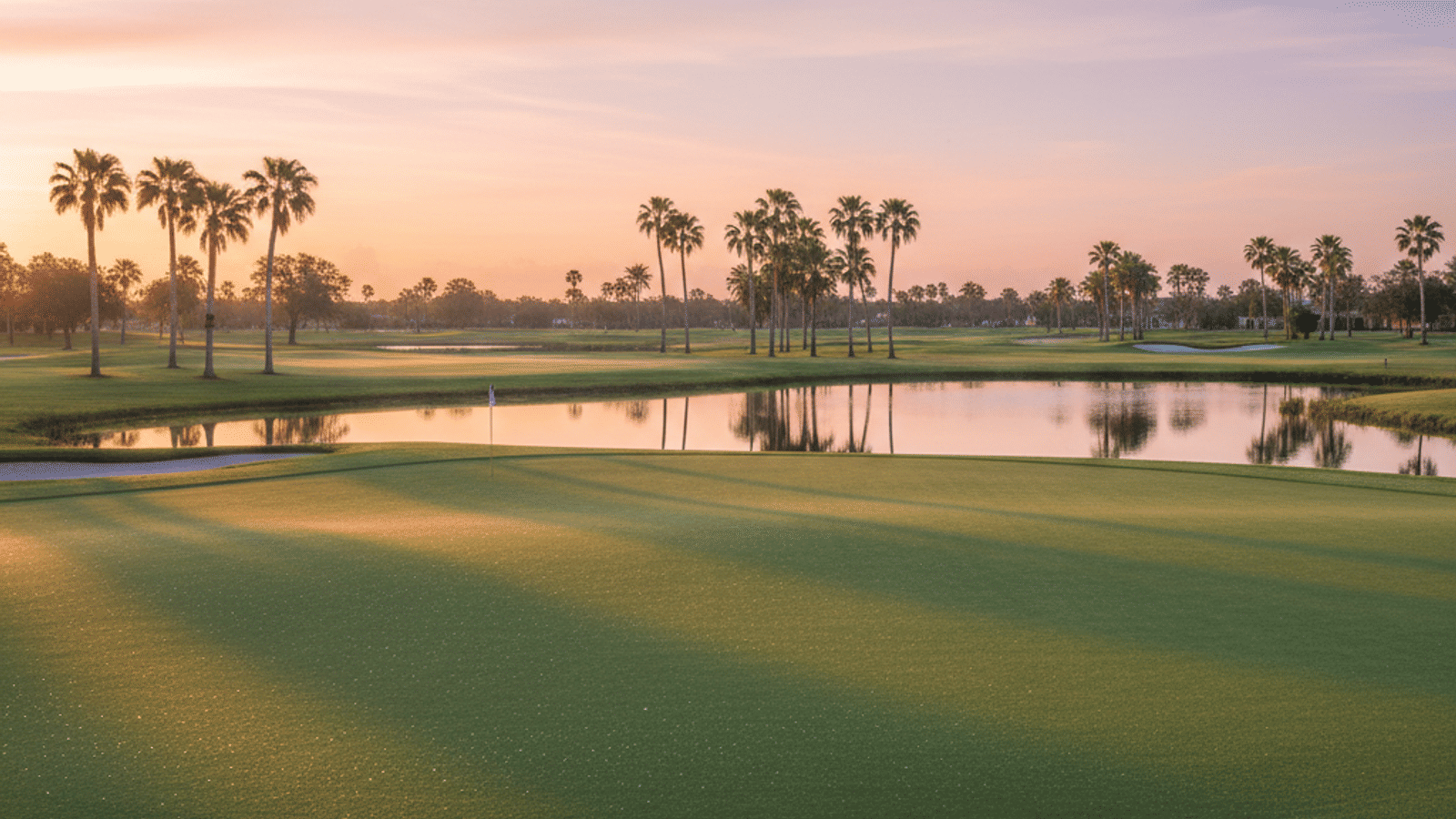
For the golf enthusiasts, PGA Village is the epicenter. It offers three championship courses and a true resort lifestyle. This area is distinct because it has specific zones that allow for short-term rentals, making it popular for investors and snowbirds. Just north of there, PGA Village Verano offers a newer, slightly more modern take on the country club vibe with massive pickleball facilities.
55+ Active Adult
Port St. Lucie is a giant in the active adult market. Riverland (home to the Valencia communities) is currently dominating the sector with amenities that resemble a theme park more than a neighborhood. If you are looking for brand new options in 2026, keep an eye on Catalina Palms at Sundance, which is attracting a lot of attention.
No-HOA & Boating
If you hate the idea of an HOA telling you what color to paint your mailbox, look at Sandpiper Bay, Torino, or River Park.
- Sandpiper Bay: Located on the east side, this area has character, older homes, and some properties with deep-water access to the river.
- Torino: Located in the north, this area is known for having larger lots and more space between neighbors.
- River Park: This is often the go-to spot for budget-friendly entry-level homes.
New Construction & Development Trends
If you are browsing listings, you will notice a surge in new construction homes Port St. Lucie has to offer. The trend is clearly a "Western Expansion." Developers are pushing west of I-95 because that is where the land is.
In 2026, major projects like Wylder are in full swing. Wylder is interesting because it is nature-focused, involving multiple builders to create a diverse look rather than a cookie-cutter grid. Astor Creek is another key player, bringing a new golf community option to the table.
There is a distinct trade-off when choosing new vs. resale right now:
- The Pro: You get a home built to the latest hurricane codes. This translates to significantly cheaper insurance rates and lower energy bills.
- The Con: You will likely be living in a construction zone for a few years. Also, lot sizes in these new communities are shrinking. If you want a quarter-acre for your dogs to run, an older non-HOA home might be a better fit than a brand-new build.
Job Market and Commuting: The 'Drive' of Daily Life
We have to be honest about the drive. Port St. Lucie is historically a commuter economy. Data suggests that over 60% of our workforce commutes out of the county every day, heading south to Stuart, Jupiter, or West Palm Beach.
Because of this, traffic patterns are a major topic of conversation. Rush hour on Port St. Lucie Blvd and Gatlin Blvd can be intense. The Crosstown Parkway Bridge has been a game-changer, acting as a relief valve to get residents from the western communities over the river to US-1, but you still need to plan your departure times carefully.
However, the local job market is maturing. We are seeing real growth in the healthcare sector, anchored by Cleveland Clinic and Florida Coast Medical Center. There is also a boom in light manufacturing and logistics, particularly in the Midway Business Park area.
For the remote workers among us, the infrastructure is solid. High-speed fiber internet is standard in almost all new communities and widely available in older ones, making PSL a very comfortable place to run a home office.
Schools and Education: Understanding the 'Choice' System
If you are moving with kids, the school system here works differently than what you might be used to. St. Lucie Public Schools operates on an "open enrollment" or choice system. Instead of being strictly bound to the school closest to your house, you can apply to various schools within your designated zone.
This adds a layer of strategy to moving here. You aren't just buying a house; you are buying access to a zone. While the district has average ratings overall, there are specific magnet programs that are incredibly competitive and high-performing.
- Palm Pointe: This is a fantastic K-8 lab school operated in partnership with FAU.
- Creative Arts Academy: majestic for students inclined toward the arts.
- Fort Pierce Westwood Academy: They just opened a massive new STEM and Agri-science building in January 2026, which is a big draw for high schoolers interested in tech and agriculture.
For higher education, having Indian River State College (IRSC) nearby is a huge asset. It is consistently ranked as one of the best value colleges in the nation, offering great dual-enrollment options for high school students.
Lifestyle: Golf, Nature, and the Mets
So, what do you do on the weekend? If you are looking for high-energy nightlife or a thumping club scene, you will probably end up driving to West Palm Beach. Port St. Lucie’s lifestyle is much more low-key and outdoorsy.
We are often called a golf capital for a reason. The PGA Golf Club is a major draw, offering 54 holes that are open to the public. It’s not just for pros; it’s a central part of the social life here.
Regarding the water: It is important to remember that Port St. Lucie is a mainland city. We are not a beach town. If you want to put your toes in the sand, you are looking at a 20 to 30-minute drive to the beaches on Hutchinson Island or Jensen Beach. However, the St. Lucie River runs right through town, so boating and fishing are massive here.
For sports fans, spring is the best time of year. We are the Spring Training home of the NY Mets at Clover Park. The energy around the stadium during the season is fantastic and gives the city a real sense of community. For quieter days, the Savannas Preserve State Park and the Port St. Lucie Botanical Gardens offer beautiful, natural escapes from the suburban sprawl.
Pros and Cons of Moving to Port St. Lucie
To summarize the decision, here is a balanced look at the reality of living here.
The Pros:
- Affordability: Your dollar simply goes further here than in South Florida.
- New Housing Stock: There is an abundance of clean, modern, safe housing.
- Safety: We consistently rank as one of the safest cities of our size.
- Parks: The city does an amazing job maintaining parks and recreational facilities.
The Cons:
- Insurance Costs: This can strain the monthly budget if you aren't prepared.
- Car Dependency: Outside of Tradition, you cannot walk to much. You need a car for everything.
- Culture/Nightlife: It can feel a bit "boring" if you are used to a major metro.
- Heat: It is hot and humid, and the bugs are real.
FAQ: Common Questions About Port St. Lucie
Is Port St. Lucie a flood zone?
Not all of Port St. Lucie is in a high-risk flood zone, but many areas—especially those east of US-1 or near the river—are. Even in low-risk zones (Zone X), flood insurance is highly recommended because Florida storms can be unpredictable and heavy rains can cause localized street flooding.
Does Port St. Lucie get hurricanes?
Yes, living on the coast means hurricane risk is part of life. While we often miss the direct hits that plague Miami or the Gulf Coast, we still experience tropical storms and hurricanes. The good news is that homes built after 2002 are constructed with concrete block (CBS) and strict codes to withstand high winds.
Is Port St. Lucie expensive to live in?
It is a mixed bag. The cost of living is low compared to the rest of South Florida, but the "carrying costs" are high. When you factor in wind insurance, flood insurance, property taxes, and potential HOA fees, the monthly cost of living is moderate rather than "cheap."
How far is the beach from Port St. Lucie?
Port St. Lucie is not directly on the ocean. Depending on where you live in the city, it is typically a 20 to 30-minute drive to get to the nearest public beaches in Jensen Beach or Fort Pierce.
What is the sales tax in St. Lucie County?
The current sales tax rate in St. Lucie County is 7%. This includes the state base rate of 6% plus a 1% discretionary sales surtax charged by the county.