


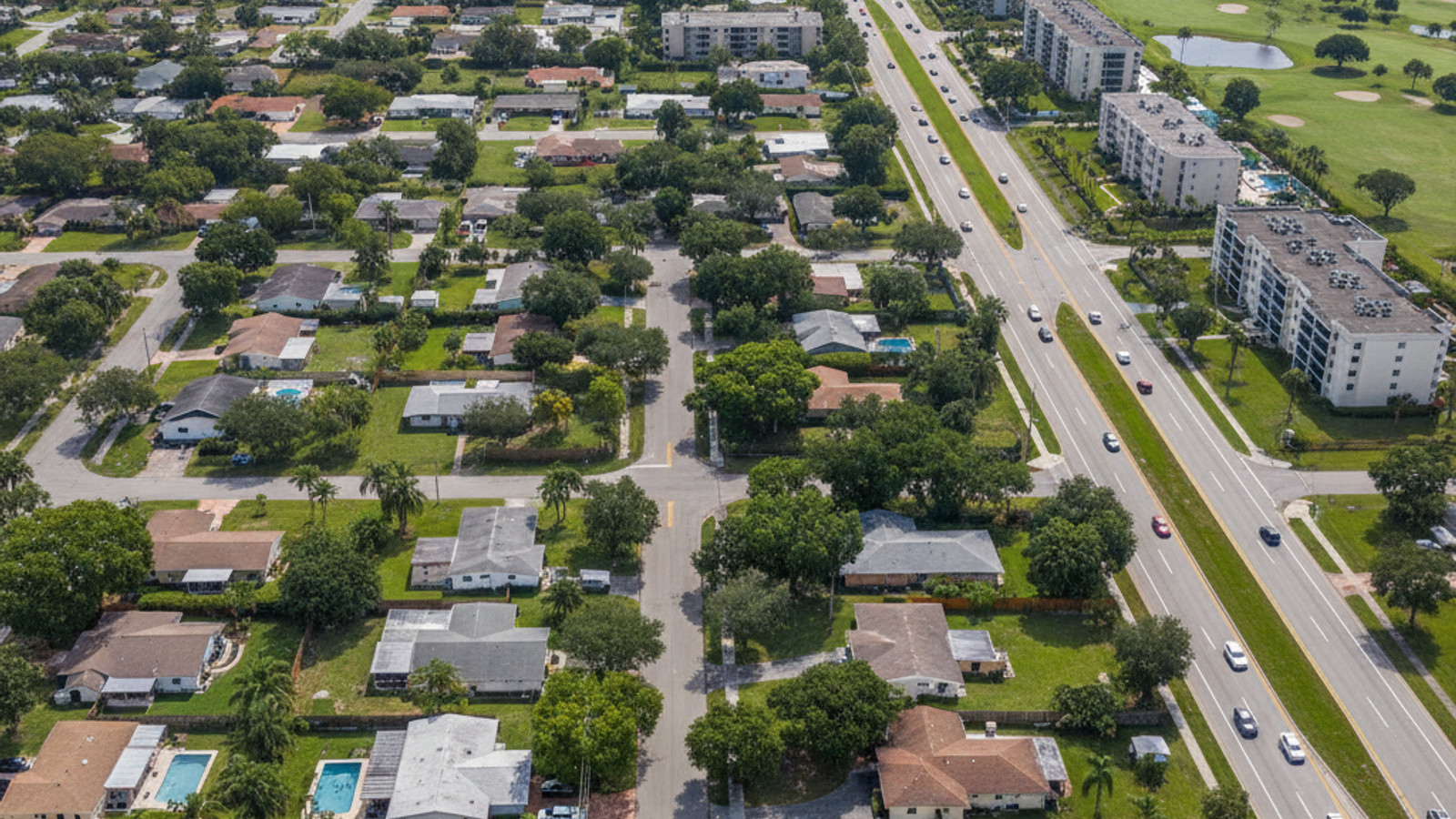
Entering the Fort Lauderdale real estate market requires strategic planning, especially when looking at specific neighborhoods. For many buyers, the Riverland area stands out as a practical entry point compared to the higher-priced eastern coastal corridors.
Navigating this localized market involves understanding current property values, financing structures, and specific state programs designed to lower upfront costs. Mastering these details early will give you a distinct advantage when competing for entry-level properties.
The Step-by-Step Roadmap for First-Time Home Buyers in Riverland
The journey to homeownership begins long before you start touring properties along Davie Boulevard. Your first move should always be assessing your debt-to-income ratio and pulling a complete credit history. Getting a clear picture of your financial health prevents surprises when you finally sit down with a loan officer.
Once your credit is in order, securing mortgage pre-approval from a local lender or credit union establishes a firm budget and signals to sellers that you are a serious buyer. You should also plan to take an approved homebuyer education class early in the process. Completing this coursework is a mandatory step to qualify for highly beneficial state assistance programs.
Keep in mind the Internal Revenue Service considers you a first-time home buyer if you have not owned a primary residence in the past three years. With pre-approval in hand, you can begin touring Riverland properties with an agent who understands the nuances of the local market. From there, you will navigate the underwriting process, property appraisal, and closing to finally secure the deed.
Entry-Level Property Types and 2026 Market Trends
Riverland offers an accessible entry point for buyers who might be priced out of eastern Fort Lauderdale neighborhoods. The area features a strong inventory of older single-family homes, typically built with three-bedroom, two-bathroom layouts ranging from 1,000 to 1,400 square feet. These mid-century properties often come with solid block construction and manageable lot sizes.
As of early 2026, the median home price in this neighborhood sits at approximately $415,000. While prices continually fluctuate, properties in this competitive starter-home segment tend to sell very close to their list price. Buyers must also factor estimated Broward County property taxes into their total monthly payment to avoid overextending their budget.
Evaluating Condominiums vs. Single-Family Homes
Condominiums often present a lower initial purchase price and alleviate the burden of exterior maintenance. This makes them a practical option for buyers who prefer a hands-off approach to property upkeep. However, you must carefully analyze the financial impact of monthly HOA fees on your overall debt-to-income ratio.
High association fees can significantly reduce your maximum mortgage loan amount. In contrast, single-family properties offer greater long-term investment value and complete owner-occupancy freedom. Purchasing a detached home means you will not have to navigate restrictive association rules or unexpected special assessments.
Florida Down Payment Assistance and Homebuyer Programs
Overcoming the initial cash requirement is often the largest hurdle for new buyers. Fortunately, Florida Housing offers robust programs specifically designed to assist with payment and closing costs. These initiatives are structured to reduce upfront barriers and make homeownership mathematically viable for local wage earners.
To qualify, applicants must meet specific area median income limits, occupy the home as a primary residence, and maintain a minimum credit score. The standard minimum credit score requirement is 640 for most Florida Housing programs. It is important to understand that these programs generally structure the assistance as a second mortgage on the property.
Leveraging the Florida Hometown Heroes Program
The Hometown Heroes program provides targeted support for eligible frontline workers, educators, law enforcement personnel, and veterans. Qualified applicants can receive up to 5% of their first mortgage loan amount in assistance. This crucial funding helps cover both the down payment and closing costs.
The financial structure operates as a 30-year deferred second mortgage with a 0% interest rate. The maximum assistance available is $35,000, while the minimum is set at $10,000. This loan is not forgivable, but participants benefit greatly from an exemption from origination fees and discount points.
Florida Assist (FL Assist) and FL HLP Options
For buyers outside the Hometown Heroes eligible professions, the FL Assist program offers up to $10,000 as a 0% interest, deferred second mortgage. This provides a straightforward way to bridge the gap between your savings and the required closing funds.
Alternatively, the Florida Homeownership Loan Program (FL HLP) provides up to $10,000 as a fully amortizing second mortgage. This option carries a 3% interest rate and is repaid over a 15-year term. Choosing the right option requires a strategic conversation with a knowledgeable loan officer based on your household income.
Navigating Riverland's Infrastructure and Commute Times
Location efficiency is a major factor driving interest in the Riverland area. The neighborhood provides incredibly quick access to Interstate 95 and Davie Boulevard, making regional travel highly convenient. This connectivity is a massive advantage for residents who work in neighboring municipalities.
A typical drive to downtown Fort Lauderdale takes approximately 10 to 15 minutes under normal traffic conditions. The Fort Lauderdale-Hollywood International Airport is also just a short drive away for frequent travelers. For those commuting to Palm Beach or Miami, the nearby Tri-Rail access offers a reliable alternative to highway driving.
Public transportation options further support the area's accessibility. Broward County Transit bus routes service the main corridors surrounding the neighborhood. Additionally, the LauderGO! Community Shuttle provides localized transit solutions for residents running daily errands.
Local Amenities: Parks, Groceries, and Healthcare
Daily convenience is a strong selling point for properties in this sector of Fort Lauderdale. Residents have immediate access to essential grocery options, including Publix and Winn-Dixie locations situated along State Road 84 and Davie Boulevard. Having these staples within a short drive simplifies household management.
The area also features dedicated outdoor recreation spaces that enhance the local environment. Riverland Woods Park offers accessible green space, while the nearby Secret Woods Nature Center provides extensive walking trails and environmental exhibits.
Healthcare access is another practical benefit of the neighborhood's location. Residents live in close proximity to Broward Health Medical Center, ensuring comprehensive medical services are readily available. This concentration of amenities supports a highly functional daily routine.
Public and Private School Zoning in Riverland
Understanding local educational zoning is a critical step before finalizing any property purchase. The neighborhood falls under the jurisdiction of the Broward County Public Schools district. Local public facilities include Riverland Elementary School, New River Middle School, and Stranahan High School.
There are also specific local private education options available to residents, such as Bethany Christian School. Because school boundaries can shift, buyers must verify exact zoning lines through the county portal before placing an offer. Assuming a property belongs to a specific boundary without checking can lead to significant logistical issues later.
First-Time Home Buyer FAQs
What disqualifies you from being a first-time home buyer in Florida?
The primary disqualifier is having owned a principal residence at any point during the past three years. This standard aligns directly with the Internal Revenue Service definition of a first-time buyer. Ownership of an investment property or a commercial building does not necessarily disqualify you if it was not your primary residence.
How do I qualify for a first-time home buyer program in Florida?
You must meet specific area median income limits and maintain a minimum credit score, which is typically 640. Applicants are also required to complete an approved homebuyer education class. Finally, the property you purchase must be used as your primary residence.
How much down payment is typically required for first-time home buyers in Riverland, FL?
Federal Housing Administration loans require a minimum down payment of 3.5% of the purchase price. Conventional mortgage options can sometimes allow down payments as low as 3% for qualified applicants. By utilizing state down payment assistance programs, buyers can often cover these minimum requirements without draining their savings.