


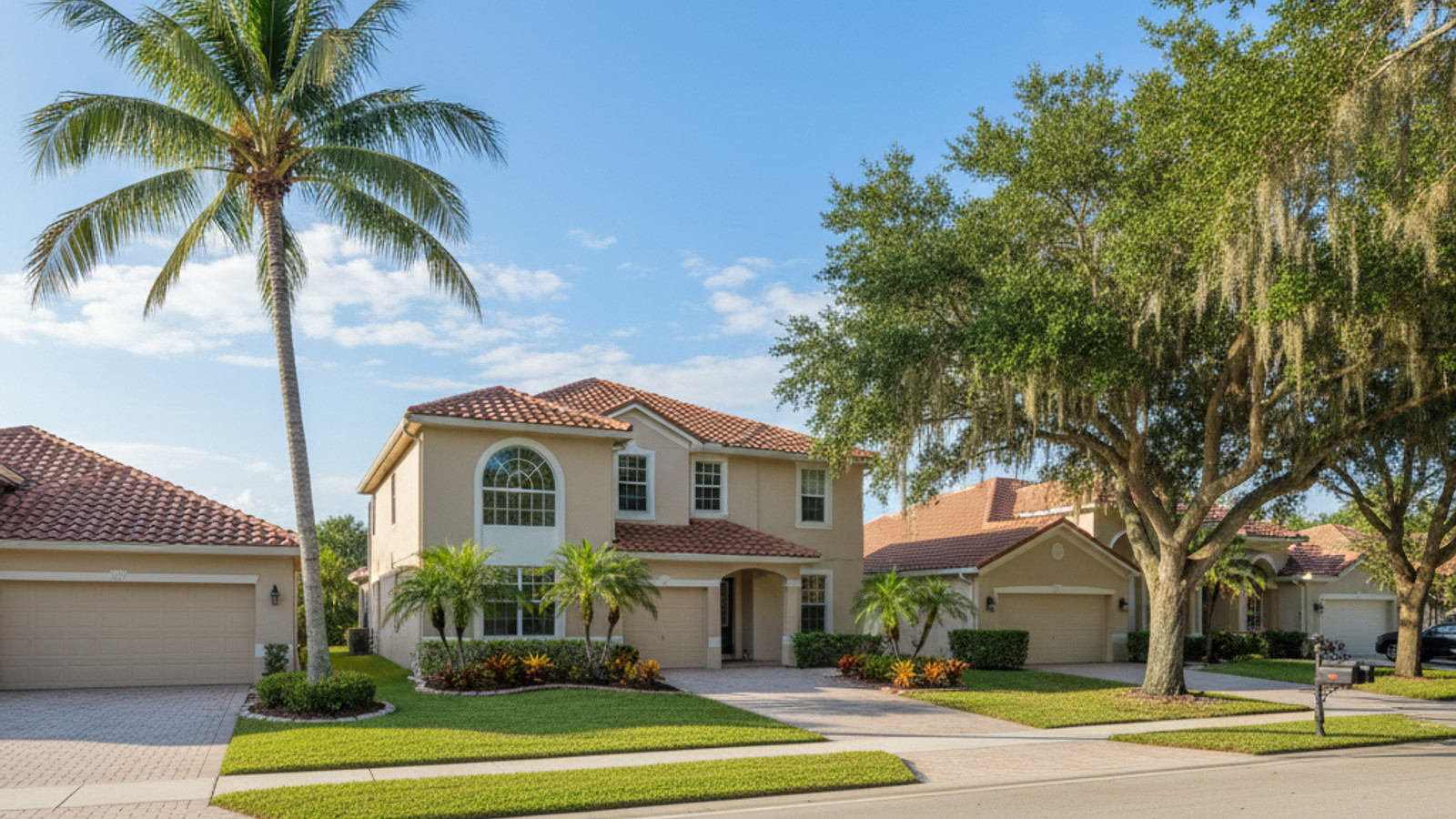
Selling a home on the Treasure Coast requires more than just staging the living room and setting a competitive asking price. Navigating seller disclosures in Port St. Lucie FL is a critical step that directly impacts your financial security and the legal standing of your transaction.
The current real estate environment demands absolute transparency from property owners preparing to list their homes. Buyers in 2026 are highly educated on property conditions, meaning a comprehensive disclosure strategy is your best defense against delayed closings or post-sale disputes.
Understanding Florida's Disclosure Requirements for Home Sellers
Florida law explicitly rejects the traditional doctrine of buyer beware when it comes to residential real estate transactions. State regulations obligate sellers to reveal any known material facts that substantially affect the value of the property.
This mandate means you cannot simply stay quiet and hope a buyer misses a hidden issue during their walk-through. Providing complete transparency actually serves as a powerful shield that protects the seller from future litigation. My firm recommendation for any seller is to over-disclose, as revealing a minor defect upfront is always cheaper than fighting a lawsuit over it later.
The Johnson v. Davis Precedent
The foundation of current state disclosure rules stems from the landmark 1985 Florida Supreme Court ruling in Johnson v. Davis. This case established the modern standard that sellers must actively disclose facts materially affecting the property value that are not readily observable to the buyer.
This legal precedent applies to all residential properties across the state, regardless of the home's age or current condition. It places the burden of honesty squarely on the seller's shoulders to point out latent defects before a contract is finalized.
How 'As-Is' Contracts Affect Disclosure Obligations
Many sellers mistakenly believe that listing a home with an "as-is" contract completely absolves them of their disclosure responsibilities. In reality, an "as-is" agreement only means the seller declines to pay for any repairs prior to the closing date.
The legal liability to disclose known latent defects remains fully intact even when selling a property in its current condition. Failing to document known issues can still result in a post-closing lawsuit for fraud or misrepresentation, making the disclosure form just as crucial in an "as-is" sale.
The Standard Florida Realtors Seller's Property Disclosure Form
The primary tool used to outline property conditions during a transaction is the standardized property disclosure form provided by Florida Realtors. This comprehensive document acts as a written record of the home's condition at the time of listing.
While state law does not strictly mandate the use of this specific form, providing the detailed information it requests is a legal requirement. Working closely with a licensed real estate agent to fill out this document thoroughly ensures you do not overlook critical details. The best approach is to walk through your home room by room with the document in hand to ensure total accuracy.
Key Property Conditions to Document
South Florida homes face specific environmental stressors, making certain property details especially important to prospective buyers. Sellers must accurately report the history and condition of several major structural and mechanical systems.
-
Document the exact age, current condition, and recent maintenance history of the HVAC system.
-
Detail structural elements like the roof condition, any history of hurricane damage, and known sinkhole activity.
-
Disclose past plumbing leaks, professional mold remediation efforts, and any prior termite infestations.
-
Include detailed information regarding unpermitted structural additions or pending municipal code enforcement actions.
St. Lucie County and Coastal Property Disclosures
Localized environmental and municipal factors unique to Port St. Lucie real estate require extra attention during the selling process. Proximity to local waterways like the St. Lucie River often triggers additional statutory paperwork and heightened buyer scrutiny.
Accurately representing local tax obligations and association rules is just as critical as detailing the physical condition of the house. Sellers who proactively gather their local municipal documents tend to experience much smoother appraisal and underwriting processes.
Flood Zones, Wetlands, and the Standalone Flood Disclosure
Sellers must now provide a standalone flood disclosure form to buyers before contract execution under Florida Statute 689.302. Following the expanded 2025 requirement, you must explicitly disclose any history of actual flood damage, insurance claims, or federal assistance received.
Proximity to the St. Lucie River and surrounding coastal wetlands directly impacts FEMA flood zone designations for many local neighborhoods. Buyers will closely review these required environmental hazard disclosures to accurately estimate their future insurance premiums.
HOA Riders and Property Tax Disclosures
Port St. Lucie features a high concentration of planned developments, which introduces specific mandatory paperwork. Buyers must receive clear documentation regarding their future financial obligations to these governing bodies.
-
Provide mandatory Homeowner Association or condominium riders detailing the governing rules of the community.
-
Supply a statutory summary of association financials, current reserves, and any upcoming mandatory assessment obligations.
-
Deliver a property tax disclosure warning buyers that their future tax bill may differ significantly from your current assessed rate.
Disclosure Timelines and the Legal Risks of Nondisclosure
Timing plays a vital role in how effectively your property disclosures protect your transaction. The standard best practice is to provide all completed disclosure forms before or exactly at the time the sales contract is executed.
Waiting until the inspection period to reveal a known issue often creates unnecessary friction and delays the closing process. Complete transparency from day one protects your financial proceeds and severely limits your future legal liability.
Deliberately hiding a material defect carries severe consequences under current state law. Buyers discovering hidden issues after closing can initiate a lawsuit for financial damages or demand a full rescission of the sale contract.
Frequently Asked Questions
Do I have to disclose a defect if I already fixed it?
Yes, you should disclose past defects even if they have been fully repaired. Providing documentation of a $5,000 roof repair or a past plumbing fix shows buyers you proactively maintained the property. Transparency about resolved issues prevents buyers from assuming you are hiding ongoing problems if an inspector spots evidence of past repairs.
What happens if a buyer asks about a death on the property?
Florida Statute 689.25 explicitly states that homicides, suicides, or deaths on a property are not considered material facts affecting the home's value. You are not legally required to disclose a death, but if a buyer asks directly, you should answer truthfully or decline to answer entirely. Most local agents advise a simple, honest response to maintain trust during a $400,000 transaction.
Are sellers required to conduct a home inspection before listing in Port St. Lucie?
Sellers are only legally obligated to disclose known facts and are not required to actively search for unknown issues before listing. However, investing $450 in a pre-listing inspection can help you identify and resolve minor defects before buyers tour the home. Disclosing the results of a pre-listing inspection often builds immense buyer confidence and accelerates the negotiation process.