


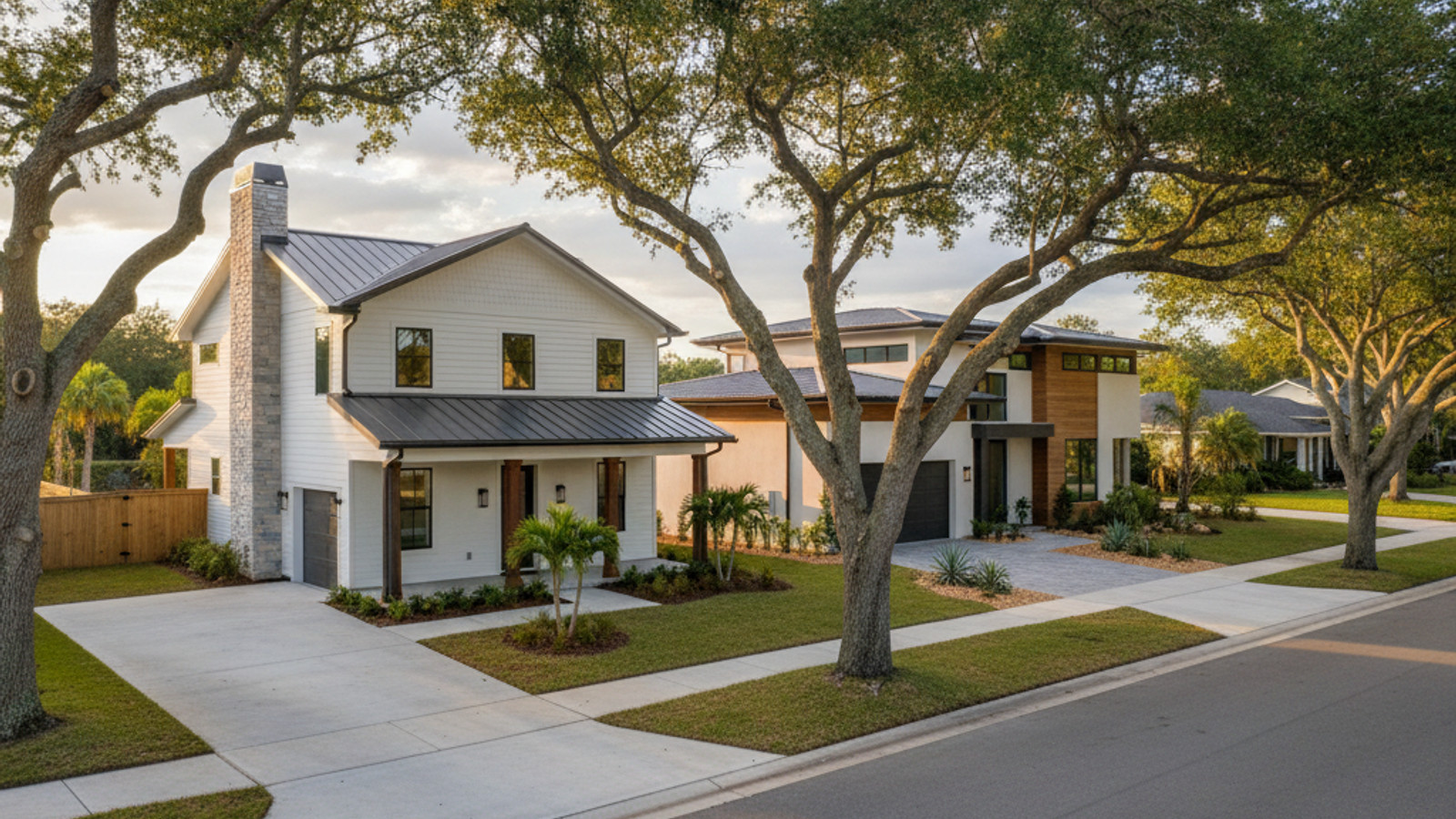
Understanding the precise worth of your home is the foundation of any successful real estate transaction. Whether you are preparing to list your house or negotiating a purchase, having accurate data prevents costly financial mistakes. Relying on guesswork or outdated figures can easily leave money on the table.
The local landscape has shifted significantly over the past few years, making current market intelligence more valuable than ever. Buyers and sellers need to look beyond national headlines and focus strictly on local neighborhood metrics. A targeted approach to property valuation ensures you make decisions based on reality rather than speculation.
The Importance of Accurate Property Valuation in Port St. Lucie
Pinpointing the exact value of a home is crucial for setting a realistic asking price in today's environment. With active inventory exceeding 2,600 homes in early 2026, buyers have plenty of options to choose from. Overpricing in a high-inventory market is the absolute fastest way to kill your listing and cause a property to linger on the MLS.
Precise valuation also protects buyers from appraisal gaps when securing a mortgage. If a home appraises for less than the agreed-upon purchase price, the buyer must cover the difference in cash or renegotiate the contract. Knowing the true numbers upfront helps both parties understand the seller's net proceeds and ensures a smoother path to closing.
Market Value vs. Assessed Value in St. Lucie County
It is common to confuse the market value a buyer is willing to pay with the assessed value used by the county for taxes. Market value fluctuates constantly based on current buyer demand, active inventory, and recent comparable sales. This is the number you focus on when buying or selling a home on the open market.
Conversely, the St. Lucie County Property Appraiser determines the assessed value strictly for calculating annual property taxes and special assessment taxes. Florida's Save Our Homes cap limits how much this assessed value can increase annually for existing residents with a homestead exemption. Because of this cap, a home's assessed value is often significantly lower than its open market value.
Port St. Lucie Real Estate Market Trends in 2026
The 2026 real estate landscape in Port St. Lucie has stabilized considerably compared to the frantic pace of previous years. We are now operating in a balanced environment where neither buyers nor sellers hold absolute control over the transaction. The pace of sales has normalized, meaning homes are naturally taking a bit longer to go under contract.
Active inventory currently sits at over 2,600 homes, giving buyers the leverage to negotiate terms and request repairs. Median sale prices in the area are hovering approximately between $400,000 and $423,000, depending heavily on the specific neighborhood. Average days on the market now range from 60 to 100 days, reflecting a healthier, more deliberate pace of commerce.
This shift toward a balanced market means pricing strategy is more critical than it was during periods of low inventory. Sellers can no longer expect multiple offers above the asking price on day one without a flawless pricing strategy. Buyers now have the luxury of time, so a property must present an undeniable value to secure a prompt sale.
Local Factors That Influence Port St. Lucie Home Values
While broader economic conditions dictate general trends, specific local geographic and community features heavily impact individual property prices. Commuter access and proximity to commercial hubs remain primary drivers of value across the region. Location dictates the baseline value, but specific infrastructure upgrades are what truly separate a premium listing from a standard one.
Properties situated closer to the coastline or major recreational centers naturally command different price points than those further inland. Buyers pay close attention to structural resilience and neighborhood amenities when evaluating a home's worth. The following local factors consistently influence property values across the city:
-
Proximity to major commuter routes, specifically I-95 and Florida's Turnpike, which streamline daily travel.
-
Access to natural amenities and recreation, including the St. Lucie River and the Savannas Preserve State Park.
-
Distance to established golf courses and master-planned community features, such as those found in PGA Village and Tradition.
-
Specific property infrastructure features, including lot size, hurricane impact windows, and functional storm drains.
Methods for Valuing Your Port St. Lucie Property
Homeowners have access to several different methods for determining a home's value, ranging from quick online tools to official evaluations. Each method varies significantly in cost, speed, and overall accuracy. Choosing the right approach depends entirely on where you are in the real estate process and what you intend to do with the information.
Free digital tools are fine for casual curiosity, but real financial decisions require a human expert evaluating local nuances. If you are preparing to sell, you need localized data rather than broad algorithmic estimates. For legal or financing needs, hiring a licensed real estate appraiser is a non-negotiable requirement.
Automated Valuation Models (AVMs)
Automated Valuation Models provide a fast, free starting point for homeowners curious about their property value. These algorithmic tools pull from public county records and aggregate data to generate an instant price estimate. They are highly accessible and offer a helpful baseline when you first begin thinking about your home's worth.
However, AVMs do not physically inspect the property, meaning they completely lack insight into unique home upgrades or specific condition issues. They cannot tell if you recently renovated the kitchen or if the roof needs immediate replacement. You should never rely solely on an automated estimate when setting an official listing price.
Comparative Market Analyses (CMAs)
A Comparative Market Analysis is a detailed report created by a local real estate agent using recent sales data. Agents analyze recently sold homes in your specific neighborhood or zip code to determine a competitive and realistic listing price. They pull comparable sales from the local MLS, typically focusing on transactions that closed within the last three to six months.
CMAs factor in current market conditions, active inventory levels, and the specific physical condition of your property. This method bridges the gap between raw data and real-world buyer behavior in the current market. Requesting a CMA is generally free and serves as the ideal first step when you are seriously preparing to list a home.
Professional Real Estate Appraisals
A professional real estate appraisal involves a rigorous process conducted by a state-licensed appraiser to determine official property value. These licensed appraisers conduct in-depth physical inspections, measure the exact square footage, and perform a detailed local market analysis. This is the most accurate and legally binding valuation method available to a homeowner.
Official residential real estate appraisals in Florida typically cost between $400 and $600, depending on the property size. This formal evaluation is strictly required by lenders for securing a mortgage, refinancing an existing loan, or removing private mortgage insurance (PMI). Appraisals are also necessary in specific legal situations, such as finalizing a divorce or executing estate planning documents.
Frequently Asked Questions
How much does it cost to appraise a house in Florida?
A standard residential real estate appraisal in Florida generally costs between $400 and $600. The exact price can fluctuate based on the size, complexity, and specific location of the property. Larger estates or homes with unique custom features may require a higher fee due to the extra research involved.
Who is the property appraiser for St. Lucie County?
The St. Lucie County Property Appraiser is an elected official responsible for identifying, locating, and fairly valuing all property within the county. Their office manages the assessment roll used to calculate local property taxes. You can access public property records and file for homestead exemptions directly through their official county website.
Is assessed value the same as market value in Florida?
No, assessed value and market value are two completely different figures in Florida real estate. Market value is the price a buyer is willing to pay, while assessed value is a strictly regulated number used by the county to calculate taxes. Because of the Save Our Homes cap, a property's assessed value is often much lower than its current market value.
What are ad valorem taxes?
Ad valorem taxes are property taxes based directly on the assessed value of real estate or personal property. In St. Lucie County, these taxes fund essential local services like public schools, infrastructure maintenance, and emergency response teams. The county calculates your annual tax bill by multiplying your property's assessed value by the local millage rate.