Real Estate News & Market Trends on Florida's Treasure Coast

You’ll find our blog to be a wealth of information, covering everything from local market statistics and home values to community happenings. We feature topics relevant to the Treasure Coast of Florida which includes, Stuart, Port St Lucie, Vero Beach, Palm City & Jensen Beach. That’s because we care about the community and want to help you find your place in it. Please reach out if you have any questions at all. We’d love to talk with you!

March 9, 2026

Property Taxes in Port St. Lucie, FL: A Local’s Guide to the Numbers


If you are looking at homes for sale in Port St. Lucie, you might have noticed something interesting about the monthly payment estimates. One house has a reasonable tax bill, while a similar house down the street seems to cost significantly more.

Navigating property taxes here can be a little tricky because it isn't just about one flat rate. Your final bill is a mix of city taxes, county levies, and specific "non-ad valorem" assessments that vary by neighborhood. This is especially true if you are looking in master-planned communities like Tradition or St. Lucie West, where extra infrastructure fees can cause a bit of sticker shock for unprepared buyers.

My goal here is to help you look past the confusing acronyms and understand exactly where your money goes. Let's break down the costs so you can budget accurately.


Breaking Down Your St. Lucie County Tax Bill

When you receive your tax bill (or the "TRIM notice" that comes before it), it can look like a wall of numbers. To make sense of it, you really only need to understand that the bill is split into two main buckets.

1. Ad Valorem Taxes This is the traditional property tax based on the value of your home. "Ad Valorem" literally means "according to value." This section includes levies from several different authorities:

  • St. Lucie County: Funds county-wide services.

  • City of Port St. Lucie: Funds city police, parks, and roads.

  • School Board: A significant portion goes toward local schools.

  • Fire District & Water Management: Essential services for safety and environmental management.

2. Non-Ad Valorem Assessments These are fixed costs. It doesn't matter if your home is worth $300,000 or $3,000,000; these fees are generally the same for everyone in the district because they pay for specific services.

  • Solid Waste: This covers your trash and recycling pickup. For the 2024/2025 tax year, this assessment is approximately $467.33.

  • Stormwater: A fee to manage drainage and prevent flooding.

  • The CDD Factor: If you live in a newer community, this is where you will see Community Development District fees.


The "Hidden" Cost: CDD Fees in Port St. Lucie

If you are browsing homes in Tradition, St. Lucie West, or the newer sections of Riverland, you need to talk about CDDs. A Community Development District (CDD) is a special entity created to finance the infrastructure of a community—think wide roads, beautiful landscaping, and underground utilities.

Developers take out a bond to pay for this upfront, and the homeowners pay it back over time. These fees appear on your tax bill in the non-ad valorem section. They are in addition to your standard taxes, which is why bills in these areas look higher.

CDD fees generally have two parts:

  1. The Bond: This pays off the debt for the infrastructure. It usually has a set maturity date (like a 20 or 30-year term). Once it's paid off, this portion drops off your bill.

  2. Operations & Maintenance (O&M): This pays to keep the community looking good. This portion is perpetual and can fluctuate.

In areas like Tradition, CDD fees can range anywhere from $780 to over $2,400 per year. While real estate listings often break this down into a monthly cost, remember that it is collected annually with your tax bill. If you don't pay it, a tax certificate can be sold against your home just like with regular property taxes.


How to Calculate Your Property Taxes (Millage Rates)

To figure out what you will actually pay in Ad Valorem taxes, you need to understand the "millage rate." One "mill" equals one dollar of tax for every $1,000 of your home's taxable value.

St. Lucie County has a higher aggregate millage rate compared to some other Florida coastal counties. When you add up the City, County, School Board, and Fire District rates, the total usually lands somewhere between 20 and 22 mills.

Here is the basic formula to estimate your Ad Valorem tax: (Taxable Value ÷ 1,000) × Total Millage Rate = Estimated Tax

For example, let's say your home has a taxable value of $300,000 and the total millage rate is roughly 21 mills.

  • $300,000 ÷ 1,000 = 300

  • 300 × 21 = $6,300

So, your base tax would be around $6,300. Then, you must add the Non-Ad Valorem assessments (like the ~$467 trash fee and any CDD fees) on top of that number to get your total bill.


New Homebuyers: Beware the "Tax Pop"

This is the single most important piece of advice for anyone buying a home in Florida. If you are looking at a listing and see that the current owner pays $2,500 a year in taxes, do not assume that will be your bill.

The current owner likely benefits from the "Save Our Homes" amendment, which caps the annual increase of their assessed value. They might be paying taxes on a value established 10 years ago.65

When you buy the house, that cap is removed. The year after you purchase, the taxable value "resets" to the market purchase price (the Just Value). This creates a "tax pop" where the bill can double or even triple compared to what the previous owner paid. Always use the St. Lucie County Property Appraiser’s online estimator tool rather than the seller's current tax bill when budgeting for your monthly payments.


How to Lower Your Bill: Homestead Exemption

Once you have purchased your home and made it your primary residence, you can start saving money. The Florida Homestead Exemption is the most powerful tool you have to lower your tax burden.

Here is how it helps:

  • Base Exemption: It reduces your home's assessed value by up to $50,000. The first $25,000 applies to all taxing authorities, and the second $25,000 applies to everything except the School Board taxes.

  • Save Our Homes Cap: Once you have your homestead, your assessed value cannot increase by more than 3% per year, regardless of how much the market value shoots up.

  • Portability: If you are moving from another Florida homestead, you might be able to transfer your accumulated "Save Our Homes" savings to your new Port St. Lucie property.

You must file for this exemption by March 1st of the tax year. There are also additional exemptions available for widows/widowers, persons with disabilities, veterans, and low-income seniors, so be sure to check the Property Appraiser's site to see if you qualify.


Payment Schedule & Discounts

In St. Lucie County, the tax collector incentivizes you to pay your bill early. Tax bills are generally mailed out on November 1st, and the sooner you pay, the more you keep in your pocket.

  • November Payment: 4% Discount (This is the best deal).

  • December Payment: 3% Discount.

  • January Payment: 2% Discount.

  • February Payment: 1% Discount.

  • March: Full amount is due (No discount).

Taxes become delinquent on April 1st. If you prefer to spread the cost out, there is an Installment Plan option where you pay quarterly, but you must apply for this by April 30th of the prior tax year.

When you are ready to pay, always ensure you are on the official St. Lucie County Tax Collector website (tcslc.com). There are look-alike sites that charge unnecessary processing fees, so stick to the official source.


Frequently Asked Questions

Why are Port St. Lucie property taxes so high?

Port St. Lucie taxes can feel higher due to a combination of a relatively high aggregate millage rate (around 22 mills) and the presence of CDD fees in popular, newer neighborhoods. The city is growing rapidly, and these taxes fund the necessary infrastructure, schools, and services to support that growth.

Is the Homestead Exemption automatic in St. Lucie County?

No, it is not automatic. You must file an application with the Property Appraiser’s office by March 1st. If you miss the deadline, you will have to wait until the following year to receive the benefit.

What is the difference between Ad Valorem and Non-Ad Valorem taxes?

Ad Valorem taxes are based on the assessed value of your home—the more your home is worth, the more you pay. Non-Ad Valorem assessments are fixed fees for specific services, such as solid waste (trash) collection or stormwater management, and cost the same regardless of your home's value.

How do I pay my St. Lucie County property taxes?

You should pay directly through the official Tax Collector website at tcslc.com. You can pay online via e-check or credit card, though card payments usually carry a processing fee. You can also pay by mail or in person at a Tax Collector service center.
March 9, 2026

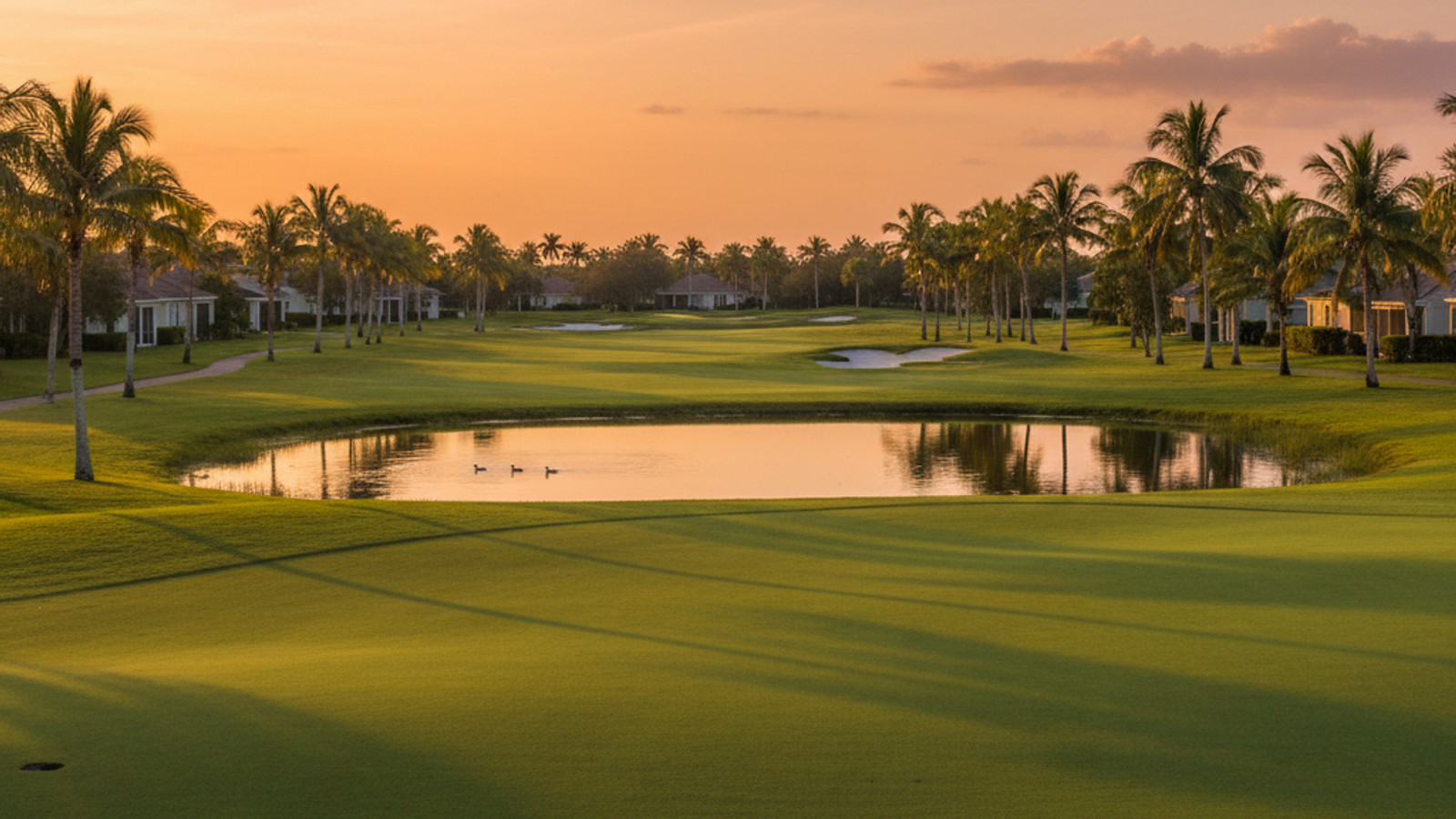
Finding the Best Real Estate Agent for PGA Village Verano

Welcome to one of Port St. Lucie's absolute premier resort communities. If you are looking to relocate here, you already know the lifestyle is incredibly easygoing, but navigating the buying process takes a bit of work. Whether you are looking at a brand-new build or a beautifully maintained resale home, having the right guide makes all the difference.

You really need a community specialist who understands the exact builder contracts and specific neighborhood fees. A general real estate agent might not know the nuances of the local landscape. By working with an expert, you get an advocate who can help you compare homes for sale in Port St. Lucie with total confidence.

If you have been reading our Port St. Lucie Community Guide, you know that buying in a master-planned neighborhood requires a sharp eye. Let's break down exactly why local expertise matters so much when you are making your move.

Why You Need a 'Community Specialist' for PGA Village Verano

It is easy to look at a map and think all the neighborhoods here are the same, but a local expert knows the micro-markets inside and out. For instance, there is a big difference in lifestyle and rules between buying in the Cresswind 55+ section versus the main Verano neighborhoods.

Fee transparency is another huge reason to work with a specialist. You will run into Community Development District fees here that simply do not exist in the older PGA Village across the way. A good agent will break down exactly how these infrastructure costs impact your monthly bottom line so there are no surprises at closing.

Finally, it comes down to lifestyle matching. A great agent knows exactly which floor plans put you just a short golf cart ride from Club Talavera or the pickleball courts. They listen to how you want to spend your days and point you toward the exact street that fits that vision.

The 'New Construction' Trap: Why You Need Representation

Let's talk about walking into a builder's sales office, because this is where many buyers make a costly mistake. The friendly on-site salesperson represents Kolter Homes, not you. Their job is to get the best terms and timeline for the builder, which means you need someone sitting on your side of the table.

There is a strict threshold rule in Florida real estate that you need to know about. If you walk into that new construction sales center on your first visit without your agent, you might completely forfeit your right to have your own representation. It is always best to bring your agent along from day one.

The best part is that bringing your own agent costs you absolutely nothing, as the builder pays the commission. In return, you get an advocate who can negotiate incentives, monitor your build timeline, and keep an eye on crucial inspections. If you check out our New Construction Buyer's Guide, you will see exactly why having someone in your corner is a total game changer.

Living the Lifestyle: Club Talavera & Pickleball

Once the paperwork is out of the way, the real reason you are moving here takes center stage. The amenities inside the gates are nothing short of spectacular, anchoring some of the best Florida Golf Communities in the state.

Club Talavera is the absolute social hub of the neighborhood. You have access to a massive 27,000 square foot social center paired with a dedicated 13,000 square foot fitness center. Whether you want to join a club, take a fitness class, or just grab a drink with neighbors, this 40,000 square foot complex has you covered.

If you play racket sports, you are going to be in heaven. This community boasts South Florida's largest private pickleball center with 27 pickleball courts ready for action. When you want to cool off after a match, you can choose between swimming laps in the indoor Junior Olympic pool or lounging by the massive resort-style outdoor pool.

Golf Access: The PGA Golf Club Connection

You cannot talk about this area without bringing up golf, but the setup here is uniquely buyer-friendly. The actual golf courses are not inside the residential gates, which keeps your base community costs highly manageable.

Instead, residents enjoy a private golf cart path that leads directly to the PGA Golf Club. This means you get all the convenience of a premium golf course community without the mandatory, exorbitant equity fees if you do not happen to play. You only pay for the golf lifestyle if you actually use it.

Membership at the club is entirely optional, with both equity and non-equity choices available to fit your budget. If you do decide to join, you get access to three stunning championship courses - the Wanamaker, the Ryder, and the Dye.

Market Snapshot: New Construction vs. Resale

Let's look at what is actually for sale right now and what you can expect to spend. You generally have two paths to choose from, and both offer excellent value depending on your timeline and preferences.

When budgeting for either option, expect your approximate monthly HOA fees to run between $460 and $580. That covers your cable, internet, lawn maintenance, and full access to Club Talavera. Here is a quick look at how the two property types compare:

  • New Construction: Homes from the Monroe and Carson collections feature modern, open floor plans and come standard with impact windows. Just keep in mind that you are looking at an 8 to 12 month build time from dirt to keys.

  • Resale Homes: Properties in established sections like Bella Vista or Venezia are completely move-in ready. They offer mature landscaping and sometimes a slightly softer price point, though your property taxes will reset upon purchase.

Frequently Asked Questions About PGA Village Verano

It is completely normal to have a lot of questions when researching a move to Port St. Lucie. Here are a few of the most common things buyers ask when we sit down to look at the numbers.

Is PGA Village Verano a 55+ community?

There is a distinct difference depending on which neighborhood you choose. The Cresswind section is strictly an age-restricted 55+ enclave. The rest of the community is officially open to all ages, though the resort lifestyle naturally attracts mostly active adults and retirees.

What are the HOA fees for 2025 and 2026?

You can expect the monthly homeowner association dues to range from roughly $460 to $580. This is a fantastic value because it includes your high-speed internet, cable television, full lawn care, gated security, and access to all the amenities at Club Talavera.

Does PGA Village Verano have a CDD fee?

Yes, there is a Community Development District fee attached to the annual property tax bill here. This is a critical financial detail that sets it apart from the older PGA Village, which does not carry these specific infrastructure bonds.

How far is the beach from PGA Village Verano?

You are perfectly positioned to enjoy the coast without dealing with the constant salt spray on your windows. It takes about 20 to 25 minutes to drive over the bridge to the beautiful shores of Jensen Beach or Hutchinson Island.

If you are ready to explore the community in person, reach out to schedule a private tour or request a download of the latest floor plan guide. Having a local expert by your side is the best way to ensure your move to Port St. Lucie is a complete success.

Feb. 17, 2026

From Pineapple Fields to Florida’s 6th Largest City: The History of Port St. Lucie


If you drove through this area in 1960, you wouldn't have seen a bustling metropolis. In fact, you wouldn't have seen much of anything at all—mostly slash pines, palmetto scrub, and a few cattle ranches. The population was essentially zero.


Fast forward to February 2026, and Port St. Lucie has exploded into a powerhouse with a population exceeding 250,000, officially surpassing historic heavyweights like Fort Lauderdale. It is now the 6th largest city in Florida.


While the name "Santa Lucia" dates back to a Spanish fort from 1567, the city we know today didn't grow organically over centuries like St. Augustine or Key West. Instead, it was born from a master marketing plan in the mid-20th century. It is a young city, designed from scratch, that evolved from a retirement experiment into a major economic engine on the Treasure Coast.


Before the Boom: The Land of 'Santa Lucia'

Long before the bulldozers and real estate brochures arrived, this land had a quiet but deep history. The name itself comes from the Spanish, who established a fort called "Santa Lucia" on the feast day of St. Lucia, December 13, 1567. That fort didn't last long, but the name stuck to the river and the region.


For most of the 1800s and early 1900s, the area was sparsely settled. It was the domain of rugged pioneers, cattle ranchers, and pineapple plantation owners who utilized the sandy soil along the riverbanks. It wasn't an easy place to live, but it was rich in natural resources.


One of the most significant spots from this era is Spruce Bluff. Located along the North Fork of the St. Lucie River, it was the site of a pioneer settlement established in 1891. But its history goes back even further; it is also home to an ancient Ais Indian mound, proving that people recognized the value of this high ground long before modern development began.


The General Development Corporation (GDC) Era (1958–1961)

The Port St. Lucie we recognize today truly began in 1958. That’s when the General Development Corporation (GDC), led by the famous Mackle Brothers, purchased 40,000 acres along the North Fork of the St. Lucie River. They didn't just want to build houses; they wanted to build a massive community from nothing.


The GDC had a brilliant, if aggressive, marketing plan. They targeted northern retirees and working-class families with an offer that sounds impossible today: building lots for $10 down and $10 a month. They set up sales kiosks in train stations and bus terminals in cities like New York and Chicago, selling the Florida dream to people who had often never set foot in the state.


A common question I get from clients is about the "Port." The truth is, there is no deep-water seaport here. GDC used the word "Port" in many of their developments—like Port Charlotte and Port Malabar—strictly for branding. It sounded commercial, established, and accessible.


The development model was unique. The Mackle Brothers designed a "city without a center." They platted miles of residential roads and cul-de-sacs but included very little commercial infrastructure initially. This layout created the sprawling, purely residential vibe that defined the city for decades.


1961: Incorporation and the First Neighborhoods

The city officially became a legal entity on April 27, 1961, with the passing of House Bill No. 953. At the time of incorporation, the area was still largely empty, but the framework was in place. By the first census count in 1970, there were still only about 330 residents, but the seeds of growth were planted.

The earliest developed pockets were River Park and the area now known as Sandpiper Bay. River Park was actually developed slightly differently and sits as one of the oldest inhabited sections, though it was often viewed as a separate enclave initially.


Sandpiper Bay was originally the "Port St. Lucie Country Club" area. It catered to early tourists and golfers who came to stay at the villas. If you look at Sandpiper Bay real estate today, you can still feel that old-Florida charm with larger lots and mature vegetation that you don't always find in the newer western subdivisions.


Back then, infrastructure was almost non-existent. For a long time, the "Shell Bazaar" on US 1 was one of the only major landmarks you could use to give directions. It was a lonely outpost on a quiet highway.


Growing Pains and Gains (1970s–1980s)

The 1970s and 80s were a time of rapid, sometimes chaotic, expansion. The secret was out. The population crossed the 14,000 mark in 1980, and by 1988, Port St. Lucie had surprisingly surpassed its older neighbor, Fort Pierce, in population.


However, this growth brought serious struggles. Because GDC had sold lots in a "checkerboard" pattern across thousands of acres, bringing water and sewer lines to scattered homes was a logistical and financial nightmare. Many early residents relied on well water and septic tanks because the city simply couldn't run pipes to everyone fast enough.


There were also attempts to create a downtown that didn't quite stick. "Village Green" near US 1 and Walton Road was an early effort to build a commercial core, but the city’s spread-out nature made it hard to centralize activity.


The era culminated in the 1990 bankruptcy of the General Development Corporation. While this seemed like a disaster at the time, it actually forced Port St. Lucie to mature. The city had to stop relying on a single developer and start managing its own destiny, leading to more diverse growth and better planning.


The Core Communities Turning Point: St. Lucie West

The late 1980s and early 1990s marked a massive shift in how the city was built. We moved away from the GDC model of individual lots and toward the Master Planned Community (MPC) style. The catalyst for this was St. Lucie West.


Thomas J. White, a visionary developer, saw the potential for a self-contained community. His plan wasn't just homes; it was an economic ecosystem. He was instrumental in bringing the New York Mets spring training facility to the area in 1988 and securing land for Indian River State College and Florida Atlantic University campuses.


This development created a legitimate new commercial hub at I-95 exit 121. Suddenly, residents didn't have to drive to US 1 for everything. If you look at St. Lucie West homes for sale now, you see the result of that vision: manicured streetscapes, shopping plazas, and gated neighborhoods all integrated together. It changed the center of gravity for the entire city.


Tradition and the New Metropolis (2000s–Present)

As the 2000s rolled around, the city looked west again—this time, west of I-95. The annexation of the "Western Grove" lands paved the way for Tradition, a massive mixed-use development designed to feel like a small town with a dedicated town square.

Tradition represented the modern era of Port St. Lucie:

  • Lifestyle-First Design: Unlike the old GDC lots, Tradition Port St. Lucie focused on walkability, lakes, and community events.
  • The Biotech Sector: This era saw a push for high-paying jobs with the "biotech corridor," bringing institutes like VGTI. While the biotech boom had its busts, facilities like the Cleveland Clinic research center have kept the medical focus alive.
  • Crosstown Parkway: One of the most significant infrastructure battles in the city's history was the fight to build a third bridge across the river. Completed in 2019, the Crosstown Parkway bridge finally connected the western boomtowns to the eastern neighborhoods, relieving massive traffic pressure.

Today, specifically looking at new construction in Port St. Lucie, you can see that the momentum hasn't slowed. The city is consistently ranked among the fastest-growing in the U.S. throughout the 2020s.


Local History You Can Visit Today

Even though we are a new city, there are still places where you can touch the past. If you are interested in living in Port St. Lucie and want to connect with its roots, here are a few spots to check out:

  • Spruce Bluff Preserve: You can hike trails that lead to the site of the 1891 pioneer settlement and the prehistoric Ais Indian Mound. It’s a quiet, wooded reminder of what was here before us.
  • Port St. Lucie Botanical Gardens: Interestingly, this beautiful spot sits on land that was once part of the GDC's "model home" center.
  • The Historic Shell Bazaar: It is still operating on US 1! It’s a kitschy, fun slice of old Florida roadside history.
  • PSL Historical Society Museum: Located near the Botanical Gardens, this is a great place to see artifacts from the GDC days and early incorporation.


Frequently Asked Questions About PSL History


Why is it called Port St. Lucie if there is no port?

The name was a branding strategy by the General Development Corporation (GDC). They used "Port" in the names of several of their communities (like Port Charlotte) to make them sound like established commercial hubs, even though Port St. Lucie has no deep-water seaport for large ships.


When was Port St. Lucie founded?

The city was officially incorporated on April 27, 1961. However, the land was purchased by the developers in 1958, and the name "Santa Lucia" dates back to a Spanish fort established in 1567.


What is the oldest neighborhood in Port St. Lucie?

River Park and Sandpiper Bay are considered the oldest developed areas. Sandpiper Bay began as the area surrounding the country club for early visitors, while River Park was one of the first residential pockets established near the river.


Who was the General Development Corporation?


The General Development Corporation (GDC), run by the Mackle Brothers, was the company responsible for planning and selling Port St. Lucie. They bought the land in the late 1950s and marketed residential lots to northerners for $10 down and $10 a month, creating the city's vast residential footprint.

Posted in Buying
Feb. 17, 2026

Is Port St. Lucie the Right Fit for Your Family?


Welcome to Port St. Lucie. If you are looking at the map in 2026, you likely see a city that has exploded in popularity. We are officially one of the fastest-growing cities in the country, and for good reason. For many people moving from the chaos of Miami or the high costs of the Northeast, PSL represents a breath of fresh air—literally and financially.


It really comes down to what you value most. Port St. Lucie consistently ranks as one of Florida’s safest cities, a title we hold onto year after year. The trade-off? You get the newer, larger home and the A-rated schools, but you might be trading a short commute for a longer drive on I-95. The nightlife here is quiet, and the lifestyle is slower. But if your priority is a backyard, a safe street, and a solid school system rather than clubbing until 2 AM, this city is likely a top contender for your next move.


Pros and Cons of Raising a Family in Port St. Lucie

Let’s be real about the day-to-day. Most people moving here are looking for a specific lifestyle shift, but it helps to see the balance sheet before you pack the truck.


On the positive side, the affordability here is still unmatched compared to our neighbors south of us. You get access to a district that hit a major milestone with an "A" rating in 2025, vast park systems, and those famously low crime rates. It’s the kind of place where people actually use the sidewalks.


However, there are challenges. The traffic on I-95 and Crosstown Parkway has increased with our population boom. Home insurance costs are rising—a statewide issue, but one you'll feel here too. Also, while we have plenty of shopping, major cultural hubs like zoos or big museums are often a drive away in West Palm Beach or Orlando.


Education: St. Lucie Public Schools & Charter Options

One of the first questions I get from buyers is about the schools. It’s good news on that front: St. Lucie Public Schools achieved an "A" district rating in 2025, reflecting a lot of hard work and improvement over the last few years.


It is important to understand how enrollment works here, because it’s a bit different than the standard "neighborhood school" model. We use a choice-based zone system. The county is divided into zones (Red, Green, and Blue). Instead of automatically going to the school closest to your house, you apply for schools within your assigned zone. This gives you options, but it also means you need to stay on top of application deadlines.


Beyond the traditional schools, we have a robust network of K-8 magnet schools, which are incredibly popular here. There are also several charter schools if you prefer that route. For older students, the dual-enrollment opportunities at Indian River State College (IRSC) are a fantastic way to get a head start on higher education credits while still in high school.


Safety & Crime: How Port St. Lucie Compares

Safety is often the number one reason people choose living in Port St. Lucie over other South Florida options. The statistics back this up; our crime rates are significantly lower than both the Florida and national averages.


Context matters, though. This is largely a bedroom community. Because the nightlife is minimal and the city is spread out, violent crime is very rare. Most of the activity you’ll see in police reports is minor property crime.


When you drive through the neighborhoods at night, you’ll notice it’s quiet. You will also see a high visibility of police presence. It’s not because things are happening, but rather a proactive approach that residents generally appreciate. It creates a very secure atmosphere for evening walks or letting kids play in the yard.


Top Neighborhoods with Amenities for Kids

Port St. Lucie is massive geographically, and the "vibe" changes drastically depending on which exit you take off the highway. Here is how the main areas break down:

Tradition This is the master-planned area everyone talks about. It features a walkable town square, autonomous shuttles, and newer schools. It has a real "Town Center" feel where you can bike to get ice cream. Be aware that this convenience comes with higher costs, including HOA fees and CDD fees.


St. Lucie West This is the established hub. It is dense with shopping, dining, and entertainment, and it sits right off I-95. It’s home to the Mets spring training and feels a bit busier than the rest of the city. If you want to be close to everything, this is it.


Torino & The North If you hate HOAs, look here. This fast-growing area features larger lots and fewer restrictions. It’s a great spot if you need space for a boat or an RV. The trade-off is that you are further from the Turnpike and the "center" of town.


Sandpiper Bay This is one of the older, more established areas. It’s unique because of the geography—more trees, winding roads, and proximity to the river. It’s also where you’ll find the Saints Golf Course. It feels less "cookie-cutter" than the new developments.


Cost of Living: Housing, Insurance, and Taxes

Let’s talk numbers. The financial appeal of PSL is strong, but you need to budget for more than just the mortgage.


Regarding housing, your dollar simply goes further here. You can typically find a 3-4 bedroom home here for the price of a cramped 2-bedroom condo in Fort Lauderdale. We are seeing median home prices hover in the $350,000 to $450,000 range, which is a stark contrast to the $600,000+ you might see starting in West Palm Beach.


Insurance is the tricky part. Florida’s insurance market is tough, and PSL is not immune. However, buying a home with a roof replaced after 2020 can significantly lower your premiums. When browsing PGA Village homes for sale or properties in Tradition, always ask the age of the roof immediately.


Don’t forget about taxes. In newer developments like Tradition or PGA Village Verano homes for sale, you often have a CDD (Community Development District) fee on top of your standard property taxes. This pays for the infrastructure, but it can add a few thousand dollars to your annual bill. Everyday costs like gas and groceries are standard, but do budget for gas—you will be driving everywhere.


Lifestyle: Parks, Beaches, and Weekend Activities

We might not have the frantic energy of Miami, but we aren't bored. The lifestyle here focuses heavily on the outdoors.


For parks, Jessica Clinton Park is a local favorite with fitness stations and great play areas. If you are into gardening or just a nice walk, the Port St. Lucie Botanical Gardens is a gem. For golfers, this is paradise. You have the Saints Golf Course and the famous Port St. Lucie golf communities like the PGA Golf Club.


While we are technically landlocked, the beach is close. You are usually a 20-25 minute drive from the beaches on Hutchinson Island, such as Jensen Beach or Stuart Beach. It’s close enough for a quick weekend trip without the hassle of living right on the salt water.


Sports are big here, too. Clover Park is the spring training home of the New York Mets, and games there are a major local event. If you prefer nature over baseball, the Savannas Preserve State Park offers miles of kayaking and hiking trails right in our backyard.


The Commute: The Reality of Working in South Florida

We have to address the elephant in the room: the commute.


While local employment is growing, particularly with Cleveland Clinic and HCA expanding their healthcare footprints, a large chunk of our residents—about 63% as of last year—commute out of the county for work. Many head south to West Palm Beach or Jupiter.


Traffic on I-95 and the Turnpike can be congested during rush hour. If you are working in West Palm, you should expect a drive of 45 to 60 minutes each way. Some residents use the express bus options or carpool to save money and stress. It is a trade-off many are willing to make to come home to a spacious house in a quiet neighborhood.


Frequently Asked Questions


Is Port St. Lucie considered safe for raising children?

Yes, it is consistently ranked as one of the safest cities in Florida. Violent crime is rare, and the area functions largely as a quiet bedroom community with a very visible police presence.


How do the schools in Port St. Lucie rank compared to the rest of Florida?

The St. Lucie Public Schools district achieved an "A" rating in 2025, placing it among the top-performing districts in the state. The unique choice zone system allows parents to apply for various schools and magnets rather than being locked into a single neighborhood option.


What is the average commute time for residents?

If you work locally, it’s a breeze, but for those commuting to employment hubs in West Palm Beach, expect a 45–60 minute drive each way. Traffic on I-95 is a daily reality for the majority of the workforce living here.


Does Port St. Lucie have a downtown area?

Not in the traditional sense of a historic city center. Tradition Square functions as a modern "downtown" with shops, events, and walkability, but the city is primarily suburban and spread out.

Posted in Florida Living
Feb. 17, 2026

The Port St. Lucie Job Market in 2026: Who’s Hiring and What to Expect


If you are thinking about moving to the Treasure Coast, or perhaps you’re already here and looking for a career change, the first question is usually the same: "Can I actually find good work in town, or am I going to be stuck driving I-95 every day?"


It’s a fair question. For a long time, Port St. Lucie was known primarily as a quiet bedroom community. But as we head further into 2026, the narrative is shifting. The city is transitioning into a true regional economic hub, even if it still has some growing pains to work through.


Here is a realistic look at the job market in Port St. Lucie FL, from who is hiring right now to what you can expect to earn.


Port St. Lucie Job Market Overview (2026)

To understand the job market here, you have to look at the explosion in population. Port St. Lucie has been one of the fastest-growing cities in Florida for years now, with the population up roughly 25% since 2020. Whenever you have that many people moving to Port St. Lucie, the demand for services goes through the roof.


We are seeing a massive catch-up game. The local economy is racing to build enough schools, medical centers, and retail spaces to serve all the new residents. However, because the population grew faster than the corporate base, unemployment here tends to sit slightly higher than the state average—hovering around 5.7% as of late 2025.


The big theme right now is the "skills gap." Local employers are desperate for skilled tradespeople and healthcare workers. Conversely, if you are looking for a high-level corporate headquarters role, you might find the local pickings slimmer compared to cities further south.


Top Industries Driving Employment

While retail and hospitality are visible everywhere, they aren't the only game in town. The economic pillars here are actually quite distinct.


Healthcare This is, without a doubt, the dominant sector. With a large retiree population and a growing number of young families, the demand for medical care is constant. Between Cleveland Clinic Martin Health and HCA Florida, plus the dozens of private practices and urgent cares springing up, nurses and specialists are rarely out of work here.


Marine & Manufacturing People are often surprised to learn that St. Lucie County is a powerhouse for boat building. Maverick Boat Group and Pursuit Boats have major operations here. Beyond the marine industry, light manufacturing is a stable, well-paying sector that offers a solid alternative to service jobs.


Logistics & Distribution If you drive down the "Midway Road" corridor or near the Interstate, you will see massive warehouses popping up. Because Port St. Lucie sits perfectly between Orlando and Miami, it has become a prime spot for logistics. Companies like Amazon, FedEx, and Cheney Brothers have heavily invested in distribution centers here.


Construction & Real Estate With thousands of new construction homes in Port St. Lucie being permitted annually, the need for skilled labor is critical. We aren't just talking about general laborers; there is a significant shortage of electricians, plumbers, and HVAC technicians.


Major Employers in Port St. Lucie

If you want to know exactly who is signing the biggest paychecks, the list is a mix of public sector stability and private sector growth.

  • St. Lucie Public Schools: As the county’s largest employer, the school district is constantly hiring teachers, bus drivers, and administrative staff to keep up with enrollment.
  • Cleveland Clinic Martin Health: The primary anchor for healthcare jobs in the region.
  • Teleperformance: A massive business process outsourcer (BPO) that provides a lot of entry-level customer service and call center roles.
  • Cheney Brothers: A food distribution giant. Their facility here is huge and offers careers in logistics, sales, and warehouse management.
  • Local Government: Both the City of Port St. Lucie and St. Lucie County are major employers, offering roles that typically come with strong benefits packages.
  • Tradition Center for Innovation: Keep an eye on this area. It is slowly becoming a hub for biotech and research jobs, aiming to bring more white-collar careers to the Tradition neighborhood.

Salaries vs. Cost of Living

Here is where we have to have a candid conversation about the numbers. Historically, wages in Port St. Lucie have been lower than in West Palm Beach or Fort Lauderdale.


As of 2026, the Median Household Income is sitting around $78,000. However, that number is often achieved by two people working, or by one person bringing in a higher salary from a remote job or a commute. Individual average salaries vary wildly by sector, generally landing in the $46,000 to $63,000 range.


The challenge is that housing prices have risen faster than local service-industry wages. If you are working a standard retail or service job, buying a single-family home on just one income is becoming difficult. This is why understanding the cost of living in Port St. Lucie is vital before you accept an offer—you need to make sure the math works for your lifestyle.


Commuting Patterns: The West Palm Connection

You can’t talk about the Port St. Lucie economy without talking about the commute. The reality is that over 60% of the local workforce commutes out of St. Lucie County for work every day.


Most of these drivers are heading south to West Palm Beach, Boca Raton, or Jupiter. The trade-off is simple: you earn a "Palm Beach salary" but pay "St. Lucie housing prices." While that gap is narrowing, it’s still significant enough that thousands of people make the 45–60 minute drive each way.


If you don't want to drive, there is the Port St. Lucie Express (95X). It’s a bus service that connects PSL directly to downtown West Palm Beach, which is a great option if you work near the government center or Clematis Street and want to save on gas and wear-and-tear.


Remote Work Opportunities

The game-changer for this area has been remote work. Because Port St. Lucie lacks a dense corporate downtown, it has become a haven for remote workers who want a nice house and a yard without the city price tag.


High-speed fiber internet is widely available, especially in master-planned communities like Tradition or St. Lucie West. Since you don't need to commute to a local office, you can take advantage of Florida's tax benefits and the local lifestyle while earning a salary from a company based in New York, Chicago, or Miami. You’ll even find informal hubs of remote workers filling up the coffee shops in the Tradition Commerce Park area during the week.


Tips for Landing a Job in 2026

If you are ready to hunt for a position, here is how to approach it locally:

  • Check CareerSource Research Coast: This is a great local resource for listings and government training grants.
  • Network in Person: In a town like this, who you know matters. The St. Lucie County Chamber of Commerce is very active and a great place to meet business owners.
  • Consider a Pivot: If you are having trouble finding an office admin role, look at manufacturing or logistics. These "blue-collar" sectors often pay better than entry-level office jobs here and offer faster paths to promotion.
  • Test the Drive: If you are eyeing a job in West Palm Beach, do the drive during rush hour before you accept the offer. Make sure you are okay with the time commitment.


Frequently Asked Questions


What is the main industry in Port St. Lucie?

Healthcare and Retail/Service are the largest industries by sheer volume of jobs, driven by the needs of a growing population. However, the region has a specialized and strong niche in Marine Manufacturing and Logistics that provides many of the area's stable, middle-class incomes.


Is it hard to find a job in Port St. Lucie?

It depends heavily on your field. If you are in healthcare, skilled trades (like HVAC or plumbing), or education, you will likely find work very quickly. If you are looking for high-level corporate management or tech roles, it can be more challenging without working remotely or commuting south.


What is a good salary in Port St. Lucie?

To comfortably afford a home and manage rising insurance costs, a household income of $75,000 or higher is generally recommended. While it is possible to live on less, the rising cost of housing means a single income in the $40k–$50k range may be tight for homeownership.


How many people commute from Port St. Lucie to West Palm Beach?

It is estimated that roughly 63% of the workforce commutes out of St. Lucie County for work. The majority of these commuters head south toward West Palm Beach and Jupiter to take advantage of higher wages while living in a more affordable area.

Posted in Florida Living
Feb. 17, 2026

Is Port St. Lucie Good for Young Professionals? (2026 Guide)


If you had asked me five years ago if Port St. Lucie was a hotspot for young professionals, I probably would have pointed you further south toward Delray Beach or West Palm Beach. For a long time, this area had a reputation that was strictly "golf and retirees."

But as we settle into 2026, the conversation has changed completely.


The "sleepy" stigma is fading fast. Driven by a massive influx of remote workers and people fleeing the sky-high rents of Miami and Palm Beach, Port St. Lucie has become one of the fastest-growing cities in the country. While it isn't a late-night party hub, it has evolved into a strategic sanctuary for career-focused individuals who actually want to buy a home before they turn 40.


If you are considering relocating to the Sunshine State, here is the honest breakdown of what life is really like here for the under-40 crowd.


The Verdict: Is Port St. Lucie Right for Young Professionals in 2026?

Let’s start with the bottom line. Is Port St. Lucie (PSL) the right move for you? The answer depends entirely on what you prioritize: your bank account or your Friday nights.


If you are a remote worker or a commuter looking to maximize your savings and square footage, the answer is a resounding Yes. The city offers a lifestyle that allows you to build equity in a brand-new home while enjoying a laid-back, outdoor-centric pace.


However, if you are looking for a walkable urban core, high-energy nightclubs, or a dating scene similar to Brickell or downtown West Palm, the answer is likely No—or at least, "Not yet."


We are currently in a transition phase. The population is getting younger every year, and amenities are catching up, but the median age is still higher than in trendier southern hubs. The major draw here remains the financials: the cost of living in Port St. Lucie is approximately 13-15% lower than in West Palm Beach. For many, that savings is the difference between renting forever and becoming a homeowner.


Job Market & Commuting: The "Treasure Coast" Hustle

When we talk about working here, we have to look at two distinct buckets: the local economy and the commuter reality.


Locally, the job market is anchored heavily by healthcare—Cleveland Clinic is a massive employer here—as well as retail and education. We have also seen growth in light manufacturing, with new facilities adding about 300 jobs recently. If you are in healthcare or trades, finding work locally is relatively straightforward.


However, a huge chunk of our young professional population—about 63% of the workforce—leaves the county every morning. This is the "Treasure Coast Hustle." Many residents choose living in Port St. Lucie for the affordable mortgage and commute to higher-paying corporate jobs in Palm Beach County.

The Commute to West Palm Beach If you plan to drive, access to I-95 is crucial. The drive to West Palm Beach takes about 45 to 60 minutes, though traffic can be heavy during peak rush hours.

But here is the game-changer that savvy locals use: the Port St. Lucie Express bus service.


  • Cost: It’s incredibly cheap (around $3 per ride).
  • Perks: It includes Wi-Fi, allowing you to get a head start on emails or decompress before getting home.
  • Convenience: It connects the Gatlin Blvd Park-and-Ride directly to downtown West Palm Beach, saving you the stress of driving I-95 daily.

For those navigating commuting in South Florida, this bus service is one of the best-kept secrets for maintaining work-life balance.


Remote Work Readiness: Fiber Speeds & Coworking

If you don't have to commute because your office is in the cloud, PSL is arguably one of the best setups in Florida. The city has leaned hard into becoming a remote work haven.


Infrastructure-wise, you are well covered. High-speed internet is excellent, especially in the newer master-planned communities. AT&T Fiber and Blue Stream Fiber are widely available, with speeds hitting up to 5 Gbps in some neighborhoods. You generally won't face the connectivity issues that plague some older, coastal Florida towns.


While we don't have a massive selection of hip, WeWork-style coworking lofts just yet, the options are growing. Most young professionals here opt for the "home office" route simply because the houses are large enough to support it. One of the biggest perks, of course, is financial: Florida has no state income tax, which is essentially an immediate raise for remote workers moving from New York or California.


Cost of Living: Renting vs. Buying in 2026

This is usually the section where eyes light up. The housing value here is hard to beat in South Florida.

The Rental Market If you aren't ready to buy, the rental scene has upgraded significantly. We are seeing more modern luxury apartments, such as Lucie at Tradition or The Atlantic, which cater specifically to young professionals.

  • Typical Rent: You can expect to pay between $1,800 and $2,200 for a high-quality 1-2 bedroom unit.
  • Comparison: That is roughly $500 to $800 cheaper per month than comparable units just 45 minutes south in Palm Beach Gardens.


The Buying Market As of mid-2025 data, the median home price hovered around $450,000. While prices have stabilized and are higher than pre-2023 levels, the inventory is where PSL shines. There is a high volume of new construction from builders like Holiday Builders and GL Homes. This means you can often buy a brand-new home with warranties for under $500k—something that is nearly impossible in Miami-Dade or Broward.


Hidden Costs to Watch When budgeting as a first time home buyer in Florida, you need to look beyond the mortgage.


  • HOA Fees: Many of the most desirable neighborhoods (like Tradition) have Homeowners Association fees. These cover cable, internet, and landscaping, but they add to your monthly bottom line.
  • Insurance: Like the rest of the state, insurance rates are rising. Always get a quote before falling in love with a house.


Lifestyle: Social Scene, Nightlife, and "The Port District"

Let’s be honest about the social vibe. If your perfect Saturday involves club hopping until 4 AM, you will be bored here. However, if you enjoy breweries, food trucks, and active outdoor living, you will fit right in.


Currently, the social hubs revolve around Tradition Square and casual entertainment venues like PopStroke (the Tiger Woods-backed mini-golf and bar concept). Tradition Square hosts regular "Chow Down" food truck events and concerts that draw a surprisingly young crowd. It’s less "velvet rope" and more "craft beer and tacos."


The Future: The Port District The most exciting development for young adults is The Port District. This riverwalk project along the North Fork of the St. Lucie River is the city's answer to the demand for a better social scene. With Phase 1 construction having ramped up late last year, we are expecting riverfront dining, bars, and a boardwalk atmosphere to come online by early 2027. This will finally give the city a true waterfront destination.


Outdoor Life Daytime activities are abundant. You have easy access to kayaking on the St. Lucie River and the Port St. Lucie Botanical Gardens. For beach lovers, remember that PSL is slightly inland; you are looking at a 20-30 minute drive to get to the sands of Jensen Beach, which offers a great mix of relaxation and beachside bars.


Best Neighborhoods for Young Adults

Choosing where to live here is about choosing your lifestyle pace. You don't want to end up in a section that feels too isolated.


Tradition This is the top choice for most young professionals. It functions like a town-within-a-town. It has a walkable town center, an autonomous shuttle system (TIM), and a younger demographic than the rest of the city. The trade-off is higher HOA fees, but you pay for the walkability and community events.


St. Lucie West If you want convenience, this is it. St. Lucie West is busy, commercial, and packed with restaurants and shopping. It is located right off I-95, making it the most logical spot for commuters heading to West Palm Beach.


East of US-1 If you dislike HOAs and want a little more land or proximity to the water, look East. This area has older homes and is more affordable. It doesn't have the "planned community" feel of the West, but it puts you closer to the beaches and nature preserves.


Summary: Pros and Cons for Young Professionals

Here is a quick snapshot to help you weigh your decision.

Pros:

  • Significantly more affordable than southern neighbors.
  • Massive stock of new construction housing (no renovating 1970s plumbing).
  • Excellent fiber internet infrastructure for remote work.
  • Traffic is manageable compared to Miami or Fort Lauderdale.
  • No state income tax.


Cons:

  • It is a car-dependent city; you cannot easily live here without a vehicle.
  • Nightlife is limited; bars close earlier than in big cities.
  • The "sleepy" reputation is fading, but still present in some areas.
  • Rising insurance costs are a factor for all Florida homeowners.


FAQ: Young Professionals in Port St. Lucie


Is Port St. Lucie cheaper than West Palm Beach?

Yes, noticeably. On average, the overall cost of living in Port St. Lucie is about 13-15% lower than West Palm Beach. The biggest savings come from housing costs, where you get significantly more square footage and newer construction for your dollar.


Does Port St. Lucie have a downtown?

Technically, no. The city does not have a historic downtown Main Street. However, Tradition Square acts as the de facto downtown with its walkable shops and town center, and the upcoming Port District riverwalk is being built to serve as a new cultural and social hub.


Is it easy to commute to Miami from Port St. Lucie?

Honestly, no. While people do it, it is a grueling drive that can take 1.5 to 2 hours each way depending on traffic. Daily commuting to Miami is generally not recommended, though a hybrid schedule (going in 1-2 times a week) is manageable for some.


What is the best area for singles in Port St. Lucie?

Tradition is generally the best area for singles because it offers the most "collision points"—places like coffee shops, the town square, and community events where you can actually meet neighbors. The demographic there tends to skew younger and more active than the rest of the city.


Are there good jobs for young professionals in Port St. Lucie?


The local market is strong for healthcare and education, but many young professionals here rely on remote work or commuting. If you are a remote worker, the "job market" is excellent because you get the high salary of a national company with the lower cost of living of the Treasure Coast.

Posted in Florida Living
Feb. 17, 2026

Moving to Port St. Lucie, FL: The 2026 Local’s Guide to Costs, Neighborhoods, and Lifestyle

Living in Port St. Lucie: The 2026 Boomtown Reality

If you visited Port St. Lucie ten years ago, you might remember it as a sleepy bedroom community mostly populated by retirees. If you are visiting today to scout for homes, you are going to see something very different. By early 2026, Port St. Lucie has firmly established itself as the "Heart of the Treasure Coast," evolving from a quiet stop along I-95 into a vibrant, self-sustaining city.


The migration shift here has been massive. While we still love our retirees, the city is now attracting a huge wave of remote workers and younger households priced out of Miami, Fort Lauderdale, and West Palm Beach. They are coming here because the math works: you can still get a yard and a garage for a price that doesn't make your eyes water.


However, living in Port St. Lucie in 2026 comes with a specific dynamic: growth versus infrastructure. There is a palpable energy here, but there are also growing pains. Traffic has increased, and construction cranes are a common sight. If you are looking for a finished, polished product, this might not be it yet. But if you are looking to buy into a city that is actively building its future while remaining one of the safest places in Florida, you are looking in the right spot.


Cost of Living & Housing Market in 2026

Let’s talk numbers, because that is likely the main reason you are considering moving to Port St. Lucie, FL. The headline is that housing prices here are significantly lower than our neighbors to the south. You get much more house for your money compared to Palm Beach or Broward County. However, while purchase prices have stabilized in early 2026, the "carrying costs" of owning a home here have shifted upward.


The sticker price of the home is only half the story. The biggest shock for newcomers—especially those from out of state—is the insurance reality. Florida’s insurance market is tough, and even inland areas like ours feel it. You need to budget for windstorm and potentially flood insurance, and these premiums have become a major line item in monthly budgets.


Property taxes also tend to surprise people. Because PSL is growing so fast, we have newer infrastructure bonds (like the ones that paid for the Crosstown Parkway) that show up on your tax bill. Additionally, if you buy in a master-planned community, you need to watch out for CDD (Community Development District) fees, which we will touch on in the neighborhood section.

Here is a realistic look at what the numbers look like for early 2026:


  • Median Home Price: Expect to see decent single-family homes landing between $380,000 and $410,000.
  • Average Rent: If you aren't ready to buy, a standard 3-bedroom house rents for about $2,350 per month.
  • Insurance Premiums: This varies wildly by the age of the roof. For an older home, budget $5,000 to $7,000+ annually. For a brand new 2026 build, it might be half that due to wind mitigation ratings.


Best Neighborhoods in Port St. Lucie

One of the unique things about this city is that it is geographically huge. Your experience living here will depend entirely on which "pocket" you choose. We generally categorize the area into master-planned communities versus the "independent" sections of the city.


Master-Planned & Walkable

If you want manicured lawns, sidewalks, and a "town within a town" feel, you are looking at Tradition or St. Lucie West. Tradition is the crown jewel of western PSL, featuring autonomous shuttles, massive retail centers, and its own town square. It is incredibly convenient, but you will pay for it. St. Lucie West is the older, more established sibling—it’s busier, closer to I-95, and packed with restaurants.


Note on Fees: In these areas, you will often pay both an HOA fee and a CDD fee. Combined, these can easily add $200 to $500+ to your monthly expenses.


Golf & Resort Living

For the golf enthusiasts, PGA Village is the epicenter. It offers three championship courses and a true resort lifestyle. This area is distinct because it has specific zones that allow for short-term rentals, making it popular for investors and snowbirds. Just north of there, PGA Village Verano offers a newer, slightly more modern take on the country club vibe with massive pickleball facilities.


55+ Active Adult

Port St. Lucie is a giant in the active adult market. Riverland (home to the Valencia communities) is currently dominating the sector with amenities that resemble a theme park more than a neighborhood. If you are looking for brand new options in 2026, keep an eye on Catalina Palms at Sundance, which is attracting a lot of attention.


No-HOA & Boating

If you hate the idea of an HOA telling you what color to paint your mailbox, look at Sandpiper Bay, Torino, or River Park.


  • Sandpiper Bay: Located on the east side, this area has character, older homes, and some properties with deep-water access to the river.
  • Torino: Located in the north, this area is known for having larger lots and more space between neighbors.
  • River Park: This is often the go-to spot for budget-friendly entry-level homes.


New Construction & Development Trends

If you are browsing listings, you will notice a surge in new construction homes Port St. Lucie has to offer. The trend is clearly a "Western Expansion." Developers are pushing west of I-95 because that is where the land is.


In 2026, major projects like Wylder are in full swing. Wylder is interesting because it is nature-focused, involving multiple builders to create a diverse look rather than a cookie-cutter grid. Astor Creek is another key player, bringing a new golf community option to the table.

There is a distinct trade-off when choosing new vs. resale right now:

  • The Pro: You get a home built to the latest hurricane codes. This translates to significantly cheaper insurance rates and lower energy bills.
  • The Con: You will likely be living in a construction zone for a few years. Also, lot sizes in these new communities are shrinking. If you want a quarter-acre for your dogs to run, an older non-HOA home might be a better fit than a brand-new build.


Job Market and Commuting: The 'Drive' of Daily Life

We have to be honest about the drive. Port St. Lucie is historically a commuter economy. Data suggests that over 60% of our workforce commutes out of the county every day, heading south to Stuart, Jupiter, or West Palm Beach.


Because of this, traffic patterns are a major topic of conversation. Rush hour on Port St. Lucie Blvd and Gatlin Blvd can be intense. The Crosstown Parkway Bridge has been a game-changer, acting as a relief valve to get residents from the western communities over the river to US-1, but you still need to plan your departure times carefully.


However, the local job market is maturing. We are seeing real growth in the healthcare sector, anchored by Cleveland Clinic and Florida Coast Medical Center. There is also a boom in light manufacturing and logistics, particularly in the Midway Business Park area.


For the remote workers among us, the infrastructure is solid. High-speed fiber internet is standard in almost all new communities and widely available in older ones, making PSL a very comfortable place to run a home office.


Schools and Education: Understanding the 'Choice' System

If you are moving with kids, the school system here works differently than what you might be used to. St. Lucie Public Schools operates on an "open enrollment" or choice system. Instead of being strictly bound to the school closest to your house, you can apply to various schools within your designated zone.


This adds a layer of strategy to moving here. You aren't just buying a house; you are buying access to a zone. While the district has average ratings overall, there are specific magnet programs that are incredibly competitive and high-performing.


  • Palm Pointe: This is a fantastic K-8 lab school operated in partnership with FAU.
  • Creative Arts Academy: majestic for students inclined toward the arts.
  • Fort Pierce Westwood Academy: They just opened a massive new STEM and Agri-science building in January 2026, which is a big draw for high schoolers interested in tech and agriculture.


For higher education, having Indian River State College (IRSC) nearby is a huge asset. It is consistently ranked as one of the best value colleges in the nation, offering great dual-enrollment options for high school students.


Lifestyle: Golf, Nature, and the Mets

So, what do you do on the weekend? If you are looking for high-energy nightlife or a thumping club scene, you will probably end up driving to West Palm Beach. Port St. Lucie’s lifestyle is much more low-key and outdoorsy.


We are often called a golf capital for a reason. The PGA Golf Club is a major draw, offering 54 holes that are open to the public. It’s not just for pros; it’s a central part of the social life here.


Regarding the water: It is important to remember that Port St. Lucie is a mainland city. We are not a beach town. If you want to put your toes in the sand, you are looking at a 20 to 30-minute drive to the beaches on Hutchinson Island or Jensen Beach. However, the St. Lucie River runs right through town, so boating and fishing are massive here.


For sports fans, spring is the best time of year. We are the Spring Training home of the NY Mets at Clover Park. The energy around the stadium during the season is fantastic and gives the city a real sense of community. For quieter days, the Savannas Preserve State Park and the Port St. Lucie Botanical Gardens offer beautiful, natural escapes from the suburban sprawl.


Pros and Cons of Moving to Port St. Lucie

To summarize the decision, here is a balanced look at the reality of living here.


The Pros:

  • Affordability: Your dollar simply goes further here than in South Florida.
  • New Housing Stock: There is an abundance of clean, modern, safe housing.
  • Safety: We consistently rank as one of the safest cities of our size.
  • Parks: The city does an amazing job maintaining parks and recreational facilities.


The Cons:

  • Insurance Costs: This can strain the monthly budget if you aren't prepared.
  • Car Dependency: Outside of Tradition, you cannot walk to much. You need a car for everything.
  • Culture/Nightlife: It can feel a bit "boring" if you are used to a major metro.
  • Heat: It is hot and humid, and the bugs are real.


FAQ: Common Questions About Port St. Lucie


Is Port St. Lucie a flood zone?

Not all of Port St. Lucie is in a high-risk flood zone, but many areas—especially those east of US-1 or near the river—are. Even in low-risk zones (Zone X), flood insurance is highly recommended because Florida storms can be unpredictable and heavy rains can cause localized street flooding.


Does Port St. Lucie get hurricanes?

Yes, living on the coast means hurricane risk is part of life. While we often miss the direct hits that plague Miami or the Gulf Coast, we still experience tropical storms and hurricanes. The good news is that homes built after 2002 are constructed with concrete block (CBS) and strict codes to withstand high winds.


Is Port St. Lucie expensive to live in?

It is a mixed bag. The cost of living is low compared to the rest of South Florida, but the "carrying costs" are high. When you factor in wind insurance, flood insurance, property taxes, and potential HOA fees, the monthly cost of living is moderate rather than "cheap."


How far is the beach from Port St. Lucie?

Port St. Lucie is not directly on the ocean. Depending on where you live in the city, it is typically a 20 to 30-minute drive to get to the nearest public beaches in Jensen Beach or Fort Pierce.


What is the sales tax in St. Lucie County?


The current sales tax rate in St. Lucie County is 7%. This includes the state base rate of 6% plus a 1% discretionary sales surtax charged by the county.


Posted in Florida Living
Feb. 17, 2026

Navigating Schools in Port St. Lucie: A Local’s Guide to the 2026 School Year


If you are thinking about moving to Port St. Lucie, the conversation almost always turns to education within the first five minutes. It’s one of the fastest-growing cities in Florida, and the school system has had to evolve quickly to keep up with all the new rooftops.


Whether you are looking at new construction in Tradition or an established home in St. Lucie West, navigating the local school landscape can feel a bit different than what you might be used to. Unlike many parts of the country where one address equals exactly one school, Port St. Lucie operates on a unique "Choice" system.


Here is a breakdown of how the school system works for the 2026 school year, from the public "Choice" zones to the charter and private options available to residents.


Overview of St. Lucie Public Schools (SLPS)

The St. Lucie Public Schools district is a massive operation, serving over 40,000 students across the county. If you haven’t looked at the stats lately, the district has maintained a strong reputation, often securing a B-rating or higher in state assessments over recent years. One stat that locals are particularly proud of is the graduation rate, which frequently tops 90%—consistently higher than the state average.


The most distinct feature of the district is the assignment structure. We don't strictly use "neighborhood schools" in the traditional sense. Instead, the county is divided into large geographic zones. Residents within those zones get to rank their preferences from a menu of available schools. This means buying a house across the street from a specific elementary school doesn't automatically guarantee your child a seat there, though proximity is often a factor in the assignment logic.


Understanding the School Choice Zones

This is usually the most confusing part for newcomers. To manage growth and diversity, the school board divides the county into three primary color-coded zones. When you register, your home address places you into one of these buckets, and you will choose from the schools assigned to that color.

  • Green Zone: This generally covers the northern part of the county, north of Midway Road.
  • Blue Zone: This typically encompasses the areas South of Midway Road and East of the Turnpike.
  • Red Zone: This covers the area South of Midway Road and West of the Turnpike (often covering parts of Tradition and the western corridors).

While you generally must pick a school within your residential zone, there are exceptions. "Attractor" programs and "Magnet" schools often allow students to cross zone lines if they are accepted into a specialized program. If you are browsing St. Lucie West real estate, you’ll want to double-check which zone your specific street falls into, as boundaries can sometimes shift slightly as population density changes.


Top-Rated Elementary Schools

For younger students, the district offers several high-performing options. Because of the choice system, parents often tour a few different campuses before submitting their rankings.


Morningside Elementary is frequently brought up by locals for its consistent academic performance. Similarly, Fairlawn Elementary has built a very strong reputation over the years, largely due to its magnet focus which draws engaged parents and students. Frances K. Sweet Elementary is another standout; it is a dedicated magnet school known for academic excellence, and admission here often requires an application separate from the standard zone assignment.


Then there is Palm Pointe Educational Research School at Tradition. If you are looking at homes for sale in Tradition, you will hear about this school. It is unique because it is a collaboration between St. Lucie Public Schools and Florida Atlantic University (FAU). It serves grades K-8 and functions as a research lab school. Because demand is incredibly high, admission is typically handled through a lottery system rather than standard zoning.


Middle and High School Options

As students move into secondary education, the focus shifts toward college prep and career academies. The district has done a great job of creating specialized "academies" within the high schools, so students can focus on things like engineering, culinary arts, or logistics while getting their diploma.


Lincoln Park Academy (LPA) is arguably the most prestigious public option in the area. It is an academic magnet school serving grades 6-12 and is the hub for the International Baccalaureate (IB) diploma program. It’s ideal for students aiming for top-tier universities.


Treasure Coast High School and St. Lucie West Centennial High School are the large comprehensive high schools serving many Port St. Lucie students. Treasure Coast is known for having diverse career and technical academies, ranging from Global Logistics to Criminal Justice.


Another option worth noting is Fort Pierce Central High School. While the name says Fort Pierce, many PSL students attend via zoning or attractor programs, specifically to access their highly rated Embry-Riddle Aerospace and Engineering academy.


Magnet Schools and Attractor Programs

If your student has a specific talent or interest, you might look outside the standard curriculum. Magnet schools in St. Lucie County often operate without strict zone lines, but they require an application and sometimes have academic or talent-based criteria for entry.

  • Creative Arts Academy of St. Lucie (CAST): This is a K-8 school perfect for students interested in visual and performing arts, offering robust programs in dance, music, and drama.
  • Samuel S. Gaines Academy of Emerging Technologies: This school has a heavy focus on STEM (Science, Technology, Engineering, and Math) and computer science.
  • Marine Oceanographic Academy (MOA): Located on the campus of FAU Harbor Branch, this is a dream scenario for high schoolers interested in marine science. It offers a literal immersion into oceanographic studies.


Charter Schools in Port St. Lucie

Charter schools are public schools that operate independently of the school district's direct management, though they are still publicly funded and tuition-free. They are a massive part of the landscape here, especially for parents who want an alternative to the zone system.


Renaissance Charter School has a major presence with campuses in St. Lucie West and Tradition. They are large K-8 schools that focus on personalized learning plans. For high schoolers, Tradition Preparatory High School has become a popular feeder for students coming out of the charter ecosystem in the western part of the city.


Other notable options include Somerset College Preparatory Academy, which emphasizes early college credits and a rigorous academic pace, and Independence Classical Academy, which follows a classical education model focusing on the liberal arts and sciences.


Private and Religious Schooling

For those seeking education outside the public system, Port St. Lucie and the surrounding area have several established private institutions.


Morningside Academy is a well-known Christian-based school offering K-12 education right in the heart of the city. For Catholic education, John Carroll High School is the regional heavyweight. It is located just north in Fort Pierce but draws a significant portion of its student body from Port St. Lucie.


For a smaller setting, St. Andrew's Episcopal Academy offers a unique environment with a riverfront campus and small class sizes. Within PSL limits, Sunlight Christian Academy and Calvary Christian Academy are also popular faith-based choices for elementary and middle school years.


Higher Education & Dual Enrollment

One of the best-kept secrets of the Florida school system is the accessibility of college credits. Indian River State College (IRSC) is the primary higher education institution here. It is frequently recognized nationally (having won the Aspen Prize) for community college excellence.


Through Dual Enrollment, eligible high school students can take classes at IRSC for free, often graduating high school with their Associate Degree already in hand. Keiser University also maintains a Port St. Lucie campus focused on career-oriented degrees. Additionally, Florida Atlantic University (FAU) maintains a strong local footprint through its Harbor Branch research institute and the partnership with Palm Pointe.


2026 Enrollment Guide: Dates and Requirements

If you are planning on living in Tradition or anywhere in PSL for the upcoming school year, you need to watch the calendar.


The enrollment cycle generally kicks off early. The "Early Enrollment" window typically runs through January. If you are reading this in February 2026, you have just missed that first wave, but don't panic. The general Open Enrollment period usually follows in March.


This is also the time to look into Controlled Open Enrollment, which is the process that allows students to transfer to schools that still have capacity, even if they live outside the designated zone or even across county lines.


Documents you will need to have ready:

  • Proof of Residency: usually a current utility bill or a lease agreement in your name.
  • Birth Certificate.
  • Immunization Records: This must be on the specific Florida Form 680. If you are moving from out of state, you’ll need to get your records transferred to this form by a local doctor or the health department.
  • School Physical: A general health exam dated within the last 12 months.
  • A pro-tip for newcomers: Popular schools, especially Palm Pointe and the magnet programs, often have waitlists. It is smart to apply as soon as the window opens rather than waiting until summer.


Frequently Asked Questions


How do school zones work in Port St. Lucie?

School zones here are based on large geographic areas (Green, Blue, Red) rather than just your immediate neighborhood. When you register, you are given a list of schools within your designated color zone to rank in order of preference, rather than being automatically assigned to the closest building.


What is the best high school in Port St. Lucie for college prep?

Lincoln Park Academy (LPA) is widely considered the top choice for college prep due to its International Baccalaureate (IB) program. However, high-performing students also utilize Dual Enrollment at Indian River State College to earn college credits while attending other high schools like Treasure Coast or Centennial.


Are there VPK programs available in Port St. Lucie?

Yes, Florida offers Voluntary Prekindergarten (VPK) for all four-year-olds regardless of family income. Many public elementary schools, private schools, and private childcare centers in Port St. Lucie offer VPK programs, but spots can fill up quickly.


Can I attend a school outside my assigned zone?

Yes, but it requires an application through the "Controlled Open Enrollment" process or acceptance into a specific Magnet or Attractor program. Approval usually depends on whether the requested school has available capacity after zoned students are placed.


Does Port St. Lucie have good special education programs?


St. Lucie Public Schools offers a range of Exceptional Student Education (ESE) services. Each school is equipped to support students with Individualized Education Plans (IEPs), and there are specific programs across the district designed for students with varying needs.

Posted in Florida Living
Feb. 17, 2026

Getting Around Port St. Lucie: Commutes, Transit, and Local Traffic


If you are thinking about moving to the Treasure Coast, figuring out how to get from Point A to Point B is probably high on your list. Port St. Lucie is geographically huge—covering over 120 square miles—and it is definitely a city where the car is king.


However, the days of having zero options other than driving yourself are changing. While most residents still rely on their own vehicles for daily errands, recent improvements in transit and infrastructure have made navigating the city much smoother. From a unique on-demand ride service to a new express bus for commuters, here is the local scoop on getting around Port St. Lucie.


Driving in Port St. Lucie: Major Roads & Highways

Because the city is so spread out, understanding the grid is the first step to feeling like a local. Generally, moving north and south is easy thanks to the major highways. Moving east and west used to be a challenge, but infrastructure projects in recent years have improved that flow significantly.


The Highways: I-95 vs. The Turnpike

You have two main arteries running north-south. Interstate 95 is situated on the western side of the city. It is toll-free and is the primary route for commuters heading south to West Palm Beach or north toward Vero Beach. The key exits you will use are Becker Road, Gatlin Blvd, Crosstown Parkway, St. Lucie West Blvd, and Midway Road.


Florida’s Turnpike runs roughly through the center and east side of town. It is a toll road, but many locals find it worth the cost because it is often less congested than I-95 and provides quicker access to the eastern neighborhoods. If you are living in Port St. Lucie but need to get to Orlando or Miami quickly, the Turnpike is often your best bet.


The East-West Corridors

For years, Port St. Lucie Boulevard was the main way to get across town. It is still the commercial hub, lined with shops and restaurants, but it can get very congested, especially during rush hour or when snowbirds are in town (roughly November to April).


The real game-changer has been the Crosstown Parkway. This newer road offers a smoother flow with fewer traffic lights and connects I-95 directly to U.S. 1 via a scenic bridge over the St. Lucie River. Locals often prefer the Crosstown to avoid the stop-and-go traffic on PSL Blvd. If you are on the north side of town, Prima Vista Boulevard is likely the road you will use most often.


Public Transportation: Area Regional Transit (ART)

A lot of newcomers assume that because this is a suburb, there is no public transit. That isn't true. St. Lucie County operates Area Regional Transit (ART), and they have introduced a modern twist on the traditional bus system that functions surprisingly well.


ART On Demand

This is the hidden gem of local transport. Instead of just relying on big buses running empty circles, the county uses ART On Demand. It works a lot like a rideshare app (similar to Uber or Lyft). You use the "Rides on Demand" app to book a trip, and a smaller vehicle picks you up curb-to-curb within specific zones, such as Southwest PSL, St. Lucie West, or Fort Pierce.


The best part? It has historically been fare-free or extremely low-cost. While you should always check the current app for the latest fare status, this pilot program has been a massive perk for residents who want to get to the grocery store or a medical appointment without driving.


Fixed Routes

There are still fixed bus routes—specifically Routes 1, 2, and 3—that run along the major corridors like U.S. 1 and Prima Vista. These are reliable if you live and work directly on a main road, but they offer less flexibility than the On Demand service. Generally, service runs Monday through Friday from early morning to evening, with limited hours on Saturdays and no service on Sundays.


Commuting to West Palm Beach & South Florida

A massive portion of Port St. Lucie’s population commutes south to Palm Beach County for work. If you are planning on living in Port St. Lucie and working in West Palm Beach, you need to weigh your travel options carefully.


The Daily Drive

If you drive yourself, the commute to West Palm Beach via I-95 typically takes 45 to 60 minutes. However, a single accident or heavy rain can push that well over an hour. This is simply a reality of life on the Treasure Coast. The Gatlin Blvd Park & Ride is a popular spot for locals to meet up and carpool to save on gas and wear-and-tear.


The PSL Express Bus

Late in 2024, a new solution launched that changed the math for many commuters: the PSL Express. This service runs from the Gatlin Blvd Park & Ride directly to the West Palm Beach Intermodal Transit Center.


At roughly $3 per ride, it is significantly cheaper than paying for gas and vehicle maintenance. It’s a comfortable coach bus, meaning you can sleep, read, or catch up on emails while someone else handles the I-95 traffic. Once you arrive at the Intermodal Center in West Palm Beach, you can transfer to the Tri-Rail or the Brightline if you need to go further south.


Rail Travel: Brightline and Tri-Rail Access

There is often some confusion regarding high-speed rail on the Treasure Coast. You might hear rumors about a local station, so let's clarify where things stand right now.


Brightline, the high-speed train connecting Miami to Orlando, passes right through the area. A station in Stuart (Martin County) has been approved, but it has faced delays. As of early 2026, the Stuart station is not yet open, with projections pushing the opening to roughly 2028.


For now, if you want to catch the train to Miami or Orlando, you will need to drive or take the PSL Express bus down to the West Palm Beach station. That is currently your closest access point for both Brightline and Tri-Rail (the commuter train that stops at various points between West Palm Beach and Miami Airport).


Nearest Airports to Port St. Lucie

When you are booking a flight, you have four main options depending on your budget and destination.


  • Palm Beach International (PBI): This is the preferred airport for most locals. It is about a 45–50 minute drive south. It is easy to navigate, security lines are usually manageable, and parking is straightforward.
  • Orlando International (MCO): Located about 1 hour and 40 minutes north. This is the best choice for direct international flights or if you are looking for budget carriers that might not fly into PBI.
  • Fort Lauderdale-Hollywood (FLL): About 1 hour and 30 minutes south. You can often find great fares here, but the traffic getting into Fort Lauderdale can be heavy, so leave early.
  • Vero Beach Regional: A very close option (about 25 minutes north), but service is limited primarily to Breeze Airways. It’s great if they fly where you are going, but it’s not a major hub.


Is Port St. Lucie Walkable or Bike-Friendly?

If you are hoping to ditch the car entirely and walk everywhere, you might find most of Port St. Lucie challenging. The city was built as a suburb, meaning residential areas are often separated from commercial centers by long distances.


The Exception: Tradition

There is one major exception to this rule. The master-planned community of Tradition was designed with walkability in mind. If you live near the Town Center, you can easily walk or bike to the grocery store, coffee shops, and restaurants. It has a comprehensive network of wide sidewalks and paths that make a car-free afternoon very pleasant.


Recreational Biking vs. Commuting

While commuting by bike is difficult due to the speed and layout of major roads, recreational biking is excellent here. The Crosstown Parkway bridge features dedicated pedestrian and bike lanes with barriers protecting you from traffic, offering beautiful water views. The Woodstork Trail and various park paths also offer safe places to ride. Just be aware that for daily errands, a car or the ART service is usually necessary.


FAQs: Getting Around Port St. Lucie

Is there public transportation in Port St. Lucie?

Yes, the county operates Area Regional Transit (ART). The system includes traditional fixed bus routes and a popular "On Demand" micro-transit service that operates like a rideshare within specific zones, often for free or a very low cost.


How do I get from Port St. Lucie to West Palm Beach without a car?

The best option is the PSL Express Bus, which launched recently. It picks up passengers at the Gatlin Blvd Park & Ride and drops them off at the West Palm Beach Intermodal Transit Center for a fare of roughly $3.


Does the Brightline stop in Port St. Lucie?

No, Brightline does not stop in Port St. Lucie. A station is planned for nearby Stuart, but it is delayed until approximately 2028. Currently, residents must travel to West Palm Beach to board the train.


Is Port St. Lucie bike-friendly?

It depends on your goal. For recreation, there are great paths like the Crosstown Parkway bridge and Woodstork Trail. However, for commuting to work or errands, the city is not considered very bike-friendly due to high-speed roads and spread-out amenities.


What is the closest major airport to Port St. Lucie?

Palm Beach International Airport (PBI) is the closest major airport, located about 45 to 50 minutes south via I-95. It is generally the most convenient option for residents.

Posted in Florida Living
Feb. 17, 2026

Cost of Living in Port St. Lucie, FL: Is It Still Affordable in 2026?

Is Port St. Lucie Affordable in 2026?

If you have been watching the Florida real estate market lately, you know that "affordable" is a relative term. But here is the reality for 2026: Port St. Lucie remains the relief valve for South Florida. While prices have certainly climbed over the last few years, this city continues to be one of the fastest-growing spots in the state for a reason. It sits right in that sweet spot—significantly cheaper than the frantic markets to the south, but offering way more amenities than the rural areas to the north and west.


When we look at the numbers, the overall Cost of Living Index here is sitting about 7% higher than the national average. However, if you are relocating from Miami, Fort Lauderdale, or West Palm Beach, your wallet is going to feel a lot heavier. Housing costs in Port St. Lucie can be 20% to 40% lower than those southern neighbors.


The financial draw here isn't just about cheaper square footage, though. It is about the total financial picture. When you factor in the lack of state income tax and the Homestead Exemption, the math starts to make a lot of sense for retirees and professionals alike. If you are thinking about moving to Port St. Lucie, the key is understanding where the savings are real and where the costs (like insurance) might sneak up on you.


Housing Costs: Buying a Home in Port St. Lucie

Let's dive into the biggest line item in your budget. The housing market has shifted significantly as we settled into 2026. We aren't seeing the chaotic bidding wars of a few years ago. Instead, we have a balanced market where inventory has risen to a healthy level, giving buyers a bit more breathing room to negotiate.


Currently, you can expect median home prices to hover between $380,000 and $415,000. New construction plays a huge role here. Builders have been aggressive in keeping supply high, which effectively puts a cap on how much resale sellers can ask for. However, older resale homes in established neighborhoods often offer better value per square foot and larger lots than the shiny new builds.


Prices vary wildly depending on which side of the city you choose:

  • Tradition and St. Lucie West: Expect to pay a premium. Homes here often start above $450,000 because of the master-planned amenities and proximity to shopping.
  • East Port St. Lucie: You can find great value here, often under the median price, with the added bonus of no homeowner association (HOA) fees in many spots.

If you are scouting the best neighborhoods in Port St. Lucie, balancing the sticker price of the home against the monthly fees is critical.


Rental Market Overview: What to Expect

For those not ready to buy just yet, the rental market has some good news. We have seen rent growth flatten out recently, largely because a record number of new apartment complexes have opened their doors along the Gatlin and Tradition corridors. Landlords are actually competing for tenants again, which means you might even see move-in specials.


For a standard one-bedroom apartment in a modern complex with amenities, you are looking at roughly $1,600 to $1,800 a month. If you need more space, single-family home rentals are popular but remain competitive. A decent three-bedroom house usually rents for between $2,300 and $2,600 per month.


The lease terms are becoming more flexible, too. While prices are still higher than pre-pandemic levels, the surge of inventory has put a ceiling on aggressive rent hikes for the time being.


The 'Hidden' Costs: Insurance, Taxes, and HOAs

This is the section where you need to pay close attention. Many newcomers look at the mortgage principal and interest and think that is the whole story. In Florida, your "carrying costs" can sometimes rival your mortgage payment.


Homeowners Insurance This is the wildest variable in your budget. Florida's insurance market is stabilized but expensive. For a standard home, premiums can range from $4,000 to over $6,000 per year. This number depends heavily on the age of your roof and wind mitigation reports. A brand new roof can save you thousands, while an older roof might make a home uninsurable with standard carriers.


Property Taxes St. Lucie County has moderate millage rates, but remember that taxes reset when you buy. Do not look at the current owner's tax bill on Zillow; they are likely capped by the "Save Our Homes" benefit. Your taxes will be based on the purchase price. Filing for the Florida homestead exemption is the best way to keep these costs in check after your first year.


CDD and HOA Fees If you are looking at master-planned communities, you need to ask what are CDD fees. A Community Development District (CDD) fee is a bond paid by homeowners to cover infrastructure and amenities. In areas like Tradition, this can add $1,500 to $3,500 a year to your tax bill.

  • HOA Fees: vary from $0 in East PSL to $300+ in gated golf communities.
  • CDD Fees: usually appear on your annual tax bill, not as a monthly payment.


Utility Costs: Electric, Water, and Internet

When budgeting for monthly bills, remember that air conditioning is a life support system here. Florida Power & Light (FPL) provides electricity to the area. They are generally reliable and have rates lower than the national average, but consumption is high.


Your electric bill will fluctuate with the seasons. In the winter, you might pay very little, but summer bills can spike as your A/C runs constantly. Water and sewer services are provided by the City of Port St. Lucie Utilities, which charges a base facility fee plus usage.


Here is what a typical monthly utility budget looks like for a 2,000-square-foot home:

  • Total Utilities: $240 – $300
  • Electric (Summer): $180 – $250+
  • Water/Sewer: $70 – $100

High-speed internet is widely available, with fiber optic options expanding rapidly across the city to support remote workers.


Everyday Expenses: Food, Transport, and Healthcare

Port St. Lucie is a sprawling city. It is often described as a "commuter city," and that is accurate—you really need a car to live here comfortably. While gas prices generally track with national or state averages, auto insurance in Florida is notoriously high due to the number of uninsured drivers and accident rates. You will want to get quotes before you move.


When it comes to groceries, costs are comparable to the national average. You have access to the full spectrum of options, from budget-friendly chains like Aldi and Walmart to premium options like Publix and Fresh Market. A family of four typically spends between $600 and $800 a month on groceries, depending on their shopping habits.


Healthcare is a bright spot for the budget. Access to care has improved dramatically with the expansion of Cleveland Clinic Tradition Hospital. Generally, healthcare costs here are affordable and accessible without the massive wait times seen in more densely populated cities.


The Tax Advantage

We talked about the costs, so let's talk about the savings. One of the biggest reasons people keep relocating to the Treasure Coast is the tax environment.


There is zero state income tax on wages, Social Security, or pension income. If you are a high earner or a retiree drawing significant income, this can mean keeping 5% to 10% more of your money compared to living in the Northeast or Midwest. Sales tax is currently 7% (6% state plus a 1% local surtax). For many residents, these tax savings effectively subsidize the higher cost of homeowners insurance.


Cost Comparison: PSL vs. Miami vs. Orlando

If you are on the fence about where to land in Florida, seeing the numbers side-by-side helps.

Versus Miami: There is almost no comparison. Port St. Lucie housing is approximately 40% cheaper than Miami. You get a newer house, a bigger yard, and less traffic for significantly less money. The trade-off is the nightlife, but for your bank account, PSL wins easily.


Versus Orlando: Port St. Lucie is generally slightly cheaper for housing than Orlando, especially the desirable suburbs. The main difference is lifestyle; PSL offers a coastal, water-centric lifestyle that Orlando cannot match.


Versus National Average: We are slightly higher than the national average overall, mostly driven by housing and insurance. However, when you factor in the weather and the tax benefits, the "value per dollar" remains very high.


Verdict: A Value Play for the Treasure Coast

So, is Port St. Lucie still a deal? Yes. While prices have risen, it remains the value play for South and Central Florida in 2026. It offers a modern lifestyle with new infrastructure that older cities can't compete with.


The secret to keeping it affordable is smart buying. If you budget correctly for the insurance and taxes—and perhaps choose a home without a CDD if you are price-sensitive—you can live a very high quality of life here for much less than you would pay in a major metro area. It is ideal for those who prioritize space, safety, and golf courses over nightclubs and density.


Frequently Asked Questions


Is Port St. Lucie expensive to live in?

It is moderately priced compared to the rest of the US, but very affordable compared to South Florida. While costs are about 7% above the national average, housing is 20-40% cheaper than in Miami or West Palm Beach.


What are the average CDD fees in Port St. Lucie?

CDD (Community Development District) fees are common in master-planned communities like Tradition and typically range from $1,500 to $3,500 per year. These are paid annually on your property tax bill and cover amenities and infrastructure.


How much is homeowners insurance in Port St. Lucie?

Insurance is the biggest variable, typically ranging from $4,000 to over $6,000 annually. The cost depends heavily on the age of your roof and whether your home has wind mitigation features like impact windows.


What salary do you need to live comfortably in Port St. Lucie?

To live comfortably as a homeowner, a household income between $75,000 and $90,000 is generally recommended. This buffers you against high insurance premiums and allows you to enjoy the local lifestyle.

Posted in Florida Living