Real Estate News & Market Trends on Florida's Treasure Coast

You’ll find our blog to be a wealth of information, covering everything from local market statistics and home values to community happenings. We feature topics relevant to the Treasure Coast of Florida which includes, Stuart, Port St Lucie, Vero Beach, Palm City & Jensen Beach. That’s because we care about the community and want to help you find your place in it. Please reach out if you have any questions at all. We’d love to talk with you!

April 4, 2026

PGA Village Verano vs Astor Creek Golf & Country Club | Port St. Lucie Guide

PGA Village Verano vs Astor Creek Gold & Country Club

PGA Village Verano vs Astor Creek Golf & Country Club

Which Luxury Golf Community in Port St. Lucie Is Right for You?

If you're searching for the best golf communities in Port St. Lucie, Florida, two names consistently rise to the top:

Both are built by Kolter Homes. Both are gated. Both are high-end.

But they are built for completely different buyers.

This guide breaks down the real differences so you can confidently decide which one fits your lifestyle—and avoid making the wrong move.


Quick Comparison: Verano vs Astor Creek

Feature PGA Village Verano Astor Creek Golf & Country Club
Community Type Established resort-style New private golf country club
Golf Optional Included membership
Lifestyle Focus Social + fitness + activities Golf + private club
Homes New + resale Primarily new construction
Vibe Active, high-energy Private, golf-focused

PGA Village Verano: Resort Lifestyle Without Mandatory Golf

What Makes Verano Different

PGA Village Verano is built around lifestyle first.

This is one of the most amenity-rich communities on the Treasure Coast:

  • 27 pickleball courts
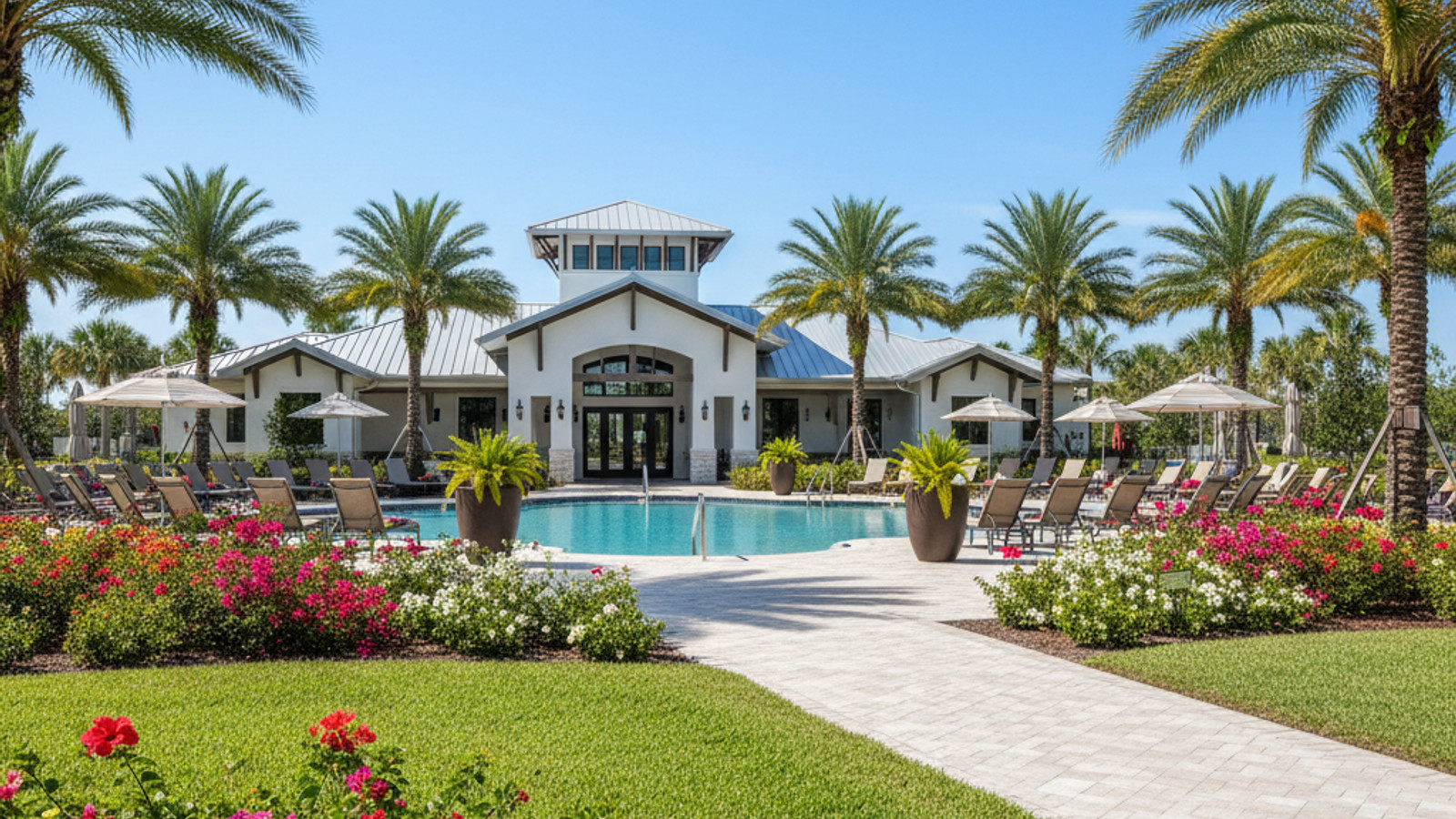
  • Massive clubhouse (Club Talavera)
  • Indoor + outdoor resort pools
  • Tennis, fitness, resistance training
  • Daily events, clubs, and social calendar

You’re not buying a house—you’re buying something to do every day.

And here’s the key difference:
Golf is optional.

You’re next to PGA Golf Club, but you’re not forced into the cost or commitment.

Who Verano Is Right For

  • Relocation buyers
  • Active adults and social couples
  • Buyers who want flexibility
  • People who actually use amenities

Astor Creek Golf & Country Club: Private Golf Lifestyle

What Makes Astor Creek Different

Astor Creek is a true golf country club community.

Everything revolves around the club:

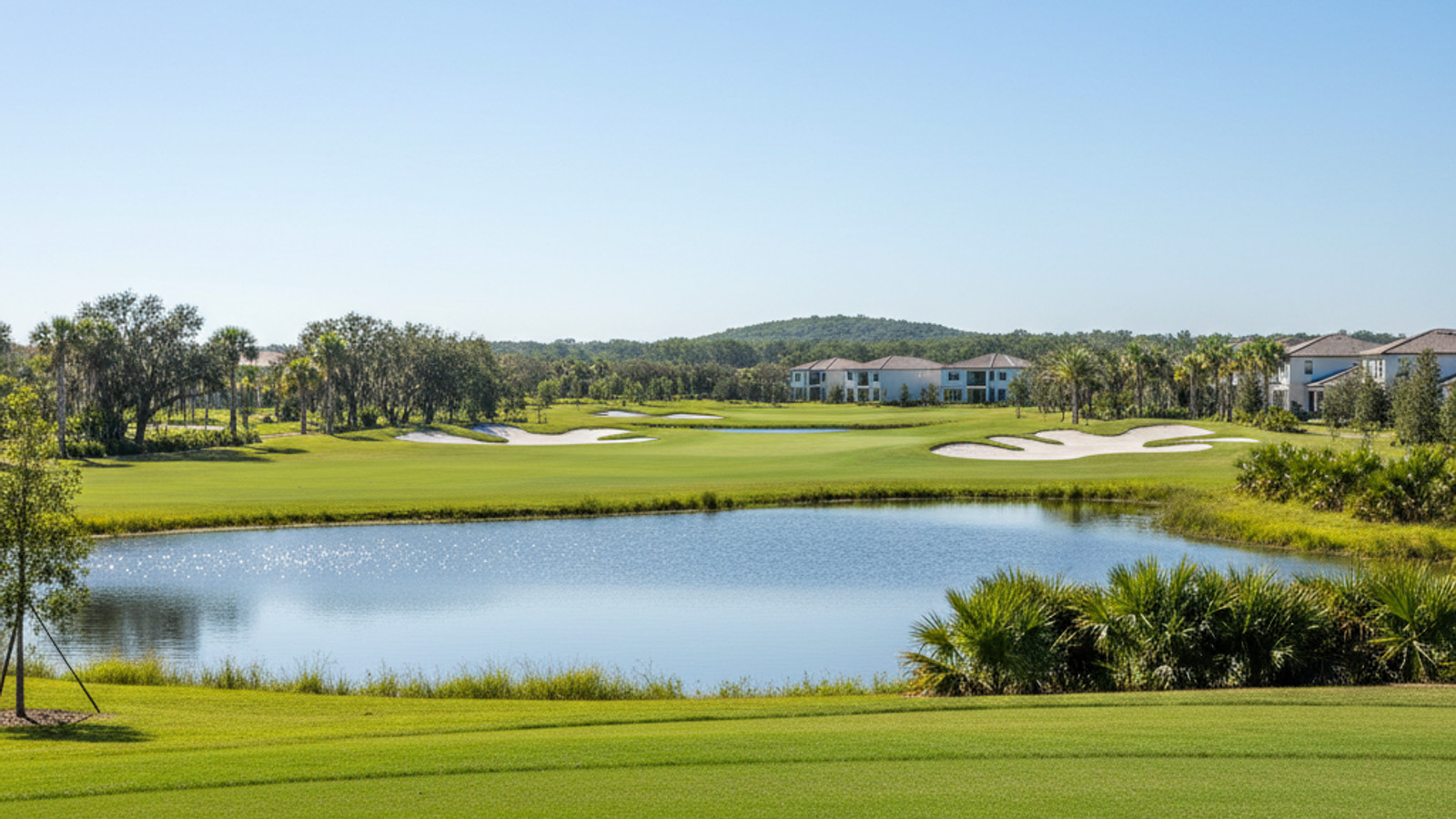
  • 18-hole championship golf course
  • Full practice facility
  • Membership included with home purchase
  • Private clubhouse with dining + events
  • Resort-style pool + fitness

This is not a “community with golf nearby.”
This is golf as your lifestyle.

Who Astor Creek Is Right For

  • Serious golfers
  • Buyers who want a private club feel
  • People who prefer quieter, more exclusive environments
  • Buyers who prioritize golf over social volume

The Real Difference (What Actually Matters)

This is where most buyers get it wrong.

The decision is simple:

  • PGA Village Verano = Social lifestyle + optional golf
  • Astor Creek = Golf lifestyle + private club

That’s it.

Everything else is secondary.


Pros & Cons Breakdown

PGA Village Verano

Pros

  • Massive amenity package
  • No required golf membership
  • Established community + resale options
  • More price flexibility

Cons

  • Not a private country club feel
  • Can feel busy in season

Astor Creek Golf & Country Club

Pros

  • True golf community
  • Membership included
  • Private, quieter environment
  • New construction throughout

Cons

  • Less built out (still growing)
  • Limited resale inventory
  • Golf costs built into ownership

Which One Should You Choose?

Here’s the straight answer:

  • If you want activity, events, and social energy → Verano
  • If you want golf, privacy, and club lifestyle → Astor Creek

Anything else is overthinking it.

FAQ Section 

Is PGA Village Verano a golf community?

Yes, it is located next to PGA Golf Club, but golf membership is optional. The community is primarily lifestyle-focused.

Is Astor Creek a mandatory golf community?

Yes. Golf membership is included with homeownership, making it a true country club community.

Which is more social, Verano or Astor Creek?

PGA Village Verano is significantly more social, with a larger amenity base and daily activities.

Are there resale homes available in both communities?

PGA Village Verano has a strong resale market. Astor Creek currently has limited resale inventory due to being newer.


Work With Local Experts Who Know Both Communities

Most agents will just open doors.

We help you make the right decision before you buy.

We live here. We sell here. We know the differences that don’t show up online.


Ann & Jamie Chauss

Treasure Coast House Hunters | Coldwell Banker Global Luxury

📲 Ann: 772-233-9373
📲 Jamie: 772-233-9211
☎️ Team Line: 772-732-2800

📧 ann.chauss@cbrealty.com
📧 jamie.chauss@cbrealty.com

🌐 https://www.treasurecoasthousehunters.com


March 14, 2026

Selling a Home in Riverland Port St Lucie | 5 Mistakes Sellers Make

Active Adult Community

5 Mistakes That Cause Homes to Sit on the Market in Riverland (Port St. Lucie)

If you're planning to sell a home in Riverland in Port St. Lucie, Florida, understanding what causes listings to sit on the market is critical.

Riverland is one of the largest master-planned communities in Port St. Lucie, spanning thousands of acres and built around several Valencia 55+ neighborhoods including Valencia Cay, Valencia Grove, Valencia Walk, and Valencia Parc.

Because of its size and the continued construction of new homes by GL Homes, the resale market in Riverland operates differently than many other communities.

Most buyers exploring Riverland are active-adult buyers relocating from other states, and resale homes frequently compete directly with new construction offered by the builder.

Because of that, pricing strategy, presentation, and marketing exposure are especially important when selling a home in Riverland.

Below are the five most common mistakes that cause homes in Riverland and the Valencia communities to sit on the market.


1. Pricing Based on Active Listings Instead of Closed Sales

One of the biggest mistakes sellers make in Riverland is pricing their home based on what other homes are listed for instead of what homes have actually sold for.

Active listings reflect seller expectations.
Closed sales reflect what buyers were willing to pay.

Because Riverland has multiple Valencia neighborhoods and many new construction homes being released, pricing even 3–5% above the most recent comparable sales can significantly reduce showing activity.

When a listing enters the market too high, it often loses momentum during the first few weeks, which is when the majority of buyers are watching new listings.

What works better

  • Pricing based on recent comparable sales within the same Valencia community

  • Creating strong interest during the first 10–14 days on the market

  • Allowing buyer demand to drive price through competition

Homes priced correctly from the start typically receive the most showing activity early in the listing period.


2. Not Positioning Correctly Against New Construction

Every resale home in Riverland competes with new homes offered by GL Homes.

Buyers touring the model centers in Valencia Walk, Valencia Grove, or Valencia Parc often compare resale homes to brand-new properties that may include:

  • builder incentives

  • closing cost assistance

  • new-home warranties

  • customizable finishes and structural options

If a resale home is priced the same as a new build without offering clear advantages, many buyers will simply choose new construction.

Resale homes tend to perform better when they highlight advantages such as:

  • upgraded finishes already installed

  • completed landscaping and window treatments

  • premium lake or preserve lots

  • pricing slightly below comparable new construction

Move-in-ready homes with upgrades already completed can be a strong selling point compared to waiting for a new build.


3. Weak Listing Presentation

Today, most buyers researching Riverland start their search online before visiting Florida.

Poor presentation can dramatically reduce buyer interest.

Common issues include:

  • low-quality listing photos

  • dark or poorly staged rooms

  • cluttered spaces

  • limited marketing media

Professional real estate marketing typically includes:

  • professional photography

  • aerial drone images

  • video walkthrough tours

  • 3D virtual tours

  • detailed floor plans

Because Riverland is such a large lifestyle-driven community, showing buyers the home and the lifestyle through high-quality marketing can significantly increase showing activity.


4. Limited Exposure to Relocation Buyers

A large percentage of buyers purchasing homes in Riverland and the Valencia communities relocate from other states.

Common feeder markets include:

  • New York

  • New Jersey

  • Pennsylvania

  • Illinois

  • other Northeast and Midwest regions

Riverland was designed as an active-adult lifestyle community, offering resort-style amenities, clubs, and social activities.

Amenities throughout the Valencia neighborhoods include:

  • resort-style pools

  • pickleball and tennis courts

  • fitness and wellness centers

  • arts and culture spaces

  • walking and biking trails

Listings that rely only on local exposure may miss a large portion of potential buyers who are researching Riverland from out of state.

Effective marketing strategies often include:

  • digital advertising targeted to relocation markets

  • YouTube and video marketing showcasing the community

  • email marketing to relocation buyer databases

  • outreach to agents who specialize in relocation clients

Expanding exposure beyond the local market dramatically increases the chances of attracting qualified buyers.


5. Waiting Too Long to Adjust Pricing

Another common issue occurs when sellers wait too long to adjust pricing if early buyer interest is low.

The first two to three weeks of a listing are typically when a home receives the most attention online.

If showing activity and inquiries are limited during that time, it often indicates that pricing or positioning needs adjustment.

Delaying price changes can cause the listing to become stale, which sometimes leads buyers to assume there may be issues with the property.

Successful listings are monitored closely during the early weeks using indicators such as:

  • showing activity

  • online views and saves

  • buyer and agent feedback

Adjustments made early can help restore momentum and attract new buyer interest.


What Helps Homes Sell Faster in Riverland

Homes that sell more quickly in Riverland and the Valencia communities usually share three key factors:

1. Strategic pricing based on recent comparable sales

2. Professional presentation and marketing

3. Clear value compared to new construction options

When these elements align, listings typically generate stronger buyer interest and more consistent showing activity.


Why Many Sellers in Riverland Choose Marion Matthes & Ann Chauss

If you're considering selling your home in Riverland in Port St. Lucie, working with agents who understand the community’s unique market dynamics can make a significant difference.

Marion Matthes and Ann Chauss of Treasure Coast House Hunters specialize in helping buyers and sellers in Riverland and the Valencia communities including:

  • Valencia Cay

  • Valencia Grove

  • Valencia Walk

  • Valencia Parc

Their team works extensively with relocation buyers moving to Port St. Lucie, which is where many Riverland buyers originate.

What sets their approach apart

✔ Deep expertise in Riverland floorplans, models, and builder comparisons
✔ Access to a large database of relocation buyers searching Port St. Lucie communities
✔ Strategic pricing based on real-time neighborhood sales data
✔ Professional marketing designed to attract out-of-state buyers before they even visit Florida

Their marketing strategy includes:

  • professional photography and video

  • YouTube home tours and community videos

  • relocation-focused digital advertising

  • targeted outreach to buyers researching Riverland and Valencia communities

Because they work with both buyers relocating to Riverland and sellers inside the community, they often understand buyer demand before a property even comes to market.


Thinking About Selling in Riverland?

If you're considering selling your home in Riverland in Port St. Lucie, understanding how your property compares to both recent resale homes and builder inventory is an important first step.

Marion Matthes and Ann Chauss provide homeowners with a data-driven home value review and a clear strategy for positioning their property to attract the right buyers.


Contact Marion Matthes & Ann Chauss

Marion Matthes
Cell / Text: 772-362-1101
Email: marion.matthes@cbrealty.com

Ann Chauss
Cell / Text: 772-233-9373
Email: ann.chauss@cbrealty.com

☎ Team Line: 772-732-2800

🌐 Treasure Coast House Hunters
https://treasurecoasthousehunters.com


About Treasure Coast House Hunters

Marion Matthes and Ann Chauss are part of The Ann Chauss Group with Coldwell Banker Global Luxury, specializing in helping buyers and sellers in:

  • Riverland

  • PGA Verano

  • Tradition

  • other gated communities throughout Port St. Lucie and the Treasure Coast

Their team has been recognized as:

  • #1 Small Team in Southeast Florida for Coldwell Banker

  • Florida 100 Top Agents

  • International President’s Team Circle

They focus heavily on helping out-of-state buyers relocate to Florida, which gives their sellers direct access to motivated buyers searching for homes in the community.


Curious What Your Riverland Home Might Sell For?

If you live in Riverland or one of the Valencia communities and want to know what your home might sell for in today’s market, the best first step is reviewing:

  • recent neighborhood sales

  • current listings competing with your home

  • builder inventory and incentives

  • current buyer demand

Marion Matthes and Ann Chauss regularly prepare custom home value reports for homeowners in Riverland.

Reach out anytime for an updated analysis.

How to Sell a Home in Riverland, Port St. Lucie

Selling a home in Riverland requires more than just putting it on the MLS. Sellers need the right pricing strategy, strong presentation, exposure to relocation buyers, and clear positioning against new construction in Valencia Cay, Valencia Grove, Valencia Walk, and Valencia Parc. Homes that are priced correctly and marketed aggressively usually generate the most attention in the first two to three weeks on the market.

Frequently Asked Questions About Selling a Home in Riverland

How long does it take to sell a home in Riverland?

Homes priced correctly and marketed effectively typically receive the majority of their showing activity within the first two to three weeks. Listings that generate strong early interest usually sell faster and with better leverage.

Do resale homes in Riverland compete with new construction?

Yes. Resale homes in Riverland compete directly with new construction by GL Homes, especially in Valencia Cay, Valencia Grove, Valencia Walk, and Valencia Parc. That is why resale homes need to highlight upgrades, lot quality, completed landscaping, window treatments, and move-in-ready value.

What is the biggest mistake sellers make in Riverland?

The biggest mistake is overpricing based on active listings instead of recent closed sales. When a home enters the market too high, it usually loses momentum during the most important early days of the listing period.

What marketing works best for homes in Riverland?

The most effective marketing includes professional photography, video, aerial images, floor plans, strong MLS positioning, digital advertising, and direct exposure to out-of-state relocation buyers researching Port St. Lucie and Florida 55+ communities online.

Why do buyers choose Riverland in Port St. Lucie?

Buyers are drawn to Riverland for its active adult lifestyle, resort-style amenities, social clubs, pickleball, fitness centers, walking trails, and the variety of homes available across the Valencia communities.

Thinking About Selling Your Home in Riverland?

If you are considering selling your home in Riverland, Valencia Cay, Valencia Grove, Valencia Walk, or Valencia Parc, Marion Matthes and Ann Chauss with Treasure Coast House Hunters can help you understand your home’s value, current competition, buyer demand, and how to position your property to sell in today’s Port St. Lucie market.

Marion Matthes
Cell/Text: 772-362-1101
Email: marion.matthes@cbrealty.com

Ann Chauss
Cell/Text: 772-233-9373
Email: ann.chauss@cbrealty.com

Team Line: 772-732-2800
Website: Treasure Coast House Hunters

March 14, 2026

Selling a Home in PGA Verano (Port St. Lucie) | 5 Mistakes Sellers Make

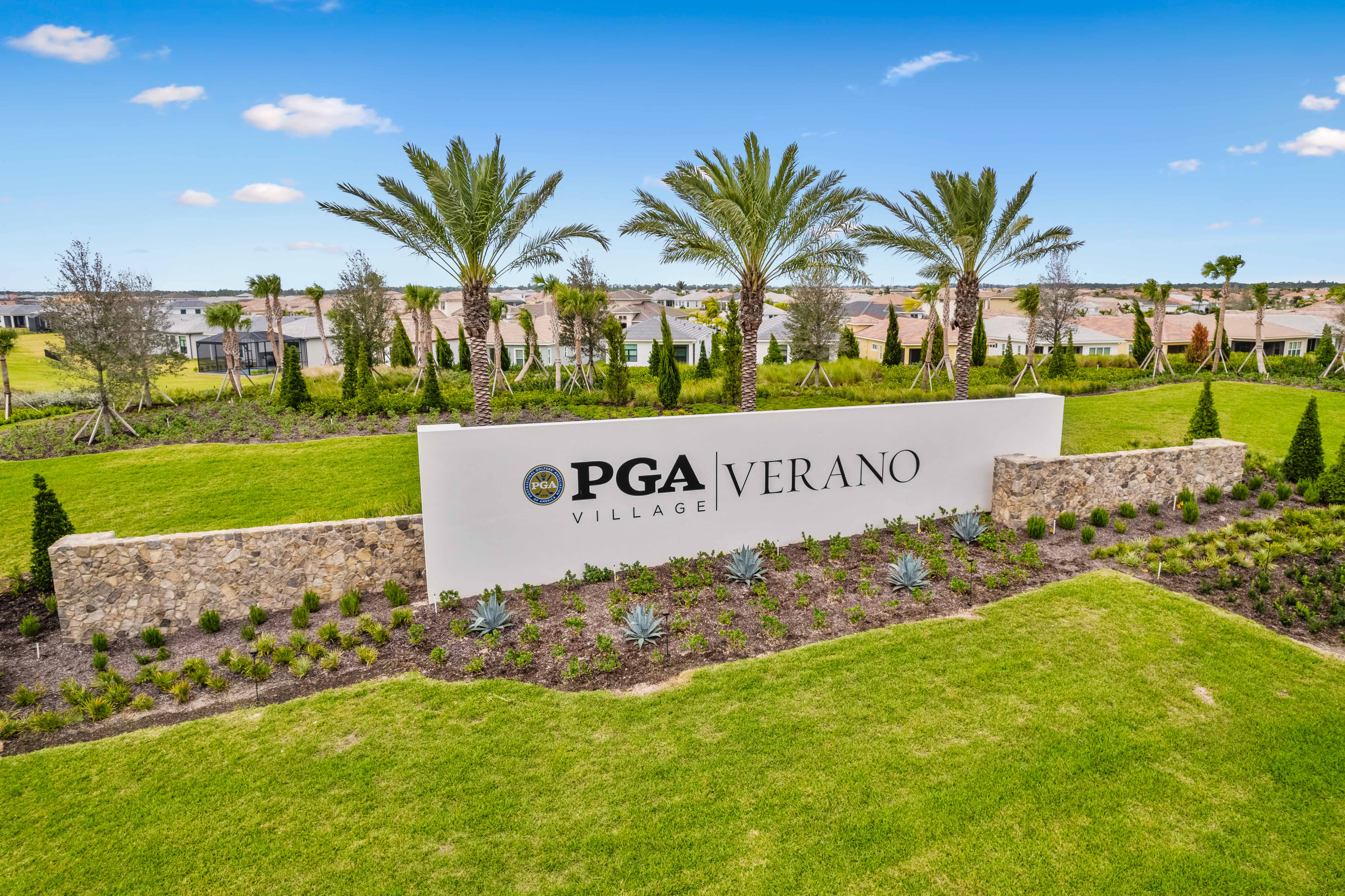
PGA Verano Gate


5 Mistakes That Cause Homes to Sit on the Market in PGA Verano (Port St. Lucie)

If you're planning to sell a home in PGA Verano in Port St. Lucie, Florida, understanding what actually causes listings to sit on the market is critical.

PGA Verano has a unique real estate market. Many buyers relocating to this community are moving from other states, and resale homes often compete directly with new construction offered by the builder.

Because of this, pricing strategy, presentation, and marketing matter more here than in many other neighborhoods.

Below are the five most common mistakes that cause homes in PGA Verano to sit on the market.


1. Pricing Based on Active Listings Instead of Closed Sales

One of the biggest mistakes sellers make is pricing their home based on what other homes are listed for rather than what homes have actually sold for.

Active listings reflect seller expectations.
Closed sales reflect what buyers were willing to pay.

If a home enters the market even 3–5% above recent comparable sales, showing activity usually drops quickly.

When that happens, the listing loses momentum during the first few weeks, which is when most buyer interest occurs.

What works better:

  • Pricing at or slightly below the most recent comparable sales

  • Creating strong interest during the first 10–14 days on the market

  • Allowing buyer demand to drive price through competition

Homes priced correctly from the start typically generate the most showings early in the listing period.


2. Not Positioning Correctly Against New Construction

Every resale home in PGA Verano competes with new construction offered by the community builder.

Buyers touring model homes often compare resale homes to brand-new properties that may include:

  • builder incentives

  • closing cost assistance

  • new-home warranties

  • modern finishes and layouts

If a resale home is priced the same as a new build without offering clear advantages, many buyers will choose new construction.

Resale homes tend to perform better when they highlight advantages such as:

  • upgraded finishes already installed

  • completed landscaping and window treatments

  • premium lots

  • pricing slightly below comparable new construction


3. Weak Listing Presentation

Today, most buyers see a home online before deciding whether to schedule a showing.

Poor presentation can significantly reduce buyer interest.

Common issues include:

  • low-quality listing photos

  • dark or poorly staged rooms

  • cluttered spaces

  • limited marketing media

Professional real estate marketing typically includes:

  • professional photography

  • aerial drone images

  • video walkthroughs

  • 3D virtual tours

  • detailed floor plans

High-quality visual marketing helps buyers understand the property before visiting and increases showing activity.


4. Limited Exposure to Relocation Buyers

A large percentage of buyers purchasing homes in Port St. Lucie communities like PGA Verano relocate from other states.

Common feeder markets include:

  • New York

  • New Jersey

  • Pennsylvania

  • Illinois

  • other Northeast and Midwest regions

Listings that rely solely on local exposure may miss a large portion of potential buyers.

Effective marketing strategies often include:

  • digital advertising targeted to relocation markets

  • email marketing to agent networks and buyer databases

  • promotion across major home search platforms

  • outreach to agents who specialize in relocation clients

Expanding exposure beyond the local market increases the chances of attracting qualified buyers.


5. Waiting Too Long to Adjust Pricing

Another common issue occurs when sellers wait too long to make adjustments if early buyer interest is low.

The first two to three weeks of a listing are typically when the property receives the most attention online.

If showings and inquiries are limited during that time, it often indicates that pricing or positioning needs adjustment.

Delaying price changes can cause the listing to become stale, which sometimes leads buyers to assume there may be issues with the property.

Successful listings are monitored closely during the early weeks using indicators such as:

  • showing activity

  • online views and saves

  • buyer and agent feedback

Adjustments made early often help restore momentum.


What Helps Homes Sell Faster in PGA Verano

Homes that sell more quickly in this community usually share three key factors:

1. Strategic pricing based on recent comparable sales

2. Professional presentation and marketing

3. Clear value compared to new construction options

When these elements align, listings typically generate stronger interest and more consistent showing activity.


Why Many Sellers in PGA Verano Choose the Ann & Jamie Chauss Group

If you're considering selling your home in PGA Verano, choosing an agent who understands the specific dynamics of this community can make a major difference in the outcome.

Ann & Jamie Chauss of Treasure Coast House Hunters are Resident Realtors in PGA Verano, meaning they not only sell homes in the community — they live here and work with buyers moving here every day.

Their team specializes in helping relocation buyers discover PGA Verano, which is critical because many of the buyers purchasing homes here are moving from out of state.

What sets their approach apart

✔ Deep expertise in PGA Verano floorplans, lots, and builder comparisons
✔ Direct access to a large database of relocation buyers considering Port St. Lucie
✔ Strategic pricing guidance based on real-time market data and recent sales
✔ Professional marketing designed to attract out-of-state buyers before they even visit Florida

Their marketing strategy includes:

  • professional photography and video

  • YouTube home tours and community videos

  • relocation-focused digital advertising

  • targeted outreach to buyers researching Port St. Lucie gated communities

Because they work with both buyers relocating to Florida and sellers inside PGA Verano, they often understand buyer demand before a property even comes to market.


Frequently Asked Questions About Selling a Home in PGA Verano

How long does it take to sell a home in PGA Verano?

Homes that are priced correctly and marketed effectively usually receive the majority of their showing activity within the first two to three weeks on the market.

Listings that generate strong early interest tend to sell faster and closer to asking price.

Do resale homes compete with new construction in PGA Verano?

Yes. Buyers frequently compare resale homes with builder inventory and to-be-built homes in the community.

Resale homes that highlight upgrades, premium lots, and move-in readiness tend to perform best.

What marketing works best when selling a home in PGA Verano?

Most buyers researching PGA Verano start their search online before visiting Florida.

Professional photography, video tours, digital marketing, and exposure to relocation buyers are critical.

Should sellers price above market to leave room for negotiation?

In most cases, pricing above recent comparable sales reduces showing activity.

Homes priced strategically from the beginning tend to generate more buyer interest and stronger offers.


Thinking About Selling in PGA Verano?

If you're considering selling your home in PGA Verano in Port St. Lucie, understanding current market conditions and how your property compares to both recent sales and new construction is an important first step.

Ann & Jamie Chauss provide homeowners with a data-driven home value review and a clear strategy for positioning their property to attract the right buyers.


Contact Ann & Jamie Chauss

Ann Chauss
📱 Cell / Text: 772-233-9373
📧 ann.chauss@cbrealty.com

Jamie Chauss
📱 Cell / Text: 772-233-9211
📧 jamie.chauss@cbrealty.com

☎ Team Line: 772-732-2800

🌐 Treasure Coast House Hunters
https://treasurecoasthousehunters.com


About Treasure Coast House Hunters

Ann & Jamie Chauss lead The Ann Chauss Group with Coldwell Banker Global Luxury, specializing in helping buyers and sellers in:

  • PGA Verano

  • Riverland

  • Tradition

  • other gated communities across Port St. Lucie and the Treasure Coast

Their team has been recognized as:

  • #1 Small Team in Southeast Florida for Coldwell Banker

  • Top 100 Agents in Florida (Florida 100)

  • International President’s Team Circle

They focus heavily on helping out-of-state buyers relocate to Florida, which gives their sellers direct access to motivated buyers searching for homes in the community.


Curious What Your Home Might Sell For?

If you live in PGA Verano and are wondering what your home might sell for in today’s market, the best first step is reviewing:

  • recent neighborhood sales

  • current listings competing with your home

  • builder inventory and incentives

  • current buyer demand

Ann & Jamie Chauss regularly prepare custom home value reports for homeowners in PGA Verano.

March 12, 2026

Ann Chauss Group Named to Coldwell Banker Florida 100 for Second Consecutive Year | Port St. Lucie Realtors

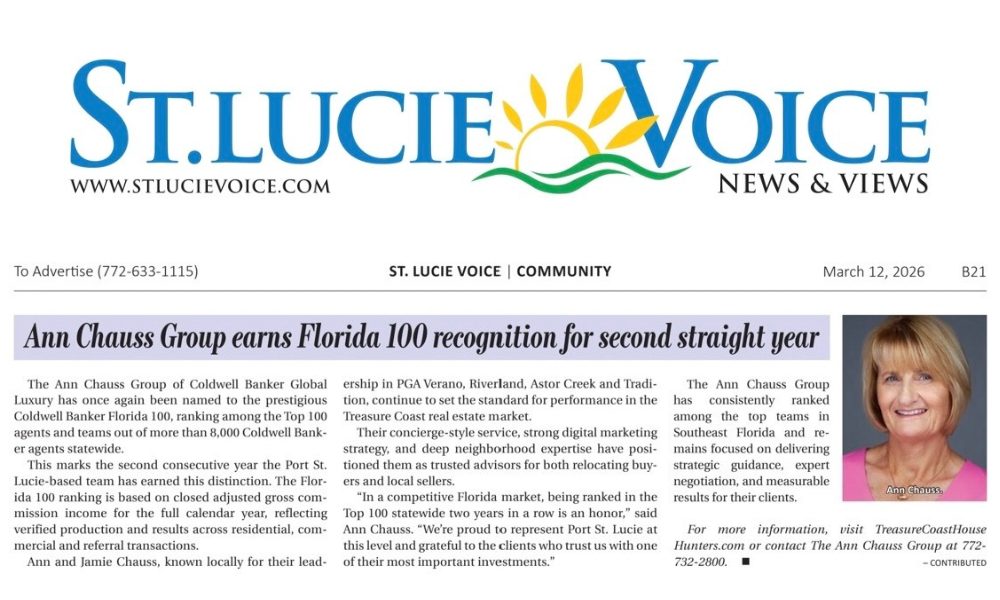
Ann Chauss Group Florida 100

Ann Chauss Group Named to Coldwell Banker Florida 100 for Second Consecutive Year

The Ann Chauss Group of Coldwell Banker Global Luxury has once again been recognized among the Top 100 Coldwell Banker agents and teams in the State of Floridaearning place on the prestigious Coldwell Banker Florida 100 list for the second consecutive year.

This recognition places the Port St. Lucie–based real estate team among the top performers out of more than 8,000 Coldwell Banker agents across Floridabased on verified closed sales and production during the calendar year.

Recognition Built on Client Trust

For Ann and Jamie Chauss, this recognition reflects something even more meaningful than sales numbers — the trust of the clients they serve across the Treasure Coast.

The Ann Chauss Group specializes in helping buyers and sellers in many of the region’s most sought-after communities, including:

Their approach combines deep local expertise, concierge-level service, and sophisticated digital marketinghelping relocating buyers and local sellers navigate one of the most important financial decisions of their lives.

Team Effort

While Ann and Jamie lead the team, this recognition reflects the dedication of the entire group.

Key team members include:

  • Marion Matthes

  • Alex Chauss

  • Destiny Urena

Together, the team works daily to deliver exceptional service, expert negotiation, and measurable results for their clients throughout the Treasure Coast real estate market.

Local Expertise with Global Reach

As members of Coldwell Banker Global Luxurythe Ann Chauss Group connects local market expertise with one of the most powerful real estate networks in the world.

Their marketing strategy includes:

  • national relocation marketing

  • advanced digital and video marketing

  • targeted exposure for luxury properties

  • personalized guidance for out-of-state buyers relocating to Florida

This combination has helped position the Ann Chauss Group as one of the most trusted real estate teams serving Port St. Lucie and the surrounding Treasure Coast communities.

Proud to Represent Port St. Lucie

In competitive Florida market, being ranked among the **Top 100 statewide two years in row is an honor,” said Ann Chauss. “We’re proud to represent Port St. Lucie at this level and grateful to the clients who trust us with one of their most important investments.”

Thinking About Buying or Selling in Port St. Lucie?

Whether you’re relocating to Florida or considering selling your home in PGA Verano, Riverland, Astor Creek, Tradition, or elsewhere on the Treasure Coastthe Ann Chauss Group is ready to help.

Their Resident Realtor approach ensures buyers receive local insight, lifestyle guidance, and professional representation throughout the entire process.

FAQ

Who is the Ann Chauss Group in Port St. Lucie?

The Ann Chauss Group is Coldwell Banker Global Luxury real estate team based in Port St. Lucie, Florida. Led by Ann and Jamie Chauss, the team specializes in helping buyers relocating to Florida and sellers in luxury and gated communities across the Treasure Coast including PGA Verano, Riverland, Astor Creek Golf & Country Club and Tradition.

What is the Coldwell Banker Florida 100?

The Coldwell Banker Florida 100 recognizes the top 100 agents and teams out of more than 8,000 Coldwell Banker agents statewide based on verified production and closed sales.

Why was the Ann Chauss Group recognized on the Florida 100 list?

The Ann Chauss Group earned this recognition based on strong closed sales performance, client satisfaction, and consistent results serving buyers and sellers throughout Port St. Lucie and the Treasure Coast.

What areas does the Ann Chauss Group serve?

The team works with clients throughout the Treasure Coast including:

• Port St. Lucie
• PGA Verano
• Riverland
• Astor Creek Golf & Country Club
• Tradition
• Palm City
• Stuart
• Jupiter
• Vero Beach


Contact The Ann Chauss Group

Ann Chauss
📱 772-233-9373
✉ ann.chauss@cbrealty.com

Jamie Chauss
📱 772-233-9211
✉ jamie.chauss@cbrealty.com

Team Line
☎ 772-732-2800

🌐 https://TreasureCoastHouseHunters.com


About The Ann Chauss Group

The Ann Chauss Group is Coldwell Banker Global Luxury real estate team based in Port St. Lucie, Floridaspecializing in luxury and lifestyle communities across the Treasure Coast. Known for their concierge-style service and deep local expertise, the team works extensively with buyers relocating from across the United States to communities such as PGA Verano, Riverland, Astor Creek, and Tradition.

March 9, 2026

The Real Cost of Living in Port St. Lucie: Decoding HOA Fees


Let’s be real for a second. If you are browsing homes for sale in Port St. Lucie, you have probably experienced a moment of "sticker shock." You find a beautiful home at a great price point, scroll down to the monthly costs, and see an HOA fee that looks like a car payment.

You aren't imagining things. Recent data, including reports from Realtor.com, has ranked Port St. Lucie among the metro areas with some of the highest HOA fees in the country. But looking at that number in isolation is a mistake.

When I sit down with buyers, I tell them to stop looking at the fee as a "tax" and start looking at it as a "bundle." In many of our master-planned communities, that high monthly fee is actually replacing three or four other bills you would pay anyway—like high-speed internet, cable TV, gym memberships, and landscaping.

However, to make a smart decision, you need to understand the three distinct layers of costs here: the HOA, the Master Association, and the tricky CDD. Let’s break down the numbers so you know exactly where your money is going.


Why Are HOA Fees in Port St. Lucie So High? (2026 Update)

If you are moving from an area where HOAs just cut the grass at the front entrance, the fees here can seem baffling. There are a few major factors driving these costs up in 2026, and it is not just about fancy amenities.

The Insurance Crisis

This is the biggest driver across Florida. Insurance premiums for community structures (like clubhouses) and general liability have skyrocketed. If a community has a massive clubhouse and three pools, the insurance bill for those assets is passed directly to the homeowners.

New Legislation (SB 4-D)

Following the tragedy in Surfside, the Florida Legislature passed strict new laws regarding reserves. Simply put, condo associations and some HOAs can no longer "waive" saving money for future repairs. They are now required to fully fund reserves for structural integrity. For older condos, this has caused fees to jump significantly as they play catch-up.

Inflation on Services

Your HOA is essentially a business that hires vendors. The cost of labor, pool chemicals, fertilizer, and landscaping equipment has risen. When the landscaper charges the community 20% more, your monthly dues go up to match.

The Resort Standard

Port St. Lucie competes on lifestyle. We don't just have neighborhoods; we have "resort-style living." Maintaining a 20,000-square-foot clubhouse, a full-time lifestyle director, a guarded gate, and pickleball courts costs money. You are paying for the operational costs of running a private resort.


The PSL Fee Equation: HOA vs. Master vs. CDD

This is the part that confuses buyers the most, especially in large areas like Tradition or St. Lucie West. You often aren't just paying one fee; you might be paying three.

1. The Neighborhood HOA

This covers your specific subdivision. It pays for the gate at your specific entrance, the neighborhood pool, and often your lawn care and cable/internet bundle.

2. The Master Association

In a master-planned community, this fee covers the main boulevards, the beautiful landscaping along the main roads, major signage, and shared infrastructure that connects the subdivisions.

3. The CDD (Community Development District)

This is the hidden cost. A CDD is a government bond used to pay for infrastructure like roads, sewers, and utilities when the community was built.

Here is the critical difference: The CDD is usually paid annually on your property tax bill, not in your monthly HOA check.

However, it is a real cost. In some newer communities, the CDD debt portion and operations and maintenance portion can add $1,800 - $2,500 per year to your expenses. When a listing agent quotes a monthly fee, they often leave the CDD out because it is technically a tax. Always ask if there is a CDD so you can calculate your true monthly budget.


HOA Fee Tier List: What You Pay & What You Get

To help you budget, I’ve broken down the local market into three "tiers" based on what you get for your money. These are estimated ranges based on 2025 and 2026 figures.

Tier 1: The Resort Lifestyle (55+ & Luxury)

These are communities like Valencia Cay at Riverland, Del Webb Tradition, or Esplanade. The fees are high, but the value is dense.

  • Approximate Cost: $425 - $550+ per month (Note: Some have high CDDs, others have none).

  • What you get: These fees usually include high-speed internet, premium cable, alarm monitoring, and total lawn care (mowing, trimming, fertilization).

  • The Lifestyle: You get access to massive fitness centers, resort pools, poolside cafes, and full-time events coordinators.

  • The Verdict: If you subtract the cost of the internet, cable, and lawn care (approx. $250 value), the "amenity" portion is actually quite reasonable for what you get.

Tier 2: Standard Gated Communities

These are neighborhoods like Lake Charles or the non-age-restricted villages in Tradition. They offer security and basic amenities without the ultra-luxury price tag.

  • Approximate Cost: $250 - $400 per month (Combined HOA + Master).

  • What you get: Usually includes basic cable and high-speed internet, plus common area maintenance.

  • The Lifestyle: You typically get a community pool, tennis or pickleball courts, and a clubhouse, but likely no full-time lifestyle director.

  • The Verdict: A solid middle ground for buyers who want a gated entrance and a nice pool but don't need a daily schedule of activities.

Tier 3: The "No HOA" Options

Yes, you can find homes for sale in Port St. Lucie with no HOA. These are typically located east of US1, or in areas like Floresta Pines and Southbend Lakes.

  • Approximate Cost: $0 per month.

  • The Trade-off: You save on the monthly dues, but you take on all the liability and labor. You must pay for your own gym membership, pool maintenance, and lawn equipment.

  • The Verdict: This is perfect for those who own boats or RVs (since HOAs usually ban parking them in driveways) or for those who simply want total freedom over their property.


Is This Legit? How to Verify Fees Before You Close

I have seen buyers rely on third-party real estate websites for HOA data, and I always stop them. Those sites are frequently outdated or inaccurate. They might show the fee from three years ago or miss the Master Association fee entirely.

Here is how you protect yourself and verify the numbers.

Demand the Estoppel Letter

During the closing process, the title company will order an "Estoppel Letter." This is the only legally binding document from the HOA. It outlines exactly what the current monthly or quarterly dues are, if there are any special assessments pending, and if the current seller owes any back fees.

Review the Budget and Reserves

Before you buy, ask to see the association’s current year budget and their most recent reserve study. You want to see a community that is putting money away for a rainy day. If the reserves are empty, you could be hit with a "Special Assessment" (a surprise bill) later to pay for a new roof or paving.


Frequently Asked Questions

Do HOA fees in Port St. Lucie include property taxes?

No. Your HOA fees are paid directly to the association management company. Property taxes are paid to the St. Lucie County Tax Collector. However, remember that CDD fees (if applicable) are included in your annual property tax bill, which is why your tax bill might look higher in newer communities.

Can HOA fees go up in Florida?

Yes, and they often do. Most documents allow the Board of Directors to increase the budget annually to keep up with inflation, insurance rates, and reserve requirements. While there are some caps on how much it can rise for operational costs, increases for insurance or mandatory reserves are generally necessary to keep the community solvent.

Is internet included in Tradition HOA fees?

In most neighborhoods within Tradition, the answer is yes. The master developer typically negotiates bulk contracts (often with providers like Blue Stream or Hotwire) to provide high-speed fiber internet and cable TV to every home. This bulk rate is significantly cheaper than what you would pay for a retail contract.

Are there neighborhoods in Port St. Lucie with no HOA?

Absolutely. While Port St. Lucie is famous for its master-planned communities, there are thousands of single-family homes in "ungated" areas. Neighborhoods like Southbend Lakes, Torino (some parts), and many streets between Airoso and Bayshore Blvd have no HOA fees. Just keep in mind that without an HOA, there are fewer restrictions on what your neighbors can do with their property.

March 9, 2026

New Home Developments in Port St. Lucie, FL: The 2026 Insider’s Guide


If you haven’t looked at Port St. Lucie real estate in a few years, you might not recognize it today. What used to be a quiet bedroom community of scattered homes has transformed into the "heart" of the Treasure Coast and one of the fastest-growing cities in Florida.

We are seeing a massive shift in how people live here. While the city was originally platted with thousands of individual lots, the real energy right now is in the massive master-planned developments springing up along the major corridors.

Buyers are flocking here because it sits in that "Goldilocks" zone - a convenient halfway point between the hustle of Miami and the tourism traffic of Orlando. Whether you are an active adult looking to retire in style or a household looking for more space, the value proposition here is hard to beat compared to our neighbors to the south.

Let's break down the three major corridors driving this boom: Tradition in the west, Riverland in the south, and the brand-new Wylder district.


Top Master-Planned Communities to Watch in 2026

When you start shopping for new construction here, you are going to hear three names over and over: Tradition, Riverland, and Wylder. While they all offer shiny new homes and manicured entrances, the "vibe" in each is distinct.

Think of it this way:

  • Tradition is the established lifestyle hub where you can drive your golf cart to Target.

  • Riverland is the wellness-focused giant dominated by active adult amenities.

  • Wylder is the exciting newcomer bringing golf back to the forefront.

Here is a deeper look at what makes each one tick.

Spotlight on Tradition: Innovation and Connectivity

Tradition is arguably the most well-known master plan in Port St. Lucie. It feels less like a subdivision and more like a small, self-contained town. The big draw here is the "Tradition Town Center," a sprawling retail and dining complex anchored by big-box stores and local eateries.

The connectivity here is unique. They have rolled out the "T-Trail," which connects neighborhoods to the town center, and they even utilize autonomous shuttles to help residents get around without a car.

What to know about the neighborhoods:

  • The mix: You have a blend of all-ages neighborhoods like Esplanade by Taylor Morrison, Cadence, and Heron Preserve.

  • 55+ Options: There are massive active adult enclaves here too, specifically Del Webb and Lake Park.

  • Healthcare: A major selling point is the proximity to the Cleveland Clinic hospital, which sits right at the entrance of the community.

If walkability and being close to the action are your top priorities, Tradition is likely your best starting point.

Spotlight on Riverland: The Active Adult Capital

If Tradition is a town, Riverland is a resort. Developed primarily by GL Homes, this 4,000-acre master plan is heavily focused on the 55+ demographic, though there are options for everyone.

The crown jewel of Riverland is the Paseo Greenway. This is a traffic-free path designed for pedestrians, cyclists, and golf carts that weaves through the entire community, connecting residents to the amenities without ever having to drive on a main road.

What to know about the neighborhoods:

  • The 55+ Giants: Valencia Walk and the newer Valencia Parc are the heavy hitters here. They are known for incredible clubhouses and social calendars.

  • All-Ages: RiverCreek offers a similar luxury feel but is open to all ages.

  • Amenities: The Sports & Racquet Club is massive, featuring dozens of pickleball and tennis courts.

  • Coming Soon: Keep an eye on the Riverland Town Center. It is opening in phases starting in 2025 and will bring a Publix and other retail essentials right to residents' doorsteps.

Spotlight on Wylder: The New Frontier

Wylder is the new kid on the block. Covering roughly 1,970 acres, this community is turning heads because it is bringing something we haven't seen in a while: a brand-new golf course.

Located slightly north of Tradition with easy access to I-95, Wylder feels fresh and modern. It is designed to embrace the natural Florida landscape, with plenty of lakes and green spaces.

What to know about the neighborhoods:

  • Glynlea Golf & Country Club: This features a course designed by Jim Furyk. It is a major draw since new golf courses are a rarity in the current market.

  • The Options: You have Brystol, catering to a wide range of buyers with builders like Lennar and Meritage, and Four Seasons at Wylder, a 55+ community by K. Hovnanian.

  • Value: Because it is in the earlier stages of development compared to Tradition, you can often find competitive pricing here, with some options starting in the $300s.


The "Scattered Lot" Alternative: New Homes with No HOA

Not everyone wants a master-planned community. In fact, one of the most unique aspects of the Port St. Lucie real estate market is the abundance of "scattered lot" new construction.

Because the city was platted decades ago with thousands of individual residential lots, you can buy a brand-new home that isn't in a gated community. Builders like Synergy Homes, Maronda, and LGI specialize in this. They buy empty lots in older, established neighborhoods and build modern homes on them.

Why go this route?

  • No HOA Fees: This is the biggest driver. You save hundreds of dollars a month.

  • Freedom: Need to park a boat, an RV, or a work truck in your driveway? Without a strict HOA, you generally have much more freedom to use your property how you see fit.

  • Lot Size: These lots are often larger than what you get in the new master-planned phases.

The Trade-off: You won't have a community pool, a clubhouse, or a guard gate. Your neighbor on one side might be a new build, and the neighbor on the other side might be a home built in 1985. It’s a less uniform look, but for many, the financial freedom is worth it.


Understanding Costs: Base Price vs. CDD and HOA Fees

When you walk into a model home, the price sheet can be a little misleading if you aren't familiar with Florida fee structures. Let's break down the "real" monthly cost so there are no surprises.

The Base Price The advertised price usually gets you the standard elevation and standard finishes. It rarely includes the "lot premium" (which can run $10K - $50K+ for water views) or the upgrades you fall in love with at the design center.

CDD Fees (Community Development District) This is often the most confusing part for out-of-state buyers. A CDD fee is essentially a tax bond used to pay for the community's infrastructure—the roads, the sewers, and those beautiful landscaped entrances.

  • Where you find them: Almost all master-planned communities (Tradition, Wylder, Riverland) have them. Scattered lot homes do not.

  • The Cost: typically ranges from $1,500 to $4,000 per year. This is usually added to your annual property tax bill, not paid monthly to the HOA.

HOA Fees These are your monthly dues for maintenance and amenities.

  • The Cost: Ranges widely from $250 to over $600 per month.

  • What it covers: In many PSL communities, this includes high-speed internet, cable, lawn care, and access to the clubhouses. When you factor in the included services, the sticker shock often wears off.


Delivery Timelines: Quick Move-In vs. To-Be-Built

Are you looking to move next month or next year? Your timeline will dictate your strategy.

Inventory (Quick Move-In) Homes These are homes the builder has already started—or finished—without a specific buyer.

  • Timeline: Available immediately or within 3 months.

  • The Perk: You can lock in your interest rate now.

  • The Deal: Builders are currently motivated to move this stock. This is where you will find the best incentives, such as rate buydowns or "flex cash" for closing costs.

To-Be-Built Homes This is where you pick your lot and your floor plan from scratch.

  • Timeline: Currently running about 8 to 12 months.

  • The Perk: You get exactly what you want.

  • The Risk: You generally cannot lock your interest rate until you are within 60 days of closing, meaning your payment could change by the time the house is done.


Market Outlook: Is Port St. Lucie a Good Investment?

I get asked this constantly: "Did I miss the boat?"

While prices have certainly stabilized after the wild ride of 2021 and 2022, the long-term trajectory for Port St. Lucie remains very positive. We are transitioning from a bedroom community to a true lifestyle destination.

Big commercial players are betting on this area. We have seen massive investment from Amazon, the expansion of the Cleveland Clinic, and the development of new industrial parks. Commercial growth usually follows "rooftops" (residential growth).

As people continue to migrate to Florida seeking tax benefits and better weather, Port St. Lucie remains one of the few coastal areas where you can still get a brand-new, luxury home for a price that would get you a condo in Palm Beach or Broward County.


Frequently Asked Questions

Which new home communities in Port St. Lucie have no HOA?

Most "No HOA" new construction in Port St. Lucie is found on "scattered lots" rather than in named master-planned communities. Builders like Synergy Homes and Maronda build on individual lots throughout the city where there are no association fees.

What is the average CDD fee in Port St. Lucie?

In major master-planned communities like Tradition or Riverland, you can expect CDD fees to range between $1,500 and $4,000 annually. This is collected as part of your property tax bill, so it is often paid via your mortgage escrow account.

Are there new construction homes in Port St. Lucie under $400k?

Yes, but they are becoming more specific to find. You can find single-family homes in the $300s if you look at scattered lot builders, or if you look at townhome options within master-planned communities like Wylder or Tradition.

What is the difference between Tradition and Riverland?

The main difference is the lifestyle focus. Tradition is a mixed-use town with a blend of all-ages and 55+ neighborhoods centered around a retail Town Center. Riverland is primarily a 55+ active adult resort focused on fitness, pickleball, and wellness amenities.

March 9, 2026

Average Cost of a Home in Port St. Lucie, FL (2026 Market Update)


Introduction: The Affordability Sweet Spot

If you have been scrolling through listings in Miami or West Palm Beach lately, the prices probably made your eyes water. That is exactly why so many buyers are heading north to the Treasure Coast. Port St. Lucie has firmly established itself as the "affordability sweet spot" of South Florida—offering the tropical lifestyle you want without the Miami price tag.

However, looking at the sticker price alone can be misleading. While the cost of entry here is significantly lower than our southern neighbors in Palm Beach and Broward counties, you need to understand the full financial picture. There is a difference between the "average" price you see in headlines and the "median" price that actually reflects what you will pay.

Plus, Florida has a few unique ownership costs that can catch relocators off guard. Between insurance rates, HOA dues, and CDD fees, your monthly budget involves more than just principal and interest. Let’s break down the real numbers for early 2026 so you can budget with confidence.


Current Market Snapshot: Average vs. Median Sales Price

When you are trying to figure out what a home actually costs here, you have to look at the right metric. You will often see the "Average Sales Price" floating around $450,000 or higher. Don't let that number scare you off. The average is often skewed upward by multi-million dollar riverfront estates and luxury custom builds that don't represent the typical home.

For the everyday buyer, the Median Sales Price is your source of truth. As of early 2026, the median price for a single-family home in Port St. Lucie sits comfortably between $375,000 and $400,000. This is the price point where you find the bulk of the inventory: standard 3-bedroom, 2-bath homes with a 2-car garage.

The market temperature has also shifted in favor of the buyer. We are seeing a stabilizing trend where prices are relatively flat compared to last year—down slightly by about 0.2% to 4% depending on the neighborhood. Inventory has risen to roughly 2.2 months of supply, and homes are lingering on the market for 60 to 90 days. This is great news for you because it means the frenzy is over; you have time to think, inspect, and negotiate.


New Construction vs. Resale: The Builder Premium

You cannot drive through Port St. Lucie without seeing construction cranes and "Now Selling" signs. Builders are everywhere right now, and they are sitting on a lot of inventory. This creates a unique opportunity, but you have to know how to read the price sheet.

The "Starting At" price you see on a billboard is rarely what you pay at the closing table. That base price usually excludes lot premiums (which can range from $5,000 to $50,000 for water views) and necessary design upgrades. If you are looking at new construction in suburban zones, you are likely looking at a cost of approximately $150 to $180 per square foot.

However, builders are aggressive right now. To move homes, many are offering massive incentives, such as rate buydowns and closing cost credits that can equal $10,000 to $20,000 in value.

There is also a hidden savings account attached to new homes: insurance. Because these homes are built to post-2002 hurricane codes, the insurance premiums are significantly cheaper than older resale homes. If you need to move quickly, ask about "spec homes"—these are houses the builder started without a buyer that are nearing completion and often have the best deals attached.


The 'Hidden' Monthly Costs: Insurance, Taxes, & HOAs

If you are moving from the Northeast or Midwest, the structure of Florida housing costs might look a little different. The purchase price is just one piece of the puzzle. To get an accurate monthly budget, you need to factor in three specific local variables.

First, let's talk about the "Florida Premium"—Homeowners Insurance. Premiums vary wildly based on the age of the roof. On average, you might budget around $4,800 per year for an older home. However, if you buy a brand new home or a resale home with a new roof and wind mitigation features, that number can drop to as low as $2,600 per year.

Second, consider Property Taxes. You should estimate your taxes at roughly 2% of the assessed value. The good news is that once you establish residency, the Florida Homestead Exemption helps cap how much your assessed value can rise each year, protecting you from massive tax hikes in the future.

Finally, there are the community fees. In master-planned areas like Tradition and St. Lucie West, you will likely encounter a Community Development District (CDD) fee. This is a tax bond used to pay for infrastructure like roads, lakes, and utilities. It ranges from $65 to $200 per month and is usually added to your annual tax bill, not your monthly mortgage payment. This is often on top of your standard HOA fee.


Price Breakdown by Neighborhood

Port St. Lucie is huge geographically, and your money goes a lot further in some zip codes than others. Here is a quick look at what you get for your money in the main hubs.

Tradition

Tradition is the premium choice for buyers who want a walkable, master-planned lifestyle. Expect higher price points here. You are paying for the amenities, the manicured landscaping, and the proximity to the Town Center.

  • Cost Factor: High. You will likely pay a Master HOA, a Neighborhood HOA, and a CDD fee. It is not uncommon for these bundled fees to total $400 to $600 per month.

St. Lucie West

This is the established big brother to Tradition. It offers a great mix of condos, villas, and single-family homes. The landscaping is lush and mature, and you are close to the Mets spring training stadium.

  • Cost Factor: Moderate. You will find HOAs and some CDDs here, but they are generally lower than in the newer sections of Tradition.

Verano / PGA Village

If you love golf, this is your spot. These areas are resort-style communities with incredible clubhouses and green space.

  • Cost Factor: Moderate to High. The HOA fees here support resort-level amenities, including indoor pools and pickleball complexes.

East of US-1 / Sandpiper Bay

This area offers a completely different vibe. It feels like "Old Florida" with winding roads, large oak trees, and spacious lots.

  • Cost Factor: Low monthly fees. Many homes here have $0 HOA fees and no CDD. However, the homes are older, so you need to budget more for maintenance and potentially higher insurance if the roof hasn't been updated recently.


2026 Market Forecast: Is Now a Good Time to Buy?

The question everyone asks is, "Should I wait for prices to drop?" If we look at the 2026 forecast, waiting might not yield the crash some buyers are hoping for. The market isn't crashing; it's normalizing.

Inventory is rising, which gives you the power of choice—something buyers didn't have two years ago. Interest rates are projected to stabilize, which helps with affordability. Most data suggests we are looking at a moderate appreciation rate of 2% to 4%. This means the days of double-digit price jumps are over, but home values are still holding steady.

If you plan to hold the property long-term, this is a very good time to buy. The combination of builder incentives and the ability to negotiate on resale homes makes this a healthy, balanced market for savvy buyers.


FAQs About Home Costs in Port St. Lucie

What is the average price of a house in Port St. Lucie?

While averages can skew higher due to luxury waterfront properties, the median sales price—which is what a typical buyer should expect to pay—is currently hovering between $375,000 and $400,000.

Is Port St. Lucie expensive to live in?

Compared to Miami or Fort Lauderdale, it is very affordable. However, you must budget for "hidden" costs like windstorm insurance and CDD fees in newer communities, which can add several hundred dollars to your monthly housing expenses.

What are the HOA fees in Tradition, FL?

Tradition is a master-planned community, so fees are higher. When you combine the Master HOA, neighborhood HOA, CDD fees, and included cable/internet packages, most homeowners pay between $400 and $600 per month in total association costs.

Will house prices go down in Port St. Lucie in 2026?

Current trends show prices are stabilizing rather than crashing. While we may see slight dips or flat pricing in certain neighborhoods, the forecast predicts slow, moderate growth of around 2-4%, making it a stable environment for buyers.

March 9, 2026

Average Rent in Port St. Lucie, FL (2026 Market Analysis)


Introduction: Is Port St. Lucie Expensive for Renters?

If you are looking at the rental market in Port St. Lucie (PSL) right now, you are probably asking one big question: Is it actually affordable, or has the secret officially gotten out? The short answer is that while prices have risen significantly over the last five years, the market is finally taking a breath. For many people relocating from South Florida or the Northeast, PSL remains a high-value alternative to the skyrocketing costs of West Palm Beach.

As we move through 2026, the rental landscape here is a tale of two cities. You have the luxury apartment boom in master-planned areas like Tradition, and then you have the vast inventory of single-family homes spread across the rest of the city. Currently, you can expect to pay an average of around $2,136 to $2,305 per month depending on whether you choose an apartment or a house.

While those numbers might feel high compared to rural Florida, they represent significant savings compared to our neighbors to the south. If you are thinking about living in Port St. Lucie, understanding the difference between the "new construction" market and the established "private landlord" market is the key to finding a deal that fits your budget.


Current Rental Rates at a Glance (2026)

When budgeting for a move, it helps to see the numbers laid out clearly. Port St. Lucie is unique because, unlike many cities that are dominated by apartment towers, a huge portion of our rental inventory consists of single-family homes.

Here is a breakdown of what you can expect to pay on average for different unit sizes this year.

Unit Type Average Monthly Rent
Studio Apartment ~$1,760
1-Bedroom Apartment ~$1,808
2-Bedroom Apartment ~$2,169
3-Bedroom Apartment ~$2,436
3-Bedroom House ~$2,600 - $3,200

Note: These figures are market averages. You will find variance based on the specific neighborhood and amenity packages.

You will notice that 2-bedroom units are the most common inventory type for apartments, hovering just over that $2,100 mark. However, if you need a yard or a garage, you will likely be looking at the single-family home market, where prices jump up to the $2,600 range and higher.


Market Forecast: Will Rent Go Up in 2026?

A common fear for renters is signing a lease only to see the market drop—or worse, facing a massive hike at renewal. Fortunately, the aggressive price hikes of the post-pandemic era seem to be behind us. Current data suggests the market has cooled slightly, with some reports showing a year-over-year decrease ranging from -1.2% to -1.9%.

Why are we seeing this stabilization? It comes down to supply and demand. Developers have been working hard to finish new apartment complexes, particularly out west. This influx of inventory means supply is finally catching up with demand, giving renters a little more leverage than they had two years ago.

However, do not expect prices to crash. Long-term population growth in the Treasure Coast is still hovering around 5% annually. People want to be here. While older rentals might see price drops to stay competitive, new construction in desirable hubs like Tradition is likely to hold its value. If you are looking at real estate investment in PSL, the market remains healthy, just less volatile than before.


Neighborhood Breakdown: Most Expensive vs. Affordable Areas

Port St. Lucie is geographically large, and rent prices can fluctuate drastically depending on which side of the Florida's Turnpike you decide to live on.

Premium Areas

If you are looking for walkability, new amenities, and master-planned landscaping, Tradition and Southern Grove are the top-tier choices. These areas feature the newest apartment stock and resort-style amenities. Consequently, you pay a premium here, with 1-bedroom units often commanding over $2,000 and larger units in Southern Grove averaging around $2,347.

Mid-Range Options

St. Lucie West is the established commercial heart of the city. It offers excellent access to I-95, shopping, and dining. It is slightly older than Tradition, which sometimes translates to better value. A 1-bedroom here averages around $1,807, making it a solid middle ground for commuters who want convenience without the "brand new" price tag.

More Affordable Pockets

If you are looking for the best neighborhoods in Port St. Lucie for a tighter budget, look toward the east side near US-1. Areas like River Park and Eastlake Village tend to have older housing stock and fewer HOA restrictions. These neighborhoods are often where you find private landlords offering rates below the city average.


Rent Comparison: PSL vs. Nearby Cities

Is Port St. Lucie actually cheap? It depends entirely on where you are comparing it to. When we look at the broader region, PSL sits in a "sweet spot" for value.

  • West Palm Beach: This is the main driver for people moving here. PSL is significantly cheaper—roughly 30% less—than West Palm Beach, where averages easily soar past $2,600 for similar units.

  • Jensen Beach & Palm City: These areas offer coastal access and luxury vibes, but you pay for it. PSL is generally cheaper than these neighbors, where rents can average near $3,000.

  • Fort Pierce: If budget is your only concern, Fort Pierce to the north is the more affordable alternative, with averages around $2,067.

  • Orlando: Interestingly, PSL is roughly 20% cheaper than the Orlando city center, making it attractive for remote workers who do not need to be near the theme parks.


Apartments vs. Single-Family Homes: What to Expect

Because Port St. Lucie was originally designed as a bedroom community, we have a massive number of single-family homes for rent. Choosing between a house and an apartment here involves more than just square footage—it involves the application process itself.

Apartments are straightforward. They are professionally managed, include amenities like pools and gyms, and the application process is usually fast (24–48 hours).

Single-Family Homes are a different beast. They are often managed by individual landlords or small property management firms. Move-in costs are typically higher, often requiring first month, last month, and a security deposit upfront.

There is also a major "hidden" factor: Homeowners Associations (HOAs). Many rental houses are located in deed-restricted communities. This means after the landlord approves you, you must also apply to the HOA. This can involve a separate application fee and a waiting period for board approval that can take up to 30 days. If you need to move immediately, a single-family rental in an HOA community might not be the right fit.


Cost of Living Context for Renters

Beyond the rent check, you need to factor in the local cost of living.

  • Income Requirements: Most landlords and property managers strictly adhere to the 3x rule. You will likely need a household income of $75,000 to $80,000 to qualify for a standard rental.

  • Utilities: Do not forget to budget for summer cooling bills; they can be substantial from June through September.

  • Commuting: Public transit is limited here. Almost every rental situation requires a reliable vehicle, so factor gas and insurance into your monthly housing budget.


Frequently Asked Questions

What is the average rent for a 2-bedroom apartment in Port St. Lucie?

As of early 2026, the average rent for a 2-bedroom apartment is approximately $2,169 per month. Prices will vary based on whether the complex is a new build in Tradition or an older community on the east side.

Which neighborhoods have the cheapest rent in Port St. Lucie?

For the most affordable rates, look at neighborhoods like River Park, Swan Park, and the older residential sections near US-1. These areas typically have older single-family homes and fewer gated communities, which helps keep costs down.

Will rent prices in Port St. Lucie drop in 2026?

Prices have softened slightly, with recent data showing a roughly 1.2% decrease due to new inventory. However, because demand remains high, a major market crash is unlikely; expect prices to remain relatively stable.

How much do I need to make to live in Port St. Lucie?

Using the standard industry requirement where rent should not exceed 30% of your gross income, you would need a household income of approximately $75,000 or more to comfortably afford the average 2-bedroom unit.

March 9, 2026

Investing in Port St. Lucie Real Estate: The 2026 Outlook


If you have been keeping an eye on the Florida Real Estate Market Overview, you have likely noticed that the frenzy of the last few years has shifted. Nowhere is this more apparent—or more opportunistic—than in Port St. Lucie.

Located on the Treasure Coast, Port St. Lucie (PSL) has firmly established itself as the "sweet spot" for Florida investors. It sits geographically and financially between the high-price intensity of Miami and the tourist congestion of Orlando. As the 6th largest city in Florida, we are seeing a fascinating transition in 2026. The market has moved from a sellers' free-for-all to a balanced buyer's market.

For investors, this shift is excellent news. With a population hovering between 245,000 and 258,000 and growing annually, the demand for housing is real. However, inventory has finally caught up, sitting at roughly 6 to 7 months of supply. This means you finally have room to breathe, run the numbers, and negotiate.


Port St. Lucie Real Estate Market Trends (2026 Forecast)

Let’s look at the numbers without getting bogged down in a spreadsheet. Understanding Market Trends 2026 is critical before you write an offer, and the data paints a picture of stabilization rather than rapid inflation.

Median Sale Price Trends Prices in Port St. Lucie have largely stabilized, hovering between $400,000 and $425,000. Unlike the double-digit jumps of previous years, appreciation is currently flat or showing modest growth of up to 2%. In some sectors, we are even seeing a slight correction. This isn't a crash; it's a return to normalcy that allows for more predictable entry points.

Days on Market (DOM) Properties are now sitting for an average of about 90 days. For an investor, this is a distinct advantage. It means sellers are more motivated and willing to discuss concessions. You have the time to perform proper due diligence rather than rushing into a bidding war.

Inventory Surge The defining feature of the 2026 market is choice. Inventory levels have surged to a healthy 6 to 7 months of supply. This "Inventory Analysis" indicates a balanced market where buyers have leverage.

The Affordability Gap The biggest draw remains the value proposition. When you compare a $425,000 single-family home in PSL to what that same money buys you in West Palm Beach or Miami (often a condo or a fixer-upper), the "affordability gap" becomes the primary driver for migration to the Treasure Coast.


Best Neighborhoods for Investment in Port St. Lucie

Port St. Lucie is geographically large, and the investment potential varies significantly depending on which side of U.S. 1 or I-95 you are looking at. Here is a breakdown of the top areas, distinguishing between growth plays and stability plays.

Tradition (The Growth Play)

If you are looking for homes for sale in Tradition, you are looking at the crown jewel of PSL’s new development. This massive master-planned community west of I-95 is the hub for new construction and lifestyle amenities.

  • The Vibe: It features autonomous shuttles, extensive shopping, and a clean, modern aesthetic.

  • The Investment: Rents here command a premium. Look for opportunities in new projects like Cadence, Seville, or the active adult community Telaro.

  • The Catch: HOA fees are significant here, which will impact your net cash flow.

St. Lucie West (The Stability Play)

Just north of Tradition, St. Lucie West is established and bustling. It is home to the Mets spring training stadium and a dense mix of commercial and residential zones.

  • The Investment: This is a stability play. Because it is built out, there is less construction noise and a steady supply of long-term tenants who work in the local service and medical industries.

Torino (The "Space" Play)

Located in the northern part of the city, Torino offers a different appeal.

  • The Investment: This area is known for larger lots and fewer Homeowners Associations (HOAs). It is popular for tenants who need space for a boat or RV, or who simply want a larger backyard. You get more land for your money here, though walkability is lower than in Tradition.

Sandpiper Bay (The "Character" Play)

On the east side of the river, Sandpiper Bay offers a more classic Florida feel.

  • The Investment: This is one of the few areas with golf course views and waterfront options without an HOA. The homes are older, offering opportunities for investors skilled in renovation to force appreciation through updates.


Rental Strategy: Long-Term Leasing vs. Short-Term Rentals

Choosing between a long-term lease and a vacation rental is the biggest decision you will make. Port St. Lucie is unique regarding Short Term Rental regulations, and you need to know the rules before you buy.

Short-Term Rentals (Airbnb/VRBO) Here is the good news: Unlike many other Florida municipalities, the City of Port St. Lucie does not have a city-wide ban on short-term rentals in residential zones. However, there is a massive caveat. You must check the specific HOA rules. While the city allows it, many master-planned communities (especially in Tradition) strictly ban leases under 6 months.

If you go this route, compliance is key. You are required to register for the 5% Tourist Development Tax locally, plus the 7% State Sales Tax. That is a 12% tax wedge you need to factor into your margins.

Long-Term Rentals The demand for annual rentals remains robust, driven by retirees and remote workers moving to the area. While rents have flattened recently—averaging around $2,100 per month—vacancy rates remain low. This strategy offers consistency and lower management intensity compared to the turnover of vacation rentals.


Mitigating Risks: Insurance and Property Taxes

We have to talk about the elephant in the room. If you are reading a Florida Property Insurance Guide, you know that insurance costs are the number one objection for investors in our state.

Insurance Reality Average premiums in this area can range from $4,000 to $5,500 annually for a standard single-family home. This varies wildly based on the age of the roof. To insure a home effectively, you generally need a roof replaced after 2002 (to meet modern wind codes), and a "Wind Mitigation" inspection is mandatory to get credits that lower your premium.

Property Taxes Investors need to be aware of the "Homestead Exemption" uncapping. When you buy a property that was previously owner-occupied, the taxes will re-assess based on your purchase price, not the previous owner's lower value. Do not rely on the current tax bill shown on the listing; estimate your taxes at roughly 2% of the purchase price to be safe.

The New Construction Advantage This is why many investors pivot to new builds. Modern homes built to the latest hurricane codes often secure significantly lower insurance premiums, sometimes half the cost of insuring a home built in the 1990s.


The New Construction Boom: Opportunity or Oversupply?

Driving through the western corridor of the city, you will see cranes and clearing everywhere. Major builders like Mattamy Homes, Taylor Morrison, GHO Homes, and Lennar are aggressive right now.

Buying New Construction in FL currently offers distinct financial leverage. Because inventory is high, builders are offering massive incentives, such as interest rate buydowns and closing cost credits, to move units.

  • Pros: You get full warranties, tenant appeal (everyone loves new), and those lower insurance costs we discussed.

  • Cons: Be careful about oversupply. If you plan to sell in 2 or 3 years, you might find yourself competing directly with the builder, who can undercut your price with new incentives.


Is Port St. Lucie a Good Investment for 2026?

So, is it time to invest? If you are looking for a "get rich quick" flip, probably not. The market has stabilized, and the margins for quick flips are tight.

However, if you are a buy-and-hold investor looking for Cash Flow and steady appreciation over a 5 to 10-year horizon, Port St. Lucie is a strong contender. The population growth is real, the infrastructure is improving, and the entry price is still attainable compared to our southern neighbors.

If you are ready to look at the numbers for specific neighborhoods, reach out to us. We can help you identify properties that are actually cash flow positive in this new market climate.


Frequently Asked Questions

Are home prices dropping in Port St. Lucie?

Prices are not crashing, but they are correcting slightly or stabilizing. After years of rapid growth, we are seeing a "return to normal" with median prices settling around $400,000 to $425,000, giving buyers more room to negotiate.

Is Airbnb allowed in Port St. Lucie?

Yes, the City of Port St. Lucie allows short-term rentals in residential areas, which is a major benefit for investors. However, you must pay the required taxes and, crucially, you must ensure the specific Homeowners Association (HOA) for the property does not prohibit them.

What is the average rent in Port St. Lucie?

For a standard single-family home, the average long-term rent is hovering around $2,100 per month. Rents can be significantly higher in premium communities like Tradition or for homes with pools.

Which Port St. Lucie neighborhoods are best for investors?

It depends on your strategy. Tradition and St. Lucie West are best for appreciation and high-quality tenants but come with higher fees. Torino and Sandpiper Bay are excellent for investors seeking fewer restrictions and more land.

Why is everyone moving to Port St. Lucie?

The primary driver is the balance of lifestyle and affordability. People are moving here to escape the congestion and high prices of Miami and West Palm Beach while still enjoying access to A-rated schools, parks, and the coastal lifestyle.

March 9, 2026

Build My Own Home in Port St. Lucie, FL: The 2026 Guide


If you’ve been watching the Florida real estate market lately, you know that Port St. Lucie isn't just a quiet stop on I-95 anymore. It’s one of the fastest-growing cities in the state. For many buyers priced out of Palm Beach or Miami, PSL represents the last stand for affordable land and spacious backyards.

But here is the big decision you have to make right out of the gate: do you buy a resale home that might need a new roof, or do you take the plunge and build my own home in Port St. Lucie, FL?

Building here is different than in other parts of the country. We have specific hurricane codes, unique soil conditions (sand and swamp), and a permitting process that can surprise the unprepared. This guide breaks down the real costs, the hidden fees, and the step-by-step logistics of getting your custom home out of the ground in 2026.


Two Paths to Building: Master-Planned vs. Scattered Lot

Before we talk about lumber prices, you need to pick a lane. In Port St. Lucie, "new construction" usually falls into two very different buckets.

Option A: Master-Planned Communities Think of areas like Tradition or St. Lucie West. Here, you are buying a package deal. You pick a lot owned by a big builder (like a DR Horton or Lennar), choose from three or four floor plans, and pick your tile color.

  • The Vibe: Manicured lawns, community pools, and clubhouses.

  • The Cost: You will pay higher HOA fees and likely a CDD fee (Community Development District fee) to pay for the infrastructure.

  • The Trade-off: It’s easier, but you have zero freedom. You can’t park your boat in the driveway, and you can’t change the floor plan.

Option B: Build on Your Lot (Scattered Lots) This is what most people mean when they say they want a "custom home." You buy a vacant lot on a standard street in neighborhoods like the Becker Road area or the older platted sections of the city.

  • The Vibe: More space between neighbors and no gate guard.

  • The Cost: Generally no CDD fees and very low (or no) HOA fees.

  • The Trade-off: You are responsible for everything—clearing the trees, bringing in power, and hiring the builder.

If you want to park an RV on the side of your house or build a 1,000-square-foot workshop in the back, the scattered lot route is usually your best bet.


Cost to Build a House in Port St. Lucie (2026 Breakdown)

Let’s get real about the numbers. A lot of people see a "base price" on a builder's website and assume that's the final check they’ll write. It never is. Here is a realistic look at where your money goes in the current market.

1. Land Costs Prices for a standard quarter-acre lot (80x125) have jumped over the last few years. While you used to be able to snag these for peanuts, decent lots in good corridors now command a premium. You are paying for location—lots closer to the Turnpike or I-95 cost more than those deep in the city.

2. Site Prep and Fill Dirt This is the number one thing out-of-state buyers overlook. Port St. Lucie is flat and often wet. You cannot just pour a slab on the grass. You almost always need to bring in truckloads of "fill dirt" to raise the building pad above the flood elevation.

  • Fill Dirt: Depending on the lot's elevation, this can run thousands of dollars.

  • Clearing: If the lot is heavily wooded with pines and palmettos, clearing and grading is another line item.

  • Utilities: If you are in an area without city water/sewer, budget for a well and septic system.

3. Construction Costs

  • Production/Semi-Custom: For a standard builder on your lot with mid-range finishes, you’re looking at roughly $150 to $180 per square foot (under roof).

  • True Custom: If you want 12-foot ceilings, impact glass throughout, and high-end chef’s kitchens, expect to start at $200 to $300+ per square foot.

4. The Hidden Killer: Impact Fees St. Lucie County and the City of Port St. Lucie charge "impact fees" to offset the strain a new home puts on schools, roads, and parks. These are not small numbers.

  • Total Impact Fees: You should budget between $18,000 and $25,000+ just for permits and fees before a shovel hits the ground.

  • The Breakdown: This includes the School Impact Fee (often over $6,000), county impact fees, city fees, and water/sewer connection charges.

  • Note: These fees change often. Always check the City of PSL Building Department for the current fee schedule.


Step-by-Step Guide to Building Your Custom Home

If you’ve decided the numbers work, here is how the timeline actually plays out.

1. Secure Your Financing Unless you are paying cash, you’ll likely need a construction-to-permanent loan. These are different from standard mortgages. They typically require a higher credit score and a larger down payment (often 20% to 30%). The bank pays the builder in "draws" as milestones are completed.

2. Find the Right Lot Don't just look at the price tag. You need to investigate the land.

  • Environmental Studies: Are there wetlands? Are there gopher tortoises? (Relocating tortoises is a federal requirement and costs money).

  • Utilities: Is city water available at the street, or will you need a septic tank?

3. Choose a Builder vs. Owner-Builder Most people hire a General Contractor (GC). However, Florida allows you to pull permits as an "Owner-Builder."

  • The Catch: If you sign the Owner-Builder Affidavit, you must supervise the work yourself, you are liable for the construction, and you legally must live in the home for at least one year after completion. It is not a loophole for investors looking to flip quickly.

4. Design & Permitting Once you have plans, they go to the City. They will review zoning, energy calculations, and structural engineering to ensure the home can withstand hurricane-force winds. This isn't a rubber-stamp process; it takes time.

5. Construction Timeline Patience is key. For a production-style home on your lot, it might take 6 to 8 months once permits are issued. For a true custom home, plan on 10 to 14 months from contract to keys.


Best Neighborhoods for Vacant Land

"Port St. Lucie" is massive geographically. Where should you look for land?

The Becker Road Area Located in the southern tip of the city, this area has seen a surge in value. It offers the easiest access to the Turnpike and I-95 for commuters heading to Palm Beach. The homes here tend to be newer and larger.

Sandpiper Bay This is one of the more established, charming areas of PSL. It’s not a grid of endless streets; the roads curve, and there are golf course views. Land here is scarcer and more expensive, but the neighborhood feel is distinct.

Canal Lots (C-23 and C-24) If you are a boater, look for lots along the C-23 or C-24 canals. Some of these offer ocean access (though it’s a long ride to the inlet). Even without ocean access, a canal lot offers privacy—no backyard neighbors, just water.

A Note on Flooding: Always check the flood zone. If a lot is cheap, it might be low-lying, meaning you’ll spend that "saved" money on extra fill dirt to build up the pad.


Building New vs. Buying Resale in PSL

Is the headache of building worth it? Let’s compare building a 2026 home against buying a resale home built in 2005 (the last big housing boom).

Insurance Costs

  • Building New (2026): Much lower — built to the latest wind codes

  • Buying Resale (2005 Era): Higher — older roofs and wind mitigation can lead to higher premiums

Maintenance

  • Building New (2026): Low — most items are under warranty (AC, roof, appliances)

  • Buying Resale (2005 Era): Variable — major items like a 15-year-old AC or roof may need replacement soon

Timeline

  • Building New (2026): 12+ months — may require temporary housing during construction

  • Buying Resale (2005 Era): 30–45 days — can move in almost immediately

Customization

  • Building New (2026): High — you choose layout, finishes, and features

  • Buying Resale (2005 Era): Low — you inherit the previous owner’s style and choices

The insurance factor is huge right now. Florida insurance premiums can be brutal for older homes. A brand-new metal roof and impact windows can save you thousands per year in premiums, which helps offset the higher upfront cost of building.


Frequently Asked Questions

Can I build my own house in Port St. Lucie without a contractor?

Yes, you can act as your own contractor by signing an Owner-Builder Affidavit. However, you must perform or supervise all work, and you are strictly prohibited from building the home for sale or lease. You must live in the home for at least one year after the Certificate of Occupancy is issued.

How much does it cost per square foot to build a house in Port St. Lucie in 2026?

Costs vary wildly by finish level, but a general range is $150 to $180 per square foot for "production" quality on your own lot, and $200 to $300+ per square foot for custom finishes. This does not include the cost of the land or site improvements like fill dirt.

What are the impact fees for new construction in St. Lucie County?

You should budget roughly $18,000 to $25,000 for total impact and permit fees. This includes the substantial School Impact Fee, as well as fees for roads, parks, and public buildings. These must be paid before the building permit is issued.

How long does it take to build a custom home in PSL?

From the moment you sign a contract to the day you move in, expect a timeline of 10 to 14 months. This accounts for the design phase, the permitting process with the city (which can take a few months), and the actual construction.