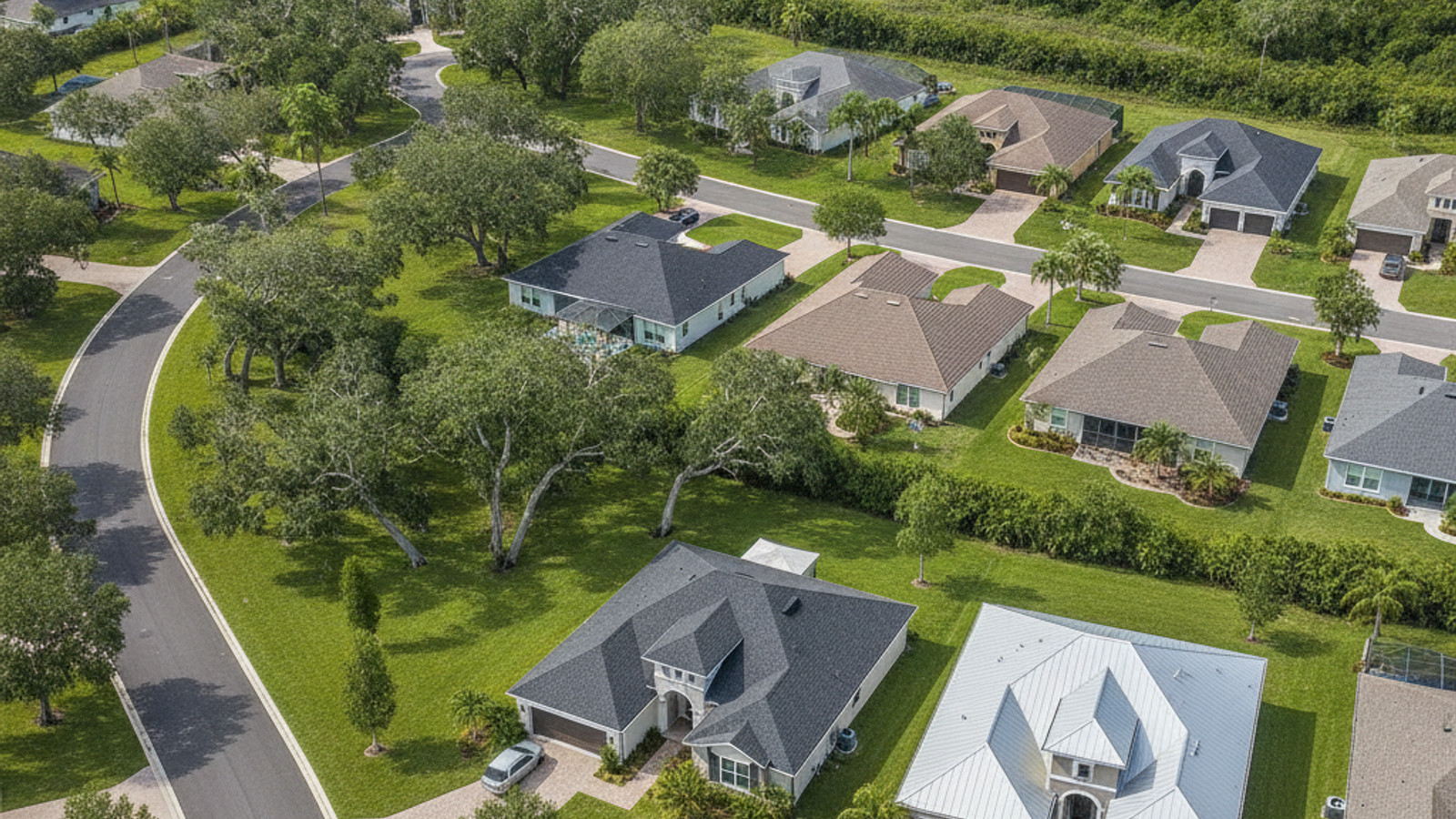
The median sale price for a home in Riverland, FL sits around $409,000 as of mid-2026. First-time home buyers in Riverland spend months - sometimes years - saving for a down payment to hit that number, and then a lot of them get to the closing table and realize they didn't save quite enough.
Closing costs are the administrative, legal, and lending fees required to finalize a real estate transaction. In Florida, they add thousands of dollars to your upfront cash requirement on top of your down payment. Knowing what you owe before closing day isn't just helpful - it's the difference between a smooth transaction and a scramble.
Understanding Florida Closing Costs
A real estate transaction pulls in a lot of moving parts - lenders, appraisers, title companies, county tax assessors. Every one of them charges a fee for their piece of the work, and all of those fees get bundled together as closing costs.
These expenses are entirely separate from the purchase price of the home. You pay them on closing day, usually via wire transfer or cashier's check.
Closing Costs Versus Your Down Payment
Your down payment is the portion of the purchase price you pay upfront, which directly reduces your loan amount. Closing costs are the fees you pay to execute the transaction and secure that loan - two different buckets.
If you buy a home for $400,000 with a 10% down payment, you're bringing $40,000 just for the home itself. Your closing costs are calculated as an additional percentage on top of that base transaction.
The Difference Between Buyer and Seller Fees
Both sides of a deal pay closing costs, but they cover different line items. Sellers generally pay the real estate agent commissions, which make up the bulk of their expenses.
Buyers take on the costs tied to getting a mortgage and establishing ownership. In some counties, local customs shift who pays for specific title policies - which matters quite a bit when you're in Broward County, as you'll see below.
How Much Do Buyers Pay in Riverland Closing Costs?
Buyer closing costs in Florida typically range from 2% to 5% of the purchase price. According to data from ClosingCorp and CoreLogic, the state average hovers around 2.3%, which runs higher than the national average of 1.81%.
For a median-priced Riverland home at roughly $409,000, a 2.3% average translates to about $9,400 in closing fees. Your exact total depends on your loan type, property taxes, and the size of your down payment.
Average Florida Closing Costs by Percentage
The 2% to 5% range is broad because mortgage-related fees vary by lender. Buyers who pay cash bypass origination fees, appraisal costs, and lender title policies entirely - their number looks very different from a financed buyer's.
If you're financing, your interest rate and any purchased discount points will move your final percentage around. A lower rate often means paying more points upfront, which can push your total toward that 5% mark.
Example Closing Costs by Home Price
On a $300,000 home, expect to pay between $6,000 and $15,000 in buyer closing costs. For a $400,000 property, that range increases to $8,000 to $20,000. At $500,000, budget anywhere from $10,000 to $25,000.
Buyers looking at $600,000 homes in the Fort Lauderdale area need to prepare for $12,000 to $30,000 in closing expenses. Your loan estimate document will give you a precise breakdown within three days of your mortgage application - that's the number to plan around.
A Breakdown of Buyer Closing Costs in Broward County
The final figure on your closing disclosure is the sum of dozens of individual line items. They fall into three main categories: lender fees, title and escrow charges, and government taxes.
Some are fixed by state or county law - you can't negotiate them. Others depend on the service providers you or your lender select during escrow, and that's where you have some leverage.
Loan Origination and Appraisal Fees
Lenders charge an origination fee to process, underwrite, and fund your mortgage. This typically runs between 0.5% and 1% of your total loan amount.
You also pay for a third-party appraisal to confirm the property's market value. Appraisals in South Florida generally cost a few hundred dollars, and no lender will approve the loan without one.
Title Insurance and Escrow Fees
Title insurance protects against past defects in the property's ownership history. In Broward County, local custom puts the owner's title insurance policy on the buyer - and the buyer selects the title company. That's worth knowing upfront because it's the opposite of what you'd expect in most other Florida counties, where the seller customarily covers the owner's policy.
Buyers also pay for a lender's title policy and a portion of the settlement or escrow fees charged by the title company to manage the closing.
Transfer Taxes and Recording Fees
Florida charges a documentary stamp tax on deeds - effectively a state transfer tax. The rate is $0.70 per $100 of the total consideration paid statewide, except in Miami-Dade County.
Broward County also assesses recording fees to put the deed on public record. Those fees are $10.00 for the first page of a document and $8.50 for each additional page, plus $1.00 per additional name if the document contains more than four names.
Prepaids and Escrow Reserves
Your lender will require you to fund an escrow account to cover future property taxes and homeowners insurance premiums. That means paying several months of those expenses upfront at closing - a line item a lot of buyers don't see coming.
You'll also pay prepaid daily interest on your mortgage, covering the interest that accrues between your closing date and the start of your first full billing cycle.
Who Customarily Pays Closing Costs in Florida?
The division of closing costs comes down to local tradition and contract negotiation, not binding law. The standard Florida real estate contract sets default payer assignments, but buyers and sellers can agree to different terms.
In the current Riverland market, homes are sitting on the market for roughly 63 days and inventory is hovering around 17 available properties. That moderate pace gives buyers some room to have that conversation.
What the Buyer Typically Covers
Buyers handle all costs tied to their financing - the appraisal, credit report fees, loan origination charges - along with funding their own property tax and insurance escrow accounts.
Because Riverland is in Broward County, buyers also expect to pay for the owner's title insurance policy. Any optional home inspections you choose to order are on you as well.
What the Seller Typically Covers
Sellers cover the real estate brokerage commissions for both the listing agent and the buyer's agent, plus any existing liens or mortgages on the property.
In Broward County, sellers pay the state documentary stamp tax on the deed transfer and cover prorated property taxes for the portion of the year they owned the home.
How to Lower Your Closing Costs as a Buyer
Government taxes and third-party appraisal fees aren't negotiable. But other closing costs have more flexibility than buyers often realize, and there are a few concrete ways to reduce your out-of-pocket cash before you get to the table.
Start by reviewing your loan estimate to see which services you're allowed to shop for. Comparing rates from different title companies and insurance providers often produces direct, meaningful savings.
Asking for Seller Concessions
You can negotiate with the seller to have them pay a portion of your closing costs - this is called a seller concession. In a market where homes take about two months to sell, sellers are often willing to consider it to get a deal done.
Your lender will cap how much a seller can contribute based on your loan type and down payment size. Conventional loans typically limit seller concessions to 3% to 6% of the purchase price, while government-backed loans carry their own specific caps.
Shopping for Lender Credits
Some lenders offer credits that cover part or all of your closing costs in exchange for a higher interest rate on your mortgage. Less cash on closing day, higher monthly payment - that's the trade.
Run the math. Figure out how long it takes for that higher monthly payment to wipe out the upfront savings. If you're planning to stay in the home for decades, taking the higher rate might cost you more over the life of the loan.
Estimating Costs for a Cash Purchase
Cash buyers skip lender origination fees, appraisal costs, and lender title insurance entirely. The total closing cost percentage drops considerably.
Without a mortgage, a cash buyer in Riverland primarily pays for the owner's title insurance policy, recording fees, and prorated property taxes. Cash closing costs usually amount to less than 1% of the purchase price.
Frequently Asked Questions About Riverland Closing Costs
How much should I expect to pay in buyer closing costs on average for a home in Riverland, FL?
Buyer closing costs in Florida average roughly 2.3% of the purchase price, though they can range from 2% to 5%. For a median-priced Riverland home at $409,000, you should expect to pay around $9,400. That percentage runs higher than the national average of 1.81%.
Are there any specific municipal fees or Broward County taxes added to Riverland closing costs?
Yes. Both buyers and sellers encounter Broward County recording fees and state transfer taxes. Recording a document costs $10.00 for the first page and $8.50 for each additional page. The state documentary stamp tax on deeds is $0.70 per $100 of the sale price.
Is it common for sellers in the current Riverland market to agree to pay a buyer's closing costs?
It depends on the specific negotiation, but the current market pace leaves room for the conversation. With Riverland homes spending roughly 63 days on the market, some sellers may offer concessions to finalize a sale. Your lender will cap those seller contributions based on your loan type.
What are the most commonly overlooked hidden closing fees for buyers purchasing in Riverland?
The upfront cost of funding your escrow account for property taxes and homeowners insurance catches a lot of buyers off guard. Buyers also frequently forget that in Broward County, local custom puts the owner's title insurance policy on the buyer - not the seller.