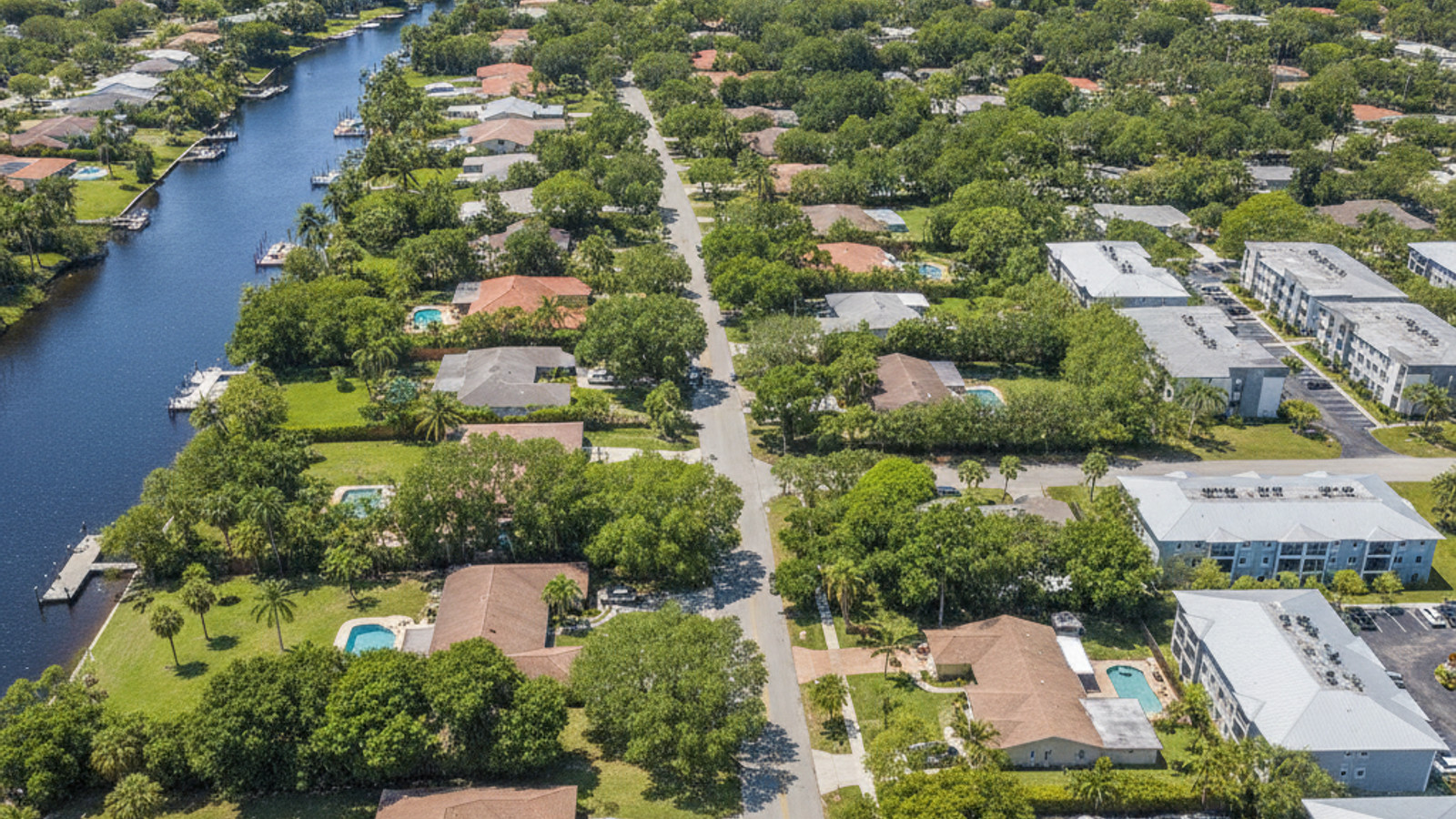
Finding an affordable rental in South Florida requires knowing which neighborhoods offer space without the premium downtown price tag. Riverland sits just southwest of downtown Fort Lauderdale, providing a suburban feel within the city limits. Renters often look here to balance their monthly budget with access to major transit routes, while future buyers often consult the best real estate agent in Riverland, FL to secure a permanent home.
The average rent in Riverland, FL, typically runs slightly below the broader city median, making it an attractive option for those wanting more square footage. You will find a mix of older single-family homes with yards and newer apartment complexes along the main corridors. Knowing the current rates for these different property types helps you plan your housing budget for 2026.
Current Apartment and Home Rental Rates
A standard two-bedroom apartment in Fort Lauderdale averages around $2,700 per month in 2026, but Riverland often provides options slightly below that mark depending on the building's age. Apartment hunters looking at smaller floor plans can expect studio units in the area to range from $1,900 to $2,100 monthly. One-bedroom apartments typically rent for $1,950 to $2,200. These rates vary based on whether the complex includes covered parking, in-unit laundry, or a community pool.
Renters who need more space frequently turn to the neighborhood's single-family homes. These properties typically feature two to four bedrooms and larger yards. Leasing a house in Riverland usually costs between $2,500 and $4,500 per month, largely driven by square footage and lot size. Properties featuring private pools or direct access to the local canals sit at the higher end of that price spectrum.
Townhouses offer a middle ground between apartment living and maintaining a detached house. These multi-level units usually price out similarly to larger apartments but often include small private patios and attached garages. Renters should verify if the lease covers community maintenance, as HOA fees vary across different townhouse complexes.
How Riverland Compares to the Rest of Fort Lauderdale
The overall median rent across Fort Lauderdale sits at approximately $2,800 this year. Riverland renters often pay less than those signing leases in downtown high-rises or waterfront districts like Las Olas. The neighborhood exchanges immediate beach access for a quieter, residential environment characterized by tree-lined streets and larger lots.
Broward County rental rates have stabilized over the past year, though demand for suburban pockets remains steady. While the local real estate market shows a median home price around $350,000 with homes sitting for roughly 117 days, the rental market turns over faster. Renters should prepare to submit applications quickly when a well-priced single-family home becomes available.
Budgeting for Utilities and Daily Commutes
Average commute times from this area run about 15 to 30 minutes one-way, depending on your destination and rush-hour traffic. Most residents rely on personal vehicles to reach employment centers in downtown Fort Lauderdale or neighboring cities. The neighborhood sits conveniently close to Interstate 95, State Road 84, and Broward Boulevard, which reduces travel time for those commuting south to Miami or north toward Palm Beach.
Beyond the lease agreement, tenants should factor local utility rates into their monthly housing expenses. Florida utility bills average around $250 statewide, but South Florida's climate pushes those numbers higher. You can expect to pay between $300 and $500 during the peak summer months when air conditioning runs continuously.
When estimating your total monthly housing costs, consider these typical utility and transit expenses:
- Electricity: Varies by season, peaking from June through September when cooling demands are highest.
- Water and Sewer: Often billed separately in single-family homes, while some apartment complexes include it in the base rent.
- Internet: Standard broadband plans usually add $60 to $90 to your monthly budget.
- Transportation: Fuel and toll costs for commuting via I-95 or Florida's Turnpike.
Local Amenities, Parks, and Shopping
The area holds a Walk Score of roughly 55 to 61, meaning it is somewhat walkable but most daily errands require a car. Residents have quick access to local grocery stores, including a nearby Publix, along with several retail centers situated along the main bordering roads. The commercial corridors provide standard conveniences without intruding on the residential side streets.
Outdoor recreation is a major draw for the area, anchored by proximity to the New River. Renters can utilize local green spaces like Riverland Woods Park, which offers shaded areas and walking paths. For households focused on education, the neighborhood aligns with the local school zoning for Riverland Elementary School.
Frequently Asked Questions
What is the typical rent in Riverland, FL?
Monthly rates usually range from $1,900 for a studio apartment to over $4,500 for a large single-family home. Your exact cost depends on the property type and whether it includes premium features like a private pool.
How does rent in this area compare to other Florida cities?
Renting here is generally more expensive than in northern or central Florida towns, but it remains competitive within the South Florida market. It offers a more affordable alternative to Miami or Naples while keeping you close to major employment hubs.
What credit score do I need to rent an apartment here?
Most property management companies in Fort Lauderdale look for a credit score of 650 or higher. Private landlords renting out single-family homes might be more flexible, but they will still verify your income and rental history.
How much rent can I afford in Riverland, FL?
Landlords generally require your gross monthly income to be at least three times the monthly rent. For a $2,700 two-bedroom apartment, you should aim for a household income of around $8,100 per month before taxes.
Are there pet-friendly rentals in Riverland, FL?
Yes, many apartments and single-family homes welcome pets, though you should expect to pay a non-refundable pet fee or monthly pet rent. Houses with fenced yards are particularly common here, making it easier for dog owners to find suitable accommodations.
How much should I budget for utilities and transportation?
Set aside $300 to $500 a month for utilities, especially during the summer when air conditioning usage spikes. For transportation, factor in gas and tolls for a standard 15- to 30-minute commute into downtown Fort Lauderdale.